
Uncured resin, partly cured resin and isopropyl alcohol (IPA) or other wash liquid with resin dissolved in it should never go down a drain or into the household bin. Resin safety data sheets are explicit: Elegoo’s SDS for its Standard Photopolymer Resin classifies it as toxic to aquatic life with long-lasting effects (H411) and says it “must not be disposed together with household garbage” and must not reach the sewage system. Formlabs gives the same instruction for resin and for used IPA.
What you can do at home is cure small amounts. Formlabs’ method is to pour a little leftover resin into a labelled, transparent container and leave it in sunlight for 1–10 days until it is solid; fully cured resin, cleaned prints and resin-wet paper towels cured the same way can then go out as household waste. Used IPA is different: curing does nothing about the solvent itself, so Formlabs says to follow the solvent’s SDS and your local hazardous waste rules, which usually means a household hazardous waste collection or a waste disposal service. Rules vary by country, state and council, so treat this guide as the general principles and check with your local authority.
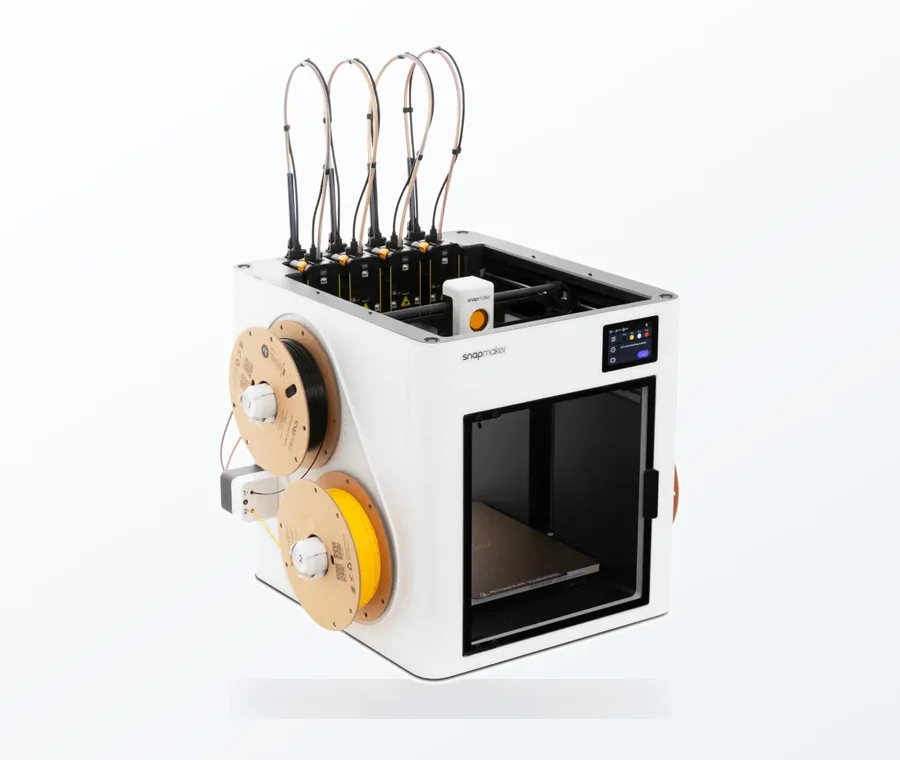
The consumer toolchanger 3D printer: the SnapSwap 4-toolhead system swaps heads in 5 seconds for true multi-color and multi-material printing, with smart calibration and auto filament loading.
- 4 toolheads · 5 s swap
- Up to 500 mm/s · 20,000 mm/s²
- 270 mm cube build volume
- Multi-color & multi-material
Where each type of resin waste goes
| Waste | What to do | Never |
|---|---|---|
| Leftover or contaminated liquid resin | Filter and reuse if still good; otherwise take it to a chemical or hazardous waste collection, or cure small amounts solid first | Drain, toilet, household bin while liquid |
| Used IPA or other wash solvent | Reuse until spent, then hazardous waste collection or a waste disposal service | Drain, household bin, ground |
| Paper towels and gloves wet with resin | Cure in sunlight or UV light until hard, then household waste | Bin them while still wet |
| Paper towels soaked in IPA from a spill | Hazardous waste, according to local rules (Formlabs) | Leave in an open bin near heat |
| Supports, failed prints, cleaned parts | Make sure they are fully cured, then household waste | Recycling bin: Formlabs says cured resin cannot be recycled |
| Resin bottles | Follow the SDS and local rules for contaminated packaging | Assume an “empty” bottle is clean |
| Rinse water from water-washable resin | Treat it as resin-contaminated liquid and follow that resin’s SDS | Pour it down the sink because the label says “water” |
Manufacturers do not all agree on the details, which is why local rules come first. Formlabs says a fully cured block of resin can be binned together with its container, while the Prusa Knowledge Base says not to throw resin bottles, empty or full, into regular waste and to treat liquid resin as a dangerous chemical under your country’s rules.
What resin safety data sheets say about disposal
Every resin comes with a safety data sheet (SDS). Section 12 covers environmental hazards and section 13 covers disposal. Formulations differ, so read the one for your resin. Elegoo’s 2022 SDS for Standard Photopolymer Resin is one example:
- Classification: H411 toxic to aquatic life with long-lasting effects, plus H315 skin irritation, H317 may cause an allergic skin reaction, H319 serious eye irritation and H335 respiratory irritation.
- Section 12: “hazardous for water” under the German water hazard classes (self-assessment), “poisonous for fish and plankton in water bodies”, and a “danger to drinking water if even small quantities leak into the ground”.
- Section 13: “Must not be disposed together with household garbage. Do not allow product to reach sewage system.” Uncleaned packaging must be disposed of “according to official regulations”.
- Section 14: transported as UN3082, environmentally hazardous substance, liquid, and marked as a marine pollutant.
- Precaution P501: dispose of contents and container in accordance with local, regional, national and international regulations.
Formlabs puts it more cautiously for its own resins: liquid resin, whether pure, dissolved in solvent or partially cured, “may be classified as hazardous waste in your region”. The US EPA’s general guidance on household hazardous waste explains why the drain is the wrong route for products like this: pouring them down the drain, on the ground or into storm sewers can pollute the environment and contaminate septic tanks or wastewater treatment systems.
How to cure leftover liquid resin for disposal
This follows Formlabs’ procedure for users without access to a chemical waste stream. It is meant for small amounts, not litres of old resin.
- Put on new nitrile gloves. Resin can cause an allergic skin reaction.
- Pour a small amount of resin into a transparent, resin-safe container and label it so nobody mistakes the contents.
- Leave it in sunlight for 1–10 days. Formlabs notes that 405 nm light combined with heat cures resin most effectively, so a UV curing station can speed this up.
- Check that it is solid all the way through. Press the surface and tilt the container. Any liquid or tacky resin means it needs longer.
- Dispose of the cured resin as household waste, unless your local authority or resin maker says otherwise.
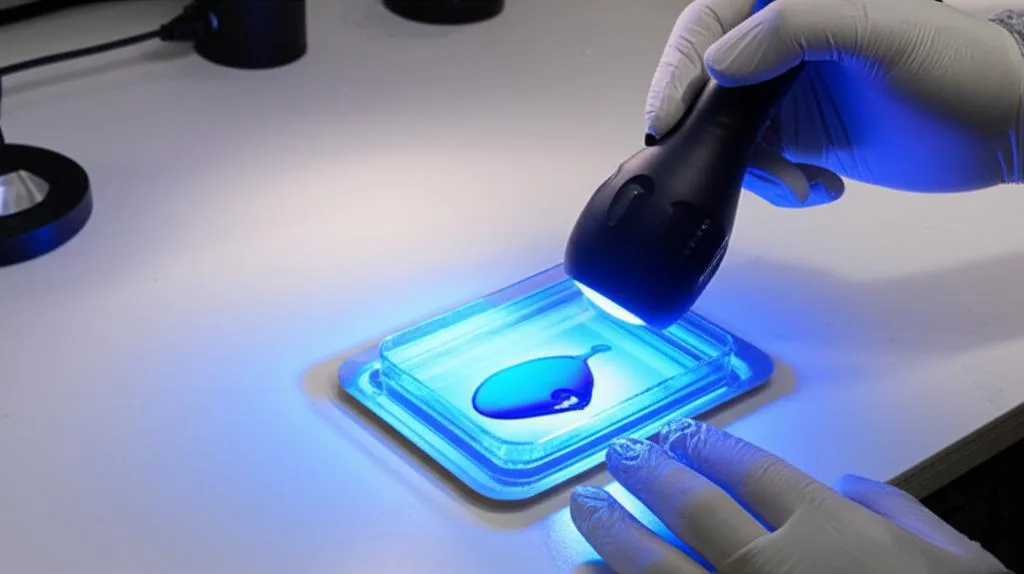
A common-sense precaution rather than a published rule: if you cure resin outdoors, put the container where children, pets and rain cannot reach it. Before curing anything, ask whether the resin can still be used. Resin that is only contaminated with cured flakes can often be filtered back into its bottle, which avoids creating waste in the first place.
What to do with used IPA and wash liquid
IPA picks up dissolved resin with every wash. Formlabs suggests replacing it when the resin concentration reaches 10–12%, measured with the hydrometer supplied with its Form Wash. Curing does not make the solvent itself safe, so plan for three stages:
- Reuse it as long as it cleans. Anycubic’s washing guide describes letting cloudy IPA stand for more than 10 hours so the residue settles, pouring the clearer IPA off for further washing, and curing the sediment in sunlight or UV light until it is solid. Anycubic notes that the decanted IPA may still contain dissolved resin.
- Store the spent solvent safely. Use a closed, clearly labelled container and keep it away from heat and ignition sources, because Formlabs describes IPA as highly volatile and flammable. The EPA advises never storing hazardous products in food or drink containers and never mixing them with other products.
- Hand it over for disposal. Formlabs says this “will most likely involve hiring a waste disposal service”, and that for smaller amounts you should ask your local waste service what it accepts. Tell them the container holds IPA with small amounts of methacrylated monomers and oligomers (unpolymerised resin) and trace photoinitiator, and have the resin SDS to hand.
Finding a hazardous waste drop-off
- United States: the EPA points households to permanent or periodic household hazardous waste collection programmes, found through the Earth911 database or your local environmental, health or solid waste agency. Federal rules exclude some household waste, but the EPA notes that state requirements may be stricter.
- England and Wales: the GOV.UK hazardous waste service lets you enter a postcode to see whether your council collects household hazardous waste such as chemicals. Councils set their own limits and booking rules.
- Elsewhere: contact your municipal waste authority and describe the waste as in step 3 above.
What about letting IPA evaporate? Some older guides suggest leaving used IPA in an open tray until only resin sludge remains. None of the manufacturer or government sources used here describe this as a disposal method. It releases flammable vapour into the air, and the EPA’s household guidance is to take such products to a collection programme instead. For large volumes of IPA, Formlabs points to solvent recycling systems, which distil the IPA so it can be reused.
Gloves, paper towels, supports and failed prints
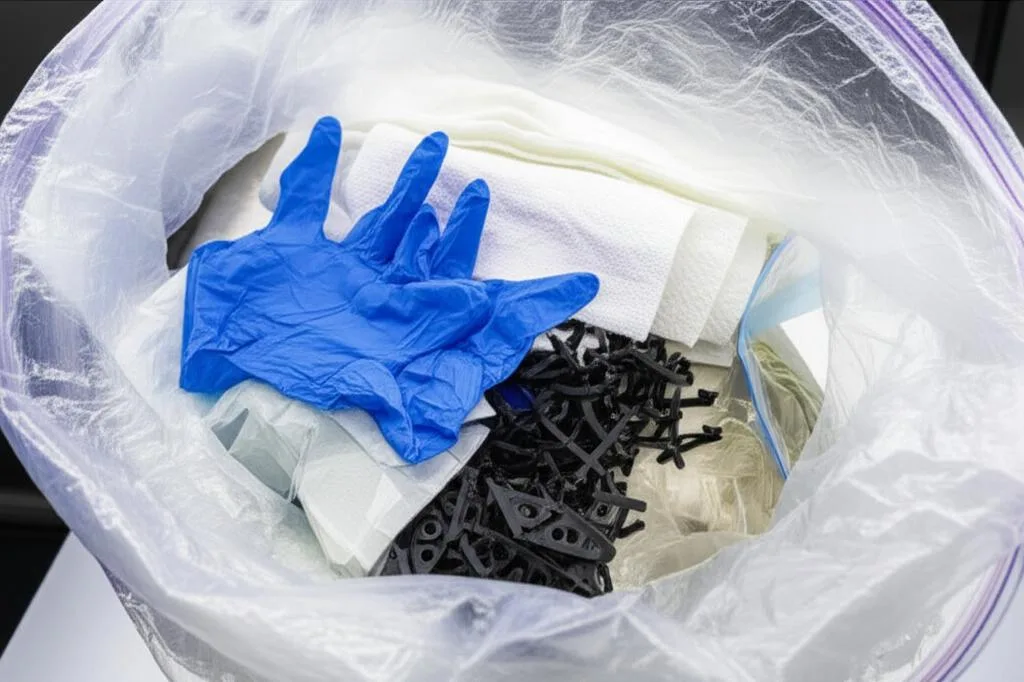
- Resin-wet paper towels and gloves: Formlabs says to expose them to sunlight or UV light until the resin cures, then dispose of them with household waste. Spread them out so light reaches all the resin.
- Towels and gloves soaked in IPA after a spill: Formlabs lists these as hazardous waste. Spilled IPA is a fire hazard, so do not leave soaked towels in a bin next to a heater.
- Supports, rafts and failed prints: wash and cure them like a finished print until no surface is tacky, then bin them. Our washing and curing guide covers curing times and how to spot uncured resin.
- Cured resin in the recycling bin: no. Formlabs states that cleaned parts and cured resin cannot be recycled.
Handling resin waste safely
- Gloves and eye protection: Elegoo’s SDS asks for protective gloves and tightly sealed goggles; Formlabs recommends nitrile or neoprene gloves for IPA. Our resin PPE checklist goes into more detail.
- Skin contact: wash immediately with soap and water, as both the Elegoo SDS and Prusa advise. For eye contact, the SDS says to rinse the open eye under running water for several minutes and see a doctor if symptoms persist. Prusa recommends seeking medical help if you develop itching or other discomfort after skin contact.
- Spills: the Elegoo SDS says to soak up liquid resin with an absorbent material such as sand or sawdust and dispose of it as waste according to section 13. Curing the soaked material, as with paper towels, turns it into solid waste.
- Ventilation: collecting, decanting and curing waste releases vapours just like printing. Do it in the same well-ventilated space, as described in our resin printer ventilation guide.
Common resin disposal mistakes
- Rinsing vats, brushes or wash tanks in the sink. The resin goes down the drain along with the water. Wipe tools with paper towels first and cure the towels.
- Binning “mostly cured” resin. A block that is hard on top can still be liquid underneath. Pour thin amounts and check all the way through.
- Storing waste IPA in a drinks bottle. The EPA warns against food containers for hazardous products, and an unlabelled bottle is a poisoning risk.
- Mixing waste streams. Keep resin-contaminated IPA separate from other household chemicals; the EPA notes that incompatible products can react.
- Making more waste than you need. Filter resin back into its bottle, pour only what a print needs, and cut failed prints with better settings. Our guide to designing for minimal waste has more ideas.
Frequently asked questions
Can I pour uncured resin down the drain?
No. Resin SDSs such as Elegoo’s classify it as toxic to aquatic life and say it must not reach the sewage system, and Formlabs says never to pour liquid resin, or solvent containing resin, into drains. Cure small amounts solid or take the resin to a hazardous waste collection.
How long does resin take to cure in sunlight for disposal?
Formlabs gives 1–10 days for a small amount of resin in a transparent container left in sunlight. Formlabs notes that 405 nm light and heat together cure resin most effectively, so a UV curing station is a faster option. Only dispose of it once it is solid all the way through.
How do I dispose of IPA with resin in it?
Reuse it for as long as it cleans, then store it in a closed, labelled container and take it to a household hazardous waste collection or a waste disposal service. Tell them it contains IPA with small amounts of dissolved resin. Do not pour it down the drain, put it in the bin or leave it to evaporate.
Can cured resin go in the recycling bin?
No. Formlabs states that cleaned parts and cured resin cannot be recycled and should go in household waste. Make sure the parts are fully cured first, and follow your local authority’s rules if they differ.