
In an era where environmental stewardship is paramount, the manufacturing sector faces increasing pressure to adopt more sustainable practices. Three-dimensional printing, often lauded for its efficiency and minimal material waste compared to subtractive methods, still presents profound opportunities for further optimization towards true eco-consciousness. The journey towards a more sustainable future in additive manufacturing begins at the drawing board, emphasizing a fundamental shift in approach: designing for sustainability. This paradigm focuses on integrating environmental considerations throughout the entire product lifecycle, from meticulous material selection and intelligent design iteration to robust end-of-life strategies, aiming for significant waste reduction, enhanced 3D printing efficiency, and a reduced overall ecological footprint.
Embracing design for sustainability in 3D printing
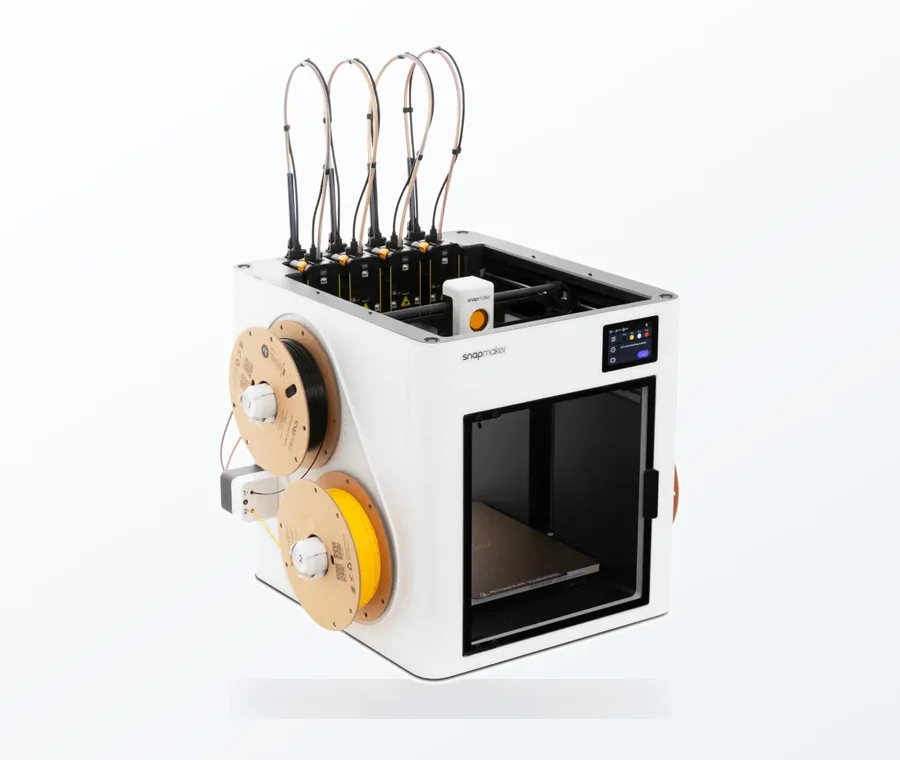
The consumer toolchanger 3D printer: the SnapSwap 4-toolhead system swaps heads in 5 seconds for true multi-color and multi-material printing, with smart calibration and auto filament loading.
- 4 toolheads · 5 s swap
- Up to 500 mm/s · 20,000 mm/s²
- 270 mm cube build volume
- Multi-color & multi-material
Designing for sustainability in 3D printing is not merely about choosing recycled filaments; it’s a holistic philosophy that impacts every decision a designer and engineer makes. It encompasses a range of strategies aimed at minimizing environmental footprint while maintaining or even improving product performance and cost-effectiveness. The objective is to create components that are not only functional but also environmentally responsible, contributing to a circular economy where resources are valued and waste is minimized.
Material optimization: The foundation of eco-friendly design
The choice of material fundamentally dictates the environmental impact of a 3D-printed object. While the sheer variety of available filaments is a boon for designers, it also necessitates a careful evaluation of each material’s lifecycle. Material optimization extends beyond selecting a strong or flexible polymer; it involves assessing its origins, the energy required for its production, its printability, and its ultimate fate after use.
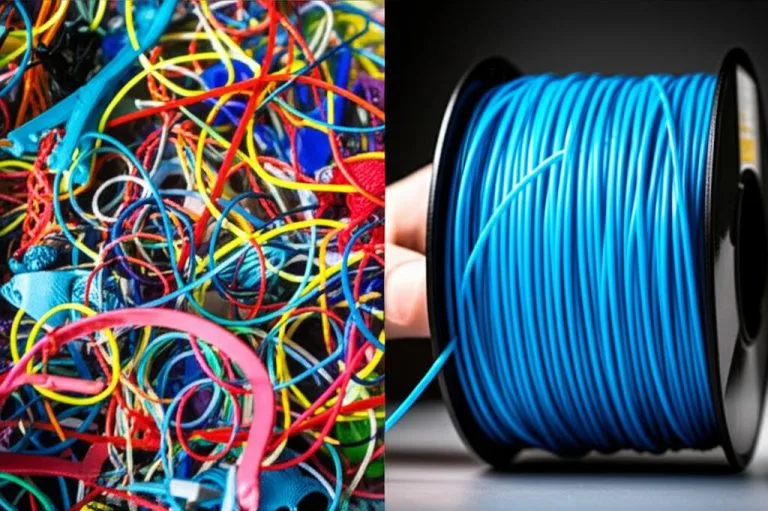
- Recycled and recyclable materials: The market for recycled filaments, such as those made from post-consumer PET or PLA, is growing. Utilizing these materials directly contributes to waste reduction by diverting plastics from landfills and decreasing the demand for virgin resources. Their cost structures can vary; while some recycled options might initially seem more expensive due to specialized processing, their long-term environmental benefits and potential for closed-loop systems offer significant value. Similarly, designing with single-material components or using easily separable multi-material prints facilitates post-consumer recycling, influencing the end-of-life cost and environmental burden.
- Biodegradable and compostable polymers: Materials like PLA (polylactic acid), derived from renewable resources such as corn starch, offer an alternative that can break down under specific industrial composting conditions. While not a panacea for all waste issues, their use can be a strategic choice for certain applications, particularly single-use items or prototypes. The cost implications include not just the material price but also the infrastructure required for proper composting, which can vary significantly by region.
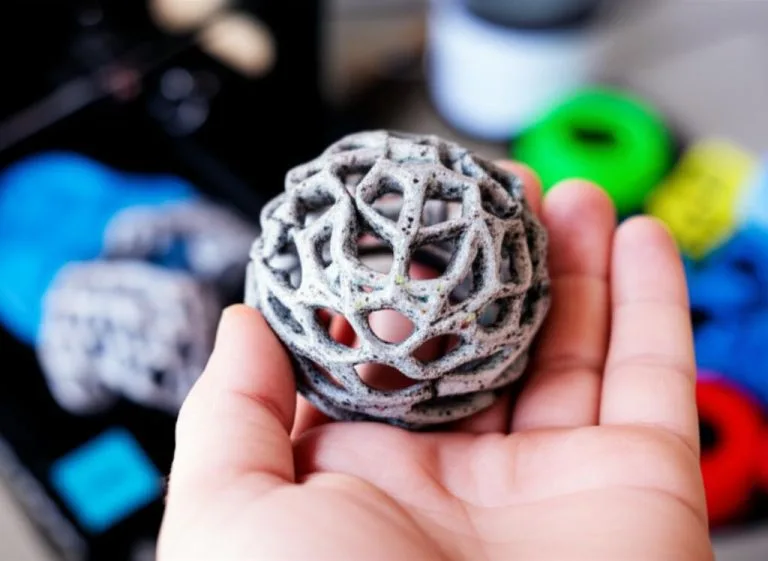
- Lightweighting and material property matching: Beyond the type of material, its quantity is crucial. Designing parts to be as light as possible while meeting structural requirements is a cornerstone of 3D printing efficiency. Techniques like topology optimization and lattice structures, discussed further below, enable designers to use less material without compromising strength. This directly translates into reduced material costs and lower energy consumption during printing and potentially during the product’s operational life (e.g., lighter parts in transport applications).
- Bio-based and experimental materials: Research into novel bio-based composites, often incorporating natural fibers or waste products, is expanding the possibilities for sustainable 3D printing. These materials are often in earlier stages of development, meaning their cost and availability can be less predictable, but they represent a promising frontier for further waste reduction and eco-friendly design.
Advanced design for additive manufacturing (DfAM) for waste reduction
DfAM principles are critical enablers for sustainable 3D printing. By leveraging the unique capabilities of additive manufacturing, designers can create geometries that are impossible or impractical with traditional methods, leading to significant material and energy savings.
- Topology optimization: This computational design method determines the optimal material distribution within a given design space for a set of loads and boundary conditions. The result is often an organic, intricate shape that uses the absolute minimum amount of material necessary to achieve the desired performance. While requiring specialized software and computational power, the upfront investment can be offset by substantial material savings, reduced print times, and improved part performance. The feature here is extreme material efficiency, with the cost implication being software licenses and design expertise versus long-term material and operational savings.
- Lattice structures and infill optimization: Instead of solid structures, many 3D-printed parts can incorporate internal lattice structures or optimized infill patterns. These designs maintain structural integrity while drastically reducing material usage and part weight. Different lattice types (e.g., gyroid, octet truss) offer varying stiffness-to-weight ratios and printability characteristics. The choice impacts both material consumption and print duration, thereby influencing overall production costs and 3D printing efficiency.
- Part consolidation: Additive manufacturing excels at producing complex, multi-component assemblies as a single, integrated part. This reduces the need for fasteners, assembly labor, and inventory management for multiple components. From a sustainability perspective, part consolidation often means fewer raw materials (as different components might have required different materials), simpler supply chains, and reduced waste from assembly processes. The feature is complexity without assembly, and the cost implication is a potentially higher initial design complexity versus savings in manufacturing, assembly, and logistics.
- Generative design: An evolution of topology optimization, generative design algorithms explore thousands of design permutations based on specified constraints (material, manufacturing method, performance requirements). This approach can uncover highly optimized, often counter-intuitive designs that maximize material utilization and minimize waste. Like topology optimization, it requires specialized software and computational resources, but offers unparalleled potential for eco-friendly design by finding the most efficient geometries.
Process optimization for enhanced 3D printing efficiency
Beyond design, the printing process itself offers numerous avenues for waste reduction and improved sustainability. Fine-tuning print parameters and understanding machine capabilities can significantly impact material consumption, energy usage, and overall yield.
- Minimizing support structures: Support material, while often necessary for complex geometries, represents waste. Designing parts with minimal overhangs, optimizing part orientation on the build plate, and using soluble support materials (which can sometimes be reclaimed or are less impactful to dispose of) are critical strategies. The choice of support material and removal method has direct cost implications, from the material itself to the post-processing labor and waste disposal. Intelligent design can significantly reduce these overheads.
- Optimized print parameters: Calibrating print speed, layer height, infill density, and temperature settings can dramatically reduce print failures and material waste. Over-extrusion, stringing, and warping all lead to failed prints that consume material and energy. Investing time in process optimization and calibration can yield significant savings in material and energy consumption, improving 3D printing efficiency.
- Build plate utilization: Efficiently arranging multiple parts on a single build plate maximizes the output per print job, reducing the number of individual print cycles and associated energy consumption. This strategy directly impacts throughput and energy efficiency, indirectly contributing to waste reduction by optimizing machine usage.
- Closed-loop material systems: For industrial setups, implementing systems to collect and re-process waste material (e.g., unused powder from selective laser sintering, failed prints from fused deposition modeling) can drastically reduce virgin material requirements. While such systems involve initial investment in equipment and processes, they offer substantial long-term material cost savings and significantly contribute to waste reduction goals.
Lifecycle assessment and circular economy principles
A truly sustainable approach to 3D printing considers the entire lifecycle of a product, from raw material extraction to end-of-life disposal or recycling. This holistic view helps identify environmental hotspots and opportunities for improvement.
- Design for disassembly and repair: For multi-component products, designing parts that can be easily disassembled facilitates repair, replacement, and material recovery. This extends product lifespan and reduces the need for entirely new products, a key tenet of eco-friendly design. While potentially adding complexity to initial design, it offers long-term benefits in terms of resource conservation and waste reduction.
- Modular design: Creating products with modular components allows for easier upgrades and replacements of individual parts, rather than discarding the entire product. This approach not only enhances product longevity but also minimizes material consumption over the product’s lifespan.
- End-of-life considerations: From the outset, designers should consider how a 3D-printed product will be handled at the end of its useful life. Can it be easily recycled? Is it biodegradable? Can it be repurposed? Designing with these questions in mind guides material selection and structural choices, influencing the overall environmental impact and potential recycling costs.
- Local production and distributed manufacturing: 3D printing’s ability to produce parts on-demand and locally can significantly reduce transportation-related emissions and waste associated with traditional global supply chains. This localized production model contributes to a more sustainable and resilient manufacturing ecosystem. The cost structure here shifts from large-scale centralized production and shipping to localized material sourcing and energy consumption, with potential savings in logistics and inventory.
Software and tools for sustainable 3D printing design
The increasing focus on sustainability has led to the development and integration of features in CAD and additive manufacturing software that aid in eco-conscious design. These tools can help designers analyze, optimize, and simulate the environmental impact of their creations.
- Integrated simulation and analysis: Modern CAD software often includes tools for finite element analysis (FEA) and topology optimization, allowing designers to test structural integrity and material efficiency virtually before printing. This reduces the need for physical prototypes, saving material and time. The feature is predictive design, and the cost implication is software licensing and training versus significant savings in prototyping materials and time.
- Material databases with environmental data: Some platforms now offer material databases that include environmental metrics, such as embodied energy or carbon footprint, alongside mechanical properties. This enables designers to make more informed choices based on sustainability criteria.
- Print process simulation: Software that simulates the 3D printing process can predict potential issues like warping or support structure failures. By identifying these problems virtually, designers can adjust their designs or print parameters, preventing failed prints and associated material waste.
- Generative design platforms: As mentioned earlier, these platforms are powerful tools for exploring highly optimized, material-efficient designs, inherently contributing to waste reduction. While they represent a significant investment in software and computational resources, their ability to find optimal geometries can lead to unparalleled material savings.
The strategic integration of design for sustainability principles into 3D printing necessitates a nuanced understanding of the associated cost structures and the value proposition of various features. It is imperative to move beyond a simplistic “cheaper vs. more expensive” dichotomy and instead evaluate solutions based on a holistic framework that considers initial investment, operational efficiency, and long-term environmental and economic returns. The decision-making process for adopting eco-conscious strategies involves weighing trade-offs and understanding how different features contribute to the overall sustainability and profitability of additive manufacturing operations.
Initial investment considerations
Many sustainable 3D printing strategies require an upfront capital outlay. For instance, the adoption of advanced DfAM software for topology optimization or generative design represents a significant investment in software licenses, computational hardware, and specialized training for design engineers. The feature offered by such software is the capability to create highly material-efficient geometries that are impossible to achieve with traditional CAD tools. This feature promises substantial waste reduction and material optimization. However, the initial cost structure here involves not just the software itself, but also the time and resources dedicated to skill development within the design team. Companies must assess whether the potential long-term material and operational savings justify this initial expenditure, considering their production volume and the complexity of parts they intend to print.
Similarly, implementing closed-loop material recycling systems for industrial 3D printing facilities involves capital investment in shredders, extruders, and quality control equipment. The feature is the ability to reclaim and reprocess waste material, dramatically reducing the reliance on virgin materials and contributing significantly to waste reduction. The cost structure here includes equipment purchase, facility integration, and ongoing maintenance. An organization would evaluate this against the continuous cost of purchasing virgin materials and disposing of waste, alongside the environmental benefits and potential for enhanced brand reputation.
Operational cost and efficiency features
Once implemented, many sustainable design and process optimization features contribute to reduced operational costs and improved 3D printing efficiency. For example, the feature of designing with optimized lattice structures directly impacts material consumption. Less material used per part translates to lower material costs per unit, a clear operational saving. Furthermore, lighter parts often require less energy during the printing process and can potentially reduce the energy footprint during the product’s operational life, especially in applications like aerospace or automotive where weight is critical. The cost implication here is a direct reduction in variable costs associated with material and energy.
Process optimization strategies, such as minimizing support structures through intelligent part orientation or utilizing advanced slicing software, primarily offer features that reduce post-processing labor and prevent print failures. Failed prints are a significant source of material waste and machine downtime, incurring costs in terms of wasted filament, energy, and lost production time. By leveraging features that enhance print success rates and reduce the need for manual support removal, companies can significantly lower their operational expenditures. The cost structure here is influenced by labor rates, material costs, and machine depreciation, all of which benefit from increased 3D printing efficiency.
The choice of eco-friendly materials also presents varied operational cost profiles. While some recycled filaments might offer a lower per-kilogram price, their printability characteristics (e.g., warping, adhesion) might require more careful process calibration or result in a higher failure rate, impacting overall efficiency. Conversely, premium bio-based materials might have a higher upfront cost but could offer superior print quality or specific mechanical properties that reduce post-processing or improve product performance. The feature here is the material’s inherent environmental attribute and its impact on printability and part quality, directly influencing operational costs through print success rates and post-processing requirements.
End-of-life and lifecycle cost considerations
The features integrated into a design for its end-of-life phase, such as ease of disassembly or choice of recyclable materials, have significant long-term cost implications. Products designed for easy disassembly (a feature) can be more readily repaired or have their components recycled or repurposed. This extends product lifespan and reduces the need for new material inputs, thereby lowering the overall lifecycle cost of the product. While designing for disassembly might add initial design complexity, the long-term savings in waste management and resource recovery can be substantial. The cost structure here relates to waste disposal fees, potential revenue from recycled materials, and the environmental impact associated with landfilling.
Similarly, opting for biodegradable or industrially compostable materials (a feature) requires consideration of the available infrastructure for their proper disposal. If industrial composting facilities are not readily accessible, the “biodegradable” feature might not translate into its intended environmental benefit, potentially leading to increased waste management costs if specialized disposal is required. The cost implication is not just the material price, but the entire chain of disposal and processing. Companies need to objectively compare the features of different end-of-life strategies with the practicalities and costs of implementation in their specific operational context.
Comparative analysis: Features versus cost structures
When comparing different sustainable solutions, it’s crucial to analyze the specific features each offers against its corresponding cost structure. For instance:
- Topology Optimization (Feature: Extreme material efficiency):
- Cost Structure: High initial investment in software and training.
- Benefit: Significant reduction in material consumption, potentially faster print times, improved part performance. Long-term operational savings.
- Using Recycled Filaments (Feature: Waste material repurposing):
- Cost Structure: Material price can vary (sometimes lower, sometimes higher due to processing), potential need for process recalibration.
- Benefit: Reduced reliance on virgin resources, lower environmental footprint, contributes to circular economy. Operational cost savings if material price is lower and print success is maintained.
- Optimizing Support Structures (Feature: Reduced post-processing & material waste):
- Cost Structure: Initial investment in design time and potentially advanced slicing software.
- Benefit: Lower material waste, reduced post-processing labor, faster overall production time. Direct operational cost savings.
- Part Consolidation (Feature: Complexity reduction, multi-functionality):
- Cost Structure: Increased initial design complexity and expertise required.
- Benefit: Fewer parts to manufacture, assemble, and inventory. Reduced supply chain complexity, potential for lighter and stronger products. Operational savings in assembly, logistics, and material variety.
The objective is not to declare one strategy universally “better” or “cheaper,” but to provide a framework for readers to assess which combination of features best aligns with their specific product requirements, production volumes, existing infrastructure, and sustainability objectives. A low-volume, high-value part might justify the high initial investment in topology optimization software for maximum material savings and performance, while a high-volume, lower-value part might prioritize the use of readily available recycled materials and efficient build plate utilization. Each choice presents a unique balance of features and cost implications that must be evaluated on its own merits.
The future of eco-conscious 3D printing: A strategic imperative
As 3D printing technology continues its rapid evolution, so too will the opportunities for sustainable innovation. The push towards greater automation, the integration of artificial intelligence in generative design processes, and the development of novel, truly circular materials will further enhance the potential for eco-friendly design and waste reduction across various industries. The additive manufacturing sector is moving decisively towards a future where sustainable practices are not merely an optional add-on but are intrinsically woven into the very fabric of its operations, driving both profound environmental benefits and compelling economic value.
Ultimately, the shift towards design for sustainability in 3D printing is not just an environmental imperative; it is a strategic business advantage. Organizations that proactively integrate eco-conscious principles into their design and manufacturing processes stand to benefit significantly from reduced material costs, improved brand image and market differentiation, compliance with evolving environmental regulations, and access to new markets driven by growing consumer and industrial demand for sustainable products. By diligently understanding the diverse features and intricate cost structures of various sustainable strategies, businesses can make informed, data-driven decisions that pave the way for a more responsible, resilient, and highly efficient additive manufacturing landscape. The path to a truly eco-conscious 3D printing future lies in thoughtful design, strategic material choices, and continuous process refinement, all evaluated through a comprehensive lens of features and costs.
Frequently asked questions
Can I just switch to recycled filament without changing my printer settings?
No. Recycled filaments often have different printability characteristics—such as warping or bed adhesion—compared to virgin materials, and may require recalibration of print speed, temperature, or retraction settings. Failing to adjust parameters can increase print failure rates, negating the waste-reduction benefit of using recycled material.
Does designing a part with lattice structures always save money?
Not necessarily. While lattice structures reduce material consumption and can lower variable costs per part, they may require more design time and specialized software, which adds upfront cost. The net savings depend on your production volume: for high-volume runs the material savings usually outweigh the design investment, but for a single prototype the added complexity may not be worth it.
What is the most common mistake when trying to minimize support waste?
The most common mistake is failing to optimize part orientation on the build plate before finalizing the design. Even a small rotation can dramatically reduce overhangs and the volume of support material needed. Investing a few minutes in orientation analysis during slicing can directly lower material waste and post-processing labor.