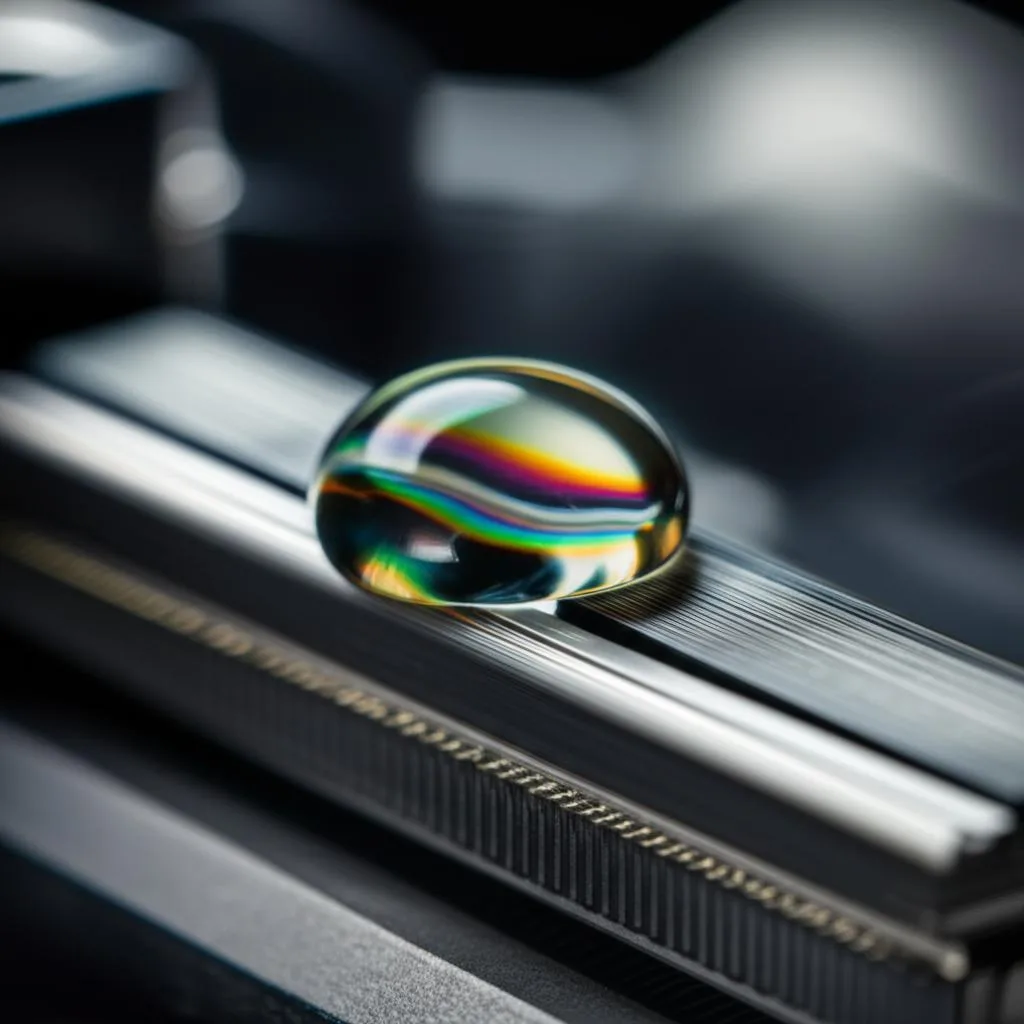
Lubricating a 3D printer means putting a thin film of oil or grease on the metal parts that slide or turn against each other: smooth rods and their linear bearings, linear rails, and the Z lead screws with their nuts. The general rule from Bambu Lab is oil for rods, shafts and linear guides, and grease for lead screws. Clean off the old lubricant and dust first, use a small amount, work it in by moving the axis, and wipe off the excess.
What you must not do is lubricate everything. Prusa tells MK4 owners not to put lubricant on the Z lead screws or their trapezoid nuts. Bambu Lab forbids oil and grease on the carbon X rods of its X1 and P1 printers. Plastic bushings that are made to run dry need nothing either. Manufacturer intervals range from every 200 print hours (Prusa) to every three months (Bambu Lab lead screws). This guide covers which part gets what, the Z lead screw procedure, and what to leave dry. The numbers come from Prusa, Bambu Lab, LDO and igus documentation, linked at the end.
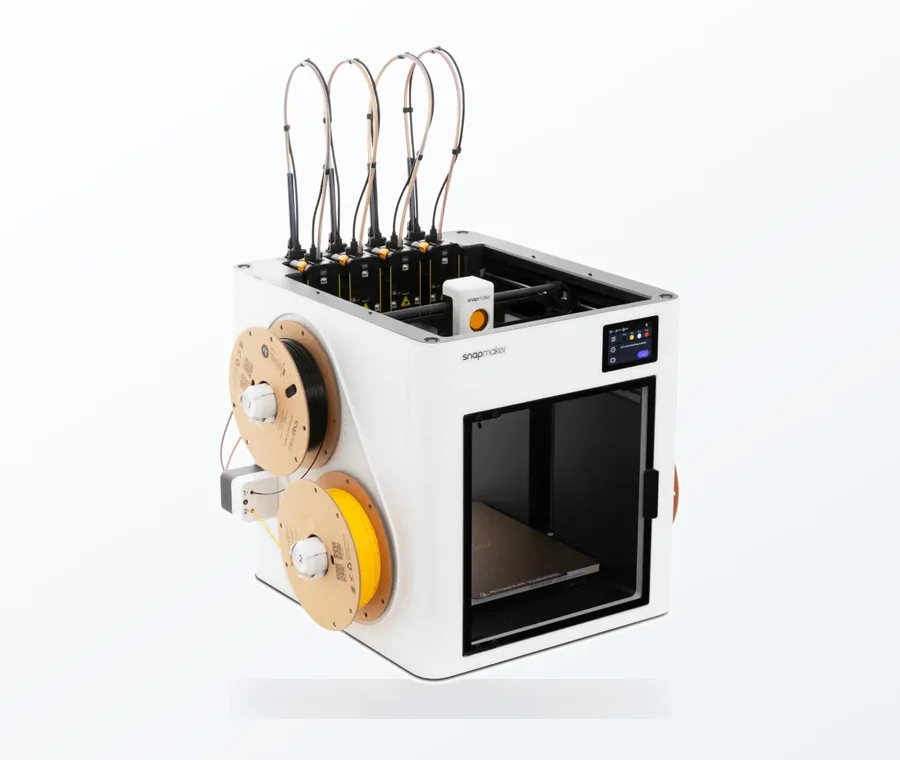
The consumer toolchanger 3D printer: the SnapSwap 4-toolhead system swaps heads in 5 seconds for true multi-color and multi-material printing, with smart calibration and auto filament loading.
- 4 toolheads · 5 s swap
- Up to 500 mm/s · 20,000 mm/s²
- 270 mm cube build volume
- Multi-color & multi-material
Lubrication in six steps
- Check your printer’s maintenance page: it overrides any general rule, including this one.
- Switch the printer off and move the axis by hand to expose the full length of the rod, rail or screw.
- Wipe off old lubricant, dust and plastic debris with a lint-free cloth, using isopropyl alcohol where needed.
- Apply a thin coat: oil on rods and guides, grease on lead screws and in rail carriages.
- Move the axis end to end several times to spread it.
- Wipe away whatever builds up at the ends of travel and around nuts and carriages.
What to lubricate and with what
| Part | Lubricant | How often (manufacturer figure) | Source |
|---|---|---|---|
| Smooth steel rods and linear ball bearings | Light oil or the printer maker’s lubricant, small amount | Prusa MK4: every 200 print hours. Bambu X1: check monthly, anti-rust wipe every 3 months | Prusa, Bambu Lab |
| Z lead screws (on printers that call for it) | Grease, thin coat | Bambu Lab: check and grease every 3 months | Bambu Lab |
| Z lead screws and nuts on Prusa MK4/MK3.9 | None | Do not lubricate | Prusa |
| Linear rails (MGN-style carriages) | NLGI 0 or 1 grease packed into the carriage | When the carriage stops running smoothly; see the rail guide linked below | LDO |
| Carbon fibre rods (Bambu X1, P1) | None: clean only | Bambu X1: check monthly | Bambu Lab |
| Self-lubricating polymer bushings (e.g. igus) | None | No lubrication needed | igus |
| Belts, V-slot wheels | None on the belt or wheel surface | Keep clean, check tension and play | See below |
Oil vs grease
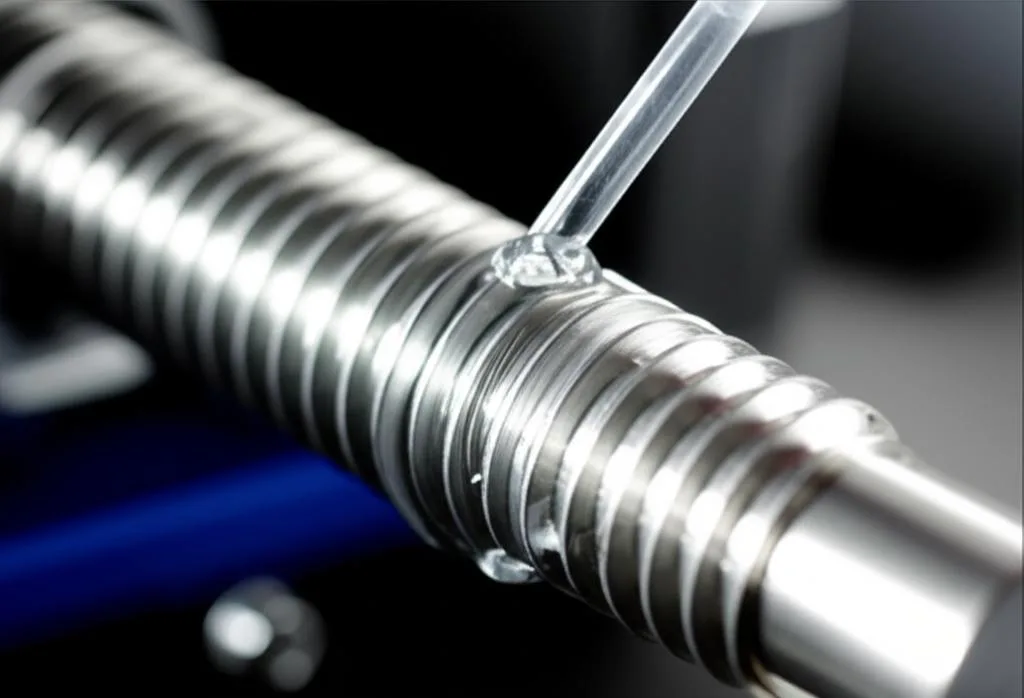
Bambu Lab’s split is a good default: lubricating oil for linear guides, slide rails and steel shafts; grease for lead screws and, on its printers, to quieten noise between belts and idler pulleys. Oil can also go on a lead screw, but Bambu Lab notes it evaporates more easily, so it needs reapplying more often.
Bambu Lab sells its own grease and oil. As alternatives for lead screws it lists Lucas Oil 10533 White Lithium Grease, BX-300/F food-grade high-temperature grease and Super Lube 92003 silicone grease with PTFE. For noisy linear bearings on the X1 it points to Super Lube 52004 synthetic lightweight oil. Prusa ships Prusa Lubricant with the MK4 for the rods and bearings. If you replace a maker’s product, Bambu Lab’s advice is to match its viscosity and temperature resistance.
What about WD-40?
It depends on the product and the part. Bambu Lab approves only the original WD-40 Multi-Use Product, and only as an oil for the Y-axis guide rail of the A1 and A1 mini. It explicitly rules out other WD-40-branded products, such as the Specialist sprays and greases. It is not on any list here for lead screws. igus warns that lubricants like WD-40 can leave residue on its plastic bearings once dry, which can increase wear and noise.
Smooth rods and linear bearings
Many printers guide their axes with polished steel rods and linear ball bearings (8 mm rods on the Bambu Lab X1). Prusa’s routine for the MK4 and MK3.9, part of the checks it runs every 200 hours of printing:
- Run two or three fingers slowly along each rod while turning them around it. Check any scratch with a fingernail; a grooved rod needs replacing, not oiling.
- Wipe the rods with a clean paper towel.
- Apply a small amount of lubricant and move the axis to spread it.
- Only if the axis still feels rough after cleaning and lubricating: take the bearings out, clean them with alcohol and grease them on the inside, again with a small amount.
Bambu Lab’s X1 uses LMU8 bearings on 8 mm rods for the Y and Z axes. The bearings are greased at the factory. Bambu Lab’s routine is mostly cleaning: check the rods monthly (every 5 rolls if you print ABS or ASA), wipe them with isopropyl alcohol, and every three months wipe them with a cloth sprayed with anti-rust oil. If a bearing makes an abnormal ball noise, grease it and slide it several times to work the grease in. Bambu Lab says the noise should not affect print quality, so this step is optional.
How to lubricate the Z lead screw
First, check that your printer’s manufacturer wants it. Bambu Lab’s X1 and P1 series have three Z lead screws that need regular greasing. Prusa’s MK4/MK3.9 maintenance guide says not to lubricate the Z lead screws or their trapezoid nuts. If your manual says nothing, a thin coat of grease on a steel screw with a brass nut is common practice. The steps below follow Bambu Lab’s X1 procedure.
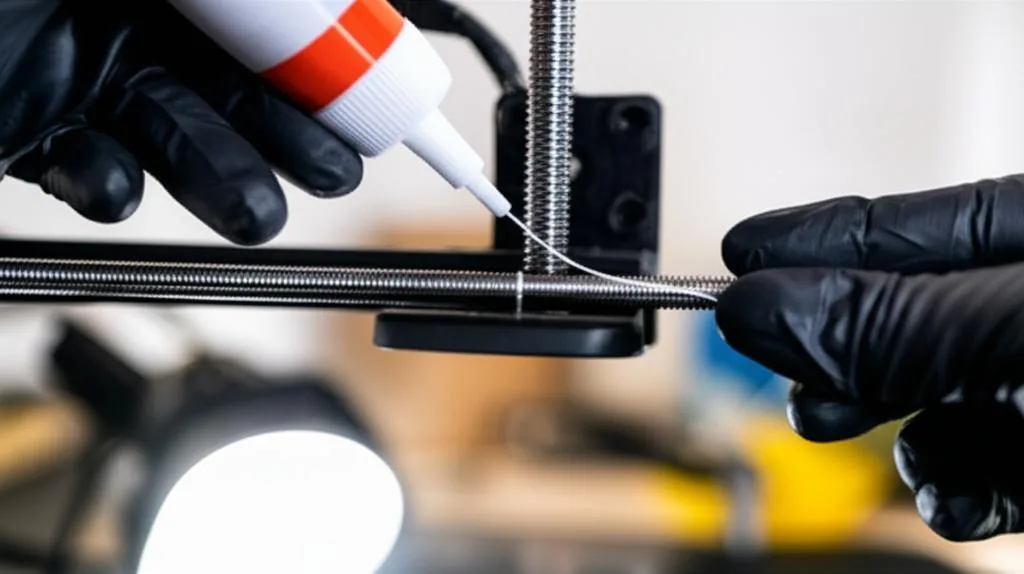
- Prepare. Remove the build plate and anything on the bed. Wear disposable gloves so you don’t spread grease to the plate or the frame.
- Clean. Wipe dust and plastic particles off the screws with a lint-free cloth. A cotton swab or small brush with isopropyl alcohol gets into the threads. Old, dirty grease has to go before new goes on.
- First coat. With the bed homed, apply a thin coat of grease along the exposed length of each screw.
- Second coat. Move the bed to a lower position, apply another thin coat to the newly exposed section, then home the printer again.
- Spread. Repeat the up-and-down move a few times so the grease is even along the screws and through the nuts.
- Wipe the excess. Clean off the grease that builds up close to the lead screw nuts. Left there, it collects dust.
- Test. Listen for grinding or squeaking on a few long Z moves and check the walls of the next print for regular banding.
Grease will not fix a bent screw, a coupler that is off-centre or a Z axis that is out of alignment. If you see a regular wave on the walls that repeats with the screw’s pitch, check those parts before adding more grease.
Linear rails: clean, pack, wipe
Rail carriages hold the lubricant inside, around the recirculating balls. The rail surface itself should stay almost dry. LDO’s method for new or re-lubricated rails:
- Remove shipping oil or old grease by soaking the rail in isopropyl alcohol of 90% or better for about 10 minutes, moving it around, then let all the IPA evaporate.
- Use an NLGI 0 or 1 grease (Nero 3D’s recommendation, quoted by LDO). Common picks among Voron builders are Mobilux EP1 or EP2, Super Lube 21030 and white lithium grease.
- Pack the carriage with the “flip and pack” method through the rail’s mounting holes. This needs access to the back of the rail, so do it before installation.
- Run the carriage back and forth and wipe the rail. LDO warns that grease on the rail surface attracts dust and hair, which ends up inside the carriage.
Re-greasing intervals, preload and why you shouldn’t slide carriages off the rail are covered in linear rails vs V-rollers.
What not to lubricate
- Carbon fibre rods. Bambu Lab says oil and grease must not be applied to the X-axis carbon rods of the X1 and P1 series. Grease causes abnormal resistance and is hard to clean. Wipe them with isopropyl alcohol and a dust-free cloth; with ABS or ASA, Bambu Lab suggests cleaning every 5 rolls.
- Prusa MK4/MK3.9 Z lead screws and nuts. Prusa says no lubricant.
- Self-lubricating plastic bushings. igus says its polymer bearings do not need oil or grease. In its own test, dry and lubricated bearings showed similar wear.
- Belts. None of the manufacturer guides above asks for lubricant on a belt. Prusa’s routine for belts and pulleys is to remove debris and check tension. Bambu Lab’s grease goes on the idler pulleys only where its guide says so. Loose belts cause layer shifts and ringing, which oil won’t cure.
- V-slot wheels. The plastic wheels on Ender-style printers usually turn on sealed ball bearings and roll on the bare extrusion. None of the guides above lists them for lubrication. Keep the track clean, and if a carriage wobbles or squeaks, adjust the eccentric nut instead.
- Anything near the hotend, the extruder gears or the build plate. Follow the extruder maintenance page for your printer; a drip on the plate ruins adhesion.
Common lubrication mistakes
- Too much. Prusa, Bambu Lab and LDO all ask for a thin coat or a small amount. Excess collects dust and filament debris into an abrasive paste.
- New lubricant on old dirt. Clean first, every time.
- A generic rule over the manual. The Prusa and Bambu Lab lead screw instructions are opposite. Your printer’s page decides.
- Blaming lubrication for every noise. A dry rod squeaks or grinds when you move it by hand. A hum or whine that follows the motors is stepper noise, and wavy echoes after corners are ringing, not friction.
- Oiling a worn part. A grooved rod or a nut with play needs replacing. Lubrication slows wear; it doesn’t reverse it.
Frequently asked questions
How often should I lubricate my 3D printer?
Follow your printer’s schedule. Prusa includes rod lubrication in the checks it recommends every 200 hours of printing on the MK4, and Bambu Lab asks for the lead screws to be checked and greased every three months. With no manufacturer figure, check when an axis starts to feel rough or sound dry, and clean more often in a dusty room.
What is the best lubricant for a 3D printer lead screw?
A grease, applied thinly. Bambu Lab uses its own lubricant grease and lists white lithium grease, BX-300/F food-grade grease and Super Lube 92003 silicone grease with PTFE as alternatives. Check first that your printer’s lead screws should be lubricated at all: Prusa says not to on the MK4.
Can I use WD-40 on my 3D printer?
Only where the manufacturer allows it. Bambu Lab approves the original WD-40 Multi-Use Product for the A1 series Y-axis guide rail and rules out other WD-40 products. For lead screws, use grease; on plastic bushings, use nothing.
How do I know my 3D printer needs lubrication?
Switch the printer off and move each axis by hand: rough spots, uneven resistance or a squeak mean the rod, rail or screw needs cleaning and fresh lubricant. Grinding or rattling noises during a print point the same way. If layers shift, check belt tension and binding first (see layer shifts), because lubrication rarely fixes that on its own.