For everyday cleaning, wipe the cold build plate with isopropyl alcohol and a clean paper towel or microfibre cloth: Prusa uses about 90% IPA on its PEI sheets, UltiMaker more than 95% on its flexible plate. When alcohol stops restoring adhesion, wash the plate with warm water and a little dish soap, rinse and dry it fully. Glass plates handle a proper wash well; UltiMaker cleans its glass with lukewarm water and a non-abrasive sponge.
The surface decides what to avoid. Never use acetone on textured PEI or BuildTak; on smooth PEI Prusa allows it only once or twice a month. UltiMaker advises against water on its flexible plate. The table below sorts it out per surface, with values from Prusa, Bambu Lab, UltiMaker and BuildTak care instructions linked at the end.
The consumer toolchanger 3D printer: the SnapSwap 4-toolhead system swaps heads in 5 seconds for true multi-color and multi-material printing, with smart calibration and auto filament loading.
- 4 toolheads · 5 s swap
- Up to 500 mm/s · 20,000 mm/s²
- 270 mm cube build volume
- Multi-color & multi-material
Build plate cleaning in 60 seconds
- Let the plate cool to room temperature and remove any leftover plastic with a plastic or round-cornered scraper.
- Wipe with 90%+ IPA on an unscented paper towel or microfibre cloth.
- If adhesion is still poor, wash with warm (not hot) water and a few drops of dish soap, unless your plate’s maker says no water.
- Rinse, dry completely and handle the plate by its edges from then on.
- Smooth PEI only: if a wash is not enough, an occasional acetone wipe. Textured PEI: never acetone.
Cleaning method by build surface
| Surface | Routine cleaning | Deep cleaning | Avoid | Source |
|---|---|---|---|---|
| Glass (UltiMaker S3/S5) | Check before every print; clean after several prints or at least monthly | Lukewarm water and a non-abrasive sponge; detergent for adhesive, alcohol gel for grease | Cleaning while warm, abrasive pads, refitting it wet | UltiMaker |
| Smooth PEI on spring steel (Prusa) | ~90% IPA or denatured alcohol, sheet cold, unscented paper towel | Acetone 1–2 times a month; light sanding with 600–1000 grit after 1–2 years | Skin-care products, which leave oils | Prusa |
| Textured PEI (Prusa) | ~90% IPA or denatured alcohol, sheet cold | Warm (not hot) water and a few drops of dish soap, sparingly: the sheet is not waterproof | Acetone, metal spatulas, hot water, the freezer | Prusa |
| Textured PEI (Bambu Lab) | Wash with dish detergent | Scrub with a sponge, scouring pad or plastic brush; renew with fine sandpaper or steel wool | Acetone; detergents with oils or moisturisers | Bambu Lab |
| Flexible build plate (UltiMaker S7/S8) | More than 95% IPA on a microfibre cloth, long strokes in one direction | Same | Water (rust), paper towels (fibres) | UltiMaker |
| BuildTak | Nothing stronger than rubbing alcohol | No stronger cleaner recommended | Acetone and other heavy-duty solvents, sharp-edged scrapers | BuildTak |
Notice the two textured PEI rows. Prusa treats a soap wash as a last resort because its textured sheet is not waterproof; Bambu Lab makes a detergent wash its standard method. Both are powder-coated PEI, but they are different products, so follow the instructions for the plate you own. If you are still choosing a surface, see flexible PEI versus glass.
How to clean a glass build plate
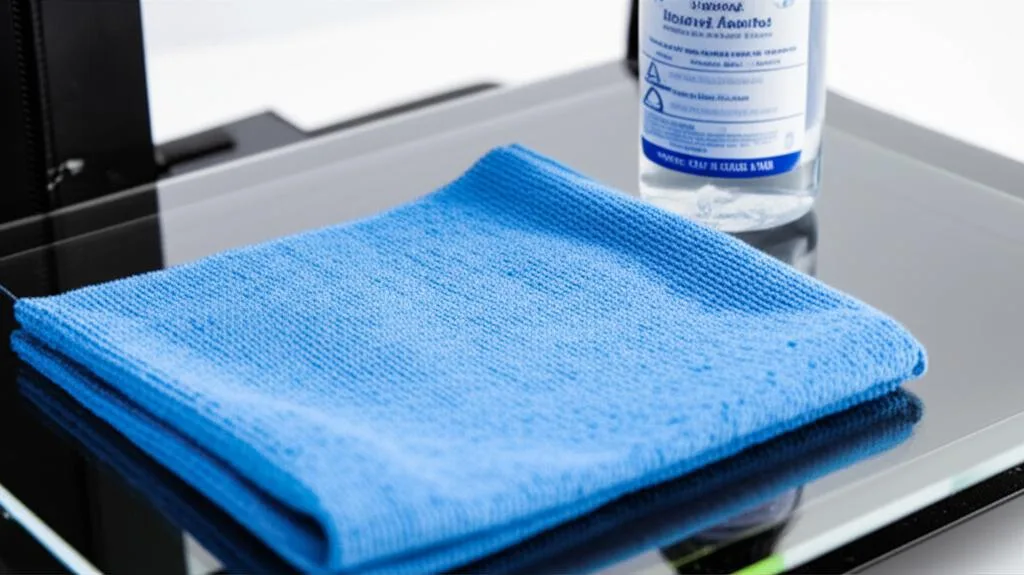
Glass is the easiest surface to wash because water and detergent don’t harm it. UltiMaker’s procedure for the glass plate on its S3 and S5 printers:
- Let it cool. Make sure the build plate has cooled down and lower it before you remove the glass.
- Take the glass out of its clamps. Keep it flat until it is clear of the rear clamps so you don’t damage them.
- Wash it with lukewarm water and a non-abrasive sponge. This also removes old glue. Add a little detergent if adhesive won’t come off, or use alcohol gel for greasy marks.
- Dry it. Let it air dry or wipe it with a microfibre cloth. It must be completely dry before it goes back in the printer.
- Prepare the surface. UltiMaker recommends a thin, even layer of glue on glass for most materials to improve adhesion.
- Refit it and close all the clamps before raising the bed.
UltiMaker suggests cleaning glass after several prints or at least once a month, and its water wash removes old glue as well, so there is no need to scrape glue off. After refitting a removable glass plate on a printer without automatic levelling, check your first layer again; our Z-offset guide shows how.
How to clean a smooth PEI sheet
- Before most prints: wipe the sheet with about 90% IPA or denatured alcohol on an unscented paper towel. Prusa specifies a cold sheet.
- When prints start letting go: wash with warm water and a few drops of dish soap to remove oils that alcohol leaves behind, then dry thoroughly.
- When that isn’t enough: Prusa allows cleaning its smooth PEI sheet with acetone about 1–2 times a month.
- After a year or two of use: if adhesion has faded for good, Prusa says the surface can be revived with light sanding using 600–1000 grit paper, which exposes fresh PEI. Clean off the dust before printing.
Some materials stick too well to smooth PEI rather than too little. Prusa asks for a thin separation layer such as glue stick when printing PETG, ASA, ABS and PC Blend on its smooth sheet, because they bond to it too strongly. Our guide to glues for PLA and PETG compares the options.
How to clean a textured PEI sheet
The texture traps grease that a quick wipe can miss. Bambu Lab explains that on a textured surface alcohol may just spread the oils around, while a detergent and a sponge reach into the texture. Its method for the Textured PEI Plate:
- Wet the plate with water.
- Spread dishwashing detergent evenly over it. Use one without added oils or moisturisers.
- Scrub until it foams. A scouring pad or plastic brush reaches into the grooves better than a plain sponge.
- Rinse off the detergent with clean water and dry the plate.
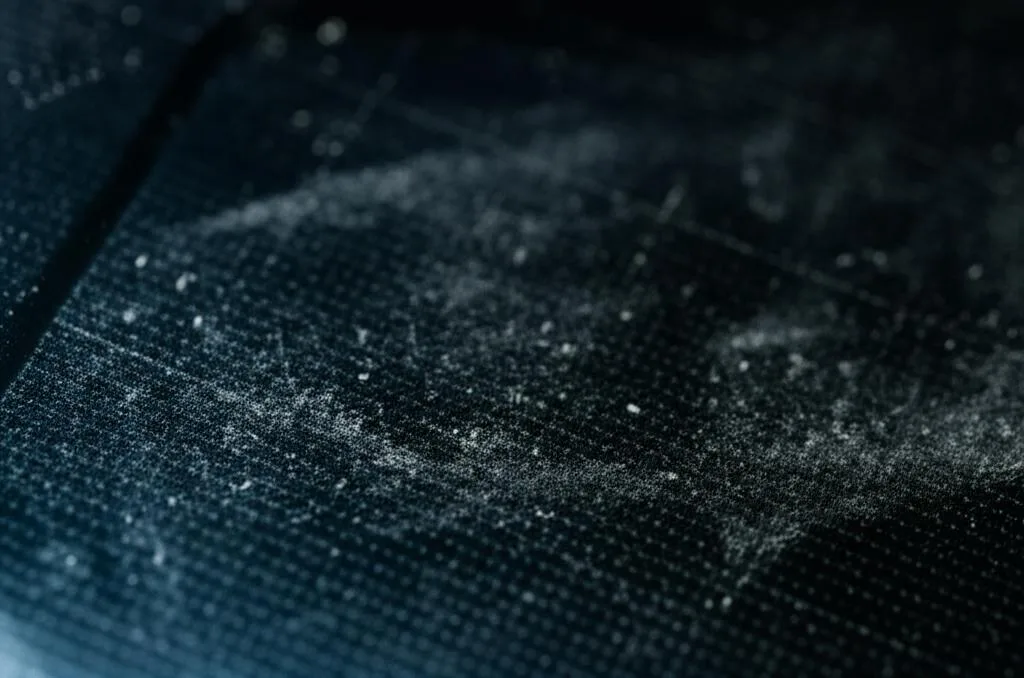
Check the result with water. Bambu Lab’s test: on a dirty plate, water runs off in streams and beads into droplets; on a clean plate it spreads into a thin film. If adhesion is still weak on a worn Bambu Lab textured plate, it says sanding with fine sandpaper or steel wool creates a fresh surface, provided you wash off all the sanding debris.
Prusa textured sheets are handled more gently. Clean them with about 90% IPA when cold, and wash with warm, not hot, water and a few drops of dish soap only when adhesion drops, because the sheet is not waterproof. Never use acetone, which Prusa says deteriorates the surface. Use plastic scrapers rather than metal spatulas, since the coating is not scratch resistant.
Flexible plates, BuildTak and other surfaces
- UltiMaker flexible build plate: more than 95% IPA on a microfibre cloth, wiped in long strokes in one direction, on both sides. UltiMaker advises against water because it can cause rust, and against paper towels because they can leave fibres.
- BuildTak: nothing stronger than rubbing alcohol, and no heavy-duty solvents such as acetone. Remove prints with a spatula or putty knife with rounded corners; sharp edges speed up wear.
- Magnetic and other coated sheets: care instructions vary by coating, so check the manufacturer’s page before using anything stronger than IPA. If prints keep letting go on a magnetic plate, see adhesion problems on magnetic build plates.
Common build plate cleaning mistakes
- Using products meant for skin. Prusa warns that anything made for skin can contain oils that ruin adhesion, and Bambu Lab rules out detergents with oils or moisturisers.
- Acetone on the wrong surface. It damages textured PEI and BuildTak, and even smooth PEI only gets it occasionally.
- Cleaning a hot plate. Prusa and UltiMaker both clean plates only once they have cooled, which also avoids burns from the bed and nozzle.
- Touching the surface after cleaning. Bambu Lab shows fingerprints that are invisible on the plate but appear in the first layer. Hold the plate by its edges.
- Printing on a damp plate. UltiMaker wants glass completely dry before refitting, and warns that water can cause rust on its flexible plate. Dry any plate fully after washing.
- Blaming the plate for a height problem. If a clean plate still doesn’t hold prints, check the first-layer height and bed temperature next. Our prints not sticking to the bed guide goes through the causes in order.
Frequently asked questions
What is the best thing to clean a 3D printer bed with?
For routine cleaning, isopropyl alcohol of about 90% or stronger on a clean, unscented paper towel or microfibre cloth. For a deeper clean, warm water with a few drops of dish soap removes oils that alcohol leaves behind. Check your plate’s instructions first: some flexible plates should not be washed with water.
Can I use acetone on a PEI build plate?
Only on smooth PEI, and only occasionally: Prusa allows it about once or twice a month on its smooth sheet. Never use acetone on textured PEI; both Prusa and Bambu Lab say it damages the surface. BuildTak also advises against it.
How often should I clean the build plate?
Prusa recommends a quick alcohol wipe before almost every print on its PEI sheets. UltiMaker suggests washing a glass plate after several prints or at least once a month. Wash sooner whenever prints start coming loose.
Can I wash a textured PEI sheet with soap and water?
Bambu Lab recommends exactly that for its Textured PEI Plate: dish detergent, a sponge or plastic brush, a rinse and a dry. Prusa allows warm water and dish soap on its textured sheet only sparingly, because that sheet is not waterproof. Follow the maker of your plate.