The relentless drive towards miniaturization has fundamentally reshaped numerous scientific and industrial landscapes, from advanced electronics to sophisticated biomedical implants. As conventional fabrication methods reach their inherent limits in terms of resolution and three-dimensional complexity, a groundbreaking technique known as two-photon polymerization (TPP) has emerged as a frontrunner. TPP, a potent form of micro 3D printing, offers unparalleled precision, enabling the creation of intricate structures and micro-devices with feature sizes well below the diffraction limit of light. This guide delves into the nuances of TPP, providing an objective comparison of the various system architectures, material considerations, and cost structures involved in leveraging this advanced additive microfabrication technique for nanoscale manufacturing.
Understanding two-photon polymerization: the core technology
The consumer toolchanger 3D printer: the SnapSwap 4-toolhead system swaps heads in 5 seconds for true multi-color and multi-material printing, with smart calibration and auto filament loading.
- 4 toolheads · 5 s swap
- Up to 500 mm/s · 20,000 mm/s²
- 270 mm cube build volume
- Multi-color & multi-material
At its heart, two-photon polymerization is a sophisticated additive manufacturing process that harnesses the principles of non-linear optics to achieve ultra-high resolution. Unlike traditional single-photon absorption, which relies on linear light absorption and is limited by the diffraction barrier, TPP utilizes a femtosecond laser to induce a two-photon absorption event. This occurs when two photons, each carrying half the energy required for polymerization, simultaneously interact with a photoinitiator molecule within a photosensitive resin.
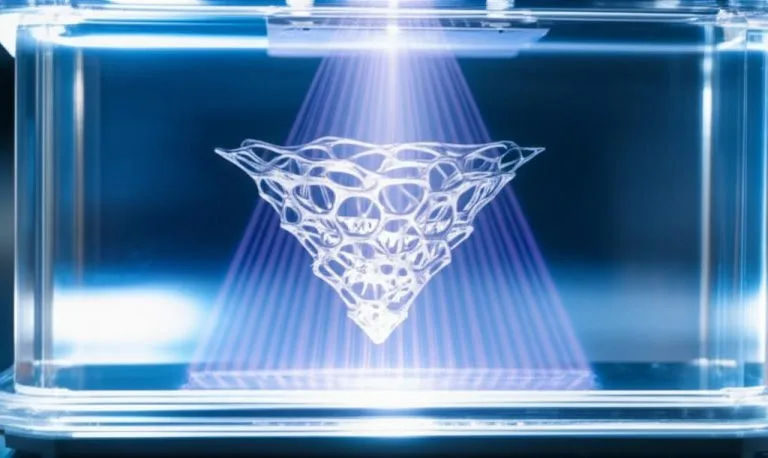
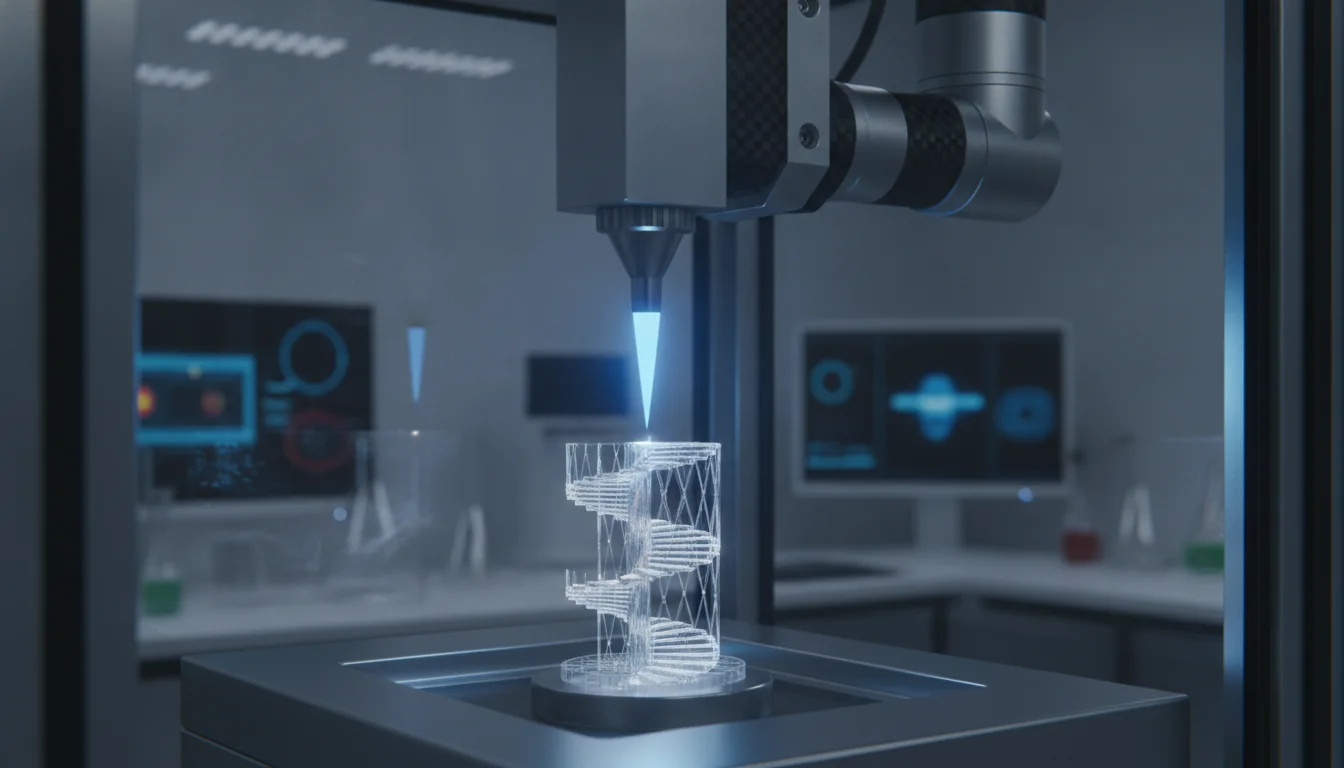
- Mechanism: The simultaneous absorption of two photons is a non-linear process that only happens in the extremely tight focal volume of a high-intensity pulsed laser. This highly localized energy deposition leads to the polymerization (hardening) of the resin exclusively at the focal point, creating a tiny solid voxel. By precisely scanning this focal point in three dimensions, complex, truly 3D structures can be built layer-by-layer, or rather, voxel-by-voxel.
- Key Advantages: TPP offers several distinct benefits. Its most celebrated feature is its ability to achieve sub-diffraction-limit resolution, often down to 100 nanometers or even finer. This makes it ideal for nanoscale manufacturing. Furthermore, because polymerization occurs only at the focal point, unpolymerized resin above and below the focal plane remains liquid, allowing for the creation of intricate, suspended, and truly arbitrary 3D geometries without the need for support structures. The process is also compatible with a wide array of materials, including polymers, and through subsequent processing, even ceramics and metals.
- Inherent Challenges: Despite its advantages, TPP is not without its limitations. The non-linear absorption process is inherently slow compared to some other 3D printing methods, particularly for larger structures. The capital cost of TPP systems, primarily driven by the femtosecond laser source, is also significantly higher. Moreover, the material library, while growing, is still somewhat specialized, often requiring custom photoinitiator formulations for specific applications.
Diverse applications of TPP in micro-scale device fabrication
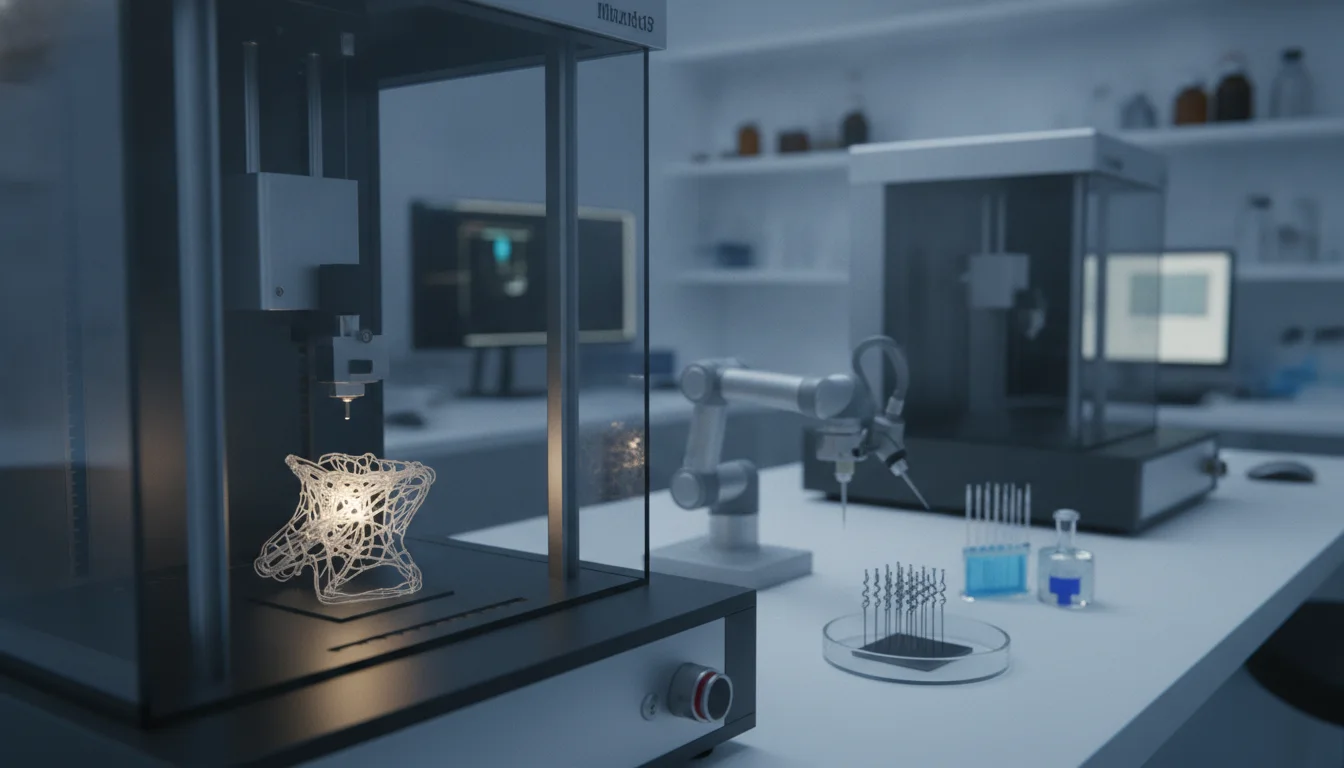
The unparalleled precision of two-photon polymerization opens doors to fabricating devices and components that were previously impossible or exceedingly difficult to produce. Its impact is particularly profound in fields demanding intricate geometries and high-resolution printing.
- Micro-optics and Photonics: TPP is a game-changer for fabricating freeform micro-lenses, diffractive optical elements, waveguides, and even complex photonic crystals. Its ability to create smooth, arbitrary surfaces makes it ideal for custom optical components that can be integrated directly onto chips or fibers.
- Biomedical and Life Sciences: In the biomedical arena, TPP is revolutionizing the creation of intricate cell scaffolds with precisely controlled porosity and architecture for tissue engineering. It’s used for manufacturing microneedle arrays for painless transdermal drug delivery, highly detailed microfluidic devices, lab-on-a-chip components, and bespoke implantable micro-devices and sensors with biocompatible materials.
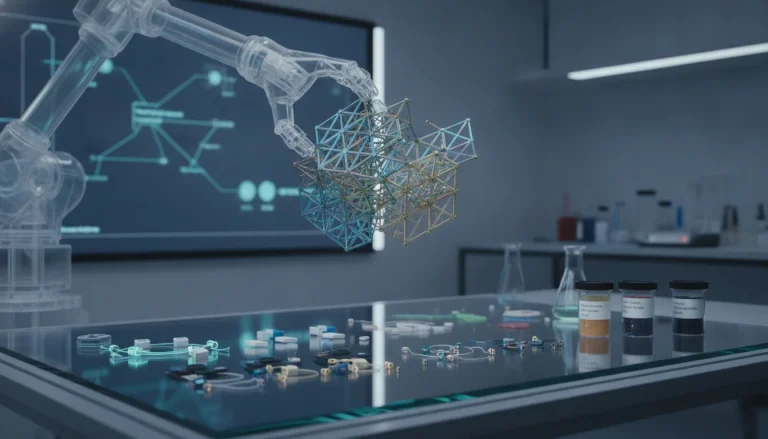
- Micro-electromechanical Systems (MEMS) and Micro-robotics: The fabrication of functional micro-gears, actuators, grippers, and other miniature robotic components benefits immensely from TPP’s ability to create complex, moving parts at the micro-scale.
- Metamaterials and Nanophotonics: TPP enables the creation of custom metamaterials – engineered materials with properties not found in nature – and nanophotonic structures, pushing the boundaries of light manipulation and material science.
- Advanced Sensors: Ultra-sensitive sensors with complex, high-surface-area sensing elements or intricate fluidic channels can be precisely fabricated using TPP, leading to improved detection capabilities.
Choosing the right TPP system involves weighing various factors, each impacting performance, capabilities, and overall cost. There is no universally “best” system; rather, the optimal choice depends heavily on specific application requirements, desired resolution, throughput needs, and budget constraints.
System architectures and throughput
- Galvanometer-Scanner Based Systems: These systems utilize rapidly moving mirrors (galvanometers) to steer the laser beam across the resin. They offer relatively faster scanning speeds, making them suitable for fabricating larger microstructures or arrays of micro-devices. Their advantage lies in covering a broader area more quickly, but they can introduce stitching errors when combining multiple scan fields, and their ultimate resolution might be slightly less precise compared to piezo-stage systems.
- Piezo-Stage Based Systems: In contrast, piezo-stage systems move the entire sample stage with extreme precision using piezoelectric actuators while the laser beam remains stationary or moves minimally. These systems excel in achieving the absolute highest resolution and minimal stitching errors, making them ideal for nanoscale features and single, ultra-high-precision objects. However, their build speed is inherently slower due to the mechanical movement of the stage, and their effective build volume per scan is typically smaller.
- Hybrid Approaches: Some advanced TPP systems combine both technologies, using galvo scanners for rapid, coarse positioning over larger areas and piezo stages for fine, high-resolution detailing. This approach aims to leverage the strengths of both, offering a balance of speed and precision, but often comes with increased complexity and a higher price tag.
Laser sources: the heart of the system
The femtosecond laser source is arguably the most critical and often the most expensive component of a TPP system. Its characteristics directly influence the achievable resolution, processing speed, and material compatibility.
- Wavelength: Common wavelengths (e.g., 780 nm, 1040 nm) dictate the penetration depth into the resin and influence the efficiency of two-photon absorption for different photoinitiators. Shorter wavelengths generally allow for higher resolution, while longer wavelengths can penetrate deeper, reducing scattering.
- Pulse Duration: Ultrafast pulse durations (typically 100-300 fs) are essential to concentrate enough energy for two-photon absorption without causing thermal damage to the surrounding material.
- Repetition Rate: Higher repetition rates (e.g., 80 MHz) allow for faster scanning speeds and thus higher throughput, as more pulses are delivered per unit time.
- Average Power: While crucial for speed, the average power must be carefully balanced to avoid over-exposure and material damage.
- Cost Implications: The choice of laser significantly impacts capital expenditure. More stable, higher power, or tunable wavelength lasers are typically more expensive. Reliability and expected lifespan are also key considerations for long-term operational costs.
Photopolymer resins: the building blocks
The photosensitive resins used in TPP are specialized and critical for the success of the fabrication process. Their properties dictate the characteristics of the final printed structure.
- Material Classes: Common types include acrylates, epoxies, and hybrid organic-inorganic materials (e.g., ORMOCOMP®). Each class offers different mechanical, optical, and chemical properties.
- Key Properties: Considerations include mechanical stiffness, elasticity, toughness, optical transparency, refractive index, chemical resistance, and for biomedical applications, biocompatibility and degradation rates. The viscosity of the resin also affects ease of handling and processing.
- Cost and Availability: Proprietary resins, often optimized for specific TPP systems, tend to be more expensive per volume but offer guaranteed performance. Third-party or custom-formulated resins can be more cost-effective but require extensive validation and optimization for specific system parameters.
Software and control interfaces
The accompanying software is vital for design, slicing, and control of the TPP process. User-friendliness, CAD integration capabilities, real-time process monitoring, and the ability to fine-tune printing parameters are crucial for efficient operation and successful fabrication. Software licensing models (perpetual vs. subscription) also contribute to the total cost of ownership.
Ancillary equipment and environmental control
Beyond the core TPP system, several ancillary components and environmental controls are often necessary for optimal performance, especially for high-resolution and reproducible work.
- Vibration Isolation: High-precision systems demand excellent vibration isolation, often requiring specialized tables to prevent external disturbances from affecting print quality.
- Environmental Control: Temperature and humidity control are critical, as variations can impact resin properties and system stability. A cleanroom or controlled environment might be necessary for certain applications.
- Post-processing Units: Equipment for developing (removing unpolymerized resin, often using solvent baths) and post-curing (e.g., UV exposure for increased mechanical strength) are essential.
- Fume Extraction: Proper ventilation is required for handling resins and solvents.
Deconstructing the cost structure in TPP microfabrication

Understanding the financial implications of adopting TPP technology requires a comprehensive look at both initial capital investment and ongoing operational costs. The cost structure can vary dramatically based on the chosen system’s capabilities, target applications, and expected utilization.
Initial capital investment
- System Base Price: TPP systems range widely in price. Entry-level or benchtop research units might start from approximately €150,000 to €300,000. High-end research platforms or industrial-grade systems with advanced features, higher throughput, and greater stability can easily exceed €500,000, potentially reaching over €1,000,000 for highly customized or specialized setups.
- Laser Module: As noted, the femtosecond laser is a significant cost driver. Its specific characteristics (wavelength, power, stability, tunability) directly correlate with its price.
- Optical and Mechanical Subsystems: The precision of the optical path, scanners, and stages contributes substantially to the overall cost. High-quality components are essential for achieving and maintaining nanoscale resolution.
- Software Licenses: Initial purchase costs for proprietary control and design software can be a notable expense, sometimes accompanied by annual maintenance or subscription fees.
- Installation and Training: These are often bundled with the system purchase but can represent a separate cost, particularly for complex installations.
- Infrastructure Upgrades: Preparing a facility for a TPP system might require investments in electrical upgrades, HVAC modifications for environmental control, and potentially cleanroom construction or modification.
Operational costs (ongoing)
- Consumables:
- Resins: Highly specialized TPP resins are a significant ongoing cost. Proprietary resins from system manufacturers can range from €500 to €2,000 or more per 100ml, depending on the material properties and application. While third-party or custom formulations might offer lower per-volume costs, they require extensive validation and optimization, incurring R&D expenses.
- Photoinitiators: While used in small quantities, specific high-performance photoinitiators can be costly.
- Solvents: For developing the printed structures (e.g., isopropanol, acetone).
- Maintenance and Service:
- Preventative Maintenance Contracts: Annual service contracts are common and can represent 5-10% of the system’s initial cost, covering regular check-ups and calibrations.
- Spare Parts: Replacement of optics, laser diodes, or other wear-and-tear components can be expensive.
- Laser Lifespan and Replacement: Femtosecond lasers have a finite operational lifespan (e.g., 10,000-20,000 hours). Replacing the laser module or its key components can be a major, infrequent cost.
- Utilities: Power consumption for the laser, chillers, computers, and environmental control systems contributes to running costs. Some processes might also require inert gas atmospheres.
- Labor: Operating a TPP system effectively requires highly skilled technicians and researchers who understand the intricacies of the process, material science, and design. Labor costs, particularly for process development and optimization, can be substantial.
- Research and Development: For novel applications, significant time and resources are often dedicated to optimizing printing parameters, characterizing new materials, and validating processes.
Total cost of ownership (TCO) considerations
When evaluating TPP solutions, it is prudent to consider the total cost of ownership over the expected lifespan of the system. For academic research or proof-of-concept development, the initial capital investment and capability might be paramount. However, for potential industrial applications or batch production, the cost per part becomes a critical metric, heavily influenced by throughput, material efficiency, and ongoing operational expenses. The utilization rate of the system also plays a significant role; a highly utilized system amortizes its fixed costs more efficiently.
Challenges and future directions in TPP
The consumer toolchanger 3D printer: the SnapSwap 4-toolhead system swaps heads in 5 seconds for true multi-color and multi-material printing, with smart calibration and auto filament loading.
While TPP has revolutionized microfabrication, ongoing research aims to address current limitations and expand its capabilities.
- Speed and Throughput: Efforts are focused on increasing fabrication speed for larger structures and higher volume production. Techniques like multi-focal TPP (using multiple laser foci simultaneously) or multi-beam TPP are being explored to achieve parallel processing.
- Material Palette Expansion: Developing new photosensitive resins with enhanced mechanical, electrical, or biological properties is a key area of research. This includes direct printing of conductive materials, high-strength ceramics, and a broader range of biocompatible and biodegradable polymers.
- Integration with Other Techniques: Combining TPP with other microfabrication methods (e.g., conventional photolithography, etching, thin-film deposition) can enable the creation of complex hybrid devices with diverse functionalities.
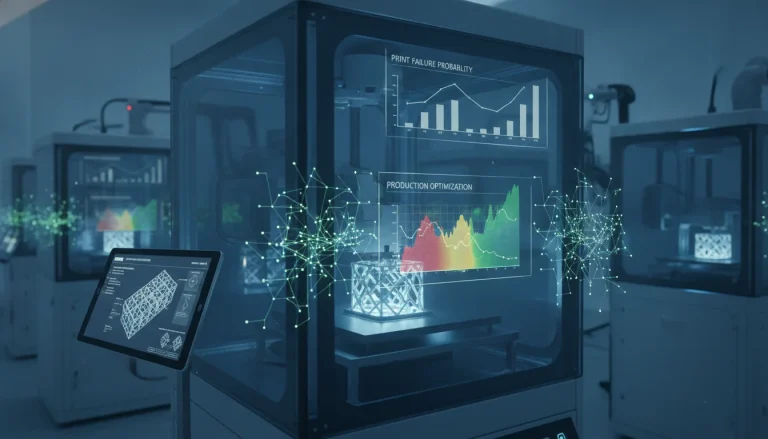
- Automation and AI: Increasing automation in TPP systems, coupled with artificial intelligence and machine learning for process optimization and quality control, will enhance reproducibility and reduce reliance on manual intervention.
Conclusion

Two-photon polymerization stands as a pinnacle of advanced 3D printing, offering unprecedented resolution and true 3D fabrication capabilities for micro- and nanoscale manufacturing. Its transformative potential is evident across diverse fields, from micro-optics and biomedical engineering to advanced materials science. However, selecting and implementing a TPP solution requires a meticulous evaluation of various factors, including system architecture, laser specifications, material compatibility, and a comprehensive understanding of the initial capital outlay and ongoing operational costs. By objectively comparing the features and cost implications of different TPP systems and components, researchers and industrial stakeholders can make informed decisions, harnessing the power of this cutting-edge technology to push the boundaries of ultra-precision micro-scale device fabrication.
Frequently asked questions
What is the typical cost per part when using two-photon polymerization for small production runs?
Cost per part is highly variable and depends heavily on throughput, material efficiency, and system utilization. For a single high-resolution prototype, the dominant cost is the skilled labor and system time for process development and printing, not the resin volume itself, since a single 100ml bottle of proprietary resin (€500–€2,000) can print many tiny microstructures. For small batch runs, the system’s slow build speed means hourly machine time (amortized from the €150,000–€1,000,000+ capital cost) and labor for post-processing typically far outweigh consumable costs.
Can two-photon polymerization print directly onto existing substrates like silicon wafers or optical fibers?
Yes, TPP is commonly used to print directly onto substrates such as silicon wafers, glass slides, and optical fiber end-faces for applications like integrated micro-optics and on-chip sensors. The substrate is simply placed in the resin vat or a drop of resin is applied to it, and the laser focal point is positioned relative to the substrate surface. Successful printing requires the substrate to be optically transparent to the laser wavelength or the laser to be focused through the resin from the opposite side, and the substrate must be clean and compatible with the development solvent.
What are the most common mistakes beginners make when first using a TPP system?
The most frequent mistakes are insufficient vibration isolation and inadequate environmental control, which introduce drift and ruin nanoscale prints. Another common error is using incorrect laser power or scan speed, leading to either under-polymerization (the structure washes away during development) or over-exposure (blown-out features and poor resolution). Beginners also often underestimate the importance of thoroughly validating and calibrating the resin’s photoinitiator concentration and the exact focal point position relative to the substrate-resin interface.