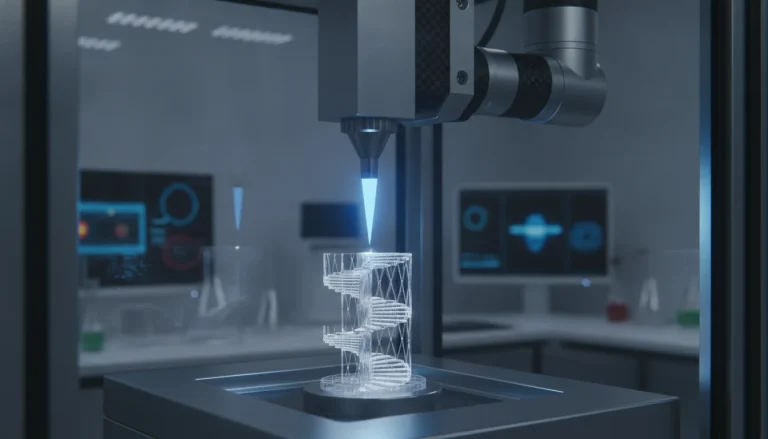

In the evolving landscape of additive manufacturing, 4D printing stands out as a transformative paradigm, pushing the boundaries of what 3D printed objects can achieve. While 3D printing creates static objects layer by layer, 4D printing introduces a fourth dimension: time. This innovative approach imbues printed structures with the ability to change shape, properties, or function over time, autonomously or in response to external stimuli. The allure of 4D printing lies in its capacity to create dynamic, self-assembling structures and programmable matter, opening up a myriad of applications across diverse industries, from biomedical to aerospace.
The essence of 4D printing: from static to dynamic
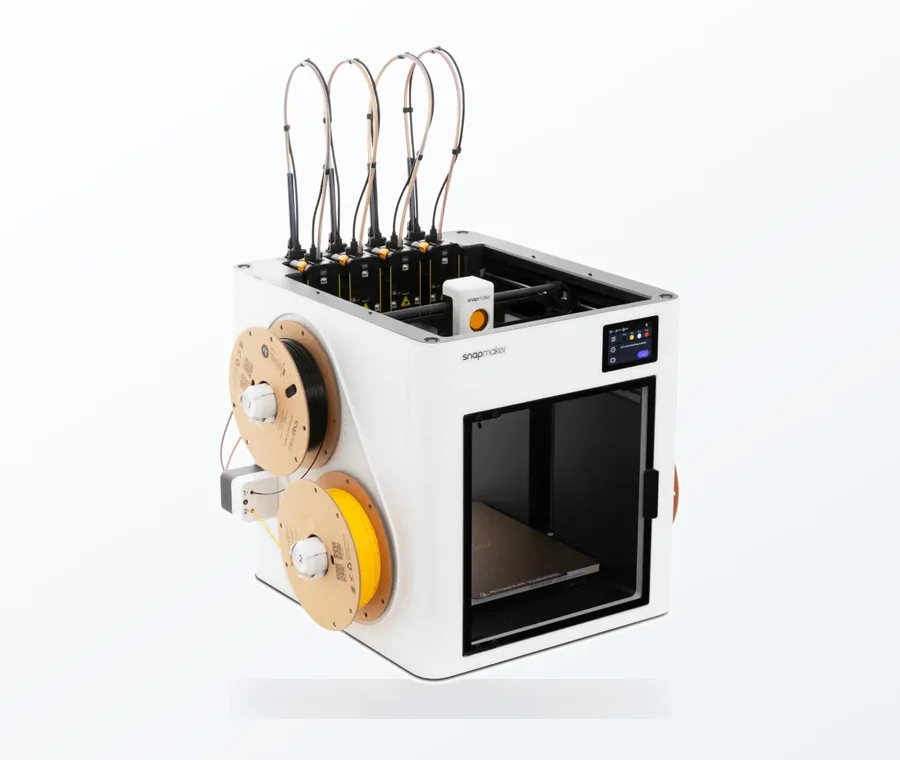
The consumer toolchanger 3D printer: the SnapSwap 4-toolhead system swaps heads in 5 seconds for true multi-color and multi-material printing, with smart calibration and auto filament loading.
- 4 toolheads · 5 s swap
- Up to 500 mm/s · 20,000 mm/s²
- 270 mm cube build volume
- Multi-color & multi-material
At its core, 4D printing is an advanced form of 3D printing that utilizes “smart materials” or “responsive materials.” These materials are engineered to react predictably to environmental cues such as heat, light, moisture, pH levels, electric or magnetic fields, or even mechanical stress. Unlike traditional 3D printing, where the final product is fixed upon completion, a 4D printed object is designed with an inherent capability for transformation. This means that a flat, two-dimensional structure could fold itself into a complex three-dimensional object, or a rigid component could soften and adapt its form, all without human intervention post-fabrication.
The concept of “programmable matter” is central to 4D printing. It envisions materials that can be programmed at the micro-level to exhibit macro-level behavioral changes. This programming is achieved through careful material selection, precise architectural design of the printed object, and the strategic placement of different materials within a single print. The result is a structure that carries within it the instructions for its future transformations, making it truly adaptive and intelligent.
Smart materials: the heart of 4D printing

The choice of smart materials is paramount in 4D printing, directly influencing the type of transformation, the stimulus required, and the overall performance of the self-assembling structure. Each material class presents a unique set of features and associated cost implications, making material selection a critical design decision.
Shape memory polymers (SMPs)
- Features: SMPs are perhaps the most widely explored class of smart materials in 4D printing. They possess the ability to “remember” an original shape and return to it from a temporary, deformed shape upon exposure to an external stimulus, typically heat. This transformation is driven by a reversible phase transition, often related to their glass transition temperature. Some SMPs can also be activated by light or electricity. Their key features include a high shape recovery ratio, good mechanical properties in both temporary and permanent states, and tunable transition temperatures.
- Cost Implications: The cost of SMPs can vary significantly. Commodity SMPs, often based on polyurethane or polylactic acid (PLA), are relatively affordable, especially in bulk. However, specialized SMPs designed for specific activation temperatures, enhanced mechanical strength, or biocompatibility (e.g., for medical applications) can be considerably more expensive due to complex synthesis and purification processes. The printing process for SMPs typically uses fused deposition modeling (FDM) or stereolithography (SLA), which are well-established, but multi-material printers capable of combining SMPs with other materials increase equipment costs.
Hydrogels
- Features: Hydrogels are polymer networks that can absorb and retain large amounts of water, swelling or deswelling in response to changes in pH, temperature, ionic strength, or specific biomolecules. This volume change can be harnessed to induce shape transformations. They are particularly attractive for biomedical applications due to their biocompatibility and similarity to biological tissues. Their responsive nature makes them ideal for soft robotics and drug delivery systems.
- Cost Implications: Basic hydrogel precursors (e.g., polyacrylamide, polyethylene glycol) are generally inexpensive. However, custom-synthesized or functionalized hydrogels designed for specific biological responses or enhanced mechanical properties can incur higher costs. Printing hydrogels often requires specialized techniques like direct ink writing (DIW) or bioprinting, which demand precise control over rheology and curing, potentially increasing equipment and operational costs. Maintaining sterility for biomedical applications also adds to the overall expense.
Liquid crystal elastomers (LCEs)
- Features: LCEs combine the elastic properties of rubbers with the anisotropic ordering of liquid crystals. When heated or exposed to specific wavelengths of light, the liquid crystal domains reorient, causing a significant and anisotropic contraction or expansion of the material. This allows for complex, pre-programmed deformations like bending, twisting, or coiling in response to a uniform stimulus. LCEs offer high strain capabilities and rapid response times, making them suitable for actuators and artificial muscles.
- Cost Implications: LCEs are generally more expensive to synthesize than SMPs or basic hydrogels, as they involve complex polymerization and alignment processes. The precursors themselves can be costly. Printing LCEs often requires specialized photo-alignment techniques and precise control over light exposure during SLA or DLP printing, which adds to the complexity and cost of the printing apparatus and process. Their niche applications currently keep production volumes low, further contributing to higher unit costs.
Other responsive materials
- Thermosensitive materials: Beyond SMPs, other polymers can exhibit reversible changes in properties (e.g., stiffness, permeability) with temperature fluctuations.
- Photo-responsive materials: These materials change shape or properties when exposed to specific wavelengths of light. They offer highly localized and remote control over transformations.
- Electro- and magneto-responsive materials: Polymers embedded with conductive or magnetic particles can deform or move in response to electric or magnetic fields. These offer fast, precise, and often reversible actuation.
- Cost Implications: The cost structures for these materials vary widely. Integrating conductive or magnetic particles into polymers can increase material costs and necessitate specialized printing techniques to maintain particle distribution and prevent aggregation. The development of novel photo-responsive polymers is often research-intensive, leading to higher initial material costs.
Unlocking self-assembly: mechanisms and design principles
The true power of 4D printing lies in its ability to facilitate self-assembly, where simple, pre-programmed components spontaneously arrange themselves into complex structures. This is achieved through a meticulous interplay of material properties and geometric design.
- Differential swelling/contraction: By printing materials with varying responses to the same stimulus, or by printing a single responsive material in conjunction with a non-responsive one, differential stresses can be induced, leading to bending, folding, or curling.
- Hinged designs: Incorporating thin, flexible hinges or joints within a structure allows specific parts to fold or rotate, guided by the expansion or contraction of adjacent responsive elements.
- Multi-material printing: Advanced 4D printers can deposit multiple materials simultaneously, creating composite structures where each material responds differently to an external trigger, orchestrating a complex, multi-stage transformation.
- Geometric programming: The internal architecture of the printed object – such as the orientation of polymer chains, the distribution of active particles, or the design of internal voids – can encode the desired transformation pathway. This “morphing geometry” dictates how the object will deform.
Practical applications of 4D printing in smart structures

The potential applications of 4D printing are vast and continue to expand as research progresses. These applications often leverage the ability of structures to adapt, repair, or reconfigure themselves.
Aerospace and automotive
- Deployable structures: Space antennas, solar panels, or drone wings that can be printed compactly and then self-deploy in space or in the field, reducing launch volume and assembly complexity.
- Self-healing components: Materials embedded with microcapsules containing healing agents that release upon damage, extending the lifespan of critical parts.
- Adaptive aerodynamics: Aircraft wings or car body panels that can change shape in real-time to optimize airflow for different speeds or conditions, improving fuel efficiency and performance.
Biomedical and healthcare
- Drug delivery systems: Micro-devices that can encapsulate drugs and release them in a controlled manner, triggered by specific physiological conditions (e.g., pH in a tumor, temperature changes).
- Tissue engineering scaffolds: Biodegradable scaffolds that mimic the dynamic extracellular matrix, guiding cell growth and tissue regeneration, and degrading as new tissue forms.
- Soft robotics for minimally invasive surgery: Flexible, adaptive instruments that can navigate complex anatomical pathways with minimal trauma, changing shape to perform specific tasks.
- Smart implants: Implants that can adapt to changes in the body over time, such as growing with a child or adjusting stiffness to match surrounding tissues.
Construction and architecture
- Adaptive facades: Building exteriors that can autonomously adjust their shape or porosity in response to sunlight, temperature, or wind, optimizing energy efficiency and indoor comfort.
- Self-repairing infrastructure: Roads or bridges made with materials that can autonomously seal cracks, extending their service life and reducing maintenance costs.
- Shelters: Rapidly deployable emergency shelters that self-assemble from flat-packed components when exposed to water or heat.
Consumer goods and electronics
- Adaptive clothing: Textiles that can change porosity or insulation properties based on ambient temperature, enhancing wearer comfort.
- Self-assembling electronics: Components that fold into complex circuits or devices upon activation, simplifying manufacturing and assembly.
- Smart packaging: Packaging that changes shape or indicates spoilage based on environmental conditions.
Robotics
- Soft robotics: Development of robots made from compliant materials that can safely interact with humans and navigate unstructured environments, often mimicking biological systems.
- Reconfigurable robots: Robots that can change their physical morphology to perform different tasks or adapt to varying terrains.
Features and cost implications in 4D printing implementation
The consumer toolchanger 3D printer: the SnapSwap 4-toolhead system swaps heads in 5 seconds for true multi-color and multi-material printing, with smart calibration and auto filament loading.
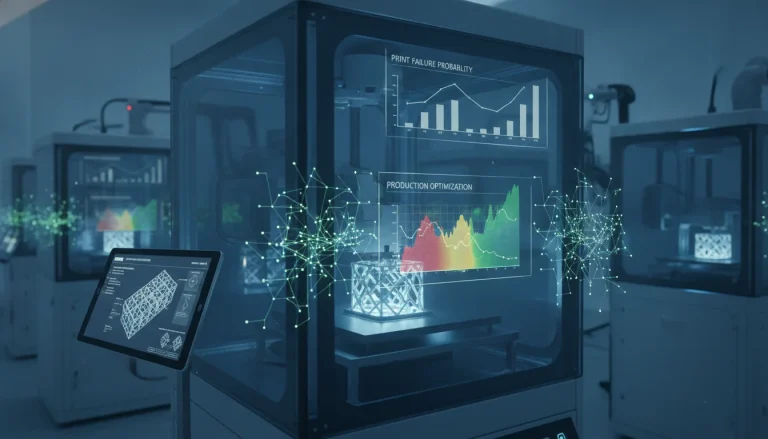
When considering the adoption or development of 4D printing solutions, understanding the interplay between desired features and their associated costs is crucial. There’s no one-size-fits-all solution, and choices often involve trade-offs.
Material costs and availability
- Feature: The ability to achieve specific transformations (e.g., rapid, precise, large strain, biocompatible, multi-cycle).
- Cost Implication: Highly specialized smart materials, particularly those with niche properties or produced in small quantities, command premium prices. Research-grade polymers or custom-synthesized compounds will be significantly more expensive than off-the-shelf options. The cost per kilogram can range from tens to thousands of dollars, depending on the material’s complexity and purity. For instance, advanced LCEs or highly functionalized hydrogels often sit at the higher end of this spectrum compared to basic SMPs.
Printing technology and equipment
- Feature: The complexity of the structure, the number of different materials required, and the resolution of the printed features.
- Cost Implication: Basic 4D printing using single-material FDM with common SMPs can leverage relatively affordable commercial 3D printers (tens of thousands of dollars). However, achieving multi-material, high-resolution, or intricate geometries often necessitates advanced multi-material stereolithography (SLA), digital light processing (DLP), or direct ink writing (DIW) systems. These specialized printers can range from hundreds of thousands to over a million dollars, representing a significant capital investment. The need for precise temperature control, UV curing, or specialized nozzles further adds to equipment complexity and cost.
Design, simulation, and intellectual property
- Feature: The ability to accurately predict and control complex transformations, optimize performance, and innovate novel designs.
- Cost Implication: Developing 4D printed objects is highly iterative and requires sophisticated design and simulation tools. Advanced computational modeling software (e.g., finite element analysis for predicting deformation) and specialized CAD tools are essential. Licensing these tools, coupled with the need for highly skilled engineers and material scientists, adds substantial development costs. Furthermore, as a cutting-edge field, securing intellectual property (patents) for novel materials, designs, or printing methods can be a significant expense, but also a source of competitive advantage.
Activation mechanisms and infrastructure
- Feature: The choice of stimulus (heat, light, water, electricity, magnetic field) and the practicality of its application in the target environment.
- Cost Implication: While some stimuli like ambient temperature changes are “free,” others require dedicated infrastructure. For example, precise thermal control might need heating elements or controlled environments. Photo-responsive materials require specific light sources (e.g., UV lasers), which can be expensive to integrate. Electro- or magneto-responsive systems require power supplies and field generators. The cost of integrating these activation systems into a final product or application needs careful consideration.
Scalability and manufacturing readiness
- Feature: The ability to move from laboratory prototypes to large-scale production efficiently and cost-effectively.
- Cost Implication: Many 4D printing processes are still in the research and development phase, meaning scalability remains a significant challenge. Scaling up production often requires developing custom manufacturing processes, automating material handling, and investing in larger, faster printing systems. The cost per unit can be very high for low-volume, highly customized 4D printed parts, but could potentially decrease significantly with mass production, though this is yet to be fully realized for many applications. Quality control and testing for dynamic structures also add complexity and cost.
Challenges and future outlook

Despite its immense promise, 4D printing faces several hurdles that need to be overcome for widespread adoption. Material limitations, such as the fatigue life of responsive polymers, the precision and reversibility of transformations, and the range of achievable deformations, are ongoing research areas. The complexity of modeling and simulating these dynamic behaviors accurately requires further advancements in computational tools and material science understanding.
Furthermore, standardization of materials and processes, along with the development of robust, scalable manufacturing techniques, are critical for transitioning from laboratory curiosities to commercial products. Ethical considerations, particularly in biomedical applications involving programmable matter, also warrant careful attention.
Nevertheless, the future of 4D printing is exceptionally bright. As material science advances and printing technologies become more sophisticated and accessible, we can expect to see an explosion of truly adaptive, autonomous, and resilient structures. From self-healing infrastructure to personalized medicine and intelligent robotics, 4D printing is poised to revolutionize how we design, manufacture, and interact with the physical world, moving us closer to a future where objects are not just made, but are alive with purpose and potential.
Frequently asked questions
Can I use a standard FDM 3D printer for 4D printing, or do I need specialized equipment?
Yes, basic 4D printing with single-material shape memory polymers (SMPs) like polyurethane or PLA can be done on relatively affordable commercial FDM printers costing tens of thousands of dollars. However, multi-material prints, high-resolution features, or printing with hydrogels or liquid crystal elastomers typically require advanced multi-material SLA, DLP, or direct ink writing systems that can cost hundreds of thousands to over a million dollars.
How do I choose the right smart material for a 4D printing project without overspending?
Start by identifying the stimulus available in your application—heat, moisture, light, or magnetic fields—and the type of transformation needed. Commodity SMPs (based on polyurethane or PLA) are the most affordable for heat-activated folding or bending. If you need biocompatibility for biomedical use, hydrogels are a better fit and their basic precursors are inexpensive, though custom functionalized versions cost more. For high-speed, large-strain actuation like artificial muscles, LCEs are effective but significantly more expensive due to complex synthesis.
What is the biggest practical limitation of 4D printing for real-world products right now?
The primary limitation is scalability: most 4D printing processes remain in the research phase, so moving from lab prototypes to mass production is difficult and costly. Responsive polymers also have limited fatigue life, meaning they may degrade after repeated shape changes, and accurately simulating complex transformations requires advanced computational modeling tools that add development time and expense.