In an era where individual well-being takes center stage, the concept of personalized nutrition has moved from a niche interest to a mainstream pursuit. People are increasingly seeking dietary solutions tailored precisely to their unique physiological makeup, health goals, and, crucially, specific dietary needs and restrictions. While conventional methods have long served this purpose, the advent of 3D food printing is poised to revolutionize how we approach custom meals and nutrient delivery. This article objectively compares the cost structures and inherent features of various approaches to personalized nutrition, allowing readers to discern the most suitable path for their requirements.
The evolving landscape of personalized nutrition
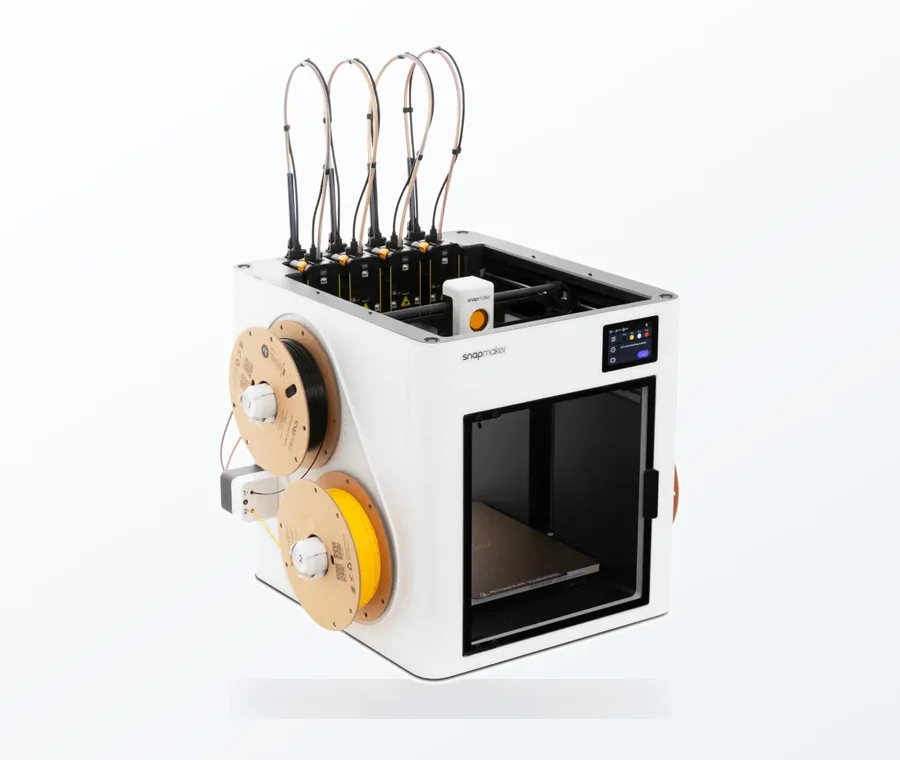
The consumer toolchanger 3D printer: the SnapSwap 4-toolhead system swaps heads in 5 seconds for true multi-color and multi-material printing, with smart calibration and auto filament loading.
- 4 toolheads · 5 s swap
- Up to 500 mm/s · 20,000 mm/s²
- 270 mm cube build volume
- Multi-color & multi-material
Personalized nutrition is more than just a trend; it’s a paradigm shift towards understanding and addressing individual metabolic responses, genetic predispositions, and lifestyle factors. The one-size-fits-all approach to diet is increasingly recognized as suboptimal, given the vast diversity in human biology and needs. From managing chronic conditions like diabetes or celiac disease to optimizing athletic performance or simply adhering to ethical dietary choices, the demand for truly custom meals is undeniable.
Why custom meals matter
- Addressing dietary restrictions: Allergies (gluten, dairy, nuts), intolerances, and specific medical conditions necessitate precise ingredient control.
- Optimizing nutrient intake: Tailoring macronutrient ratios and micronutrient profiles for specific health goals or deficiencies.
- Enhancing palatability: Creating appealing meals for individuals with altered taste perceptions or swallowing difficulties.
- Ethical and lifestyle choices: Accommodating vegan, vegetarian, or cultural dietary preferences with greater ease.
Traditional approaches to personalized nutrition: features and cost considerations
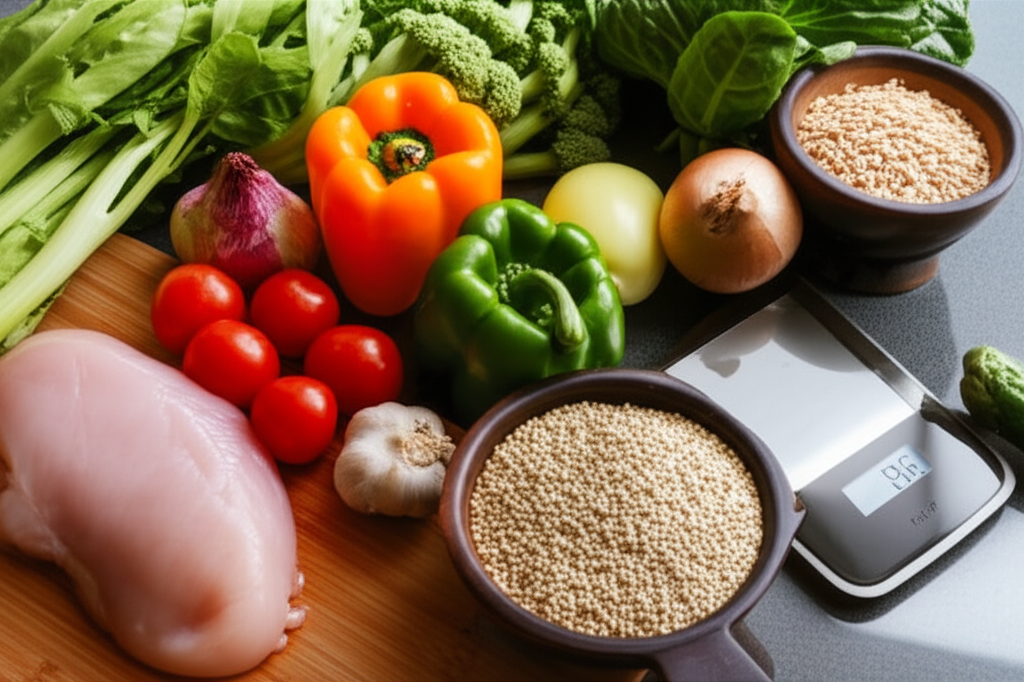
Before the rise of advanced technologies, personalized nutrition primarily relied on a combination of professional guidance and diligent home practices. These methods, while effective, come with their own set of features and associated costs.
Professional guidance and home cooking
- Features: This approach typically involves consultations with registered dietitians or nutritionists who provide bespoke meal plans. The actual meal preparation then falls to the individual, often involving sourcing specific ingredients and cooking from scratch. It offers a high degree of personalization based on expert advice and allows for fresh, whole food consumption.
- Cost structure:
- Initial investment: Significant fees for professional consultations (ranging from tens to hundreds of dollars per session, often requiring multiple sessions).
- Operational costs: Ongoing expenses for groceries, potentially higher for specialty or organic ingredients required for specific dietary needs. Time commitment for meal planning, shopping, and cooking is also a significant, albeit non-monetary, cost.
- Scalability: Highly personalized but not easily scalable beyond the individual or household. Consistency relies heavily on personal discipline and cooking skills.
Specialized meal delivery services
- Features: Many services cater to specific dietary needs (e.g., keto, vegan, gluten-free, low-FODMAP). They offer convenience by delivering pre-portioned, often pre-cooked, meals directly to the consumer. Customization usually occurs within predefined categories or by selecting from a limited menu.
- Cost structure:
- Initial investment: Minimal to none, usually just subscription setup.
- Operational costs: Per-meal costs can be significantly higher than home cooking, often ranging from $8 to $20+ per meal, depending on the service and complexity. Delivery fees may also apply.
- Scalability: Convenient for individuals or small families, but true micro-level personalization is often limited, as meals are produced in batches.
Supplements and fortified foods
- Features: This method focuses on supplementing nutrient gaps or enhancing specific functions through vitamins, minerals, protein powders, or foods enriched with particular compounds. It’s often used in conjunction with other dietary strategies.
- Cost structure:
- Initial investment: Generally low, purchasing individual supplements.
- Operational costs: Varies widely based on the type and quantity of supplements. Monthly costs can range from a few dollars to hundreds.
- Scalability: Easy to integrate, but doesn’t address the fundamental need for custom meals or whole food-based dietary restrictions.
3D food printing: an advanced solution for personalized nutrition
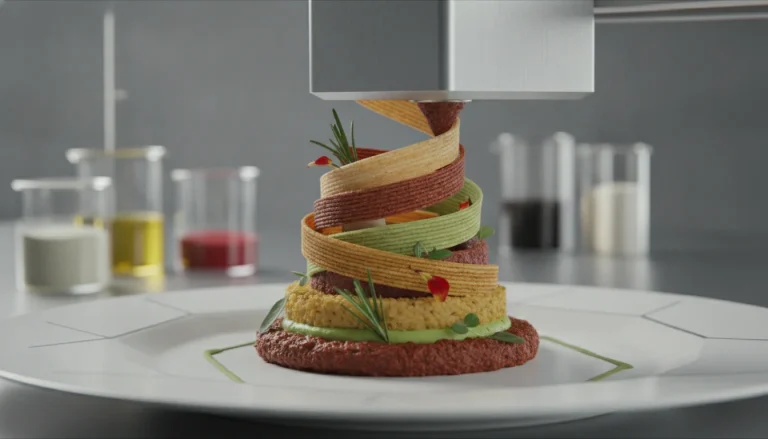
3D food printing represents a frontier in food technology, offering unparalleled precision and customization. It involves depositing edible materials layer by layer to create complex, three-dimensional food structures. This technology holds immense promise for personalized nutrition, especially for crafting functional food items and custom meals.
How 3D food printing works for dietary needs
At its core, 3D food printing uses food-grade ‘inks’ or pastes (e.g., purees, gels, doughs, powders mixed with binders) that are extruded through a nozzle onto a build plate. Computer-aided design (CAD) software dictates the exact shape, size, and internal structure of the food item. For personalized nutrition, this means:
- Micro-level nutrient control: Precise deposition allows for exact quantities of macronutrients, vitamins, minerals, and even medications to be incorporated into each bite.
- Texture and form customization: Creating foods with specific textures for individuals with dysphagia (swallowing difficulties) or unique aesthetic preferences.
- Allergen isolation: Producing meals free from specific allergens by using only certified ingredients in a controlled environment.
- Novel food structures: Designing visually appealing and functionally superior food items that might be difficult or impossible to create through conventional cooking.
Cost structure considerations for 3D food printing
The cost landscape for 3D food printing is dynamic and currently reflects an emerging technology, with different implications for industrial versus potential consumer applications.
- Initial investment:
- Industrial/Commercial scale: High capital expenditure for industrial-grade 3D food printers, specialized software, and R&D for food formulations. This could be hundreds of thousands to millions of dollars.
- Consumer/Home use (future): As the technology matures, smaller, more affordable home printers might emerge, similar to desktop 3D printers for plastics. Initial costs could still be in the hundreds to thousands of dollars.
- Operational costs:
- Raw materials: Cost of specialized food pastes, powders, and ingredients, which may be more expensive than bulk raw ingredients.
- Maintenance and energy: Running and maintaining the printer, including nozzle replacements, cleaning, and electricity consumption.
- Software and design: Potential licensing fees for advanced design software or access to recipe databases.
- Scalability and efficiency:
- Mass customization: Industrial printers offer the ability to produce a high volume of uniquely customized items efficiently.
- Waste reduction: Printing only what is needed can significantly reduce food waste, potentially offsetting some costs.
- Time: Printing can be slower than conventional mass production, but faster than intricate manual customization.
Key features and benefits of 3D food printing for specific dietary needs
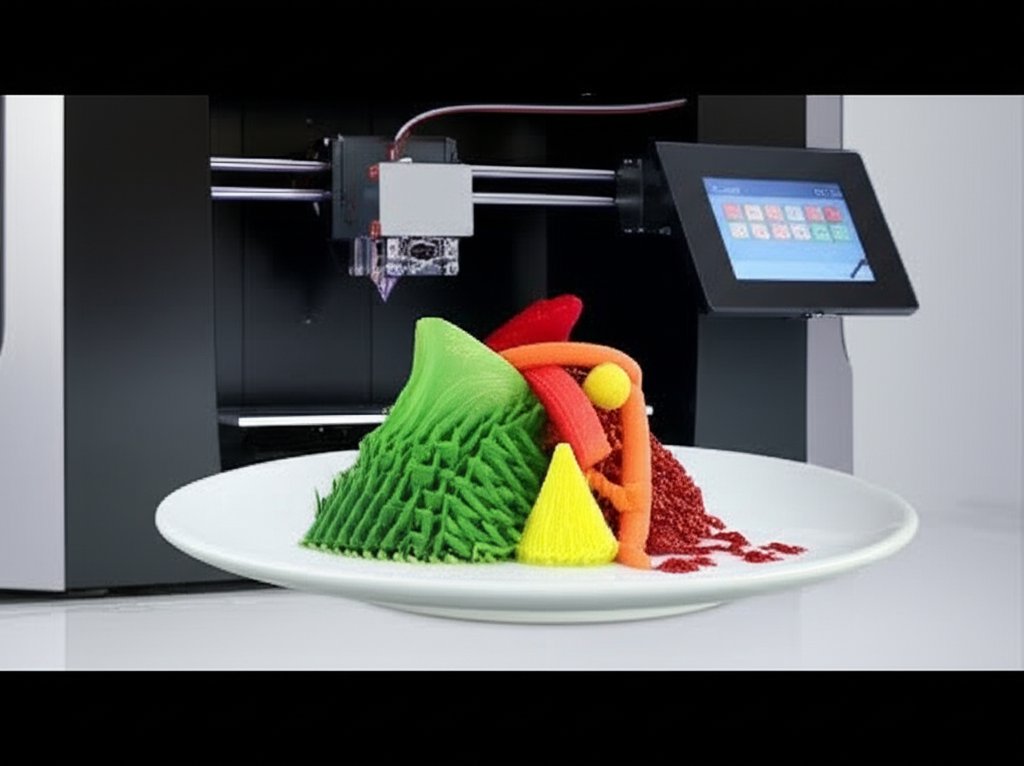
The unique capabilities of 3D food printing offer compelling advantages, particularly for individuals with complex dietary requirements.
- Unprecedented precision and customization: Each meal can be designed with exact caloric and nutrient content, down to milligrams of specific vitamins or minerals. This is invaluable for medical nutrition therapy or highly individualized athletic diets.
- Addressing severe dietary restrictions: By controlling every ingredient at the point of creation, 3D printing can ensure meals are completely free from common allergens or specific forbidden ingredients, offering peace of mind and safety.
- Enhanced palatability and texture modification: For patients with dysphagia, elderly individuals, or children who are picky eaters, 3D printing can create foods with appealing shapes and textures that are easy to chew and swallow, improving nutritional intake and quality of life.
- Integration of functional food components: Beyond basic nutrients, active compounds like probiotics, prebiotics, specific antioxidants, or even targeted medications can be precisely embedded within a food item, turning meals into highly effective functional food delivery systems.
- Reduced food waste: By printing on demand and using only the necessary quantities of ingredients, 3D food printing can significantly minimize waste at both industrial and potentially household levels.
- Novel culinary experiences: The technology opens doors to creating visually stunning and innovative food designs that can make healthy eating more exciting and engaging.
Challenges and future outlook
The consumer toolchanger 3D printer: the SnapSwap 4-toolhead system swaps heads in 5 seconds for true multi-color and multi-material printing, with smart calibration and auto filament loading.
Despite its immense potential, 3D food printing faces several hurdles. The technology is still maturing, particularly in terms of speed, the range of printable ingredients, and regulatory frameworks. Consumer acceptance and the initial cost barrier for home use are also significant factors. Ingredient formulation remains complex, requiring specialized knowledge to create printable pastes that retain nutritional value and taste after printing.
However, the trajectory is clear. As the technology advances and becomes more accessible, 3D food printing is poised to become an integral part of the personalized nutrition ecosystem. We can anticipate integration with personal health data (from wearables, genetic tests), allowing for on-demand meal creation based on real-time physiological needs. Hybrid models, where 3D printing complements traditional cooking or meal services, are also likely to emerge, offering a blend of convenience, precision, and culinary artistry.
Conclusion

The journey towards truly personalized nutrition is multifaceted, offering various pathways to meet individual needs. Traditional methods, from expert guidance and home cooking to specialized meal delivery services and supplements, each present distinct features and cost structures. While these approaches have served us well, 3D food printing emerges as a powerful contender, promising unprecedented precision, customization, and the ability to craft truly functional food items. By objectively weighing the initial investments, operational costs, and unique features of each solution, individuals and industries can make informed decisions about how best to navigate the evolving landscape of personalized nutrition and embrace the future of dietary customization.
Frequently asked questions
Can 3D food printing currently produce meals that are safe for people with severe allergies like celiac disease?
Yes, in principle. Because 3D food printing allows you to control every ingredient at the point of creation and print in a controlled environment, it can produce meals completely free from specific allergens like gluten, provided only certified gluten-free ingredients are used in the printer’s cartridges. This offers a higher level of safety compared to shared kitchen facilities, though the technology is still maturing and regulatory frameworks for home use are not yet fully established.
Is 3D food printing more expensive than hiring a dietitian and cooking at home?
Currently, yes, for most individuals. The article notes that industrial 3D food printers cost hundreds of thousands to millions of dollars, and even future home printers could cost hundreds to thousands of dollars. In contrast, professional dietitian consultations cost tens to hundreds of dollars per session, and home cooking has ongoing grocery costs. Until consumer printers become widely available and affordable, the upfront investment for 3D printing far exceeds traditional methods for a single household.
Can a 3D food printer make a meal that tastes good and has the right texture for someone with swallowing difficulties?
Yes, texture and form customization is a key feature of 3D food printing. The article explains that the technology can create foods with specific textures for individuals with dysphagia (swallowing difficulties) by modifying the internal structure and shape of the printed item. This allows for appealing, easy-to-chew-and-swallow foods that improve nutritional intake, though the taste depends on the quality of the food pastes or inks used as raw materials.