3D food printing has captivated the culinary world and food industry with its promise of unprecedented customization, intricate designs, and personalized nutrition. While initial applications often focused on the sweet side of the spectrum—think elaborate chocolate sculptures, sugar confections, or decorative purees—the true potential of this technology lies in its expansion into savory dishes. Moving beyond the familiar realm of desserts requires a significant leap in ingredient science, demanding the development of novel 3D food printing ingredients capable of forming robust, flavorful, and nutritionally sound savory structures. This exploration delves into the fascinating world of innovative food filaments, examining the material science and culinary considerations that are paving the way for a new era of personalized, savory gastronomy.
Understanding 3D Food Printing and its Material Requirements
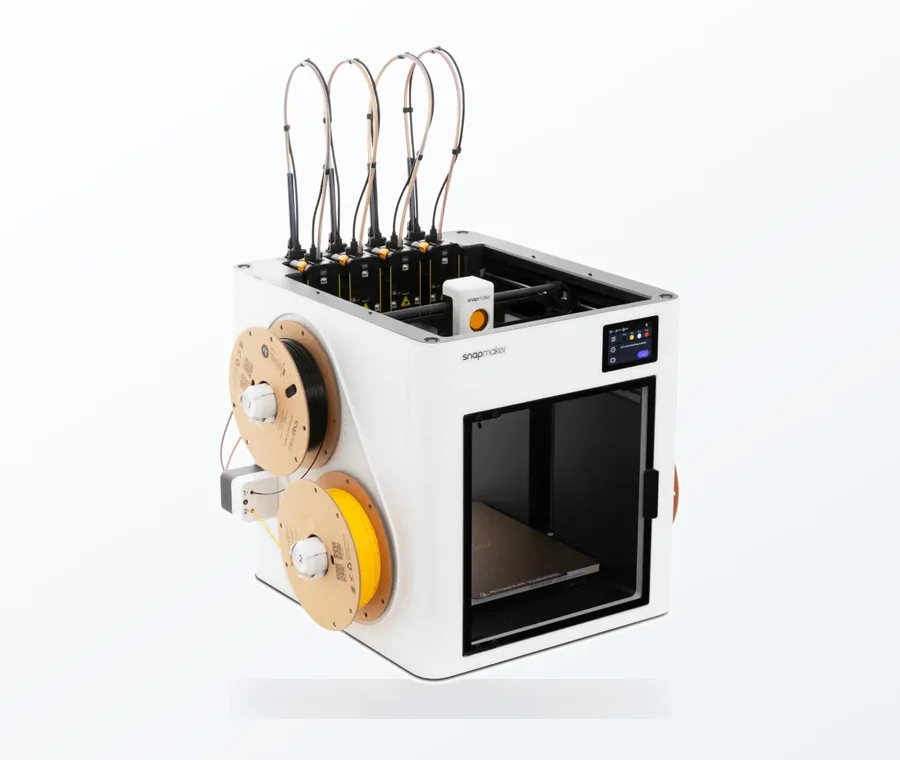
The consumer toolchanger 3D printer: the SnapSwap 4-toolhead system swaps heads in 5 seconds for true multi-color and multi-material printing, with smart calibration and auto filament loading.
- 4 toolheads · 5 s swap
- Up to 500 mm/s · 20,000 mm/s²
- 270 mm cube build volume
- Multi-color & multi-material
At its core, 3D food printing operates on principles similar to additive manufacturing in other industries. Food materials, often referred to as ‘food inks’ or ‘filaments,’ are extruded layer by layer to build a three-dimensional object. The success of this process hinges entirely on the rheological properties of the printing material. For a food filament to be printable, it must possess a delicate balance of characteristics:
- Viscosity: The material needs to be fluid enough to flow through the printer nozzle but viscous enough to maintain its shape once deposited.
- Yield Stress: A critical property, yield stress refers to the minimum stress required to initiate flow. After extrusion, the material must exhibit sufficient yield stress to prevent collapse under its own weight or that of subsequent layers.
- Shear-Thinning Behavior: Ideally, food inks should become less viscous under shear stress (as they pass through the nozzle) and then quickly recover their viscosity once the stress is removed, allowing them to solidify into the desired structure.
- Texture and Stability: Beyond printability, the material must retain its structural integrity and desired texture both during and after the printing process, as well as during subsequent cooking or processing.
Traditional 3D food printing ingredients like chocolate, cheese, or fruit purees are often selected precisely because they inherently possess these favorable rheological properties or can be easily modified to achieve them. However, creating savory dishes with complex flavor profiles and varied textures presents a far greater challenge, necessitating a deeper dive into material science to engineer suitable novel ingredients.
The Quest for Savory: Challenges and Opportunities

The transition from sweet to savory in 3D food printing is not merely about changing flavors; it’s about addressing a host of intricate challenges while unlocking significant opportunities.
Challenges in Savory 3D Food Printing
- Flavor Complexity: Savory dishes often rely on a nuanced blend of umami, salty, sour, and bitter notes, alongside aromatic compounds. Reproducing this complexity in a printable filament, ensuring even distribution and retention of flavor after printing and cooking, is a significant hurdle.
- Nutritional Integrity: Many savory ingredients, especially proteins and vitamins, can be sensitive to heat and shear stress during the printing process. Maintaining their nutritional value while ensuring printability is paramount.
- Texture Development: Savory meals boast a wide array of textures – crispy, chewy, tender, firm, creamy. Achieving these diverse textures with 3D printed ingredients, which often start as homogeneous pastes, requires innovative approaches to material formulation and post-processing.
- Food Safety and Shelf-Life: Working with ingredients like meat, fish, or fresh vegetables introduces greater food safety concerns compared to high-sugar or high-fat bases. Ensuring microbial stability and an acceptable shelf-life for printed savory items is crucial.
- Binding and Cohesion: Unlike sugar or chocolate which can act as natural binders, many savory ingredients require external binding agents to form stable structures, which can impact taste and texture.
Opportunities in Savory 3D Food Printing
- Personalized Nutrition: Tailoring meals to individual dietary needs, allergies, and health goals becomes highly feasible. Imagine a patient receiving a precisely portioned, nutrient-dense meal designed for their specific recovery plan.
- Novel Culinary Experiences: Chefs can push the boundaries of food design, creating intricate geometries and multi-textured dishes previously impossible. This opens doors for artistic expression and gastronomic innovation.
- Sustainable Food Systems: 3D printing can utilize alternative protein sources (e.g., insect protein, algae), reduce food waste by using less desirable cuts or parts, and enable precise portion control.
- Modified Diets: For individuals with dysphagia (difficulty swallowing) or specific chewing difficulties, 3D printing can create visually appealing, textured, and easy-to-consume meals from pureed ingredients.
- Space and Remote Dining: The ability to print meals on demand from shelf-stable cartridges could revolutionize food preparation in extreme environments like space missions or disaster relief.
Exploring Novel Ingredient Filaments for Savory Applications
The development of suitable 3D food printing ingredients for savory dishes is a multidisciplinary endeavor, drawing expertise from food science, material science, and engineering. Researchers and innovators are exploring a wide array of materials to create functional and delicious food filaments.
Protein-Based Filaments
Proteins are fundamental to savory dishes, providing structure, texture, and essential nutrients. Developing printable protein-based filaments is a high priority.
- Plant-Based Proteins: Pea, soy, rice, and lentil proteins are gaining traction due to sustainability and dietary trends. These often require careful hydration, pH adjustment, and the addition of hydrocolloids to achieve printability and desirable texture. Texturization post-printing (e.g., baking, frying) can further enhance their appeal.
- Insect Protein: As a highly sustainable and nutrient-dense source, insect flour (e.g., cricket flour) is being investigated. It can be blended with other flours or binders to create printable pastes, offering a unique umami flavor profile.
- Meat and Fish Purees: Creating stable, printable purees from chicken, beef, or fish presents challenges related to fat content, fiber structure, and rapid spoilage. Emulsifiers, gelling agents, and careful processing are crucial to achieve suitable rheology and extend shelf life.
- Dairy Proteins: Casein and whey proteins can be used as binders or primary ingredients, offering good nutritional value and versatile textural properties when properly formulated.
Vegetable and Fruit Purees/Pastes
Vegetables and fruits form the backbone of many savory dishes, offering color, flavor, and nutrients. Their inherent water content and fibrous nature can make them challenging to print.
- Concentrated Vegetable Purees: Carrots, spinach, beetroot, sweet potato, and mushroom purees can be concentrated and mixed with starches or hydrocolloids (e.g., agar, xanthan gum) to form printable inks. These provide natural colors and flavors, along with vitamins and fiber.
- Legume Pastes: Hummus (chickpea-based), bean pastes, or lentil purees can be formulated for printability, offering protein and fiber. Their natural creaminess can be an advantage.
- Starch-Modified Vegetable Inks: Modifying starches or adding them to vegetable purees helps control viscosity and yield stress, improving printability and post-printing texture.
Cereal and Grain-Based Filaments
Grains are staples in global cuisine, and their integration into 3D printing opens up possibilities for personalized baked goods and pasta.
- Flour-Based Doughs: Wheat, rice, corn, and oat flours can be mixed with water and binders to create printable doughs for items like pizza bases, crackers, or pasta. The rheology of doughs is complex, requiring precise control over water content, gluten development (for wheat), and leavening agents.
- Extruded Starches: Starches from various sources can be processed to create filaments that, when rehydrated or cooked, form desired textures.
Fats, Oils, and Emulsions
Fats are critical for mouthfeel, flavor delivery, and sometimes structure in savory foods.
- Solid Fats: Fats like cocoa butter (often used in chocolate printing) or shea butter can be incorporated into savory formulations as structural components or to improve texture.
- Emulsions: Creating stable oil-in-water or water-in-oil emulsions from edible oils (e.g., olive oil, sunflower oil) within a printable matrix can enhance richness and provide a smooth mouthfeel. Emulsifiers are key here.
Hydrocolloids and Gelling Agents
These are the unsung heroes of 3D food printing, providing the necessary structural integrity and printability to a wide range of ingredients.
- Agar-Agar: A plant-based gelling agent that forms strong, reversible gels, ideal for creating stable structures.
- Gelatin: A protein-based gelling agent, often used for its thermo-reversible properties and ability to create elastic textures.
- Xanthan Gum: A powerful thickening and stabilizing agent that provides pseudoplastic (shear-thinning) behavior, crucial for smooth extrusion.
- Carrageenan: Derived from seaweed, it forms various types of gels and can be used to control texture and stability.
- Alginates: Known for their ability to gel in the presence of calcium ions, often used in spherification and encapsulation techniques.
Spices, Herbs, and Flavorings
To truly achieve savory appeal, the incorporation of complex flavor profiles is essential.
- Powdered Spices and Herbs: Fine powders can be directly incorporated into food inks, though ensuring even distribution and preventing nozzle clogging is important.
- Encapsulated Flavors: Encapsulating volatile flavor compounds can protect them during printing and cooking, releasing them at the desired moment to enhance the sensory experience.
- Liquid Extracts and Oils: Can be carefully added, but their impact on rheology needs to be precisely managed.
Algae and Fungi-Based Ingredients
As sustainable and nutrient-rich alternatives, these ingredients are gaining significant attention.
- Microalgae (e.g., Spirulina, Chlorella): Rich in protein, vitamins, and minerals, they can impart vibrant colors and unique flavors. Their fine particulate nature can be advantageous for printing.
- Macroalgae (Seaweed): Certain seaweeds can be processed into purees or extracts, offering umami notes and gelling properties.
- Mushrooms: Mushroom purees or extracts provide earthy, umami flavors and can contribute to a desirable texture when formulated correctly.
Material Science and Engineering for Savory Filaments
The successful development of novel 3D food printing ingredients for savory applications relies heavily on a deep understanding of material science and food engineering principles. It’s an iterative process of formulation, testing, and refinement.
Rheology and Printability
Precise control over the rheological properties of food inks is paramount. Scientists use rheometers to measure viscosity, yield stress, and thixotropy (time-dependent shear-thinning) of various formulations. Adjusting particle size, solid content, temperature, and the concentration of hydrocolloids allows for fine-tuning these properties to ensure smooth extrusion and structural stability.
Texture Analysis
Beyond printability, the ultimate goal is a delicious product. Post-printing texture is evaluated using techniques like texture profile analysis (TPA), which measures hardness, chewiness, elasticity, and cohesiveness. This helps researchers understand how different ingredients and processing parameters influence the final sensory attributes.
Stabilization and Binding
Many savory ingredients, especially purees and emulsions, are inherently unstable. Material science focuses on:
- Emulsifiers: To prevent phase separation in fat- and water-containing inks.
- Stabilizers: Such as gums and starches, to maintain particle suspension and prevent sedimentation.
- Binding Agents: Hydrocolloids, proteins, and certain starches act as crucial binders, holding the printed layers together and providing structural integrity to the final product. The choice of binder significantly impacts texture and mouthfeel.
Encapsulation Technologies
To preserve volatile flavors, protect sensitive nutrients, or control the release of active compounds, encapsulation techniques are being explored. Microencapsulation can protect ingredients from degradation during printing or cooking, releasing them only when consumed or under specific conditions, thereby enhancing the sensory experience and nutritional value.
Multi-Material Printing
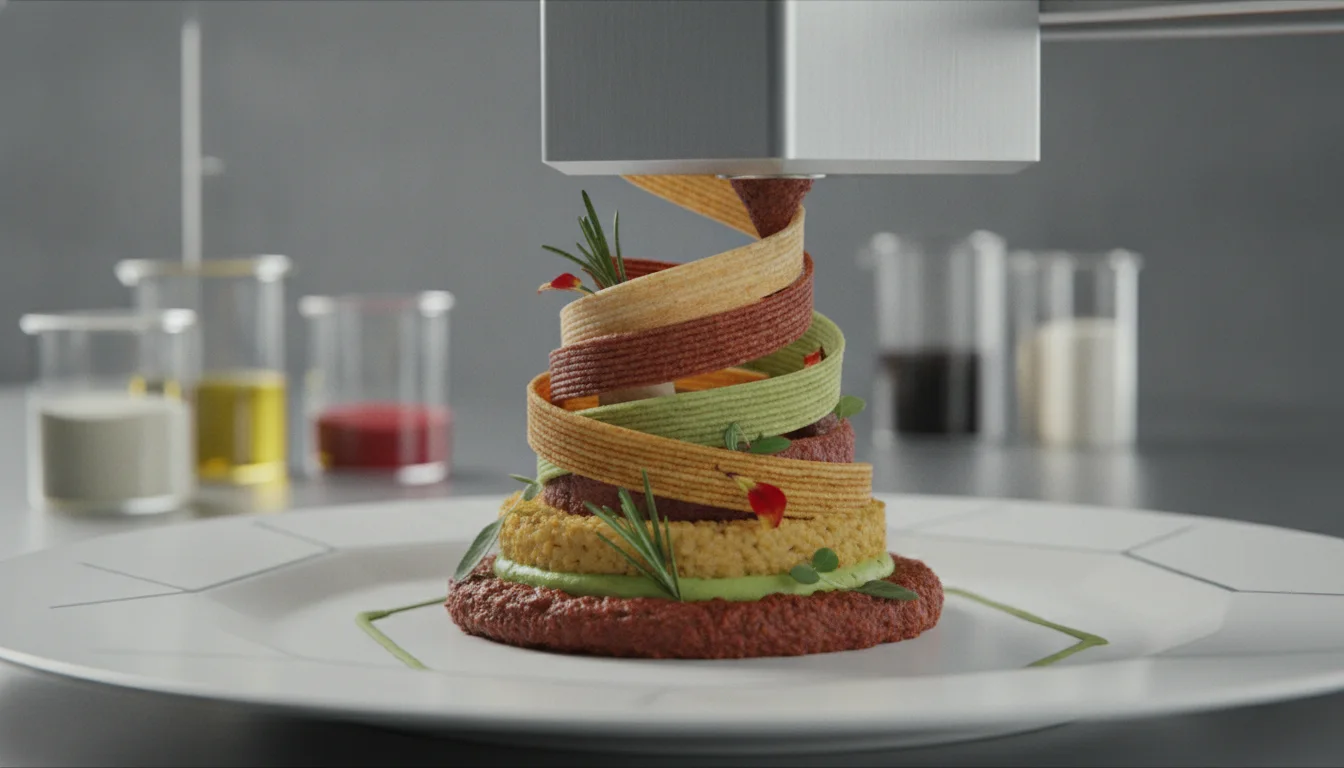
The future of savory 3D printing likely involves multi-material systems, where different food inks with varying properties (e.g., a protein base, a vegetable layer, a fat emulsion) are printed simultaneously or sequentially to create complex textures and flavors within a single dish. This requires advanced printer design and sophisticated software control.
The Future of Savory 3D Printed Dishes
The consumer toolchanger 3D printer: the SnapSwap 4-toolhead system swaps heads in 5 seconds for true multi-color and multi-material printing, with smart calibration and auto filament loading.
The journey beyond chocolate into the realm of savory 3D printed dishes is well underway, driven by innovation in 3D food printing ingredients and material science. The implications for the food industry, culinary arts, and consumer health are vast and transformative.
- Hyper-Personalized Meals: Imagine a future where your dinner is printed based on your real-time nutritional needs, activity levels, and even gut microbiome data. This level of customization could revolutionize healthcare and sports nutrition.
- Culinary Artistry and Innovation: Chefs will gain unprecedented tools for creativity, designing dishes with complex geometries, multi-sensory experiences, and novel ingredient combinations that defy traditional preparation methods.
- Sustainable and Efficient Food Production: By utilizing alternative protein sources, reducing waste through precise ingredient use, and potentially even printing food at the point of consumption, 3D printing can contribute significantly to a more sustainable food system.
- Addressing Food Security: In areas with limited access to diverse food sources, 3D printing could enable the creation of nutritious meals from locally available or shelf-stable raw materials.
However, significant challenges remain. Scaling up production, reducing costs, ensuring regulatory approval for novel ingredients and processes, and achieving widespread consumer acceptance are critical hurdles. The sensory experience of 3D printed food, particularly its texture and mouthfeel, must meet or exceed consumer expectations to gain traction in the mainstream market.
In conclusion, the evolution of 3D food printing from novelty sweets to sophisticated savory dishes is a testament to the ingenuity of food scientists and engineers. The exploration of novel ingredient filaments – from diverse proteins and vegetable purees to advanced hydrocolloids and encapsulated flavors – is unlocking a new dimension in gastronomy. As material science continues to advance, and our understanding of food rheology deepens, the possibilities for creating delicious, nutritious, and sustainable savory 3D printed meals are virtually limitless. The future of dining may well be printed, one carefully engineered, savory layer at a time.
Frequently asked questions
Can I use a standard FDM 3D printer for savory food printing, or do I need a dedicated food printer?
You need a printer specifically designed or modified for food applications. Standard FDM printers contain hot-end components (brass nozzles, PTFE tubes, lead-soldered heaters) that can leach toxic metals or chemicals into food. Dedicated food printers use FDA-approved food-safe materials and often feature syringe-based or peristaltic extrusion systems capable of handling the paste-like rheology of savory filaments described in the article.
How do hydrocolloids like xanthan gum affect the taste and texture of the final printed dish?
Hydrocolloids are typically used at very low concentrations (0.1–2% by weight) to modify rheology without dominating flavor. Xanthan gum provides shear-thinning behavior for smooth extrusion and can create a slick, creamy mouthfeel; agar-agar produces firm, brittle gels; gelatin yields elastic textures. If overused, any of these can leave an unpleasant slimy or rubbery sensation, so precise formulation is critical to balance printability with acceptable eating quality.
What is the biggest safety concern when printing with meat or fish purees compared to chocolate?
Microbial spoilage is the primary safety risk. Chocolate has low water activity and high sugar content, which naturally inhibit bacterial growth. Meat and fish purees have high water activity and are rich in nutrients, making them ideal environments for pathogens like Salmonella and Listeria. The article notes that emulsifiers, gelling agents, and careful processing are required to extend shelf life, and printed savory items typically require immediate cooking or cold-chain storage to remain safe.