The intersection of culinary arts and advanced manufacturing has given rise to a captivating field: 3D printed edible art. This innovative domain allows for the creation of intricate structures and personalized food items that push the boundaries of traditional gastronomy. As chefs, designers, and food technologists explore this frontier, understanding the various technologies, design methodologies, and their associated cost implications becomes paramount for successful implementation.
The evolving landscape of 3D printed edible art
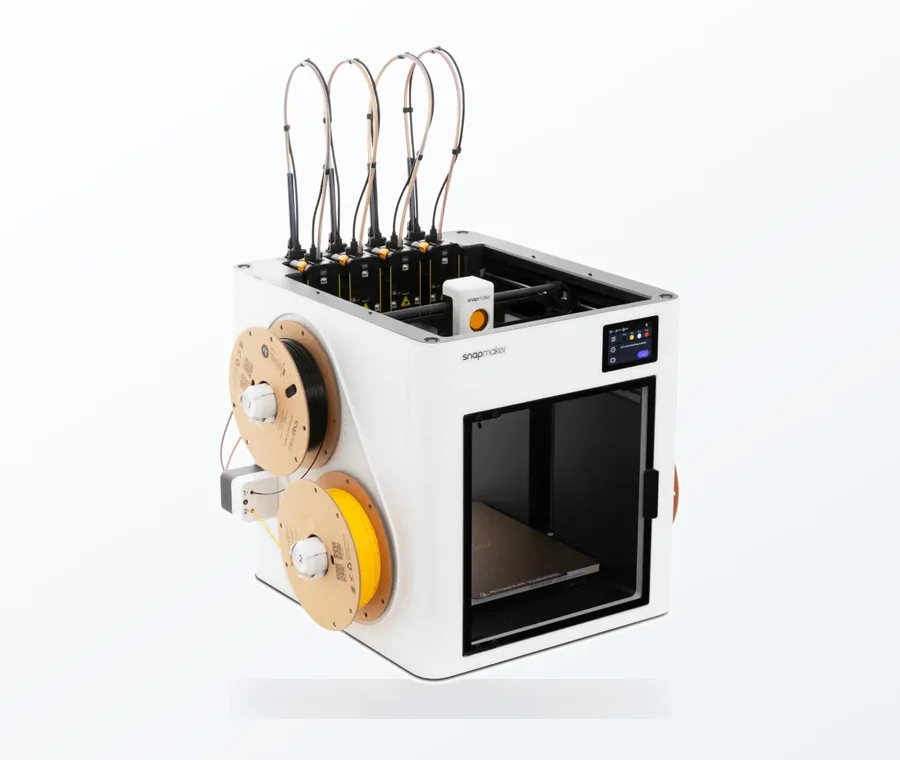
The consumer toolchanger 3D printer: the SnapSwap 4-toolhead system swaps heads in 5 seconds for true multi-color and multi-material printing, with smart calibration and auto filament loading.
- 4 toolheads · 5 s swap
- Up to 500 mm/s · 20,000 mm/s²
- 270 mm cube build volume
- Multi-color & multi-material
The allure of 3D printed food lies in its ability to produce highly customized and visually stunning pieces, transforming food into an experience. From elaborate sugar sculptures to complex chocolate geometries and even personalized nutritional supplements, the potential for edible art is vast. However, achieving truly intricate structures requires careful consideration of the tools and techniques at one’s disposal. This guide aims to objectively compare the features and cost structures of different solutions available for crafting sophisticated 3D food design.
Core technologies for 3D food design: A comparative overview
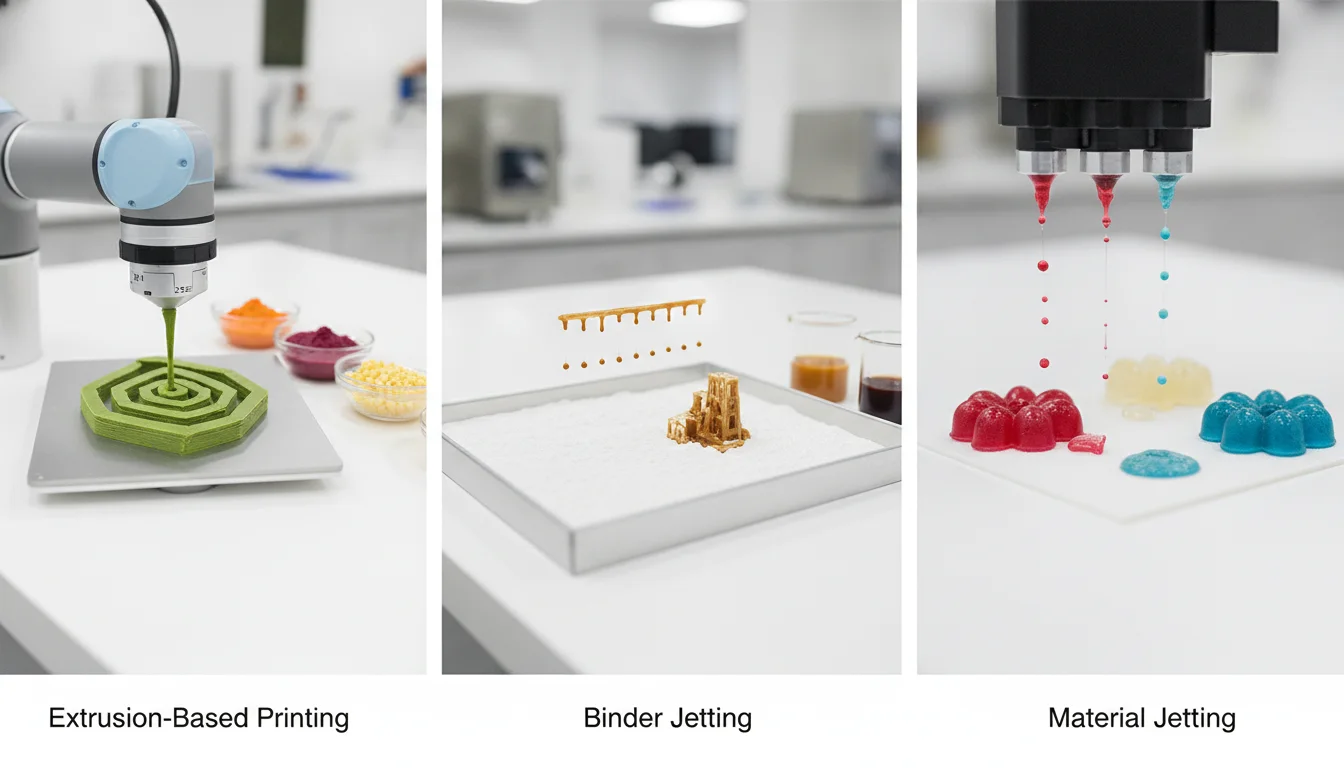
The choice of 3D printing technology significantly impacts the types of materials that can be used, the level of detail achievable, and the overall cost.
Extrusion-based printing
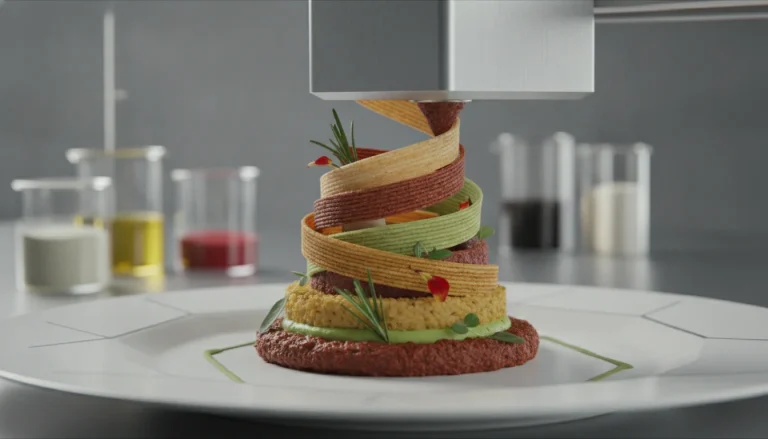
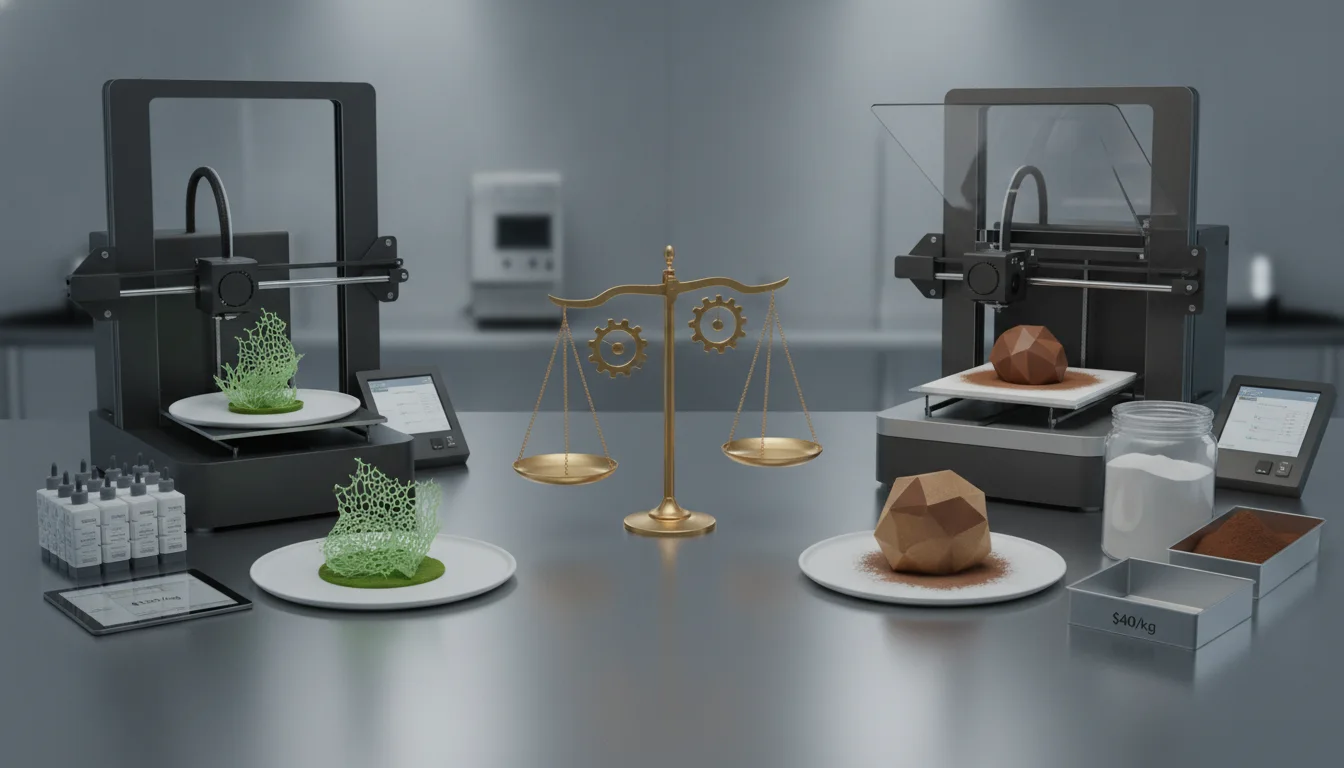
- Features: This is the most common method for 3D food printing. It works by extruding a paste-like material (e.g., chocolate, dough, purees, gels) layer by layer through a nozzle. It excels at creating multi-layered, relatively robust structures and allows for a good degree of intricacy, especially with viscous materials that hold their shape. The print head’s precision dictates the finest details.
- Cost Implications: Entry-level extrusion food printers can be relatively affordable, making them accessible for smaller businesses or research. However, higher-end models offering multi-material capabilities, temperature control, and automated cleaning can significantly increase the initial investment. Material costs are generally tied to the food ingredients themselves, with specialized formulations sometimes costing more. Maintenance is typically straightforward.
Binder jetting and other emerging methods
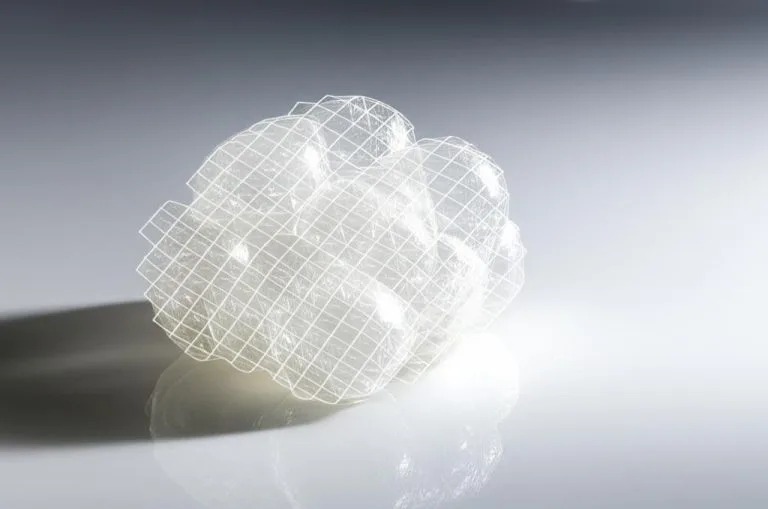
- Features: While less common in commercial food applications than extrusion, binder jetting holds promise for specific materials like sugar or powdered ingredients. It involves depositing a liquid binder onto a powdered bed, solidifying layers. This method can produce extremely delicate and complex geometries that might be challenging for extrusion, particularly for porous or crystalline structures. Emerging technologies, such as selective laser sintering (SLS) adapted for food, are also being explored for their potential to create fine details from powdered ingredients like spices or starches.
- Cost Implications: Binder jetting and advanced experimental food 3D printers typically represent a much higher initial capital outlay due to their complexity and specialized components. Material costs can also be higher, especially for food-grade binders or specific powdered ingredients. Operational costs may include specialized atmospheric controls or post-processing steps. These solutions often target industrial applications or high-end R&D due to their investment requirements.
Design methodologies and software solutions
Beyond the printer itself, the software used to create the 3D food design is crucial for achieving desired intricate structures and enabling food customization.
Traditional CAD and parametric design
- Features: Computer-Aided Design (CAD) software allows for precise, mathematically defined geometries. Parametric design, a subset of CAD, enables designers to define relationships between design elements, making it easy to modify and scale designs while maintaining structural integrity. This approach is excellent for technical precision, repeatability, and functional designs.
- Cost Implications: Professional CAD software licenses can range from hundreds to thousands of dollars annually. While free or open-source alternatives exist, they may lack advanced features or robust support. The learning curve for complex CAD can be steep, requiring significant time investment in training.
Generative design and artistic sculpting tools
- Features: Generative design algorithms can explore thousands of design variations based on specified parameters (e.g., material properties, structural loads, aesthetic goals), often leading to organic, optimized, and highly intricate forms that might be difficult to conceive manually. Artistic sculpting software, similar to those used for digital sculpture, offers more intuitive, free-form creation, allowing designers to ‘mold’ virtual food with a focus on culinary aesthetics.
- Cost Implications: Generative design software often comes as part of advanced CAD suites or as specialized add-ons, incurring similar or higher licensing costs. Artistic sculpting tools can vary widely, with some professional packages being quite expensive, though more accessible options are available. These tools often require a different skill set than traditional CAD, favoring artistic intuition over strict engineering principles.
Material science and its impact on intricacy and cost
The intrinsic properties of food materials are a significant factor in designing intricate structures. Viscosity, elasticity, setting time, and thermal stability directly influence what can be printed. Specialized food-grade formulations, often developed to optimize printability, can vary significantly in cost compared to standard ingredients.
- Feature Comparison: Some materials (e.g., chocolate with specific melt profiles) lend themselves well to fine details, while others (e.g., highly viscous doughs) might limit the achievable resolution. The ability to print with multiple materials simultaneously can open up new avenues for complexity and flavor profiles.
- Cost Analysis: Research and development into novel food inks can be costly. Sourcing specialized ingredients that meet both culinary and printability requirements can elevate material expenses. The shelf life and storage conditions of these custom food formulations also factor into the overall cost structure.
Customization, scalability, and economic considerations
The consumer toolchanger 3D printer: the SnapSwap 4-toolhead system swaps heads in 5 seconds for true multi-color and multi-material printing, with smart calibration and auto filament loading.
The value proposition of 3D printed edible art often hinges on its ability to offer unparalleled food customization and, potentially, new avenues for production.
- One-off intricate pieces: For bespoke culinary creations, the primary costs are design time and material waste during experimentation. The high perceived value of unique, artistic pieces can justify premium pricing.
- Mass customization: Scaling up production of customized items requires efficient workflows, robust software, and reliable printing hardware. The initial investment in these systems can be substantial, but the cost per unit can decrease with volume. Businesses must weigh the capital expenditure against the potential for increased market reach and customer engagement.
- Operational efficiency: Factors like print speed, post-processing requirements, and energy consumption contribute to the overall operational cost. A solution that offers faster printing or less manual finishing might have a higher upfront cost but prove more economical in the long run for high-volume applications.
Ultimately, the optimal approach for designing and producing intricate 3D printed edible art is not a one-size-fits-all solution. It depends heavily on specific goals, target audience, budget, and desired level of complexity. By carefully evaluating the features and cost structures of different printing technologies, design software, and material science considerations, individuals and businesses can make informed decisions to embark on their journey into the exciting world of advanced culinary aesthetics.
Frequently asked questions
Can I use a regular home 3D printer to print food?
No. Standard FDM printers are not designed for food-grade materials and can contain toxic components in their nozzles, build plates, and filaments. You need a printer specifically designed for food extrusion, which uses food-safe components and can handle paste-like materials such as chocolate, dough, or purees. Entry-level food printers are available, but they are a separate category from hobbyist plastic printers.
What is the biggest practical challenge when printing intricate sugar or chocolate structures?
Material behavior is the primary challenge. Chocolate requires precise temperature control to achieve the correct melt profile for fine details, while sugar structures often need binder jetting or SLS-like methods because they are too fragile for extrusion. Even with the right printer, a material that sets too quickly or not quickly enough can ruin fine overhangs and delicate lattice work.
How much does it actually cost to start producing 3D printed edible art professionally?
Initial costs vary widely. An entry-level extrusion food printer can be relatively affordable, but a professional multi-material system with temperature control can cost significantly more. You also need software: professional CAD licenses run hundreds to thousands of dollars annually, and specialized food-grade ingredients or custom-formulated inks add ongoing material expenses. For one-off bespoke pieces, design time and material waste during experimentation are the main costs, not the hardware itself.