
In the dynamic world of culinary arts, innovation is the spice of life. For small catering businesses constantly seeking to differentiate themselves and offer unique experiences, the advent of the 3d food printer presents a fascinating frontier. These innovative machines can transform ingredients into intricate designs, personalized treats, and even complex structures that would be challenging, if not impossible, to create by hand. However, navigating the market for a suitable 3D food printer requires a keen eye for detail and a clear understanding of what truly matters for a bustling catering business.
Why consider a 3D food printer for your catering business?
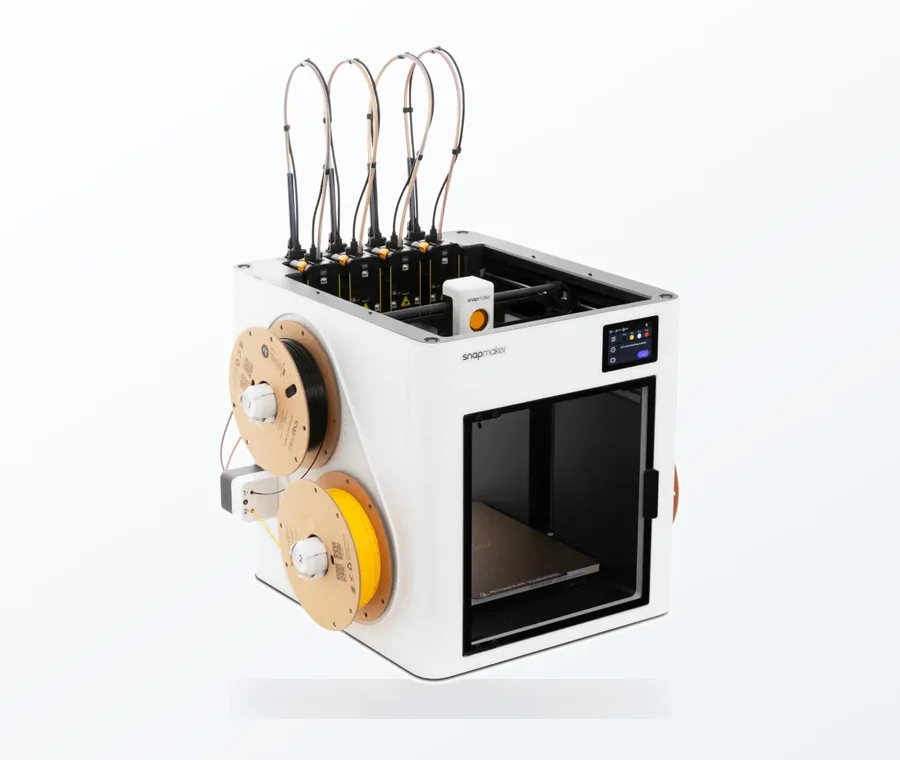
The consumer toolchanger 3D printer: the SnapSwap 4-toolhead system swaps heads in 5 seconds for true multi-color and multi-material printing, with smart calibration and auto filament loading.
- 4 toolheads · 5 s swap
- Up to 500 mm/s · 20,000 mm/s²
- 270 mm cube build volume
- Multi-color & multi-material
Beyond the novelty factor, a 3D food printer can offer tangible benefits. Imagine crafting bespoke edible logos for corporate events, creating perfectly uniform decorative elements for wedding cakes, or even personalizing desserts with guests’ names. This level of customization and precision can elevate your offerings, impress clients, and potentially streamline certain production processes. The ability to prototype new culinary concepts rapidly and consistently is another compelling advantage, allowing a small business to innovate without extensive manual labor.
Essential features for a catering-focused 3D food printer
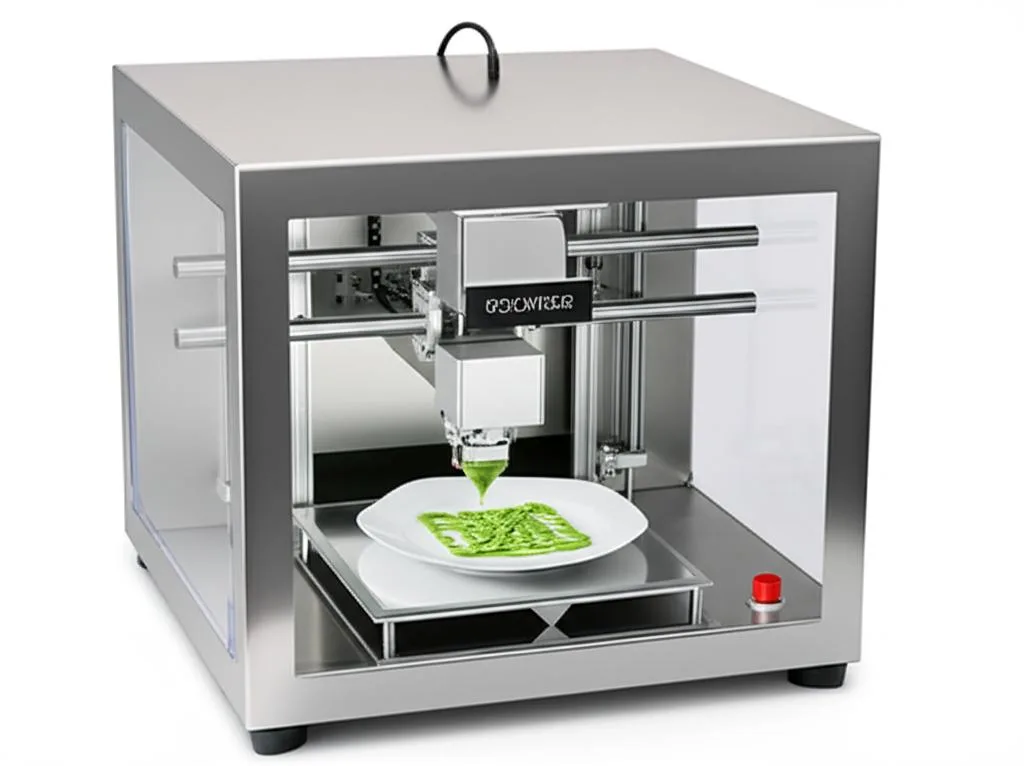
When embarking on your printer selection journey, several essential features stand out as critical for a catering environment. Understanding these will help you align the technology with your operational needs and creative ambitions.
Material compatibility and versatility
- Range of printable ingredients: Not all 3D food printers are created equal when it comes to the types of food they can process. For a catering business, versatility is key. Look for models that can handle a wide array of pastes, gels, chocolates, doughs, purees, and even cheese. Some printers specialize in specific materials, like chocolate, while others offer broader compatibility, which is crucial for diverse menus.
- Viscosity handling: The printer should be able to precisely extrude materials of varying viscosities without clogging or inconsistent flow. This directly impacts the quality and complexity of your edible creations.
Precision, resolution, and detail
- Layer resolution: This determines the smoothness and detail of the printed object. Higher resolution allows for more intricate designs and a finer finish, which is paramount for visually appealing food items.
- Nozzle size options: Different nozzle sizes enable varying line thicknesses and detail levels. A range of nozzle options provides flexibility for both fine decorative work and faster, larger prints.
- Repeatability: For a catering business, consistency is king. The printer should be able to reproduce designs with high accuracy, ensuring uniformity across multiple servings or batches.
Build volume and production capacity
- Print area dimensions: Consider the size of the items you typically produce. A larger build volume allows for printing bigger individual items or multiple smaller items in a single batch, enhancing efficiency for larger orders.
- Batch printing capabilities: Some software and printer designs are optimized for producing multiple identical or similar items simultaneously, which can significantly speed up production for events.
Ease of use and intuitive software
- User interface: A clear, intuitive touchscreen interface can reduce the learning curve and streamline operation, especially important in a fast-paced kitchen environment.
- Design software integration: Assess whether the printer comes with its own user-friendly design software or is compatible with common 3D modeling programs. Features like pre-loaded templates or a recipe library can be a huge time-saver.
- Calibration and maintenance: Look for printers that offer straightforward calibration processes and are easy to maintain, minimizing downtime.
Hygiene, cleaning, and food safety
- Food-grade materials: All components that come into contact with food must be made from food-safe, non-toxic materials. Certifications like FDA approval are a strong indicator of compliance.
- Ease of cleaning: Disassembly for cleaning should be simple and quick. Removable, dishwasher-safe parts are a significant advantage, ensuring proper sanitation and preventing cross-contamination.
- Enclosed print chamber: An enclosed chamber can help maintain a sterile environment and protect food items from external contaminants during printing.
Printing speed and efficiency
- Print speed: While precision is important, for a catering business, speed can also be a critical factor, especially when dealing with large orders or tight deadlines. Evaluate the typical print times for common items.
- Pre-heating/cooling times: Some materials require specific temperature conditions. Consider how quickly the printer can reach and maintain optimal temperatures.
Connectivity and remote control
- Network connectivity: Wi-Fi or Ethernet connectivity allows for remote monitoring and control, enabling greater flexibility in managing print jobs.
- Cloud capabilities: Some printers offer cloud-based platforms for design sharing, recipe management, and remote operation, which can enhance workflow efficiency.
Cost considerations for your 3D food printer investment
Beyond the initial purchase price, a holistic view of the total cost of ownership is crucial. This helps in making an informed decision that aligns with your business’s financial strategy.
Initial purchase price
- Entry-level models: These typically range from a few hundred to a couple of thousand dollars. They often offer basic functionality and may be suitable for small-scale experimentation or very specific, simple tasks.
- Mid-range professional models: These can cost several thousand dollars and offer enhanced features, greater precision, larger build volumes, and broader material compatibility, making them more suitable for regular commercial use.
- High-end industrial solutions: These can run into tens of thousands of dollars, offering advanced capabilities, robust construction for continuous operation, and specialized features for mass production. These are generally beyond the scope of a typical small business.
Material costs
- Proprietary vs. open-source ingredients: Some printers require proprietary cartridges or ingredients, which can be more expensive. Others allow for the use of readily available food items, offering greater flexibility and potentially lower ongoing costs.
- Specialized ingredients: Certain intricate designs or specific textures may require specialized food-grade filaments or pastes, which can impact your overall material expenditure.
Maintenance and spare parts
- Consumables: Nozzles, print beds, and other components may need periodic replacement. Factor in the cost and availability of these consumables.
- Service agreements: Some manufacturers offer service contracts or extended warranties, which can be beneficial for ensuring uptime and managing unexpected repair costs.
Software subscriptions and licensing
- Design software: While some printers come with free basic software, advanced design tools or cloud-based platforms may require ongoing subscription fees.
- Firmware updates: Ensure the manufacturer provides regular firmware updates, ideally free of charge, to improve functionality and address any issues.
Training and operational costs
- Staff training: While intuitive, there will be a learning curve. Factor in any time or resources needed for staff to become proficient in operating the printer and designing items.
- Power consumption: Though generally not a major cost, consider the power requirements, especially for printers that need to maintain specific temperatures for extended periods.
Making the right printer selection for your small business
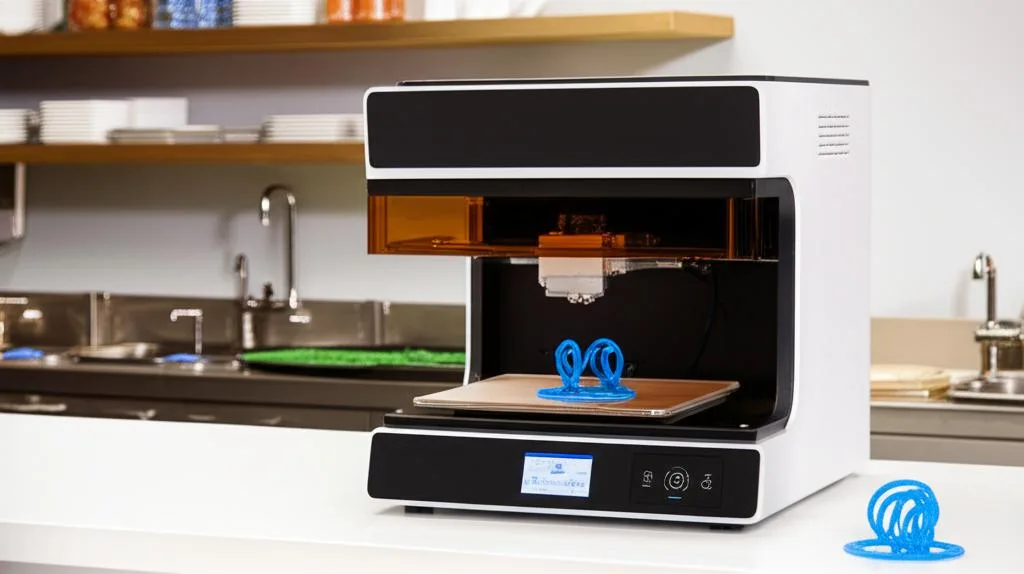
Choosing the right 3d food printer involves a careful balancing act between desired essential features and the associated costs. Begin by clearly defining your catering business’s specific needs: What types of food items do you envision printing? What level of detail and customization is crucial? What volume of production do you anticipate? Are you looking for a machine to add a unique touch to occasional events, or one that will be an integral part of your daily production line?
By objectively comparing the capabilities of different models against their total cost of ownership – considering not just the sticker price but also ongoing material, maintenance, and operational expenses – you can arrive at a decision that truly supports your business’s growth and culinary ambitions. The goal is to find a solution that offers the optimal blend of functionality, reliability, and financial viability for your unique catering venture.
Frequently asked questions
Can a 3D food printer handle hot or cold ingredients during printing?
Yes, many models are designed to maintain specific temperatures during printing. Some printers include heated cartridges or beds for ingredients like chocolate or cheese that need to stay molten, while others use cooling to solidify gels or purees. Always check the printer’s temperature specifications against the ingredients you plan to use most often.
How long does it typically take to print a single decorative item for a cake or plate?
Print times vary significantly based on size, complexity, and layer resolution. A small, detailed chocolate logo might take 5–10 minutes, while a larger, multi-layered decorative piece could take 30–60 minutes. The article notes that speed is a critical factor for catering businesses with tight deadlines, so evaluate typical print times for the items you plan to produce.
Is it possible to print multiple different designs in one batch on a single printer?
Some printers and their accompanying software support batch printing, which allows you to arrange multiple identical or similar items on the print bed to run in one session. However, printing completely different designs simultaneously usually requires manual job queuing or advanced software features. For varied orders, a printer with a larger build volume can help maximize efficiency.