The integration of advanced manufacturing technologies within academic institutions has become a cornerstone of modern research and education. Among these, 3D printing, or additive manufacturing, stands out for its transformative potential, enabling rapid prototyping, complex geometry fabrication, and the exploration of novel materials. Establishing a university-wide 3D printing lab represents a strategic investment, fostering interdisciplinary collaboration, enhancing pedagogical approaches, and positioning the institution at the forefront of innovation. However, the successful design and implementation of such a facility necessitate a comprehensive understanding of various technologies, their associated cost structures, unique features, and the intricate considerations involved in creating a shared resource for diverse academic research needs.
The vision: Why a centralized 3D printing lab?
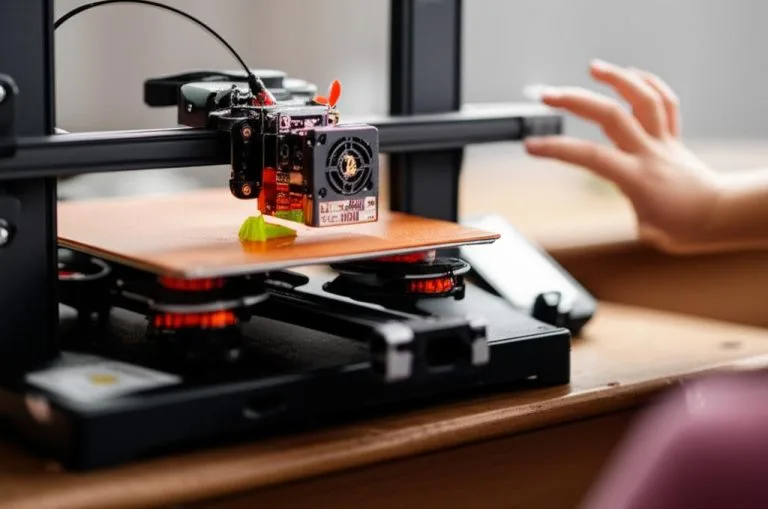
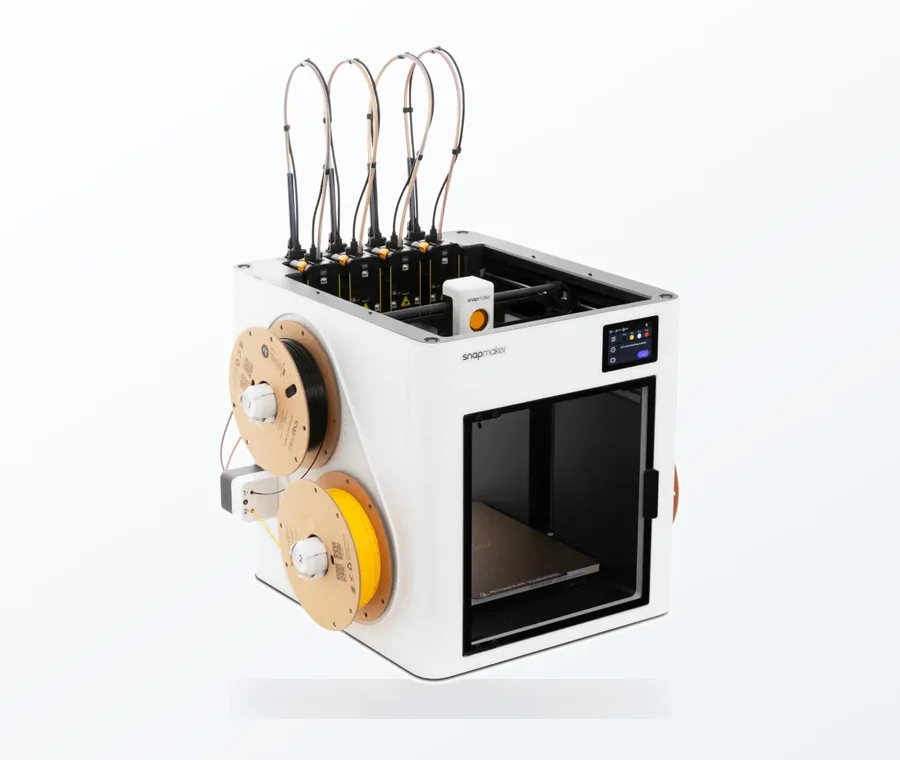
The consumer toolchanger 3D printer: the SnapSwap 4-toolhead system swaps heads in 5 seconds for true multi-color and multi-material printing, with smart calibration and auto filament loading.
- 4 toolheads · 5 s swap
- Up to 500 mm/s · 20,000 mm/s²
- 270 mm cube build volume
- Multi-color & multi-material
A university-wide 3D printing lab transcends the traditional departmental silo, offering a centralized hub where researchers and students from engineering, medicine, arts, architecture, and even humanities can converge. This shared resource model promotes efficiency by consolidating equipment, expertise, and operational overheads, preventing redundant purchases across departments. More importantly, it acts as a catalyst for interdisciplinary projects, allowing, for instance, biomedical engineers to collaborate with materials scientists to develop custom prosthetics, or art students to experiment with new forms alongside computer scientists exploring generative design algorithms. Such a facility enhances academic research capabilities, providing access to cutting-edge tools that might be prohibitively expensive for individual departments. It also serves as a vital educational platform, equipping students with practical skills in additive manufacturing, a rapidly growing field with significant industrial demand.
Defining scope and user needs
Before embarking on the design phase, a thorough needs assessment is paramount. Understanding the potential user base and their diverse requirements is crucial for selecting appropriate technologies and scaling the lab effectively. This involves engaging with faculty, researchers, and students across various disciplines to gauge their current and anticipated 3D printing needs. Questions to consider include:
- What types of materials are most frequently required (plastics, resins, metals, ceramics)?
- What level of precision, surface finish, and mechanical strength is typically needed for projects?
- What are the typical part sizes and build volumes?
- What is the anticipated usage volume and turnaround time expectation?
- Are there specific regulatory or safety requirements for certain applications (e.g., medical devices, aerospace components)?
This initial phase helps in creating a comprehensive profile of the lab’s intended function, whether it’s primarily for rapid prototyping, functional part creation, intricate model making, or advanced materials research. A well-defined scope ensures that the eventual lab infrastructure is both versatile enough to meet broad demands and specialized enough to support high-impact academic research.
Core technologies for academic 3D printing: A comparative analysis

The landscape of 3D printing technologies is vast and continuously evolving. Each technology offers a unique set of capabilities, material compatibility, and associated cost structures. For a university-wide lab, a judicious selection often involves a mix of technologies to cater to a broad spectrum of interdisciplinary needs.
Fused Deposition Modeling (FDM/FFF)
FDM, or Fused Filament Fabrication (FFF), is perhaps the most widely recognized and accessible 3D printing technology. It operates by extruding a thermoplastic filament through a heated nozzle, depositing successive layers onto a build platform. This layer-by-layer deposition gradually forms the desired object.
- Features: FDM printers are known for their versatility, supporting a wide array of thermoplastic materials such as PLA, ABS, PETG, Nylon, and various composite filaments (e.g., carbon fiber, wood-filled). They can achieve relatively large build volumes, making them suitable for producing substantial prototypes or functional parts. The technology is generally user-friendly, with a relatively straightforward workflow from design to print. While precision is moderate compared to other methods, it is often sufficient for early-stage prototyping, jigs, fixtures, and educational models. The mechanical properties of FDM parts can be quite robust, especially with engineering-grade filaments.
-
Cost Structure:
- Initial Capital Outlay: FDM machines range significantly in price, from entry-level desktop models costing a few hundred dollars to industrial-grade systems that can run into tens of thousands. A university lab might opt for a mix, including several robust, prosumer-level machines for general access and a few industrial-grade systems for more demanding applications.
- Consumables and Materials: Filaments are generally the least expensive among 3D printing materials. Standard PLA or ABS can cost from $20-50 per kilogram, while specialty or engineering-grade filaments might range from $50-200 per kilogram. This makes FDM a cost-effective option for high-volume prototyping.
- Maintenance and Servicing: Maintenance for FDM printers is typically low. Regular cleaning of nozzles, replacement of wear-and-tear components like build plates, and occasional calibration are usually sufficient. Parts are generally inexpensive and readily available.
- Operational Costs: Power consumption is relatively low. No special environmental controls are typically required beyond good ventilation for some materials (like ABS).
Stereolithography (SLA) and Digital Light Processing (DLP)
SLA and DLP technologies utilize a liquid photopolymer resin cured by a light source (UV laser for SLA, projector for DLP). The light selectively hardens layers of resin, building the object from the bottom up (or top down, depending on the system) in a vat of liquid material.
- Features: These technologies excel in producing parts with exceptionally high resolution, intricate details, and incredibly smooth surface finishes. They are ideal for applications requiring aesthetic models, precision prototypes, casting patterns, dental models, and highly detailed functional components where surface quality is paramount. The material palette, while expanding, is primarily limited to various photopolymer resins, offering different mechanical properties such as flexibility, rigidity, or heat resistance. DLP generally offers faster print speeds for larger volumes due to its ability to cure an entire layer simultaneously.
-
Cost Structure:
- Initial Capital Outlay: SLA and DLP printers typically fall into the mid-to-high range. Desktop SLA/DLP machines start from a few thousand dollars, with industrial-grade systems easily reaching tens of thousands to hundreds of thousands, depending on build volume and features.
- Consumables and Materials: Photopolymer resins are significantly more expensive than FDM filaments, often ranging from $100-300 per liter, with specialized resins (e.g., biocompatible, engineering-grade) costing even more.
- Maintenance and Servicing: Maintenance is moderate. This includes regular cleaning of the resin vat, replacement of consumable parts like resin tanks and build platforms, and ensuring the optical components are clean. Post-processing equipment (wash stations, UV curing units) is also essential and adds to the initial and operational costs.
- Operational Costs: Moderate power consumption. Handling of liquid resins requires care, and proper ventilation is crucial for safety. Post-curing adds an additional step and energy cost.
Selective Laser Sintering (SLS)
SLS technology uses a high-powered laser to selectively fuse small particles of polymer powder into a solid structure. After each layer is sintered, a new layer of powder is spread over the build area, and the process repeats until the part is complete. Unfused powder acts as support, eliminating the need for external support structures.
- Features: SLS produces strong, functional parts with excellent mechanical properties, making it suitable for end-use components, complex geometries, and intricate designs. The lack of support structures allows for greater design freedom and efficient nesting of multiple parts within a single build. Common materials include Nylon (PA12, PA11), and TPU, offering good strength, flexibility, and chemical resistance. Parts have a characteristic slightly rough, porous surface finish.
-
Cost Structure:
- Initial Capital Outlay: SLS systems represent a significant investment, typically starting from $50,000 for compact industrial units and scaling up to several hundreds of thousands for larger production-grade machines.
- Consumables and Materials: Polymer powders are more expensive than FDM filaments or standard resins, often ranging from $100-200 per kilogram. However, a significant advantage is the ability to recycle unused powder, reducing material waste and overall cost per part, though not all powder can be reused indefinitely.
- Maintenance and Servicing: Maintenance is higher due to the complexity of the systems, including laser calibration, powder handling systems, and environmental controls. Regular servicing by specialized technicians is often required.
- Operational Costs: High power consumption, often requiring a nitrogen atmosphere to prevent oxidation of the powder during sintering. Requires specialized powder handling and recovery systems, which adds to facility and operational complexity.
Material Jetting (MJ)
Material Jetting technologies, such as PolyJet and MultiJet Printing (MJP), operate similarly to 2D inkjet printers. They jet droplets of liquid photopolymer onto a build tray, which are then immediately cured by a UV light. This process allows for multi-material and multi-color printing within a single build.
- Features: MJ offers exceptionally high resolution, smooth surface finishes, and the unique ability to print parts with varying material properties (e.g., rigid and flexible materials) or in full color. This makes it ideal for highly realistic prototypes, medical models (e.g., anatomical models with different tissue types), product design iterations, and consumer goods prototyping where aesthetics and tactile feel are crucial.
-
Cost Structure:
- Initial Capital Outlay: Material Jetting systems are among the most expensive 3D printers, with industrial machines typically costing well into the hundreds of thousands of dollars.
- Consumables and Materials: The photopolymer resins used in MJ are very expensive, often ranging from $300-800 per kilogram/liter, especially for multi-color or specialized engineering materials. Printheads are also consumables and can be costly to replace.
- Maintenance and Servicing: Maintenance is high, involving regular cleaning of printheads, replacement of material cartridges, and servicing of the complex jetting mechanisms.
- Operational Costs: High power consumption. Requires a controlled environment and careful handling of materials. Post-processing involves removing support material, often with water jets, which adds to infrastructure and operational complexity.
Binder Jetting
Binder Jetting involves depositing a liquid binding agent onto a thin layer of powdered material (metal, sand, ceramic). After each layer, a new layer of powder is spread, and the process repeats. The resulting “green part” is then typically post-processed through sintering or infiltration to achieve final density and strength.
- Features: This technology allows for the creation of large, complex parts from a wide range of materials, including metals, ceramics, and sand. It is known for its relatively high speed and lower cost per part, particularly for sand casting molds and cores. For metal parts, it offers design freedom comparable to other metal AM processes, but the mechanical properties are highly dependent on the post-processing steps. It’s often used for indirect metal printing (e.g., creating molds for traditional casting) or for producing parts that can be infiltrated with another material.
-
Cost Structure:
- Initial Capital Outlay: Binder Jetting systems are a significant investment, ranging from hundreds of thousands to over a million dollars, especially for metal systems.
- Consumables and Materials: Powder materials (metal, ceramic, sand) can be moderately expensive, but the binder is relatively inexpensive. The overall material cost is often lower than for laser-based metal systems.
- Maintenance and Servicing: Moderate to high, depending on the material. Powder handling and removal of green parts require specific procedures. The post-processing equipment (furnaces for sintering/infiltration) adds considerable cost and complexity.
- Operational Costs: Moderate power consumption for the printer itself, but high energy consumption for post-processing (e.g., high-temperature sintering furnaces). Requires specialized facilities for powder handling and thermal processing.
Metal Additive Manufacturing (SLM/DMLS/EBM)
Metal 3D printing technologies like Selective Laser Melting (SLM), Direct Metal Laser Sintering (DMLS), and Electron Beam Melting (EBM) use a high-powered laser or electron beam to melt and fuse metallic powders layer by layer. These processes produce fully dense, functional metal parts.
- Features: These technologies enable the fabrication of complex, high-performance metal components from various alloys (e.g., titanium, aluminum, stainless steel, nickel alloys). Parts exhibit excellent mechanical properties, making them suitable for demanding applications in aerospace, medical implants, automotive, and tooling. They allow for significant weight reduction through optimized designs and the creation of internal lattice structures. Surface finish often requires post-machining.
-
Cost Structure:
- Initial Capital Outlay: Metal AM systems are the most expensive 3D printers, with entry-level machines starting from $300,000 and advanced industrial systems exceeding $1 million.
- Consumables and Materials: Metal powders are extremely expensive, ranging from $200-800 per kilogram, depending on the alloy. The inert gases (argon, nitrogen) required for the build chamber also represent a significant ongoing cost.
- Maintenance and Servicing: Very high. These are complex machines requiring specialized technicians for maintenance, calibration, and troubleshooting. Laser/electron beam sources, optics, and powder handling systems are critical and require regular servicing.
- Operational Costs: Very high power consumption. Requires a highly controlled environment, inert gas supply, and strict safety protocols for handling reactive metal powders. Post-processing often involves stress relief, support removal, heat treatment, and surface finishing, each adding significant cost and infrastructure.
Understanding cost structures: Initial investment vs. operational expenses
When designing a university 3D printing lab, it’s crucial to look beyond the initial purchase price of the machines. The total cost of ownership (TCO) encompasses a broader range of expenses that significantly impact the long-term sustainability and accessibility of the lab. An objective analysis of these cost structures is essential for informed decision-making.
Initial capital outlay
This category includes the direct purchase price of the 3D printers themselves. As detailed above, these costs vary dramatically depending on the technology and industrial grade. Beyond the printers, initial capital outlay also covers essential peripheral equipment, such as:
- Post-processing stations: Wash stations, UV curing units (for SLA/DLP), powder removal systems (for SLS/Binder Jetting/Metal AM), heat treatment furnaces (for metal parts).
- Software licenses: CAD/CAM software, slicing software, build preparation software, simulation tools.
- Safety equipment: Fume hoods, personal protective equipment (PPE), fire suppression systems, inert gas storage.
- Facility modifications: HVAC upgrades, electrical work, specialized flooring, secure storage.
- Initial stock of materials: A baseline inventory of commonly used filaments, resins, or powders to get started.
The choice of technology directly influences the extent and cost of these ancillary investments. For instance, an FDM lab might only need basic ventilation and a few hand tools, while a metal AM lab requires extensive infrastructure for powder handling, inert gas, and post-processing furnaces, representing a much higher initial investment.
Consumables and materials
This is an ongoing operational cost that can vary significantly. As previously discussed, the price per kilogram/liter of material differs substantially across technologies. Universities should consider the anticipated volume of prints and the types of materials most frequently needed. Bulk purchasing agreements or academic discounts might mitigate these costs. For some technologies like SLS, the ability to reuse unfused powder can reduce material waste, but this also involves investment in powder management systems and careful monitoring of powder degradation over time. Other consumables include print bed adhesives, spare nozzles, resin tanks, and replacement filters.
Maintenance and servicing
All complex machinery requires maintenance. The cost here includes:
- Preventive maintenance: Scheduled inspections, cleaning, and replacement of wear parts.
- Repairs: Unforeseen breakdowns and parts replacement.
- Service contracts: Many industrial-grade machines come with optional service contracts that cover parts, labor, and technical support, which can be a significant annual expense but offers peace of mind and minimizes downtime.
- Software updates and licenses: Ongoing costs for keeping software current and functional.
Technologies like FDM generally have lower maintenance costs, often manageable by in-house technicians. More sophisticated systems like SLS or metal AM typically require specialized vendor support, which can be costly. Downtime due to maintenance or repairs can also have a hidden cost in terms of delayed research projects.
Staffing and training costs
Operating a sophisticated 3D printing lab requires skilled personnel. This includes:
- Lab manager/technician: Responsible for overseeing operations, maintaining equipment, assisting users, and managing material inventory.
- Specialized engineers: For advanced technologies like metal AM, an engineer with expertise in metallurgy or process optimization might be necessary.
- User training: Developing and delivering training programs for faculty, staff, and students to ensure safe and effective use of the equipment. This is an ongoing cost as new users join and technologies evolve.
The number and expertise of staff directly correlate with the complexity and scale of the lab. A multi-technology lab supporting diverse research will likely require a larger and more specialized team.
Infrastructure and facility costs
Beyond the initial setup, there are ongoing facility-related costs:
- Utilities: Electricity consumption can be substantial for high-temperature processes (SLS, Metal AM) and post-processing equipment.
- Environmental controls: HVAC systems for temperature and humidity control, specialized ventilation for fumes or particulate matter.
- Safety compliance: Regular audits, waste disposal for hazardous materials (e.g., resins, metal powders), and emergency response planning.
- Space allocation: The physical space itself, including rent or amortized building costs, security, and cleaning.
These costs are often overlooked but can significantly impact the overall budget, particularly for labs housing advanced manufacturing equipment with stringent environmental and safety requirements.
Key features and capabilities: Matching technology to research needs
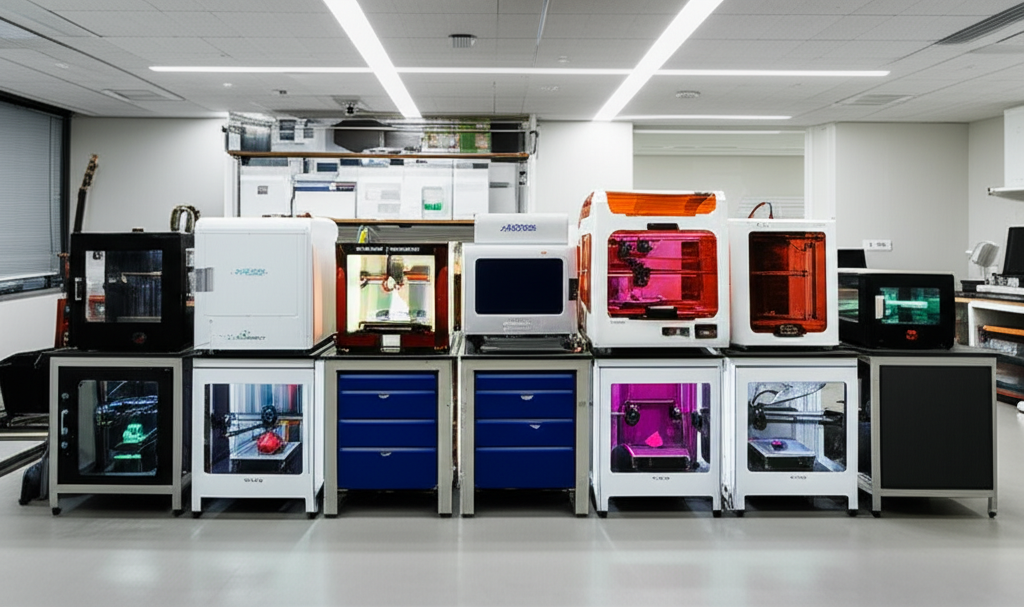
The selection of 3D printing technologies for a university lab is driven not just by cost but, more importantly, by the specific features and capabilities each offers in relation to the academic research objectives.
Precision and resolution
Different research areas demand varying levels of precision. For example:
- High precision: Biomedical engineering for microfluidic devices or intricate surgical guides, jewelry design, or micro-robotics often require technologies like SLA, DLP, or Material Jetting, which can achieve layer heights down to a few microns and exceptional feature detail.
- Moderate precision: General engineering prototyping, architectural models, or educational aids may be adequately served by FDM or SLS, where dimensional accuracy is important but ultra-fine features are not critical.
Understanding the minimum feature size, dimensional accuracy, and surface finish requirements for the majority of anticipated projects helps narrow down the technological choices.
Material versatility and mechanical properties
The range of materials a technology can process and the resulting mechanical properties are fundamental considerations:
- FDM: Offers a wide range of engineering plastics, good for functional prototypes with decent strength and stiffness.
- SLA/DLP: Primarily photopolymer resins, offering smooth finishes and various properties (rigid, flexible, clear, biocompatible), but generally not as strong as FDM or SLS for load-bearing applications.
- SLS: Nylon and TPU powders yield strong, durable, and flexible parts suitable for end-use applications and complex geometries.
- Material Jetting: Unique in its ability to combine multiple materials, offering varying shore hardnesses and full-color capabilities for highly realistic models.
- Binder Jetting: Broad material compatibility including metals, ceramics, and sand, but the final part properties depend heavily on post-processing.
- Metal AM: Produces fully dense, high-performance metal parts with properties comparable to traditionally manufactured metals, critical for aerospace, medical, and high-stress applications.
An interdisciplinary lab will likely benefit from a portfolio of machines capable of handling diverse material requirements, from basic plastics for rapid iteration to high-performance metals for advanced research.
Build volume and speed
The physical size of parts and the desired turnaround time are practical considerations:
- Build Volume: Some research, such as large-scale architectural models or anatomical reproductions, demands large build envelopes. FDM and Binder Jetting often offer larger volumes at a relatively lower cost per cubic inch. Other technologies might offer smaller, more precise build volumes.
- Print Speed: For rapid iteration and high throughput, technologies like DLP (for resins) or Binder Jetting (for powders) can be significantly faster than laser-based systems for certain part geometries. However, print speed often needs to be balanced against resolution and material properties.
A lab might choose to have a few large-volume, slower machines for big projects and several smaller, faster machines for quick prototypes.
Ease of use and workflow integration
Given that a university lab will serve a diverse user base, the ease of operation and integration into existing research workflows are important. User-friendly interfaces, intuitive software, and minimal calibration requirements can significantly reduce the learning curve and increase adoption. Technologies requiring extensive post-processing or complex material handling might necessitate more specialized training and dedicated technicians, impacting accessibility for general users.
Post-processing requirements
The post-processing steps can be as critical as the printing process itself. This includes:
- Support removal: Manual, soluble, or break-away supports (FDM, SLA, Material Jetting).
- Cleaning and curing: Washing and UV post-curing for resin-based prints.
- Powder removal and recovery: For SLS and Binder Jetting.
- Sintering/infiltration: For Binder Jetting parts.
- Heat treatment and surface finishing: For metal AM parts.
Each post-processing step adds to the time, cost, and complexity of producing a finished part. A well-designed lab must account for the space, equipment, and personnel required for these crucial steps.
Infrastructure and facility planning
The consumer toolchanger 3D printer: the SnapSwap 4-toolhead system swaps heads in 5 seconds for true multi-color and multi-material printing, with smart calibration and auto filament loading.
The physical environment of the 3D printing lab is as critical as the equipment it houses. Proper infrastructure planning ensures operational efficiency, user safety, and compliance with regulatory standards.
Space and layout considerations
The lab space must be designed with workflow, accessibility, and safety in mind. Key considerations include:
- Dedicated printing zones: Segregating different technologies based on their environmental requirements (e.g., clean room for resin printers, ventilated area for FDM).
- Post-processing areas: Separate zones for washing, curing, powder removal, and finishing, often requiring sinks, ventilation, and specialized tools.
- Material storage: Secure, climate-controlled storage for filaments, resins, and powders, some of which may be sensitive to light, moisture, or temperature.
- Workstations: Desks with computers for design, slicing, and print preparation.
- Training and collaboration space: An area for instruction, workshops, and interdisciplinary discussions.
- Loading/unloading zones: For large machines or material deliveries.
- Expandability: Designing the lab with future growth in mind, allowing for additional machines or new technologies.
The layout should minimize cross-contamination between different material types and ensure a logical flow from design to finished part.
Power, ventilation, and environmental control
These are critical for both equipment performance and user safety:
- Power requirements: Industrial 3D printers, especially SLS and metal AM systems, require significant and often three-phase power. Proper electrical infrastructure and dedicated circuits are essential.
- Ventilation: Many 3D printing processes release ultrafine particles (UFPs) and volatile organic compounds (VOCs). Effective local exhaust ventilation (LEV) and general room ventilation are crucial to maintain air quality and comply with occupational safety standards. Specific systems might be needed for resin fumes, powder dust, or exhaust from high-temperature processes.
- Temperature and humidity control: Consistent environmental conditions are vital for print quality and material stability, especially for sensitive materials like certain resins or metal powders. A stable climate also prolongs equipment lifespan.
- Inert gas supply: Metal AM and some SLS systems require an inert atmosphere (e.g., argon, nitrogen) to prevent oxidation during printing. This necessitates a robust gas supply system, including storage tanks and distribution lines, with appropriate safety interlocks.
Safety protocols and compliance
Safety is paramount in any lab environment, particularly one dealing with advanced manufacturing. A comprehensive safety plan must address:
- Chemical handling: Protocols for storing, dispensing, and disposing of liquid resins, binders, and solvents.
- Powder handling: Strict procedures for managing fine powders, especially reactive metal powders, to prevent inhalation, skin exposure, and explosion hazards. This includes specialized PPE, grounded equipment, and inert environments.
- Thermal hazards: Protection from high temperatures associated with heated print beds, extrusion nozzles, lasers, and post-processing furnaces.
- Mechanical hazards: Safeguards around moving parts of printers.
- Laser safety: For laser-based systems, ensuring proper enclosures, interlocks, and eye protection.
- Waste management: Proper disposal of hazardous waste (e.g., uncured resin, contaminated solvents, used metal powder).
- Emergency procedures: Clear protocols for spills, fires, and equipment malfunctions.
Compliance with local, national, and university-specific health and safety regulations is non-negotiable. Regular safety audits and ongoing training are essential to maintain a safe working environment.
Staffing, training, and lab management models
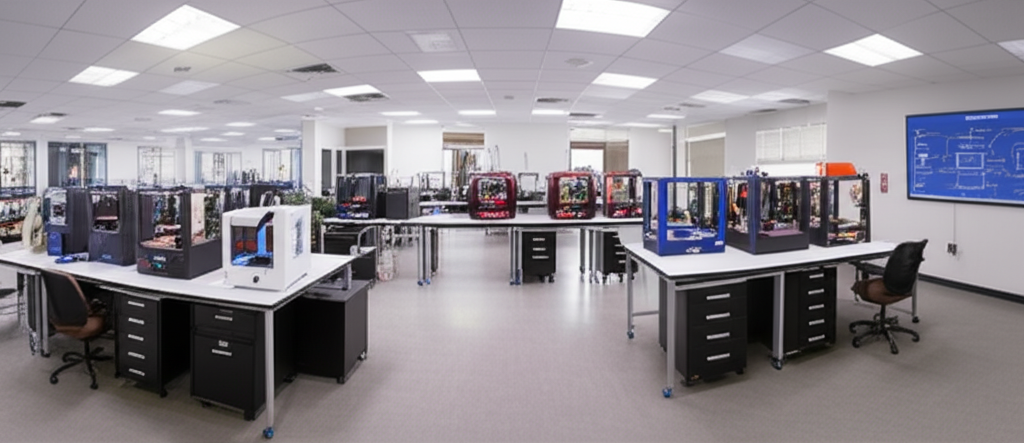
The success of a university-wide 3D printing lab hinges not only on its equipment but also on the human element: the expertise of its staff and the efficiency of its management.
Expert personnel
A dedicated team is crucial for the optimal operation of a multi-technology lab. This team typically includes:
- Lab Director/Manager: Responsible for strategic planning, budget management, policy development, and fostering interdisciplinary collaboration.
- Lead Technicians/Engineers: Experts in specific 3D printing technologies, responsible for machine operation, maintenance, troubleshooting, and assisting researchers with complex prints. For advanced metal or ceramic printing, specialized materials engineers might be required.
- Student Assistants: Can help with basic operations, cleaning, and user support, providing valuable hands-on experience.
The size and composition of the team will depend on the lab’s scale, the complexity of the technologies, and the anticipated user volume. Investing in highly skilled personnel is an investment in the lab’s efficiency and research output.
User training and certification
To ensure safe and effective use of the shared resources, a structured training and certification program is vital. This might involve:
- Tiered access: Basic training for general users on entry-level FDM machines, intermediate training for SLA/SLS, and advanced certification for complex or high-risk metal AM systems.
- Online modules and in-person workshops: Combining theoretical knowledge with practical hands-on experience.
- Safety briefings: Mandatory for all users, tailored to the specific hazards of the technologies they will use.
- Design for Additive Manufacturing (DfAM) courses: Educating users on how to optimize their designs for 3D printing, leveraging the unique capabilities of each technology.
Ongoing training and refresher courses ensure that users remain proficient and aware of any new procedures or safety updates.
Access and booking systems
Efficient management of shared resources requires robust access and booking systems:
- Online booking platform: Allowing users to schedule machine time, submit print jobs, and track their project status.
- Cost recovery model: Implementing a fair charging mechanism for material usage, machine time, or technician support. This could involve internal departmental billing or a pay-per-use model for external users. The goal is often cost recovery rather than profit generation, ensuring sustainability.
- Prioritization policies: Establishing clear guidelines for prioritizing research projects, especially during peak demand periods.
- Data management: Secure storage of print files, project data, and usage logs, potentially integrating with existing university research data management systems.
Transparency and ease of access are key to maximizing the utility of the lab for the entire university community.
Data management and IP protection
In a research environment, intellectual property (IP) is a critical concern. The lab must have clear policies and secure systems for:
- File security: Protecting users’ design files and research data from unauthorized access.
- Confidentiality agreements: For lab staff and potentially external users.
- IP ownership: Clear guidelines on who owns the IP generated using lab resources, in accordance with university policies.
- Data archiving: Long-term storage of print parameters and results for reproducibility and future reference.
These measures build trust and encourage researchers to utilize the shared facilities for their most sensitive projects.
Funding strategies for a sustainable lab
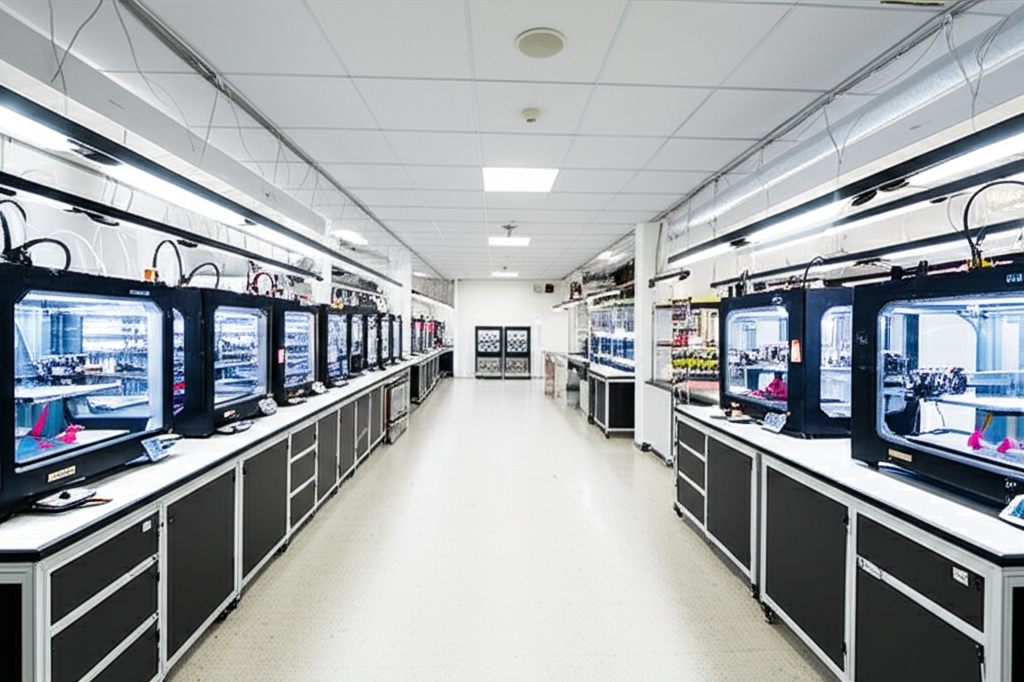
Establishing and sustaining a university-wide 3D printing lab requires a multi-faceted funding approach, moving beyond initial capital grants to ensure long-term viability.
- Institutional investment: Initial seed funding from the university leadership is often crucial to kickstart the project, demonstrating institutional commitment.
- Research grants: Securing large-scale grants from national science foundations, government agencies, or industrial partners specifically for advanced manufacturing infrastructure.
- Cost recovery models: Implementing a transparent fee structure for users to cover material costs, machine wear-and-tear, and a portion of operational expenses. This is typically not for profit but for sustainability.
- Industry partnerships: Collaborating with 3D printing manufacturers or companies interested in academic research, potentially leading to equipment donations, sponsored research projects, or discounted materials.
- Endowments and philanthropic donations: Seeking support from alumni or foundations interested in supporting cutting-edge research and education.
- Internal departmental contributions: Departments that anticipate heavy usage might contribute annually to the lab’s operational budget in exchange for guaranteed access or subsidized rates.
A diversified funding strategy ensures the lab’s resilience and ability to upgrade equipment and expand services as technology advances and research needs evolve.
The interdisciplinary advantage: Fostering collaboration

Beyond the technical capabilities and cost efficiencies, the most significant long-term benefit of a university-wide 3D printing lab is its power to foster interdisciplinary collaboration. By creating a neutral ground where researchers from disparate fields can access common tools and expertise, the lab becomes a melting pot for innovative ideas.
- Shared learning: Engineers can learn about material science applications from chemists, while artists can gain insights into structural integrity from architects.
- Novel research directions: The convergence of different perspectives often leads to breakthroughs that might not occur within a single disciplinary context. For example, a medical researcher might discover a new application for a material developed by a materials scientist, or a fashion designer might leverage advanced computational design tools from a computer science department.
- Enhanced grant opportunities: Interdisciplinary projects are increasingly favored by funding agencies, and a centralized lab can facilitate the formation of such research teams.
- Student engagement: Provides students with real-world experience in collaborative environments, preparing them for complex challenges in industry and academia.
The lab should actively promote networking events, workshops, and open houses to encourage cross-pollination of ideas and maximize its interdisciplinary impact.
Conclusion: Building a future-ready research hub
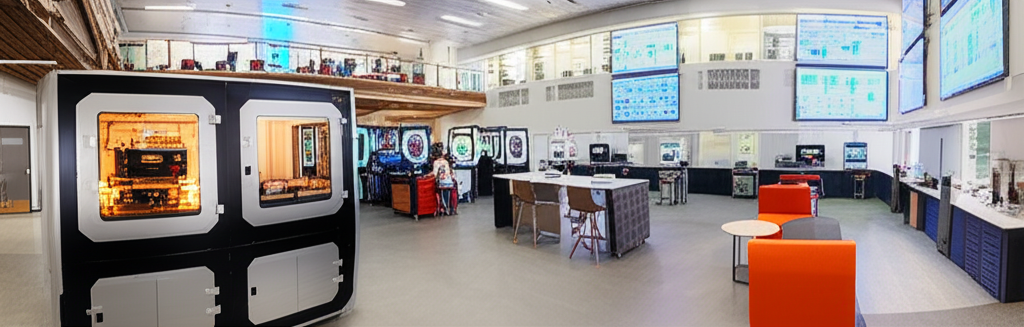
Designing and implementing a university-wide 3D printing lab is a complex yet immensely rewarding endeavor. It requires a meticulous approach to evaluating diverse technologies, understanding their intricate cost structures and unique features, and planning for robust infrastructure, skilled staffing, and sustainable funding. By objectively comparing options and focusing on the core needs of a diverse academic community, institutions can establish a state-of-the-art facility that not only supports current research but also anticipates future advancements in additive manufacturing.
Such a lab serves as a powerful testament to a university’s commitment to innovation, providing shared resources that empower academic research across a multitude of disciplines. It becomes a dynamic hub where ideas are rapidly transformed into tangible realities, fostering an environment of discovery, collaboration, and education that prepares the next generation of innovators for a world increasingly shaped by advanced manufacturing.