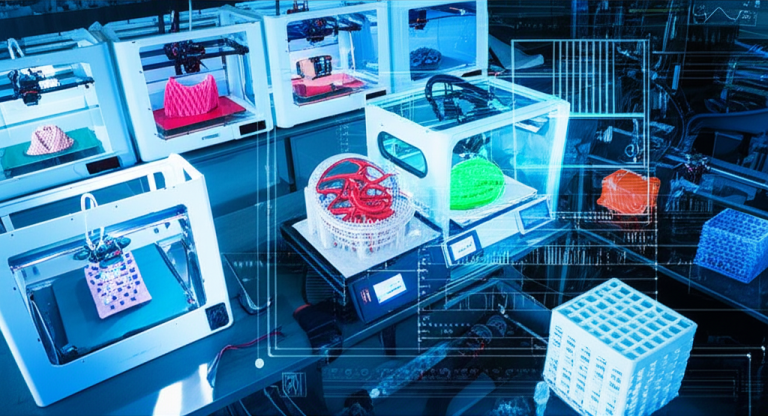
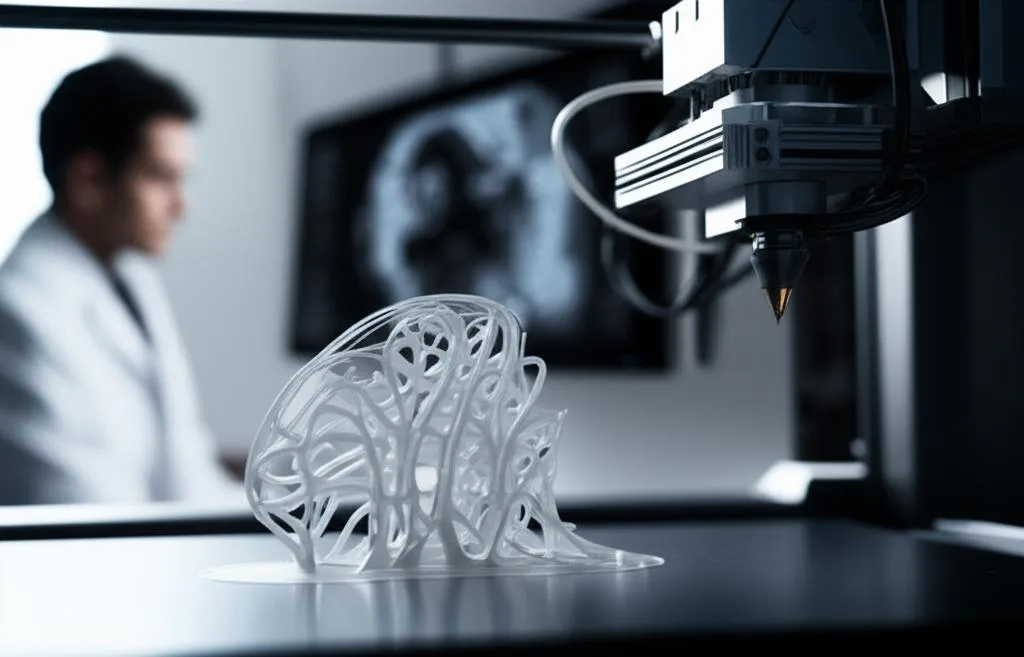
The landscape of healthcare is undergoing a transformative shift, largely due to the rapid advancements in technology. Among these, 3D printing in medicine stands out as a revolutionary force, offering unparalleled precision, customization, and efficiency. Once considered a niche manufacturing technique, three-dimensional printing has found groundbreaking applications across various medical fields, from personalized patient care to complex surgical procedures and prosthetic innovation.
Personalized Prosthetics and Implants
One of the most immediate and impactful Applications of 3D Printing is in the realm of prosthetics and custom implants. Traditional methods often involved lengthy production times and less precise fitting, leading to discomfort for patients. With 3D printing, medical professionals can create highly customized prosthetic limbs, dental implants, and even cranial plates that perfectly match an individual’s anatomy. This not only improves comfort and functionality but also significantly reduces recovery times and increases the success rate of interventions. The ability to tailor devices to unique patient specifications marks a major leap forward in patient-specific treatment.
Surgical Planning and Training
Beyond physical implants, 3D printing is invaluable for pre-surgical planning and medical education. Surgeons can now print exact anatomical models of a patient’s organs or affected areas based on MRI or CT scans. These highly accurate replicas allow surgeons to visualize complex cases, practice intricate procedures, and identify potential challenges before stepping into the operating room. This reduces surgical risks, shortens operation times, and improves patient outcomes. Furthermore, these models serve as excellent training tools for medical students and residents, providing hands-on experience with realistic anatomical structures.
Bioprinting and Drug Development
The frontier of 3D printing in medicine extends to bioprinting – the creation of living tissues and organs. While still in its early stages, bioprinting holds immense promise for the future, potentially leading to on-demand organ transplantation and drug testing without animal models. Researchers are exploring ways to print functional tissues like skin, cartilage, and even preliminary organ structures. Moreover, 3D printing facilitates the development of personalized drug delivery systems, allowing for customized dosages and release profiles tailored to a patient’s specific needs, which can enhance therapeutic efficacy and minimize side effects.
Conclusion
The innovative Applications of 3D Printing are continuously expanding, promising to reshape healthcare delivery. From creating life-changing prosthetics and aiding in precise surgical planning to pioneering the next generation of bioprinted organs and personalized medicine, 3D printing is not just a tool but a catalyst for medical breakthroughs. Its potential to offer more accessible, affordable, and highly customized healthcare solutions makes it a cornerstone of modern medical innovation, with a future that looks increasingly bright for patients worldwide.
Frequently asked questions
Is 3D-printed medical equipment safe for long-term use inside the body?
Safety depends on the material and regulatory approval. Custom implants like cranial plates and dental implants are printed from biocompatible materials (e.g., medical-grade titanium or PEEK) that have been tested for long-term implantation. However, any 3D-printed device placed inside the body must meet FDA or equivalent regulatory standards; not all experimental printed parts are certified for permanent use.
How much cheaper are 3D-printed prosthetics compared to traditionally manufactured ones?
The article does not specify exact cost savings, but 3D printing reduces production time and eliminates the need for expensive molds or manual sculpting, which can lower costs significantly for custom devices. Traditional prosthetics often require multiple fittings and manual labor, while a 3D-printed prosthetic can be produced in a single digital workflow, potentially cutting costs by 50–90% for basic functional limbs, though prices vary by complexity and material.
Can 3D-printed anatomical models be used for actual surgery, or only for planning?
They are primarily used for pre-surgical planning and training, not as implantable or load-bearing surgical components. Surgeons practice on exact replicas printed from patient CT/MRI scans to reduce risks and shorten operation times, but the model itself is removed before the real procedure. Some printed surgical guides (e.g., cutting templates for bone reconstruction) are sterile and used briefly in the OR, but they are not left inside the body.