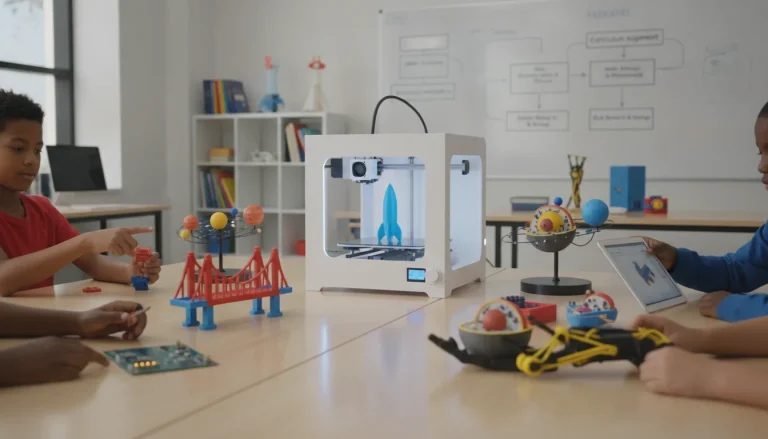

Integrating 3D printing into educational curricula has emerged as a transformative force, fostering innovation, critical thinking, and problem-solving skills among students. From conceptualising designs in science and engineering classes to creating tactile models for history lessons, the applications are vast. However, for many educational institutions, the prospect of establishing a robust 3D printing program often collides with the reality of a constrained school 3D printing budget. This guide aims to objectively explore the various facets of cost, equipment selection, and resource acquisition, enabling schools to make informed decisions that align with their financial capabilities and educational objectives.
Understanding the cost landscape of a school 3D printing program
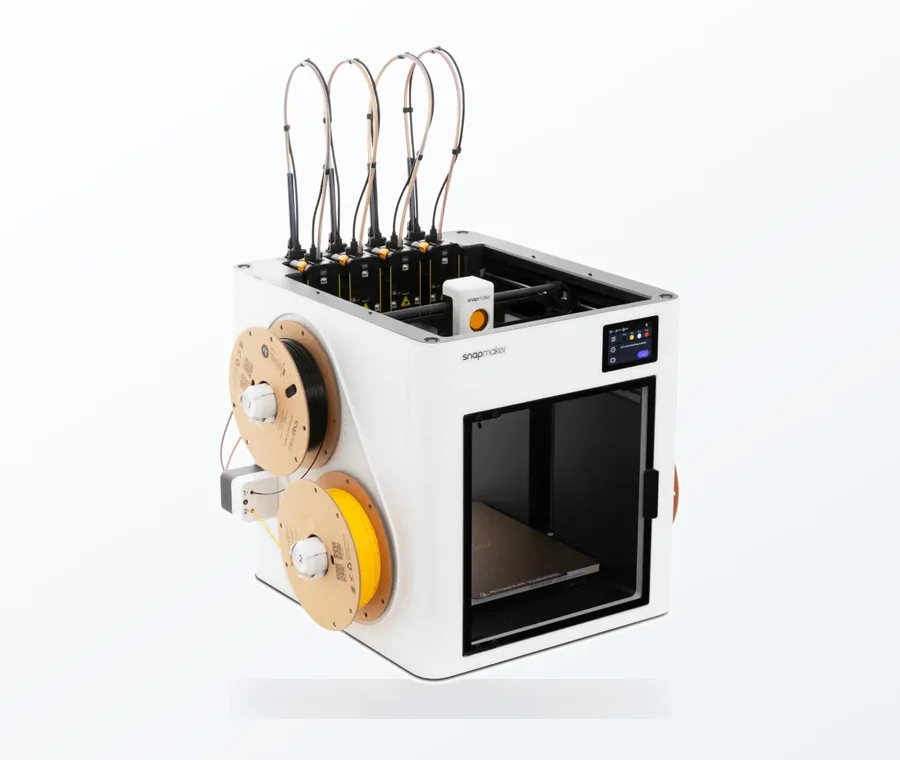
The consumer toolchanger 3D printer: the SnapSwap 4-toolhead system swaps heads in 5 seconds for true multi-color and multi-material printing, with smart calibration and auto filament loading.
- 4 toolheads · 5 s swap
- Up to 500 mm/s · 20,000 mm/s²
- 270 mm cube build volume
- Multi-color & multi-material
Embarking on a 3D printing initiative requires a comprehensive understanding of the associated costs, which extend far beyond the initial purchase price of the printer itself. A truly ‘shoestring’ budget necessitates meticulous planning for both upfront investments and long-term operational expenses. These components collectively define the financial commitment required to sustain a functional and impactful program.
Key cost components to consider
- Hardware acquisition: This is the most visible cost, encompassing the 3D printer units. Considerations include the number of printers, their build volume, and the underlying technology.
- Materials (Filament/Resin): Consumables like plastic filament (for FDM printers) or liquid resin (for SLA/DLP printers) represent an ongoing expenditure. Material type, colour, and quality directly influence cost.
- Software licenses: While many educational institutions can access free or open-source design and slicing software, some advanced features or professional-grade tools may incur subscription fees.
- Maintenance and spare parts: 3D printers, like any mechanical equipment, require periodic maintenance and the occasional replacement of wear-and-tear components such as nozzles, build plates, or stepper motors.
- Training and professional development: Equipping educators with the necessary skills to operate the printers, troubleshoot issues, and integrate 3D printing effectively into lessons is crucial. This may involve workshops, online courses, or dedicated training programs.
- Safety equipment: Depending on the printer technology and materials used, safety gear like ventilation systems, personal protective equipment (PPE), and fire suppression tools may be necessary, adding to the initial setup cost.
Evaluating affordable 3D printers for educational settings

When operating with a limited school 3D printing budget, the choice of printer technology becomes paramount. Fused Deposition Modeling (FDM) printers are generally the most accessible and widely recommended for classroom environments due to their relative simplicity, lower material costs, and enhanced safety profile compared to other technologies.
FDM (Fused Deposition Modeling) printers
FDM printers work by extruding thermoplastic filament layer by layer to build an object. They are robust, relatively easy to operate, and forgiving for beginners. Several factors influence their suitability for schools:
- Price point: Entry-level FDM printers are available at various price points, often ranging from a few hundred to over a thousand dollars per unit. The lower end typically offers smaller build volumes and fewer advanced features, while higher-priced models may provide larger print areas, automatic bed levelling, or enclosed print chambers.
- Material versatility: FDM printers primarily use spools of plastic filament. PLA (Polylactic Acid) is a popular choice for schools due to its biodegradability, low odour, and ease of printing. PETG offers more durability, while ABS, though stronger, requires better ventilation. The cost per kilogram of filament can vary significantly based on type and supplier.
- Ease of use and maintenance: Many affordable 3D printers designed for educational use feature user-friendly interfaces and simplified setup processes. Maintenance often involves routine cleaning, nozzle replacement, and build plate care.
- Safety considerations: While FDM printing generally poses fewer hazards than resin-based methods, considerations like heated beds, hot nozzles, and potential for plastic fumes (especially with ABS) necessitate proper ventilation and supervision. Enclosed printers can offer an added layer of safety by containing heat and fumes.
- Community support and open-source nature: Many FDM printer manufacturers foster active online communities, providing extensive resources, troubleshooting tips, and modifications. Open-source printer designs and software can further reduce long-term costs and facilitate customisation.
SLA/DLP (Resin-based) printers
Stereolithography (SLA) and Digital Light Processing (DLP) printers use liquid resin cured by UV light to create highly detailed models. While offering superior resolution and smoother finishes, they generally present a less practical option for a tight school 3D printing budget:
- Higher material cost: Liquid resins are significantly more expensive per kilogram than FDM filaments.
- Post-processing requirements: Printed objects often require washing in isopropyl alcohol and post-curing under UV light, adding to the material and equipment costs.
- Safety and ventilation: Resins can be skin irritants and emit fumes, necessitating robust ventilation, gloves, and eye protection, which adds to the operational complexity and safety infrastructure requirements in a classroom.
Given these factors, FDM printers are typically the more pragmatic choice for schools initiating a 3D printing program with budget constraints.
Optimizing ongoing expenses for sustainability
Beyond the initial hardware investment, managing recurring costs is crucial for the long-term viability of a school’s 3D printing program. Strategic approaches to materials, software, and maintenance can significantly reduce the overall financial burden.
Material procurement strategies
- Bulk purchasing: Collaborating with other schools or purchasing filament in larger quantities can often lead to significant per-kilogram savings.
- Exploring various suppliers: Researching different manufacturers and distributors can uncover more competitive pricing for quality filament.
- Focusing on cost-effective materials: Prioritising PLA for most projects due to its lower cost and ease of use, reserving more expensive or specialised filaments for specific, high-impact applications.
- Filament recycling initiatives: Investigating local recycling programs or in-school initiatives that can repurpose plastic waste into new filament, reducing waste and material costs.
Leveraging free and open-source software
The 3D printing ecosystem is rich with powerful, free, and open-source software options that can meet most educational needs:
- CAD (Computer-Aided Design) software: Tools like Tinkercad (web-based, intuitive for beginners), Fusion 360 (free for educational use, more advanced), and Onshape (cloud-based, free educational plan) provide robust design capabilities without licensing fees.
- Slicing software: Programs like Cura and PrusaSlicer are free, open-source, and compatible with a vast array of FDM printers, offering comprehensive control over print settings.
Proactive maintenance and troubleshooting
Regular, simple maintenance routines can prevent costly repairs and extend the lifespan of affordable 3D printers:
- Regular cleaning: Keeping the print bed, nozzle, and moving parts free of debris.
- Firmware updates: Ensuring printers run on the latest firmware for optimal performance and bug fixes.
- Learning basic troubleshooting: Empowering teachers and designated students to address common issues like clogs or bed adhesion problems, reducing the need for external technical support.
Funding strategies for school 3D printing programs

Securing adequate funding is often the most significant hurdle for schools aiming to implement new classroom technology. A multi-pronged approach, leveraging various funding strategies, can significantly improve the chances of success.
Exploring education grants
Grants are a cornerstone for funding educational initiatives. Various entities offer education grants specifically for technology integration, STEM education, or innovative learning environments:
- Federal and state grants: Government agencies often have programs aimed at improving educational outcomes, which can include funding for technology. Research specific state departments of education or federal programs like those from the Department of Education.
- Corporate grants: Many technology companies, manufacturing firms, and large corporations have philanthropic arms or CSR (Corporate Social Responsibility) initiatives that support education. Look for companies with a vested interest in STEM fields or workforce development.
- Foundation grants: Private foundations, both national and local, frequently offer grants to schools for specific projects. Websites like the Foundation Center or local community foundation directories can be valuable resources.
- Grant proposal development: Successful grant applications typically require a well-articulated proposal that clearly outlines the program’s objectives, how it aligns with the grant’s mission, the projected impact on student learning, and a detailed budget breakdown. Demonstrating how 3D printing supports curriculum standards and prepares students for future careers can strengthen a proposal.
Internal school budget allocation
Making a compelling case to school administration and district leaders is vital. This involves:
- Demonstrating educational value: Highlighting how 3D printing enhances learning outcomes, fosters creativity, and provides hands-on experience in design, engineering, and problem-solving.
- Quantifying benefits: Presenting data or case studies from other schools that have successfully integrated 3D printing.
- Long-term vision: Explaining how the program can grow and benefit multiple departments over time, making it a sustainable investment in classroom technology.
Parent-Teacher Organizations (PTAs/PTOs) and community involvement
- Fundraising events: PTAs/PTOs can organise dedicated fundraising drives for 3D printing equipment and materials.
- Direct appeals: Engaging parents and the wider community through newsletters, social media, or school events to solicit donations.
- Community partnerships: Collaborating with local businesses, makerspaces, or universities that might offer equipment, expertise, or discounted materials.
- Crowdfunding platforms: Utilising educational crowdfunding websites where teachers can post project requests for equipment or supplies.
Creative fundraising initiatives
Beyond traditional methods, schools can explore innovative ways to generate funds:
- Selling 3D printed items: Students can design and print items (e.g., keychains, small toys, custom awards) to sell at school fairs or community events, with proceeds reinvested into the program.
- Providing printing services: Offering 3D printing services to other school departments (e.g., props for drama, models for science) or local non-profits at a nominal fee.
- Hosting workshops: Organising paid 3D printing workshops for students, parents, or community members to generate revenue while also promoting the technology.
Integrating 3D printing into the curriculum: A justification for investment
The true value of a school 3D printing program lies not just in the hardware, but in its seamless integration into the curriculum. When justified effectively, the investment in classroom technology like 3D printers becomes a clear pathway to enhanced learning. It supports project-based learning, allowing students to move from abstract concepts to tangible prototypes. It cultivates design thinking, encouraging iterative processes and problem-solving. Furthermore, it directly aligns with STEM education goals, providing hands-on experience in engineering design, digital fabrication, and material science. This practical application of knowledge can significantly boost student engagement and prepare them for future academic and professional pursuits, making a strong case for even a modest school 3D printing budget.
Establishing a 3D printing program in a school, even with a limited school 3D printing budget, is an achievable goal with careful planning and resourcefulness. By objectively assessing the cost components, selecting suitable affordable 3D printers, optimising ongoing expenses, and strategically pursuing diverse funding strategies, educational institutions can unlock the transformative potential of this classroom technology. The key lies in a clear vision for how 3D printing will enhance learning, coupled with a pragmatic approach to financial management, empowering students with invaluable skills for the future.
Frequently asked questions
Is PLA filament safe to use in a classroom without special ventilation?
Yes, PLA (Polylactic Acid) is generally considered safe for classroom use as it is biodegradable, produces low odour, and emits minimal fumes compared to materials like ABS. However, even with PLA, it is good practice to ensure the room has basic ventilation, and enclosed printers can provide an extra layer of safety by containing any residual heat or particles.
Can we use free software for both designing and slicing 3D models?
Yes, the article highlights several powerful free options: Tinkercad and Fusion 360 (free educational license) for CAD design, and Cura or PrusaSlicer for slicing. These tools cover the full workflow from design to print without any licensing fees, making them ideal for budget-constrained programs.
What is the most common mistake schools make when starting a 3D printing program on a tight budget?
The most common mistake is focusing only on the upfront printer cost and underestimating ongoing expenses like filament, replacement nozzles, and maintenance. The article stresses that a sustainable program requires planning for all cost components, including materials, training, and spare parts, not just the initial hardware purchase.