
The world of 3D printing offers unparalleled creative freedom, but it also generates a significant amount of plastic waste. Failed prints, support structures, and calibration tests often end up in landfills, contributing to environmental concerns. However, for enthusiasts and professionals alike, a sustainable solution is emerging: home recycling of common 3D printing materials like PLA and PETG. This guide delves into the practicalities, equipment considerations, and cost structures involved in transforming your printing waste into valuable new filament spools.
Why consider home recycling PLA and PETG?
Embracing home filament recycling isn’t just a niche hobby; it’s a strategic move with multiple benefits:
- Environmental stewardship: Reducing your plastic waste footprint is perhaps the most compelling reason. PLA, while often touted as biodegradable, requires specific industrial composting conditions not readily available everywhere. PETG is durable but also contributes to plastic accumulation. Home recycling keeps these materials out of landfills.
- Cost efficiency: Filament can be a significant ongoing expense. By repurposing your failed prints and scraps, you can substantially reduce your material costs, turning what was once waste into a valuable resource. The initial investment in recycling equipment can pay for itself over time.
- Resource independence: Having the ability to produce your own filament offers a degree of independence from commercial suppliers. You can experiment with custom blends or colors, and you’re less susceptible to supply chain disruptions or price fluctuations.
- Learning and innovation: The process of recycling plastic and extruding filament offers a fascinating insight into material science and manufacturing. It’s a hands-on learning experience that can deepen your understanding of 3D printing materials.
Understanding PLA and PETG for recycling
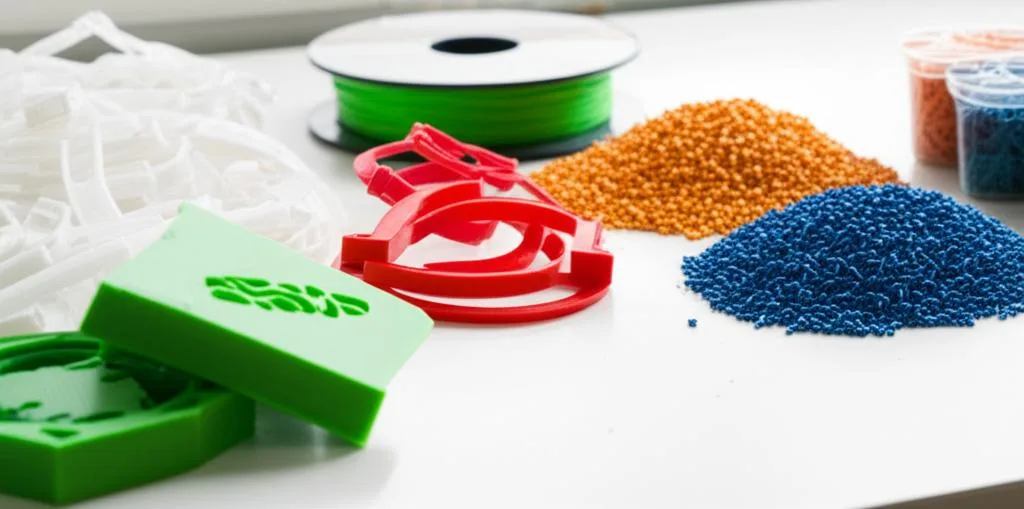
Before diving into the recycling process, it’s crucial to understand the characteristics of PLA (Polylactic Acid) and PETG (Polyethylene Terephthalate Glycol-modified), as they influence recycling methods:
- PLA: Derived from renewable resources like corn starch, PLA has a relatively low melting point (around 175-190°C). It’s generally easier to shred and extrude than many other plastics, making it an excellent starting point for home recycling. However, it can be brittle and prone to moisture absorption, which needs to be managed during storage and processing.
- PETG: A more robust and flexible material than PLA, PETG has a higher melting point (around 220-250°C). Its strength and layer adhesion make it popular, but these properties also mean it requires more energy for shredding and extrusion. PETG is less prone to brittleness but also susceptible to moisture.
Both materials are thermoplastics, meaning they can be melted and reformed multiple times without significant degradation, making them ideal candidates for home recycling. However, repeated heating cycles can eventually lead to some degradation of mechanical properties, so it’s a balance.
The home recycling process: A step-by-step guide
Transforming plastic waste into new filament involves several key stages, each with its own considerations for equipment and technique.
Step 1: Collection and sorting
The foundation of successful recycling lies in meticulous preparation. This stage is critical for maintaining material purity and achieving consistent results.
- Separate by material type: Absolutely essential. PLA and PETG cannot be mixed during recycling, as their different melting points and chemical compositions will lead to poor-quality, unusable filament. Clearly label collection bins for each material.
- Separate by color (optional but recommended): If you desire consistent colored filament, sort your waste by color. Mixing various colors will typically result in a muddy, undefined shade. For black or grey filament, mixing darker scraps is often acceptable.
- Clean the waste: Dust, dirt, labels, or any other contaminants can severely impact the quality of your recycled filament. Ensure all pieces are free of foreign matter. A simple brush or a wipe with a damp cloth (followed by thorough drying) can suffice. Remove any non-plastic components like metal screws or adhesive residue.
Step 2: Shredding or grinding
To prepare the plastic for extrusion, it must be reduced to small, manageable pieces, typically granules or flakes. The consistency of particle size is crucial for a smooth extrusion process.
- Manual methods (pliers, cutters): This is the lowest-cost option, requiring no specialized machinery. Using heavy-duty pliers, wire cutters, or even a strong pair of scissors, you can break down smaller failed prints. However, it’s incredibly labor-intensive, time-consuming, and produces highly inconsistent particle sizes, which can lead to uneven melting and blockages in an extruder. This approach is generally only feasible for very small, occasional batches.
- DIY shredders: Many hobbyists adapt existing tools or build custom shredders. Modified paper shredders (often requiring significant reinforcement and motor upgrades) can handle some brittle plastics, but they are generally not designed for the rigidity of 3D printing waste. Custom-built solutions, often based on open-source designs, can be more effective but require significant technical skill, safety considerations, and an investment in components like motors, gearboxes, and cutting blades. The cost here can range from a few hundred to over a thousand dollars, depending on the build. Output consistency can vary greatly.
- Dedicated plastic granulators/shredders: These are purpose-built machines designed to process plastics into consistent granules. They range from compact desktop units to industrial-grade machines.
When evaluating shredding equipment, consider the throughput you need, the desired particle size consistency, the noise level, and critically, safety features like emergency stops and enclosed blades.
Step 3: Extrusion
This is the heart of the recycling process, where shredded plastic is melted and pushed through a die to form a continuous strand of filament. The equipment for this stage is known as a home filament maker or extruder.
- Basic DIY extruders/kits: The entry point for home extrusion, these often come as kits or open-source plans. They typically consist of a heated barrel, an auger screw to move the plastic, a nozzle (die), and a basic motor.
- Mid-range pre-built home filament makers: These machines offer a more integrated and automated experience, aiming for better filament quality and ease of use.
- High-end compact extruders: Approaching professional-grade, these machines are designed for maximum consistency and reliability, often used by small businesses producing specialized filaments.
When comparing extruders, critically evaluate the diameter tolerance they can achieve (e.g., +/- 0.05mm is good for 3D printing), the heating stability, the efficiency of the cooling system, and the robustness of the winding mechanism. The ability to precisely control extrusion speed and temperature is paramount for quality.
Step 4: Spooling and storage
Once extruded, the filament needs to be properly wound onto a spool and stored to maintain its quality.
- Winding: Most mid-range and high-end extruders include an integrated winding system that automatically spools the filament. For DIY setups, manual winding or a separate DIY winder (often motor-driven with a slip clutch) is necessary. Consistent tension during winding prevents tangles and kinks.
- Storage: Both PLA and PETG are hygroscopic, meaning they absorb moisture from the air. Moisture-laden filament can lead to bubbles, stringing, and poor layer adhesion during printing. Store your newly recycled spools in airtight containers with desiccant packets (e.g., silica gel) to keep them dry. Vacuum-sealable bags are also an excellent option.
Cost structures and equipment considerations
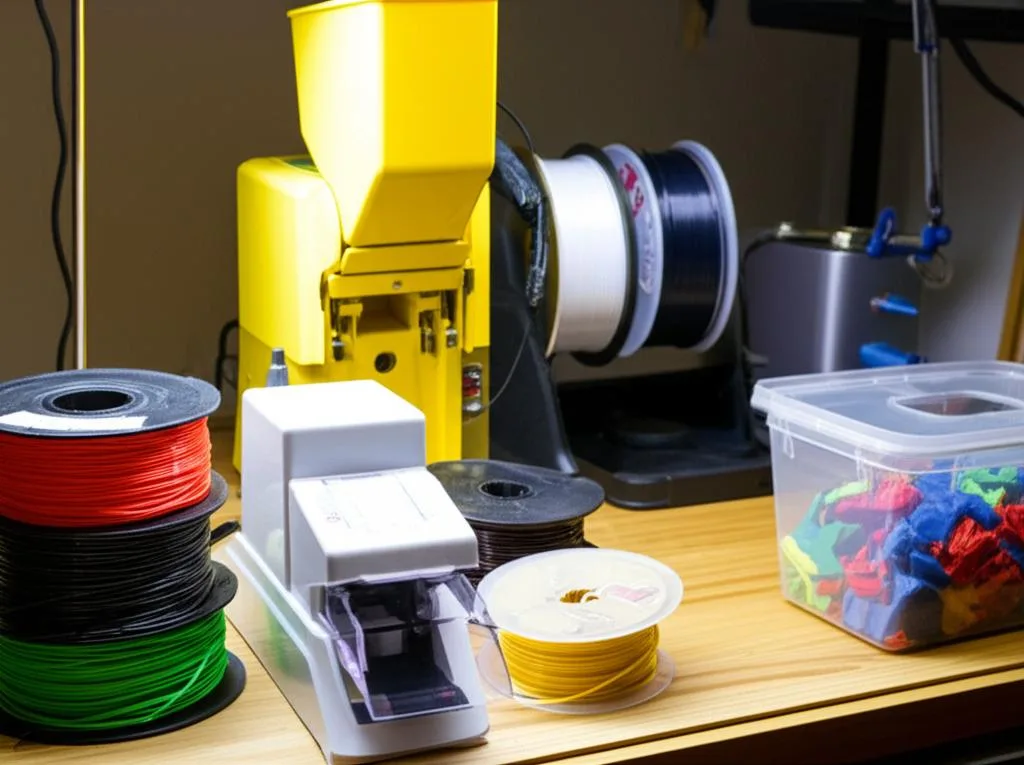
The total cost of setting up a home PLA and PETG recycling system varies dramatically based on the chosen solutions for shredding and extrusion. It’s not just about the initial purchase price, but also ongoing operational costs and the value of your time.
Initial investment breakdown:
- Shredding equipment:
- Manual tools: $10 – $50 (minimal).
- DIY shredder components: $200 – $1,000+ (variable, depending on custom build vs. modified existing tools).
- Compact dedicated granulator: $1,000 – $3,000+.
- Filament extruder (home filament maker):
- Basic DIY kit/components: $300 – $1,000.
- Mid-range pre-built unit: $1,500 – $4,000+.
- High-end compact unit: $5,000 – $10,000+.
- Ancillary equipment:
- Safety gear (respirator, gloves): $50 – $200.
- Storage solutions (airtight containers, desiccants): $50 – $200.
- Precision calipers/micrometer (for diameter checks): $20 – $100.
- Dryer box (for pre-drying plastic or post-drying filament): $50 – $150.
Operational costs:
- Electricity: Both shredders and extruders consume power, especially the extruder which maintains high temperatures for extended periods. This cost will depend on your local electricity rates and the efficiency of your chosen equipment.
- Maintenance: Blades for shredders wear out, extruder nozzles can clog or degrade, and motors require occasional servicing. Factor in costs for replacement parts and routine maintenance.
- Time investment: This is a crucial, often overlooked, cost. Manual shredding is very time-intensive. Even with automated systems, monitoring, cleaning, and setup/teardown take time. Value your time when considering the “cheapest” options.
Features to consider when choosing equipment
Making an informed decision about your home recycling setup requires a careful evaluation of features against your specific needs and budget.
- Filament diameter consistency: This is paramount. Look for extruders with active diameter sensing and closed-loop feedback systems that automatically adjust the puller speed to maintain a precise diameter (e.g., 1.75mm +/- 0.05mm). Without this, your recycled filament may cause print quality issues or extruder jams.
- Throughput: How much filament can the machine produce per hour? Basic DIY setups might yield only tens of grams, while high-end units can produce hundreds of grams or even kilograms per hour. Match this to your waste generation and filament consumption.
- Material compatibility: Ensure the extruder can handle both PLA and PETG effectively. This means it can reach and maintain the necessary temperatures for both materials and has an auger design suitable for their different melt viscosities.
- Temperature control: PID (Proportional-Integral-Derivative) control systems offer much more stable and accurate temperature regulation than simple on/off thermostats, leading to better melt consistency and fewer issues.
- Cooling system: Effective cooling right after extrusion is vital for solidifying the filament quickly and maintaining its diameter. Look for multi-stage active cooling (fans) or even water-cooling options in more advanced units.
- Winding mechanism: An integrated, automated winder with adjustable tension control is a significant convenience. Manual winding is tedious and often leads to poorly spooled filament.
- Safety features: Given the high temperatures and moving parts, safety is non-negotiable. Look for emergency stop buttons, enclosed heating elements, over-temperature protection, and robust construction.
- Ease of use and maintenance: Consider how easy it is to set up, calibrate, clean, and troubleshoot the machine. User-friendly interfaces and accessible components can save a lot of frustration.
Challenges and considerations
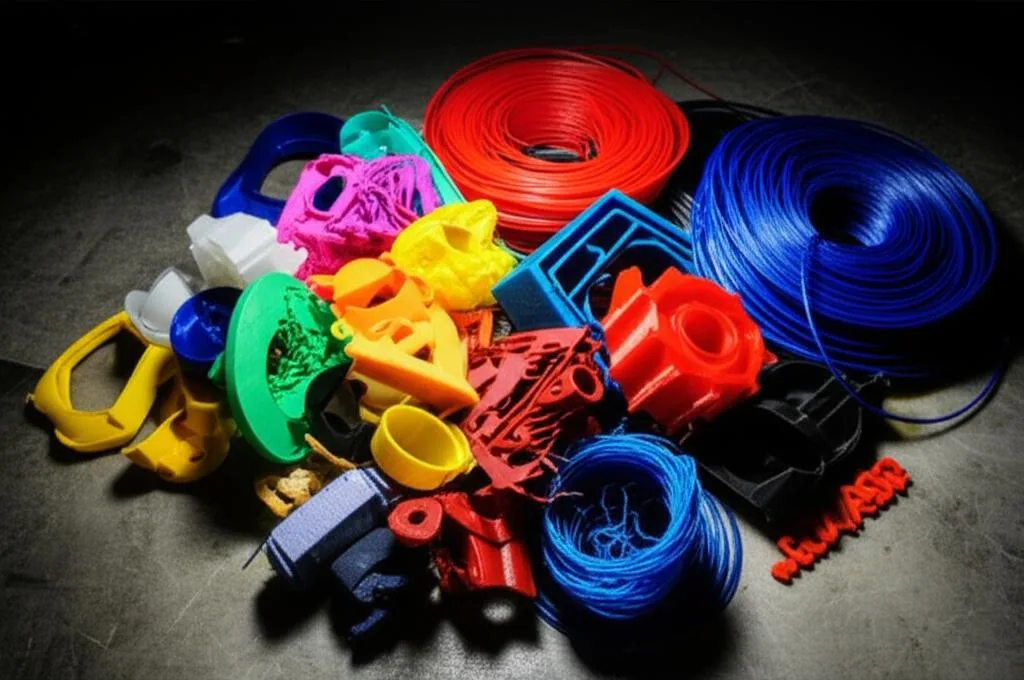
While home recycling offers many advantages, it’s important to be aware of potential hurdles:
- Material purity and contamination: Even small amounts of foreign material (dust, other plastics, labels) can ruin an entire batch of recycled filament. Strict sorting and cleaning protocols are essential.
- Color consistency: Achieving a uniform, vibrant color with mixed plastic waste is challenging. You’ll likely end up with muted or mottled colors unless you only recycle single-color waste or invest in colorants and a precise mixing system.
- Mechanical property degradation: Each time plastic is melted and re-extruded, there can be some degree of polymer chain degradation. While PLA and PETG tolerate this well for a few cycles, repeatedly recycled filament might exhibit slightly reduced strength, increased brittleness, or altered print characteristics compared to virgin material.
- Safety: Melting plastics can release fumes. Always operate recycling equipment in a well-ventilated area, preferably with an exhaust system, and consider wearing a respirator. Hot surfaces and moving parts pose burn and pinch hazards.
- Learning curve: Producing high-quality filament at home requires patience, experimentation, and a willingness to troubleshoot. Expect some trial and error, especially with entry-level equipment.
Conclusion
Home recycling of PLA and PETG offers a compelling pathway to greater sustainability and cost savings in 3D printing. The journey from failed prints to new spools is an empowering one, allowing you to take control of your material waste and potentially create custom filament. While the initial investment in equipment can range from a few hundred dollars for basic DIY setups to several thousands for more advanced, automated systems, the long-term benefits in terms of reduced waste and material costs are significant.
The “best” solution for your home recycling needs will ultimately hinge on your budget, your technical aptitude, the volume of waste you generate, and your desired filament quality. By carefully comparing the cost structures and features of various shredding and extrusion solutions, you can make an informed decision that aligns with your goals, helping you to print more sustainably and efficiently.
Frequently asked questions
Can I mix PLA and PETG waste together when recycling?
No, you must never mix PLA and PETG waste. Their different melting points (PLA around 175-190°C, PETG around 220-250°C) and chemical compositions mean mixing them will produce poor-quality, unusable filament that will likely clog your extruder or print poorly.
How much does it actually cost to start recycling at home?
The total initial investment varies enormously. A bare-bones setup using manual cutting tools and a basic DIY extruder kit starts around $310 ($10 for cutters plus $300 for a kit). A more reliable mid-range system with a dedicated granulator and pre-built extruder costs roughly $2,500 to $7,000, while a high-end setup can exceed $10,000.
Will recycled filament print as well as virgin filament?
Not always. Repeated heating cycles cause some polymer chain degradation, so recycled filament may show slightly reduced strength, increased brittleness, or altered flow characteristics compared to virgin material. Achieving consistent diameter tolerances (ideally +/- 0.05mm) is also harder with home equipment, which can cause print quality issues or extruder jams.