
Achieving truly flawless resin 3D prints goes far beyond simply hitting the ‘print’ button. The critical post-processing steps of washing and curing are paramount to transforming a soft, uncured object into a durable, high-quality final product. Neglecting these stages can lead to a host of problems, most notably the dreaded sticky surface that compromises both aesthetics and functionality. This comprehensive guide delves into the various methods, associated costs, and essential considerations for effective resin print washing and UV curing, empowering you to make informed decisions and consistently produce prints free from tackiness.
Understanding the ‘Why’: The Science Behind Washing and Curing
Before diving into the ‘how,’ it’s crucial to grasp the fundamental science at play. Resin 3D printing, whether SLA (Stereolithography) or DLP (Digital Light Processing), works by selectively curing liquid photopolymer resin with UV light. However, when a print finishes, its surface is still coated with a layer of uncured, liquid resin. This residue is problematic for several reasons:
- Stickiness: It makes the print unpleasant to handle and can attract dust and debris.
- Toxicity: Liquid resin is a skin irritant and potentially toxic; proper handling and removal are essential for safety.
- Mechanical Properties: The print’s mechanical strength and hardness are not fully developed until the resin is completely polymerized.
- Detail Obscuration: Uncured resin can fill in fine details, reducing print fidelity.
- Paint Adhesion: Paint and coatings won’t adhere properly to a sticky surface.
Washing removes this surface layer of uncured resin, while UV curing then fully hardens the remaining polymerized resin, completing the chemical reaction and eliminating any residual tackiness. This two-pronged approach is non-negotiable for quality results.
Phase 1: Resin Print Washing – Methods and Considerations
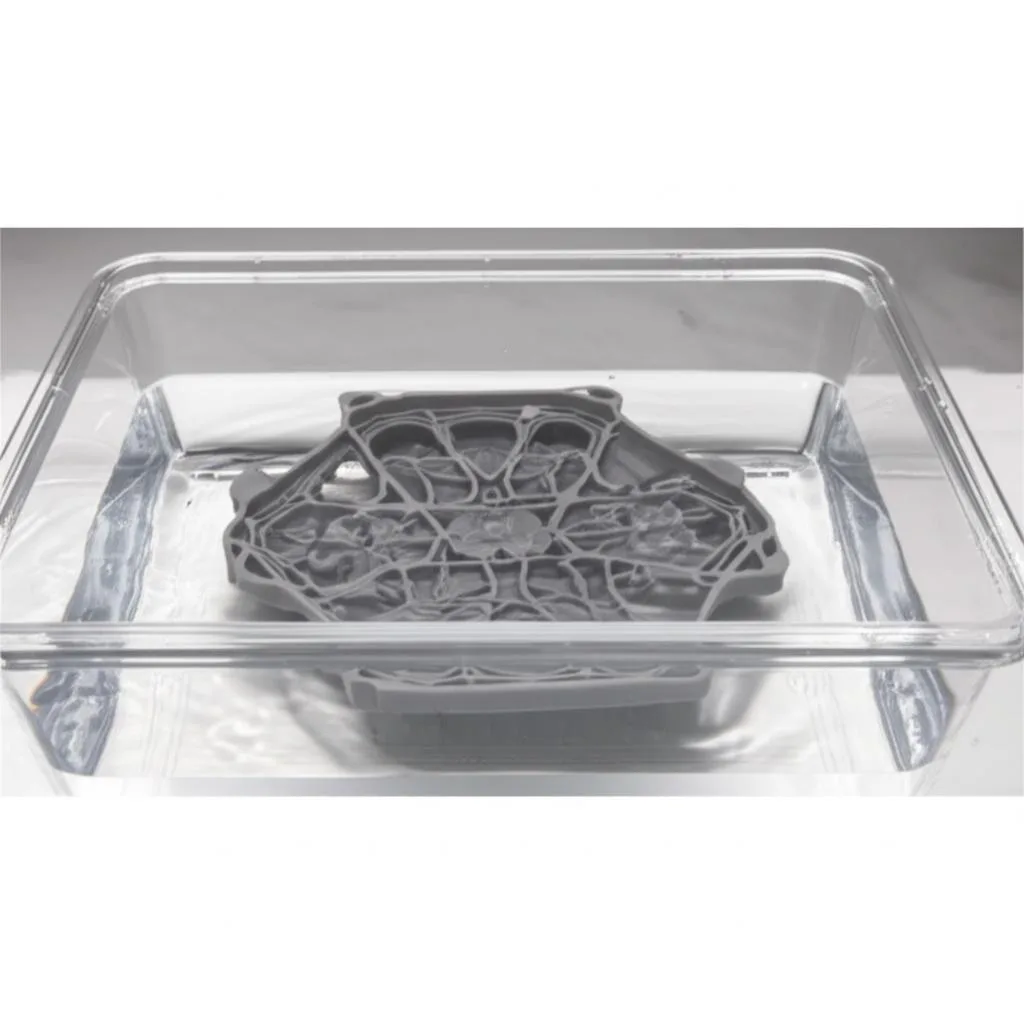
The primary goal of resin print washing is to thoroughly remove all liquid resin from the print’s surface and any intricate crevices. Various cleaning agents and techniques are available, each with its own set of features and cost implications.
Cleaning Solutions: Features and Cost Considerations
Isopropyl Alcohol (IPA)
- Features: IPA is the most common and widely used cleaning agent for resin prints due to its excellent solvency for photopolymer resins. It’s readily available in various concentrations, with 90% to 99% purity generally recommended for optimal results.
- Cost Considerations: IPA is relatively inexpensive, especially when purchased in bulk. However, it evaporates quickly, particularly in open containers or during agitation, meaning frequent replenishment is necessary. Its flammability and strong odor necessitate good ventilation and fire safety precautions, which might indirectly add to operational costs (e.g., ventilation systems, safety equipment).
- Pros: Highly effective solvent, widely available, relatively low initial cost.
- Cons: Flammable, strong fumes, skin irritant, evaporates quickly, requires proper disposal of contaminated waste.
Ethanol (Denatured Alcohol)
- Features: Similar to IPA in its solvent properties, ethanol (often sold as denatured alcohol with additives to make it undrinkable) is another viable option. Some users report it works better with specific resin formulations, though its performance is generally comparable to IPA for most standard resins.
- Cost Considerations: Denatured alcohol can sometimes be a more cost-effective alternative to pure IPA, depending on regional pricing and availability. Like IPA, it is flammable and requires similar safety measures.
- Pros: Effective solvent, can be cheaper than IPA, less harsh on some plastics than IPA.
- Cons: Flammable, strong odor, additives in denatured alcohol might leave a slight residue if not rinsed properly, similar safety concerns to IPA.
Specialized Resin Cleaners
- Features: A growing market offers proprietary resin cleaners designed specifically for 3D printing. Brands like Mean Green, Siraya Tech Simple Green, and various water-based or alcohol-free solutions fall into this category. These often boast benefits such as being non-flammable, having lower odor, being less aggressive on skin, and sometimes being water-soluble for easier cleanup.
- Cost Considerations: The initial cost per liter for specialized cleaners is typically higher than for IPA or ethanol. However, many are formulated to be reusable for longer periods or more efficient in their cleaning power, potentially offsetting the higher upfront cost over time. Some can be diluted, further extending their value.
- Pros: Safer (less flammable, lower odor), less irritating to skin, potentially better for specific resins, often reusable.
- Cons: Higher initial purchase price, availability might be limited, performance can vary between brands and resin types.
Water-Washable Resins
- Features: These resins are formulated to be cleaned with plain tap water, eliminating the need for alcohol or specialized solvents. This significantly simplifies the washing process and reduces safety concerns associated with flammable chemicals.
- Cost Considerations: The resin itself might carry a slightly higher price tag than standard resins. However, the operational cost for washing is minimal, consisting primarily of water. It’s important to note that even with water-washable resins, the contaminated water still requires proper disposal, as it contains uncured resin particles.
- Pros: Environmentally friendlier, significantly safer washing process, no harsh fumes, easy cleanup.
- Cons: Resin itself can be more expensive, print properties (e.g., strength, flexibility) might differ from standard resins, contaminated water still requires responsible disposal, and some users report a slightly higher tendency for prints to become brittle if over-cured.
Washing Techniques: Efficiency and Investment
Manual Washing (Bucket and Brush)
- Features: This is the most basic and lowest-cost method. Prints are submerged in a container of cleaning solution and agitated manually, often with a soft brush or toothbrush, to scrub away uncured resin.
- Cost Considerations: The initial investment is minimal, requiring only a few containers and brushes. Operational costs are primarily for the cleaning solution.
- Pros: Extremely low barrier to entry, suitable for occasional printing, allows for precise cleaning of delicate areas.
- Cons: Labor-intensive, inconsistent results, higher risk of skin contact with resin and solvents, less efficient for high volumes, solvent quickly becomes saturated.
Automated Wash Stations
- Features: Dedicated wash stations (often combined with curing units, e.g., Anycubic Wash & Cure, Elegoo Mercury) provide automated agitation. Prints are placed in a basket or attached to the build plate, submerged in a circulating or spinning bath of cleaning solution. This ensures more consistent and thorough cleaning.
- Cost Considerations: These units represent a significant initial investment, typically ranging from $100 to $300 or more. However, they are designed to use cleaning solutions more efficiently, often allowing for filtration and reuse, which can reduce long-term solvent consumption.
- Pros: High convenience, consistent cleaning results, reduced direct contact with solvents, faster workflow, often integrated with curing.
- Cons: Significant upfront cost, takes up dedicated workspace, can be noisy, requires maintenance (filter cleaning, solvent changes).
Ultrasonic Cleaners
- Features: Ultrasonic cleaners use high-frequency sound waves to create microscopic bubbles (cavitation) in the cleaning solution. These bubbles implode, generating powerful scrubbing action that effectively dislodges uncured resin, especially from intricate details. They can be used with IPA, specialized cleaners, or water (for water-washable resins).
- Cost Considerations: Moderate initial investment, typically ranging from $50 to $200 for hobbyist-grade units. They can significantly extend the life of cleaning solutions due to their efficiency.
- Pros: Extremely thorough cleaning, excellent for highly detailed prints, reduces manual effort, efficient use of cleaning solutions.
- Cons: Can potentially damage very delicate prints if not used carefully, requires specific solutions (e.g., IPA or water with a small amount of surfactant), some resins may react poorly to prolonged ultrasonic exposure.
Important Considerations for Effective Washing
- Safety First: Always work in a well-ventilated area. Wear nitrile gloves and eye protection. If using flammable solvents like IPA, ensure no open flames or sparks are nearby.
- Multiple Washes/Rinses: For best results, use a two-stage wash: a first wash to remove the bulk of the resin, and a second wash with fresh, clean solvent for a final rinse.
- Drying: After washing, prints must be thoroughly dried before curing. Residual solvent or water can interfere with the curing process, leading to white residue or uneven hardening. An air compressor, fan, or simply air-drying can be used.
- Disposal: Contaminated cleaning solutions (IPA, ethanol, or even water from water-washable resins) contain dissolved uncured resin and must be disposed of responsibly. Never pour them down the drain. Curing the resin in the solution under UV light until it solidifies, then filtering and disposing of the solid waste, is a common method.
- Resin Compatibility: Always check the resin manufacturer’s recommendations for the preferred cleaning agent.
Phase 2: UV Curing – Achieving Full Polymerization
Once your prints are clean and dry, the next crucial step is UV curing. This process exposes the resin to ultraviolet light, completing the polymerization and hardening the print to its final specifications. Proper curing is essential to prevent sticky prints, enhance mechanical properties, and ensure longevity.
Curing Methods and Equipment: Features and Investment
Sunlight Curing
- Features: The sun is a natural source of UV radiation. Placing prints outdoors on a sunny day can cure them.
- Cost Considerations: Absolutely free.
- Pros: Zero cost, environmentally friendly.
- Cons: Highly inconsistent (dependent on weather, time of day, season), slow, difficult to ensure even exposure on all sides, can lead to yellowing or over-curing on one side, not suitable for fine details.
DIY UV Curing Stations
- Features: These typically involve building an enclosure (e.g., a cardboard box, plastic container, or even a paint can) lined with reflective material (aluminum foil or Mylar) and equipped with UV LED strips or bulbs (most commonly 405nm, which matches common resin printer wavelengths). A rotating turntable is often added for even exposure.
- Cost Considerations: Low to moderate, ranging from $20 to $100, depending on the components used.
- Pros: Cost-effective, customizable, allows for hands-on learning.
- Cons: Requires assembly, results can be inconsistent if not well-designed, potential for direct UV exposure if not properly enclosed, safety concerns if not built correctly.
Dedicated UV Curing Stations (Automated)
- Features: These are purpose-built units, often enclosed, with multiple UV LED arrays (typically 405nm) and a rotating platform to ensure uniform exposure. Many integrated wash & cure stations include this functionality. They are designed for safety, with interlocks that turn off UV lights when the lid is open.
- Cost Considerations: A significant initial investment, typically ranging from $100 to $300 or more, especially for integrated wash & cure units. Operational costs are minimal (electricity).
- Pros: High convenience, consistent and even curing, enhanced safety features, faster curing times, professional results, often compact.
- Cons: Significant upfront cost, takes up dedicated workspace.
UV Curing Lamps (Handheld/Spot)
- Features: Small, portable UV flashlights or pen-style lamps.
- Cost Considerations: Low, typically $10 to $30.
- Pros: Excellent for spot curing specific areas, fixing small imperfections, or curing very small prints individually.
- Cons: Not practical for full prints, highly inconsistent for overall curing, requires manual manipulation, potential for uneven cure, direct UV exposure risk.
Important Considerations for Effective Curing
- Wavelength: Most standard resins are optimized to cure at 405nm. Ensure your UV light source matches this wavelength for efficient polymerization.
- Intensity and Duration: The required curing time varies significantly based on the resin type, print thickness, and UV light intensity. Always refer to the resin manufacturer’s recommendations. Over-curing can lead to brittleness or yellowing, while under-curing results in stickiness.
- Even Exposure: It’s crucial for all surfaces of the print to receive adequate UV exposure. A rotating platform in a curing station is ideal for this. For manual methods, periodically rotate the print.
- Temperature: Curing can be more effective at slightly elevated temperatures, as it can accelerate the chemical reaction. However, excessive heat can deform prints.
- Safety: Never look directly at UV light. Use enclosed curing stations or wear UV-protective eyewear. UV light can also damage skin, so avoid direct exposure.
- Water Bath Curing: For some resins, especially those prone to oxygen inhibition (where atmospheric oxygen on the surface inhibits full cure, leading to stickiness), curing while submerged in a clear water bath can significantly improve surface hardness and reduce tackiness. The water blocks oxygen, allowing for a more complete surface cure.
Troubleshooting Sticky Prints: A Comprehensive Approach
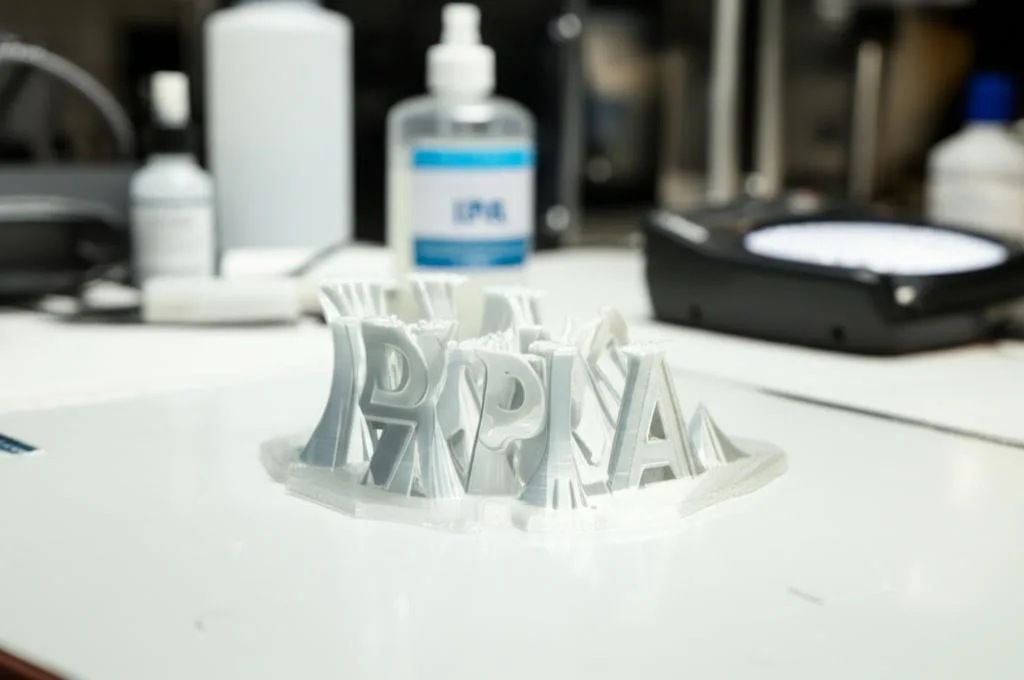
Even with careful post-processing, encountering sticky prints can be a frustrating experience. Understanding the common culprits and their remedies is key to achieving a flawless finish.
Root Causes of Sticky Prints
- Insufficient Washing: The most common cause. Remaining uncured liquid resin on the surface will inherently feel sticky.
- Insufficient Curing: If the UV exposure is too short, too weak, or uneven, the resin’s polymerization process won’t complete, leaving a tacky surface. This is a primary reason for persistent stickiness even after washing.
- Incorrect Cleaning Solution: Using an ineffective solvent or one that leaves a residue can contribute to stickiness.
- Incomplete Drying: If a print is cured while still wet with solvent or water, it can lead to a cloudy or white surface and often residual tackiness.
- Oxygen Inhibition: Atmospheric oxygen can inhibit the polymerization of the very top layer of resin, leaving it slightly tacky even after seemingly adequate UV exposure.
- Resin Type: Some resins are naturally tackier than others, even when fully cured. This is less common with modern formulations but can occur.
- Environmental Factors: High humidity can sometimes affect the surface cure of certain resins.
Solutions for Sticky Prints (Fixing Sticky Prints)
- Re-wash Thoroughly: If your print is sticky, the first step is often to re-wash it. Use fresh, clean cleaning solution. Consider using an ultrasonic cleaner for improved agitation, especially for intricate details. Ensure all visible and tactile residue is gone.
- Dry Completely: After re-washing, ensure the print is absolutely dry. Use compressed air, a fan, or allow ample air-drying time before proceeding to curing. This step is critical to prevent white residue and improve subsequent curing.
- Re-cure with Adequate UV Exposure: Place the print back in your UV curing station. Ensure all sides receive even and sufficient exposure. If you suspect oxygen inhibition, try curing the print while fully submerged in a clear water bath. The water acts as an oxygen barrier, allowing the surface to cure completely and often eliminating tackiness.
- Check Resin and Cleaner Compatibility: Double-check the resin manufacturer’s recommendations for both cleaning agents and curing times. Ensure your UV light source emits the correct wavelength (usually 405nm).
- Post-Cure Bake (for some resins): Some engineering resins benefit from a post-cure bake in an oven (following manufacturer guidelines) to further enhance mechanical properties and reduce tackiness. This is less common for standard resins but worth investigating for specific materials.
- Apply a Matte Clear Coat: As a last resort, or if the resin is inherently slightly tacky even when fully cured, a matte clear coat spray can effectively seal the surface, eliminate tackiness, and provide a uniform finish. This is a common solution for achieving a smooth, non-sticky surface on difficult resins.
Cost-Benefit Analysis of Different Post-Processing Setups
Choosing the right post-processing SLA or DLP curing setup involves weighing initial investment against ongoing operational costs, convenience, safety, and desired print quality. There’s no single “best” option; the ideal setup is highly dependent on individual needs, budget, and print volume.
1. The Budget-Conscious Hobbyist Setup
- Components: Manual washing with IPA/denatured alcohol (buckets, brushes), sunlight curing or a basic DIY UV curing box.
- Initial Cost: Very low (typically $20-$50 for containers, brushes, UV LEDs).
- Operational Cost: Low (cost of IPA/denatured alcohol, minimal electricity for DIY UV).
- Features: Minimal upfront investment, hands-on control.
- Considerations: Labor-intensive, inconsistent results, higher exposure to chemicals, slower workflow, less precise curing.
- Ideal For: Beginners, occasional printers, those with very tight budgets who prioritize low initial cost above all else.
2. The Enthusiast / Small-Scale Production Setup
- Components: Ultrasonic cleaner for washing (with IPA or specialized cleaner), dedicated UV curing station (standalone or a well-built DIY unit with a turntable).
- Initial Cost: Moderate (typically $100-$300 for ultrasonic cleaner and a quality curing station).
- Operational Cost: Moderate (more efficient use of cleaning solutions with ultrasonic, electricity for curing station).
- Features: Significantly improved cleaning efficiency and consistency, better control over curing parameters, enhanced safety compared to manual handling.
- Considerations: Requires more dedicated space, higher initial investment, still involves handling solvents for ultrasonic.
- Ideal For: Enthusiasts seeking better quality and efficiency, small-batch producers, those willing to invest a bit more for improved results and convenience.
3. The Professional / High-Volume Setup
- Components: Integrated automated wash & cure station (e.g., Anycubic, Elegoo, Creality), potentially supplemented by an additional dedicated wash station or ultrasonic cleaner for specific needs.
- Initial Cost: High (typically $200-$500+ for a combined unit).
- Operational Cost: Moderate (efficient solvent recycling/filtration in automated units, electricity).
- Features: Maximum convenience, highly consistent and repeatable results, excellent safety features (enclosed systems), streamlined workflow, professional finish.
- Considerations: Highest upfront investment, requires a dedicated space, can be less flexible for very large prints than separate units.
- Ideal For: Professional users, high-volume production, educational institutions, anyone prioritizing efficiency, safety, and top-tier consistent results.
4. The Water-Washable Resin Setup
- Components: Manual washing with water (buckets, brushes) or an ultrasonic cleaner with water, dedicated UV curing station.
- Initial Cost: Varies (resin cost might be slightly higher, wash setup can be minimal or include ultrasonic).
- Operational Cost: Very low (primarily water and electricity for curing).
- Features: Environmentally conscious, significantly reduced chemical handling and fumes, simplified cleanup.
- Considerations: Resin properties might differ from standard resins, contaminated water still requires careful disposal, potential for brittleness if over-cured.
- Ideal For: Users sensitive to solvents, those prioritizing environmental impact and ease of cleanup, specific applications where water-washable resin properties are suitable.
Each setup presents a distinct balance of investment, convenience, and performance. Your choice should align with your specific printing volume, budget constraints, workspace limitations, and the level of finish you aim to achieve.
Conclusion
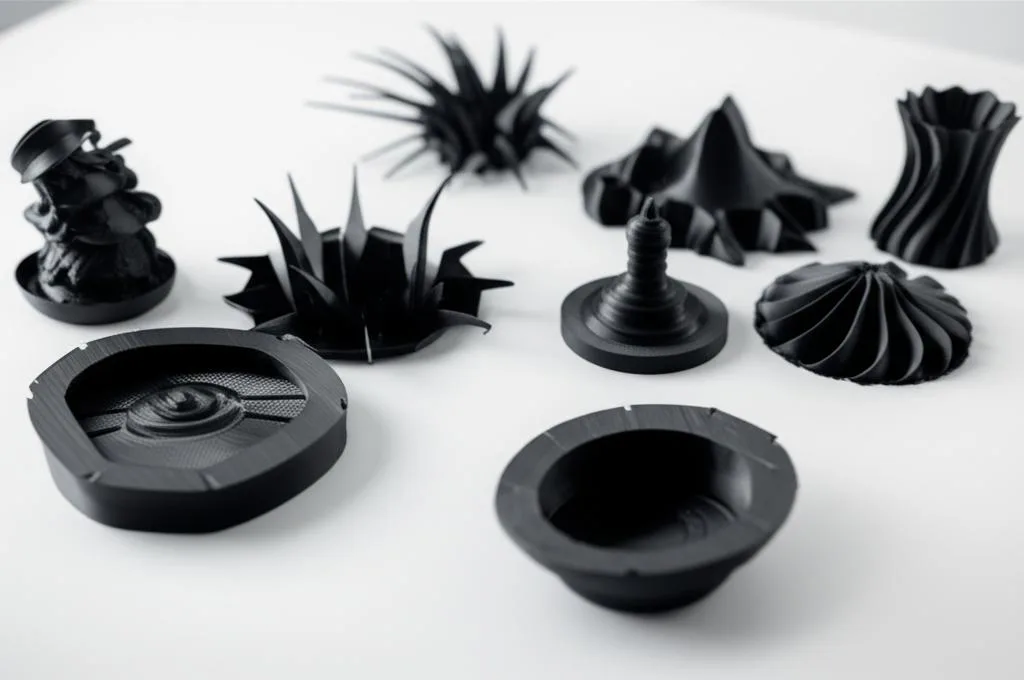
Mastering the art of resin print washing and UV curing is indispensable for anyone serious about producing high-quality SLA or DLP 3D prints. From selecting the right cleaning agents and methods to ensuring optimal UV exposure, each step plays a crucial role in preventing sticky surfaces, enhancing durability, and bringing your digital designs to tangible perfection.
While the array of available solutions, from budget-friendly DIY approaches to sophisticated automated wash & cure stations, offers flexibility, the underlying principles remain constant: thorough cleaning and complete polymerization. By understanding the nuances of each option and carefully considering your own requirements and safety protocols, you can confidently navigate the post-processing landscape, eliminate the frustration of sticky prints, and consistently achieve truly flawless results.
Frequently asked questions
Can I reuse isopropyl alcohol (IPA) for washing, and how do I know when it is too contaminated?
Yes, you can reuse IPA, but it becomes less effective as it accumulates dissolved resin. A common indicator is when the solvent appears noticeably cloudy or dark, or when prints come out feeling tacky after washing. To extend its life, use a two-stage wash: a dirty first bath to remove the bulk of the resin, followed by a clean second rinse bath.
Is it safe to pour the water used to clean water-washable resin down the drain?
No, never pour contaminated water down the drain. Even with water-washable resins, the water contains uncured resin particles that are toxic to aquatic life and the environment. You must dispose of it responsibly, typically by curing the contaminated water under UV light until the resin solidifies, then filtering out and disposing of the solid waste as hazardous material.
What is the most likely reason my print is still sticky after washing and curing thoroughly?
The most common cause is oxygen inhibition, where atmospheric oxygen prevents the very top layer of resin from fully polymerizing during curing. The fix is to cure the print while fully submerged in a clear water bath, which blocks oxygen and allows the surface to harden completely. If that does not work, ensure you are drying the print completely before curing, as residual solvent can also cause tackiness.