Achieving flawless first layers is the holy grail for any 3D printing enthusiast. The foundation of a successful print lies squarely with the condition of your 3D printer’s build plate. A clean 3D print bed isn’t just a nicety; it’s a critical factor in ensuring optimal print adhesion, preventing frustrating failures, and extending the lifespan of your printing surface. Over time, build plates accumulate a cocktail of fingerprints, dust, residual filament, and even microscopic particles from the air, all of which can severely compromise adhesion.
This guide delves into various build plate cleaning methodologies, objectively comparing their features and cost structures to empower you to make an informed decision for your specific needs. We’ll explore common cleaning agents, their application, and considerations for different print surface materials, all with the goal of achieving perfect adhesion and maintaining impeccable print surface hygiene.
Why a clean 3D print bed is paramount
Before diving into the ‘how,’ it’s crucial to understand the ‘why.’ A pristine build plate offers several key advantages:
- Superior Adhesion: The primary benefit. A clean surface allows the molten filament to bond directly and strongly, preventing warping, lifting, and detached prints.
- Consistent Print Quality: Debris or oils can cause uneven adhesion, leading to imperfections, elephants’ foot, or inconsistent first layers.
- Reduced Print Failures: Fewer adhesion issues translate to fewer failed prints, saving filament, time, and frustration.
- Extended Build Plate Lifespan: Regular, appropriate cleaning prevents the buildup of stubborn residues that might require more aggressive, potentially damaging cleaning methods later.
- Enhanced Safety: Some residues, especially from certain filaments, can become harder to remove and might require harsher chemicals if left untreated.
General principles for effective build plate cleaning
Regardless of the method you choose, a few universal principles apply to effective build plate cleaning:
- Always cool: Ensure your build plate is at room temperature before cleaning. Cleaning a hot plate can lead to rapid evaporation of cleaning agents, leaving residues, or even causing thermal shock to glass plates.
- Gentle is best: Avoid abrasive materials or harsh scraping tools that can scratch or damage the print surface.
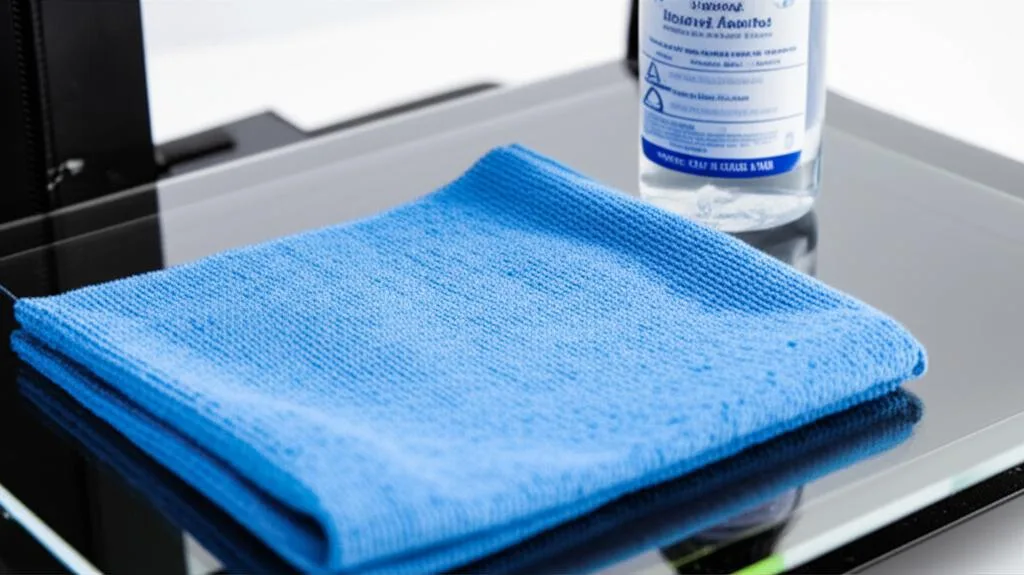
- Lint-free cloths: Use microfiber cloths, paper towels, or lint-free wipes to avoid leaving behind fibers that can impede adhesion.
- Ventilation: When using chemical cleaners, ensure adequate ventilation to disperse fumes.
Comparing build plate cleaning solutions and their cost structures
Different cleaning agents offer varying degrees of effectiveness, compatibility, and cost. Here, we’ll objectively compare some of the most popular options.
1. Isopropyl alcohol (IPA)
Isopropyl alcohol, often found in concentrations of 70% to 99%, is perhaps the most widely recommended and utilized cleaner for 3D print beds.
- Features:
- Effectiveness: Excellent for dissolving oils, grease, and many common filament residues (like those from PLA and PETG). Higher concentrations (90%+ ) are generally more effective and evaporate faster, leaving less residue.
- Drying Time: Evaporates quickly, especially at higher concentrations, minimizing downtime.
- Residue: Leaves minimal to no residue when used correctly with a clean cloth. Lower concentrations (e.g., 70%) contain more water, which can sometimes leave a slight film if not wiped thoroughly.
- Safety: Generally safe for most common build plate materials including glass, PEI, and flexible steel sheets. It’s flammable, so keep away from open flames and ensure good ventilation.
- Application: Typically applied by spraying onto a lint-free cloth or directly onto the cool build plate, then wiping thoroughly.
- Cost Structure:
- IPA: Relatively inexpensive. A 1-liter bottle of 90%+ IPA can range from $10-$25, depending on purity and brand.
- Consumables: Requires lint-free wipes or microfiber cloths, which are a recurring but low cost. A pack of microfiber cloths might cost $10-$20 and last for many cleanings.
- Overall: Low to moderate initial investment, low ongoing cost.
2. Dish soap and water
For a deeper clean, especially when IPA isn’t cutting it or for routine maintenance, a simple solution of dish soap and water can be remarkably effective.
- Features:
- Effectiveness: Excellent for removing stubborn oils, grease, and general grime that IPA might struggle with. The surfactants in dish soap break down oils effectively.
- Drying Time: Requires rinsing with clean water and thorough drying, which takes longer than IPA. The plate must be completely dry before printing.
- Residue: Can leave soap residue if not rinsed thoroughly. This residue will severely hinder adhesion.
- Safety: Very safe for most build plate materials and non-toxic.
- Application: Apply a small amount of mild dish soap to a damp cloth, scrub the plate, then rinse thoroughly with clean water. Dry completely with a clean, lint-free cloth or paper towel.
- Cost Structure:
- Dish Soap: Extremely low cost. A bottle of dish soap can last for months or even years of build plate cleaning, costing just a few dollars.
- Water: Negligible cost.
- Consumables: Requires a dedicated sponge or cloth for cleaning, and a separate clean cloth for drying. These are minimal recurring costs.
- Overall: Very low initial and ongoing cost.
3. Acetone
Acetone is a powerful solvent, but its use is highly specific and comes with caveats.
- Features:
- Effectiveness: Extremely effective at dissolving ABS and ASA residues, and can rejuvenate some PEI surfaces by lightly dissolving and redistributing the surface polymer.
- Drying Time: Evaporates very quickly.
- Residue: Leaves no residue if pure acetone is used.
- Safety: Highly flammable, strong fumes, and can damage many plastics (including the printer’s frame if spilled). It is NOT suitable for all build plate types; it will damage acrylic, some coated surfaces, and potentially even some PEI sheets if used excessively. Always test on an inconspicuous area first. Use in a very well-ventilated area.
- Application: Apply sparingly to a paper towel or cotton ball and wipe the surface quickly. Avoid prolonged contact.
- Cost Structure:
- Acetone: Moderately priced. A small bottle (e.g., 250ml-500ml) can range from $5-$15.
- Consumables: Requires paper towels or cotton balls.
- Overall: Moderate initial investment, low ongoing cost if used sparingly for specific purposes.
4. Specialized 3D printer bed cleaners
Several manufacturers offer proprietary cleaning solutions specifically formulated for 3D printer build plates.
- Features:
- Effectiveness: Often formulated to be highly effective across various filament types and build plate materials, targeting common residues without damaging the surface. Some contain adhesion promoters.
- Drying Time: Varies by product; some are quick-drying, others might require a wipe-down.
- Residue: Designed to leave no adhesion-inhibiting residue.
- Safety: Generally safer than pure solvents for a wider range of surfaces, but always check the product’s specific instructions and safety data sheet.
- Application: Typically spray-on, wipe-off.
- Cost Structure:
- Cleaner: Generally the most expensive option per unit volume. A bottle can range from $15-$30 or more.
- Consumables: Often used with standard lint-free cloths, or sometimes specialized cloths recommended by the manufacturer.
- Overall: Higher initial and ongoing cost compared to generic solutions.
5. Simple wiping with a microfiber cloth (dry or slightly damp)
For very light dust or fingerprint removal, a quick wipe can sometimes suffice.
- Features:
- Effectiveness: Best for superficial dust. Will not remove oils or stubborn residues.
- Drying Time: Instant (dry wipe) or very fast (damp wipe).
- Residue: Leaves no residue if the cloth is clean.
- Safety: Completely safe for all surfaces.
- Application: Gently wipe the cool build plate with a clean, dry, or slightly water-dampened microfiber cloth.
- Cost Structure:
- Cloth: Low initial cost for a pack of microfiber cloths ($10-$20).
- Overall: Extremely low cost, as cloths are reusable after washing.
Considerations for different build plate materials
 different build plate materials” style=”width:100%;height:auto;aspect-ratio:16/9;”/>
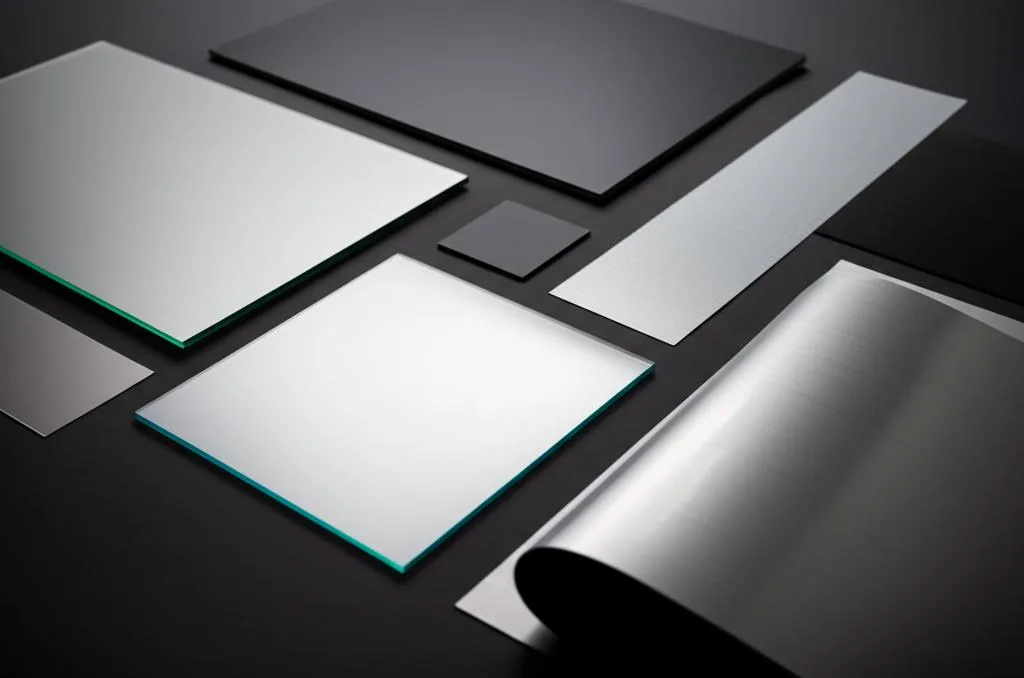
The type of build plate you have will influence the most suitable cleaning method:
- Glass (Borosilicate, Mirrored): Very durable and resistant to most chemicals. IPA and dish soap are excellent choices. Acetone can be used cautiously for stubborn residues, but it’s rarely necessary.
- PEI (Polyetherimide) Sheets (smooth or textured): IPA is the go-to for daily cleaning. Dish soap and water for deeper cleans. Acetone can be used *very sparingly* and carefully on smooth PEI to refresh the surface, but excessive use can degrade it. Never use acetone on textured PEI as it can damage the texture.
- Flexible Steel Sheets (often with PEI, powder-coated PEI, or other coatings): Treat according to the coating. For PEI-coated steel, follow PEI guidelines. For powder-coated PEI, avoid acetone entirely.
- Magnetic Build Plates (rubberized or flexible polymer): Generally, IPA is safe. Avoid acetone as it can damage the polymer surface. Dish soap and water are also good.
- BuildTak/Grip Surfaces: Often require specific cleaning instructions from the manufacturer. IPA is usually safe, but strong solvents might degrade the specialized coating.
Bed maintenance and print surface hygiene best practices
Beyond cleaning, adopting a proactive approach to bed maintenance can significantly improve your printing experience:
- Routine Cleaning: Make build plate cleaning a habit. A quick wipe with IPA between prints, and a deeper wash with dish soap and water every few days or when adhesion issues arise.
- Avoid Touching: Minimize touching the print surface with bare hands. Fingerprints leave oily residues that are detrimental to adhesion.
- Dedicated Tools: Use separate cloths for cleaning and drying, and ensure they are genuinely clean.
- Scraper Usage: Use appropriate scrapers for your build plate type (e.g., plastic scraper for flexible plates, metal scraper for glass). Avoid gouging the surface.
- Storage: When not in use, store removable build plates in a clean, dust-free environment.
- Bed Leveling: Even the cleanest bed won’t compensate for poor bed leveling. Ensure your Z-offset and bed leveling are dialed in for optimal first layers.
By understanding the nuances of different cleaning agents and their compatibility with various build plate materials, you can establish an effective bed maintenance routine tailored to your setup. While each method presents a distinct cost structure and set of features, the ultimate goal remains consistent: a perfectly clean 3D print bed, ready to deliver impeccable first layers and successful prints every time.
Frequently asked questions
Can I use Windex or glass cleaner instead of IPA on my build plate?
Standard glass cleaners like Windex often contain additives, fragrances, and ammonia that can leave a residue film on the build plate after drying. This residue directly interferes with filament adhesion, making them a poor substitute for isopropyl alcohol or dish soap and water, which are formulated to evaporate cleanly.
How often should I actually clean my build plate between prints?
For most users, a quick wipe with 90%+ isopropyl alcohol on a lint-free cloth between every single print is the best practice to remove fingerprint oils and dust. A deeper clean with dish soap and water should be done every few days or whenever you start noticing first-layer adhesion issues that a simple IPA wipe doesn’t fix.
Is it safe to use acetone on a PEI build plate every time I clean it?
No. Acetone should only be used very sparingly on smooth PEI to refresh the surface when adhesion degrades, and it should never be used on textured PEI. Excessive or routine use of acetone will chemically degrade the PEI polymer over time, causing the surface to become brittle and eventually crack or peel.