
In the intricate world of resin printing, particularly when crafting ultra-fine miniatures, every setting holds significant weight. Among these, layer height stands out as a pivotal parameter, directly influencing the fidelity of detail, the smoothness of surfaces, and the overall success of a print. For enthusiasts and professionals alike, understanding the nuanced implications of layer height is not merely an advantage but a necessity for pushing the boundaries of what’s achievable with stereolithography (SLA) and digital light processing (DLP) technologies. This comprehensive guide delves deep into the multifaceted considerations surrounding layer height, offering an objective analysis of its effects on print resolution, time, material usage, and the delicate balance required to achieve perfection in miniature resin printing.
Understanding layer height in resin printing
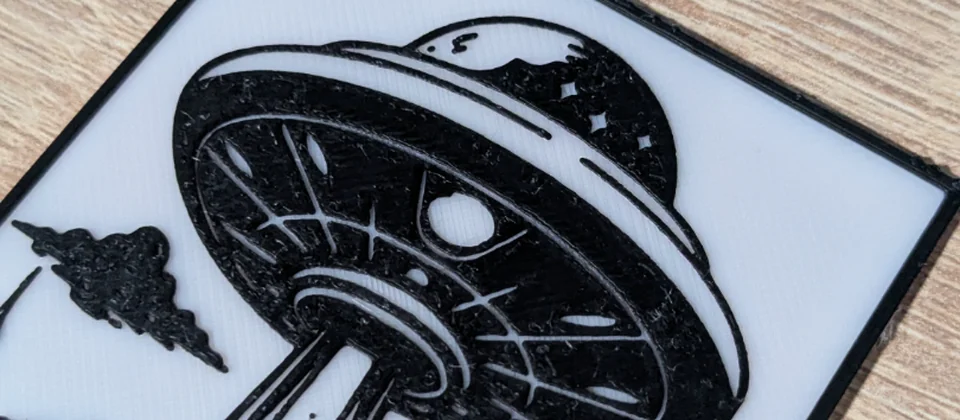
Every model we design and test gets uploaded as a free STL – browse the full profile on MakerWorld.
Layer height, often measured in microns (µm), refers to the thickness of each individual layer of resin cured during the printing process. In resin printing, a UV light source (laser in SLA, projector in DLP/LCD) solidifies a thin cross-section of liquid resin, one layer at a time, building the model from the bottom up. Once a layer is cured, the build plate moves up by precisely one layer height, allowing fresh resin to flow underneath for the next exposure. This iterative process, repeated hundreds or thousands of times, ultimately forms the three-dimensional object.
Unlike FDM (Fused Deposition Modeling) printing, where layer lines are typically more pronounced due to the extruded filament, resin printing inherently offers a much finer resolution. However, even with resin, the choice of layer height still dictates the vertical (Z-axis) resolution and the visibility of these microscopic layers, particularly on curved or angled surfaces. A smaller layer height means more layers are required to complete a print of the same vertical dimension, while a larger layer height results in fewer layers.
The interplay of layer height and print resolution
When discussing print resolution in resin printing, it’s crucial to differentiate between Z-axis resolution and X/Y resolution. The X/Y resolution is determined by the printer’s hardware – specifically, the pixel size of the LCD screen (for MSLA) or the projector’s DMD chip (for DLP). This horizontal resolution is fixed for a given printer and dictates the smallest feature size that can be printed across the X and Y axes. For example, a 4K monochrome LCD screen on a 6-inch build area might yield an X/Y resolution of around 35 microns per pixel.
Layer height, on the other hand, directly controls the Z-axis resolution. A smaller layer height (e.g., 25 microns) means that the printer can resolve finer details along the vertical axis, capturing subtle variations in height and creating smoother transitions on sloped surfaces. Conversely, a larger layer height (e.g., 100 microns) results in a coarser Z-axis resolution, where the individual layers become more discernible, leading to a phenomenon known as ‘stair-stepping’ on curves and angles. For ultra-fine miniatures, where intricate textures, sharp edges, and delicate organic forms are paramount, maximizing Z-axis resolution through a smaller layer height is often a primary consideration.
Impact of layer height on ultra-fine miniatures
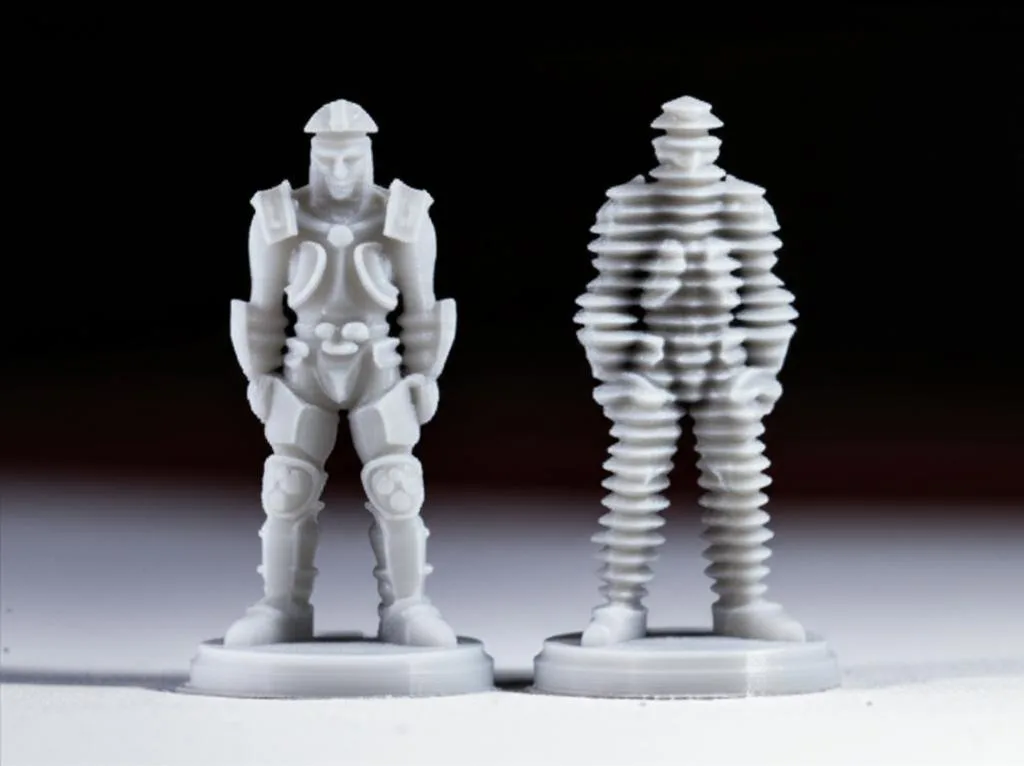
The selection of layer height for miniature resin printing is a delicate balancing act, with each choice carrying a cascade of effects on various aspects of the printing process and the final product.
Detail fidelity and surface smoothness
For ultra-fine miniatures, detail fidelity is often the ultimate goal. Smaller layer heights (e.g., 20-30 microns) are adept at capturing the most minute features, such as individual strands of hair, intricate filigree, subtle fabric textures, and sharp edges. By reducing the thickness of each cured slice, the printer can approximate complex geometries with greater precision, minimizing the ‘stair-stepping’ effect on curved surfaces. This results in models that exhibit exceptional smoothness and a level of detail that can be breathtaking, often appearing as if they were traditionally sculpted rather than 3D printed. Larger layer heights, while faster, will inevitably compromise this level of fidelity, rendering fine details less crisp and introducing more noticeable layer lines, particularly on organic shapes and gentle slopes.
Print time considerations
One of the most immediate and significant impacts of layer height is on print duration. The relationship is directly proportional: a smaller layer height translates to a greater number of layers required to build a model of a specific height. For instance, printing a 50mm tall miniature at 25 microns will necessitate 2000 layers, whereas printing the same miniature at 50 microns will only require 1000 layers. Each layer requires a specific exposure time, followed by the build plate lifting and returning, and the resin re-flowing. Consequently, halving the layer height can effectively double the overall print time, or even more, depending on the lift/retract speeds and resin viscosity. When producing batches of miniatures or working under tight deadlines, the extended print times associated with ultra-fine layer heights become a critical factor in project planning and resource allocation.
Material consumption and cost implications
The total volume of resin consumed for a given model is primarily determined by its geometry and whether it’s hollowed or solid, rather than the layer height itself. A model printed at 25 microns will generally use the same amount of resin as the same model printed at 50 microns, assuming identical hollowing settings and infill. However, indirect cost implications can arise. Longer print times mean increased electricity consumption by the printer. More significantly, a higher number of layers, especially very thin ones, can place greater stress on the FEP film in the resin vat, potentially leading to more frequent replacements. Furthermore, if very fine layer heights lead to a higher rate of print failures due to calibration challenges or resin properties, the cumulative waste of resin from failed prints can represent a considerable expense. Therefore, while direct resin volume might not change, the overall operational costs and potential for material waste can be influenced by layer height selection.
Print success rate and reliability
The pursuit of ultra-fine detail with minimal layer heights can introduce challenges to print reliability. Very thin layers require extremely precise exposure times, as even slight over or under-exposure can lead to issues. Under-exposure might result in layers not fully adhering to each other, leading to delamination or print separation. Over-exposure can cause ‘blooming’ or loss of detail due to light bleed. Additionally, the suction forces generated between the curing layer and the FEP film are more frequent with thinner layers, potentially increasing the risk of the print detaching from the build plate or individual layers tearing, especially if lift speeds are not optimally configured. While thinner layers can sometimes make support removal easier due to their reduced strength, they can also make supports more fragile during the printing process itself. Achieving consistent success with ultra-fine layer heights often demands a highly stable printer, perfectly calibrated settings, and meticulous attention to environmental factors like temperature.
Post-processing requirements
One of the significant advantages of printing with ultra-fine layer heights for miniatures is the substantial reduction in post-processing effort. Models printed at 20-30 microns typically exhibit virtually invisible layer lines, meaning less or no sanding is required to achieve a smooth surface finish. This can be a considerable time-saver, especially for complex miniatures with many intricate surfaces that would be difficult to sand. While some minor cleanup of support marks will still be necessary, the overall workload associated with preparing the model for painting or display is often significantly diminished. Conversely, models printed at coarser layer heights will demand more extensive sanding and filling to eliminate visible layer lines, adding to the overall labor and time investment.
Comparing different layer height ranges
The optimal layer height is not a universal constant; it’s a variable dependent on the specific requirements of the project. A comparative analysis of common layer height ranges reveals their distinct characteristics and trade-offs.
Ultra-fine layer heights (e.g., 20-30 microns)
- Features: These settings deliver exceptional detail fidelity, virtually eliminating visible layer lines and producing incredibly smooth surfaces. They are ideal for capturing the most intricate textures, sharpest edges, and delicate nuances of miniature sculpts.
- Considerations: Printing at these resolutions entails significantly longer print times, often several times that of coarser settings. The margin for error in exposure settings is minimal, demanding precise calibration. There’s an increased potential for print failures if resin properties, printer stability, or environmental conditions are not meticulously controlled.
- Ideal for: High-end display miniatures, collectible figurines, intricate jewelry masters, dental models requiring extreme precision, and small artistic models where aesthetic perfection is paramount.
Fine layer heights (e.g., 40-60 microns)
- Features: This range offers a very good balance between detail and print speed. Layer lines are still largely imperceptible to the naked eye for most geometries, and detail capture remains impressive.
- Considerations: Print times are moderate, making this a practical choice for many projects. It generally offers a higher success rate compared to ultra-fine settings, being more forgiving of minor calibration imperfections.
- Ideal for: Most gaming miniatures, prototypes where good detail is important but not paramount, and general-purpose resin prints that benefit from a smooth finish without excessive print duration.
Standard layer heights (e.g., 80-100 microns)
- Features: This range provides a noticeable increase in print speed. While detail capture is still adequate for many applications, layer lines may become visible on curved or sloped surfaces.
- Considerations: Prints are generally more robust and less prone to certain types of failure. The faster print times can be advantageous for rapid prototyping or producing larger models where surface finish is not the absolute highest priority.
- Ideal for: Larger models, functional prototypes, terrain pieces, or less intricate figures where print speed and robustness are prioritized over absolute surface perfection. Post-processing (sanding) will likely be required to achieve a perfectly smooth finish.
Beyond standard (e.g., >100 microns)
- Features: These settings offer the fastest print times for resin printers.
- Considerations: Significant detail is sacrificed, and layer lines become quite pronounced. The Z-axis resolution is considerably coarser.
- Ideal for: Very rapid prototyping, large functional parts where surface finish is not critical, or for quickly testing model fit and dimensions. Not typically recommended for miniatures where detail is a primary concern.
Factors influencing layer height choice
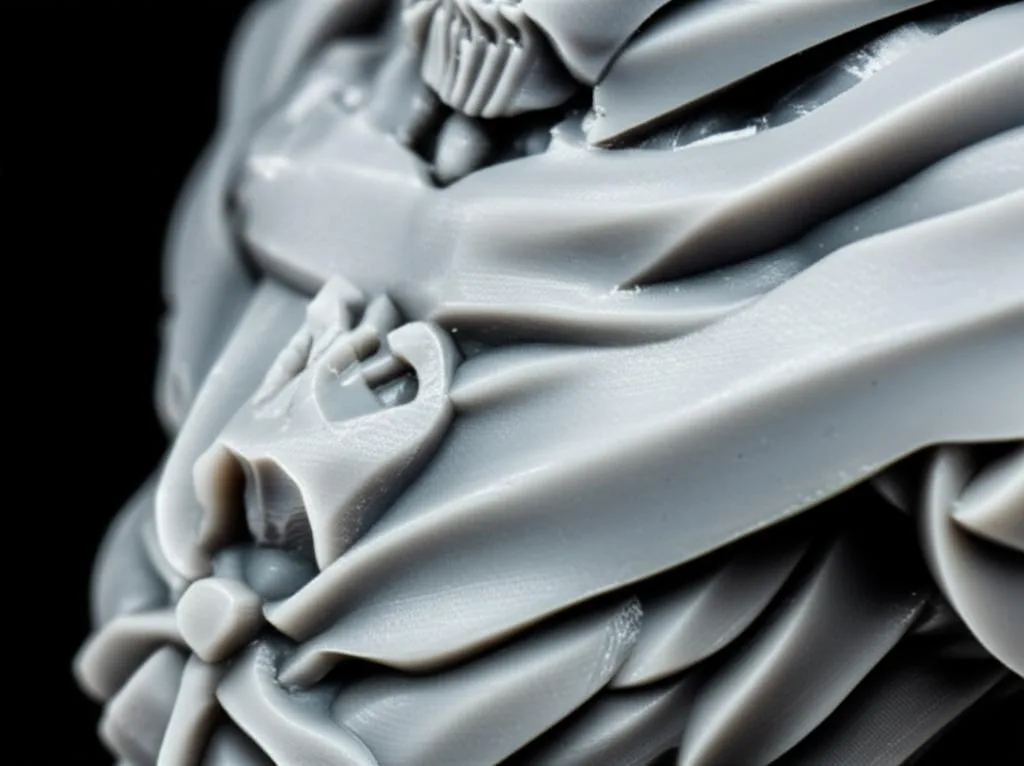
The decision regarding layer height is rarely made in isolation. Several interconnected factors should be considered to arrive at an informed choice that aligns with project goals and available resources.
Desired level of detail and aesthetic requirements
This is arguably the most critical factor. If the miniature demands intricate textures, razor-sharp edges, and a flawlessly smooth surface for display or competition, then ultra-fine layer heights (20-30 microns) are typically the preferred option. If the miniature is for tabletop gaming where it will be viewed from a distance, or if it has a less complex geometry, a slightly coarser layer height (40-60 microns) might offer a sufficient level of detail without the extended print times.
Print time constraints and production volume
For individual hobbyists printing a single miniature, extended print times might be acceptable. However, for businesses producing batches of miniatures, or individuals with tight deadlines, the cumulative effect of longer print times at ultra-fine resolutions can be a significant bottleneck. A careful assessment of the required production volume versus the available printing time should guide the layer height selection. Balancing detail with efficiency is key in such scenarios.
Printer capabilities and stability
While many modern resin printers advertise the ability to print at very low layer heights, the actual consistency and reliability can vary. A printer with a highly stable Z-axis mechanism, a consistent light source, and precise calibration will perform better at ultra-fine layer heights. Older or less precise machines might struggle to maintain accuracy across thousands of layers, leading to potential failures. Understanding the limits and strengths of one’s specific printer model is crucial.
Resin type and properties
Different resin formulations possess varying viscosities, curing speeds, and mechanical properties. Some resins are optimized for rapid printing, while others excel in capturing fine detail. Highly viscous resins may struggle to re-flow quickly enough between very thin layers, potentially leading to print failures or inconsistent layer adhesion. Resins with very fast curing times might be more prone to over-exposure at fine layer heights. Consulting the resin manufacturer’s recommended settings or conducting calibration tests with specific resin types is advisable.
Post-processing workflow and user’s skill level
The amount of post-processing an individual is willing or able to undertake also plays a role. If a perfectly smooth surface is desired but extensive sanding is not feasible or desirable, then finer layer heights are a logical choice. If one possesses the skills and tools for meticulous sanding and finishing, then slightly coarser layer heights might be acceptable, potentially saving print time. The trade-off is between front-end (printing) and back-end (post-processing) labor.
Model geometry and complexity
The inherent geometry of the miniature can also influence the optimal layer height. Models with numerous gentle curves, organic shapes, or subtle surface textures will benefit more significantly from finer layer heights to minimize the stair-stepping effect. Conversely, models composed primarily of sharp angles, flat surfaces, or blocky features might show less discernible improvement from ultra-fine layers, making a coarser setting a more efficient choice without a major visual compromise.
Optimizing slicer settings beyond layer height
While layer height is crucial, it’s part of an ecosystem of slicer settings that collectively determine print quality and success. Fine-tuning these complementary parameters is essential, especially when aiming for ultra-fine detail.
Exposure time for normal layers
This is perhaps the most critical setting alongside layer height. Each resin has an optimal exposure time per layer to cure properly without over-curing. At ultra-fine layer heights, even small deviations can have significant consequences. Under-exposure leads to weak layers and delamination, while over-exposure can cause ‘blooming’ (light bleeding, resulting in lost detail) and increased suction forces. Precise calibration via exposure tests (e.g., R_E_R_F, validation matrix) is non-negotiable for each resin and layer height combination.
Lift speed and lift distance
These settings control how quickly and how far the build plate moves up after each layer cures. A slower lift speed reduces the peel forces exerted on the FEP film, minimizing the risk of print failures, especially with larger cross-sections or at very fine layer heights where adhesion can be more delicate. A sufficient lift distance ensures that fresh resin can flow back underneath the build plate before the next exposure. Too fast a lift speed or insufficient distance can lead to suction cups, layer shifts, or print detachment.
Anti-aliasing and grey levels
Anti-aliasing (AA) is a software technique that subtly blurs the edges of each layer’s exposure, using grey pixels instead of just black and white. This can effectively smooth out the visible layer lines and pixel boundaries, creating a visually smoother surface. For miniatures, judicious use of anti-aliasing can sometimes allow for slightly thicker layer heights (e.g., 50 microns instead of 30) while still achieving a remarkably smooth appearance, effectively bridging the gap between speed and detail. However, excessive anti-aliasing can also soften fine details, so a balanced approach is necessary.
Bottom layer settings
The initial layers, often called ‘bottom layers’ or ‘burn-in layers’, are critical for ensuring strong adhesion to the build plate. These layers are typically exposed for a significantly longer duration and sometimes printed at a slightly thicker layer height than normal layers. This extra curing time creates a robust foundation for the rest of the print, preventing the model from detaching during the printing process. The number of bottom layers and their exposure time must be carefully calibrated to prevent both insufficient adhesion and ‘elephant’s foot’ (where the base of the print spreads out too much).
Support structures: density, contact depth, and tip size
The configuration of support structures interacts significantly with layer height. For ultra-fine miniatures, supports need to be robust enough to hold the model securely but delicate enough to be removed without damaging fine details. A higher density of supports might be needed for very thin layers if the model has complex overhangs, as individual layers might be more fragile. The contact depth (how far the support penetrates the model) and tip size (the diameter of the support point touching the model) must be carefully chosen to ensure sufficient adhesion during printing and clean removal afterward. Too strong a contact can damage the model, while too weak can lead to print failure.
The decision-making framework
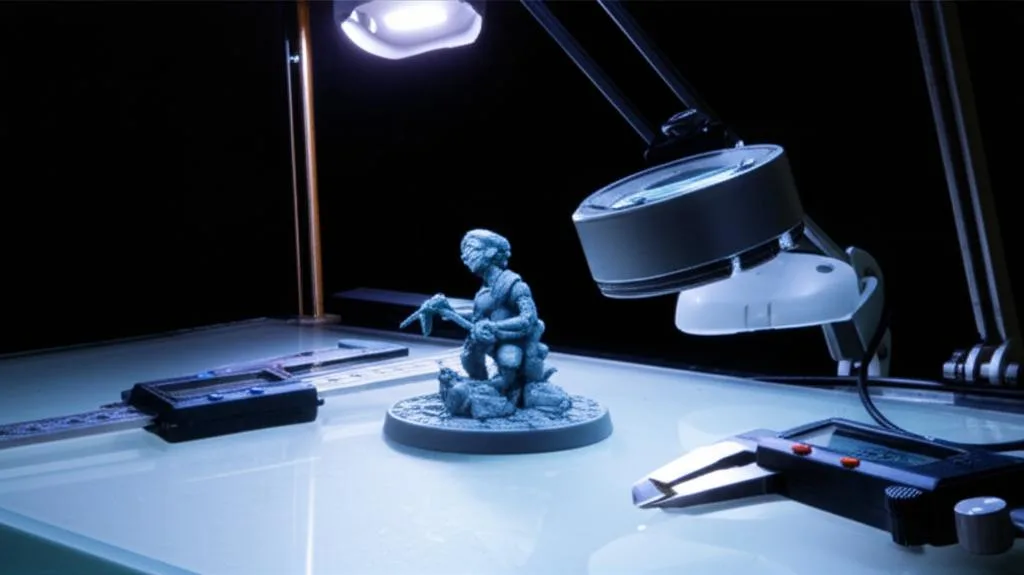
Choosing the optimal layer height for ultra-fine resin miniatures is not about finding a single ‘best’ setting, but rather about making an informed decision that aligns with the specific project’s priorities and constraints. There is no one-size-fits-all answer, and what works perfectly for one miniature or resin might be suboptimal for another.
To navigate this decision, consider a framework built on weighing your primary objectives:
- Prioritize Detail vs. Speed: If the absolute highest fidelity and smoothest surface are paramount, and print time is a secondary concern, then opt for ultra-fine layer heights (20-30 microns). If efficiency and faster turnaround are more critical, and a slight compromise on surface perfection is acceptable, then fine to standard layer heights (40-60 microns) might be more suitable.
- Assess Resource Availability: Consider the time you have for printing and post-processing, the cost implications of resin waste from potential failures, and the electricity consumption for longer prints. Ultra-fine prints demand more time and a higher degree of precision, potentially increasing the risk of material waste if not executed perfectly.
- Understand Your Equipment and Materials: Be realistic about your printer’s capabilities and the specific properties of the resin you are using. Some combinations are inherently better suited for extreme detail than others. Calibration tests are invaluable for understanding these interactions.
- Experiment and Iterate: The most effective way to find your ideal layer height is through controlled experimentation. Start with a common recommended setting for your resin and printer, then print small calibration models or test pieces at slightly different layer heights. Observe the results, adjust other slicer settings (like exposure time or lift speed) as needed, and iterate until you achieve the desired balance of detail, speed, and reliability.
Ultimately, the choice of layer height is a reflection of a conscious trade-off. By objectively analyzing the features and considerations associated with different layer height ranges and understanding how they interact with other slicer settings and your specific project context, you empower yourself to make the most appropriate decision. This analytical approach ensures that each miniature you print is not just a product of technology, but a deliberate creation optimized for its intended purpose and aesthetic.
Frequently asked questions
Will printing at 20 microns use significantly more resin than printing at 50 microns?
No. The total volume of resin consumed is determined by the model’s geometry and whether it is hollowed or solid, not by layer height. A model printed at 20 microns uses the same volume of resin as the same model printed at 50 microns, assuming identical hollowing and infill settings. However, indirect costs can increase because longer print times consume more electricity, and the higher number of layers can place greater stress on the FEP film, potentially leading to more frequent replacements.
Can I use anti-aliasing to get a smooth surface with thicker layers like 50 microns instead of 30?
Yes. Anti-aliasing works by subtly blurring the edges of each layer’s exposure using grey pixels rather than pure black and white, which can visually smooth out layer lines. For miniatures, judicious use of anti-aliasing can sometimes allow you to use a thicker layer height (e.g., 50 microns instead of 30) while still achieving a remarkably smooth appearance. However, excessive anti-aliasing can also soften fine details, so a balanced approach is necessary.
Why do my prints keep failing when I try to print at 20 microns?
Very thin layers require extremely precise exposure times; even slight over- or under-exposure can cause problems. Under-exposure can lead to layers not adhering to each other (delamination), while over-exposure causes light bleed and increased suction forces. The suction forces generated between the curing layer and the FEP film are also more frequent with thinner layers, raising the risk of the print detaching from the build plate. Achieving consistent success at ultra-fine layer heights demands a highly stable printer, perfectly calibrated exposure settings, and careful attention to lift speeds and resin viscosity.