In the intricate world of additive manufacturing, support structures are often a necessary evil, bridging the gap between design aspiration and physical reality. They are crucial for printing complex geometries, overhangs, and bridges that would otherwise succumb to gravity or warp during the printing process. However, the true mark of a well-executed 3D print isn’t just its successful completion, but how effortlessly it transitions from the print bed to its final form. This is where the art and science of breakaway supports come into play, offering a pathway to significantly reduce post-processing reduction and achieve a pristine surface finish.
Understanding breakaway supports
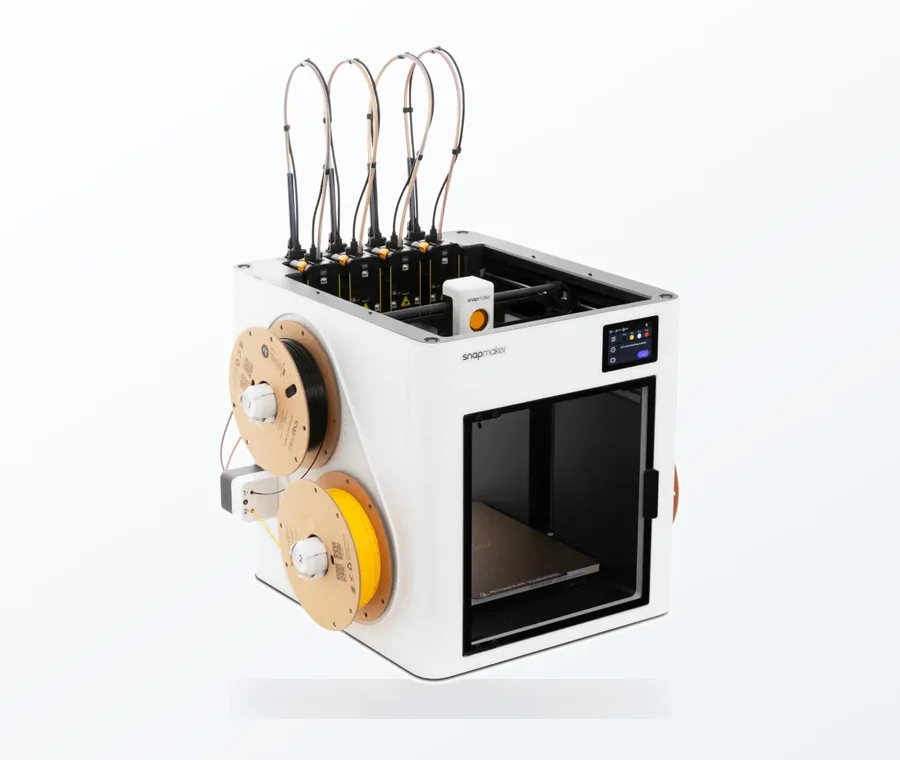
The consumer toolchanger 3D printer: the SnapSwap 4-toolhead system swaps heads in 5 seconds for true multi-color and multi-material printing, with smart calibration and auto filament loading.
- 4 toolheads · 5 s swap
- Up to 500 mm/s · 20,000 mm/s²
- 270 mm cube build volume
- Multi-color & multi-material
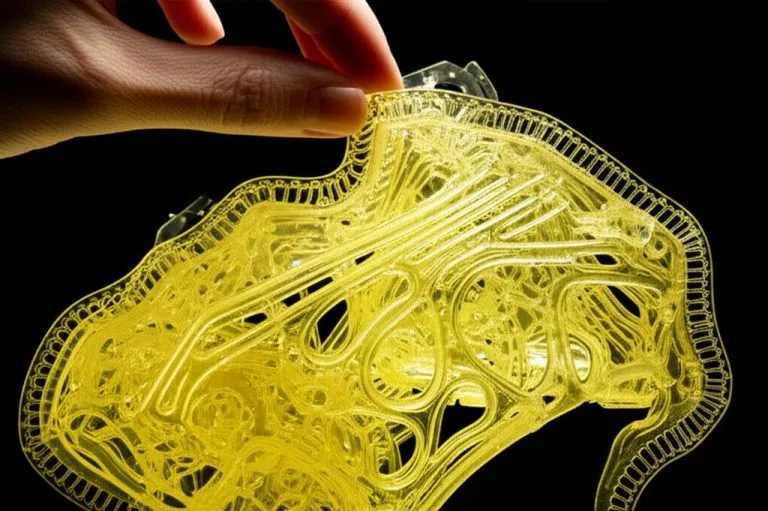
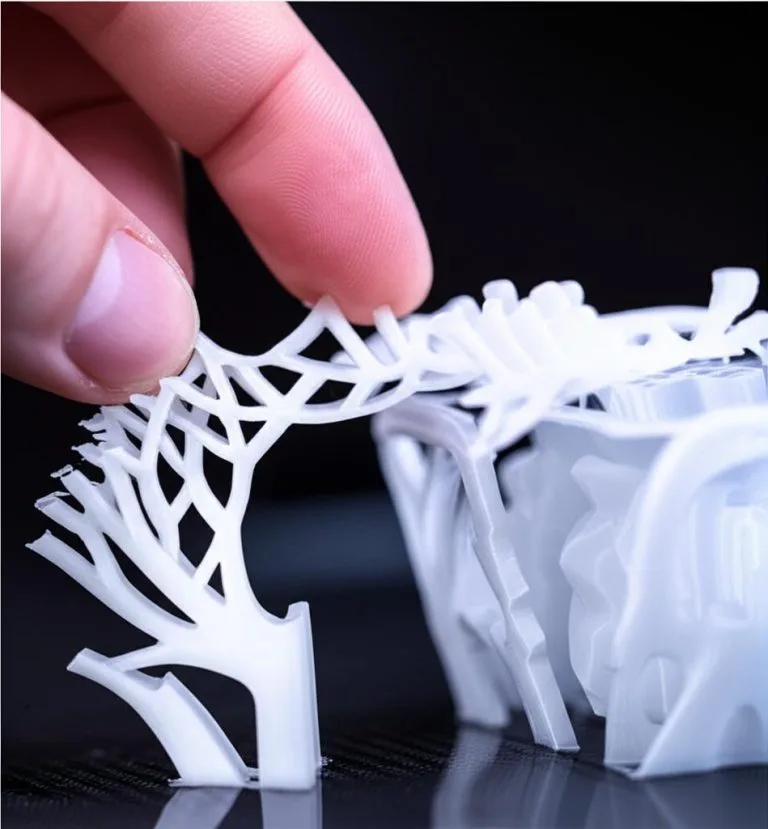
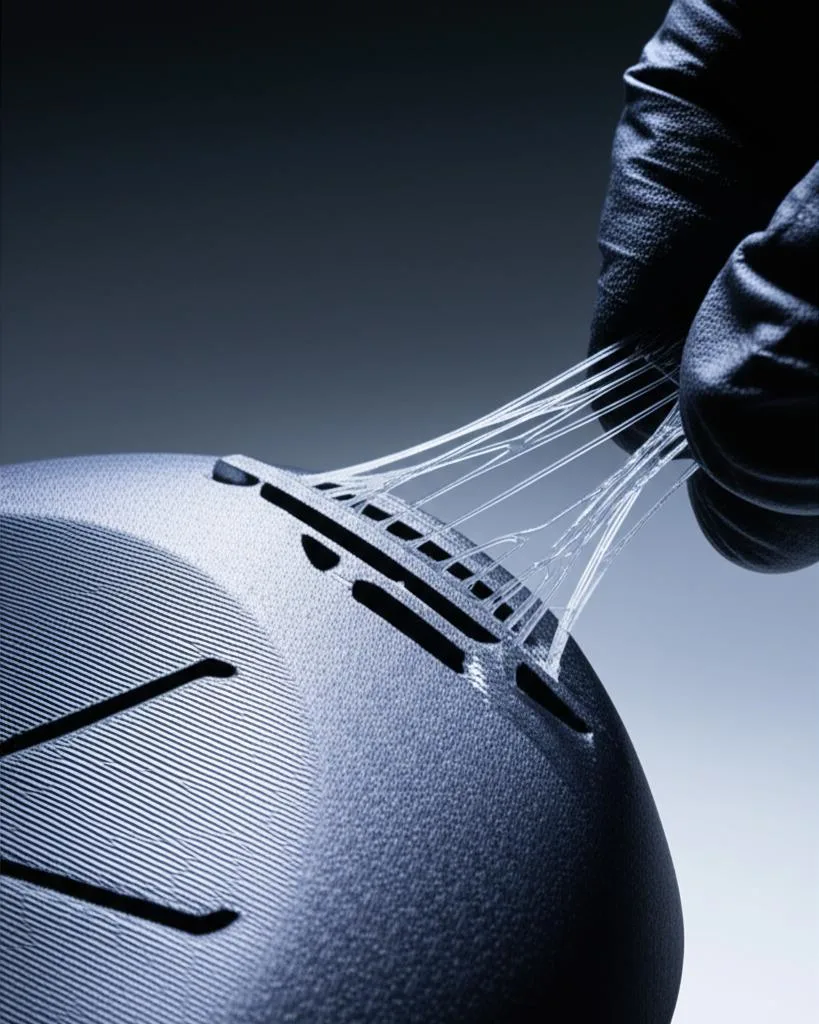
At its core, a breakaway support structure is precisely what its name suggests: a support designed to be easily separated from the printed part without causing damage or leaving excessive marks. Unlike soluble supports that dissolve, breakaway supports rely on mechanical detachment. The goal is a clean, swift removal that minimizes the need for sanding, filing, or other labor-intensive finishing techniques, ultimately saving time and resources. The challenge lies in striking a delicate balance: the support must be robust enough to hold the part during printing, yet fragile enough at the interface to detach with minimal effort.
Key factors influencing breakaway support performance
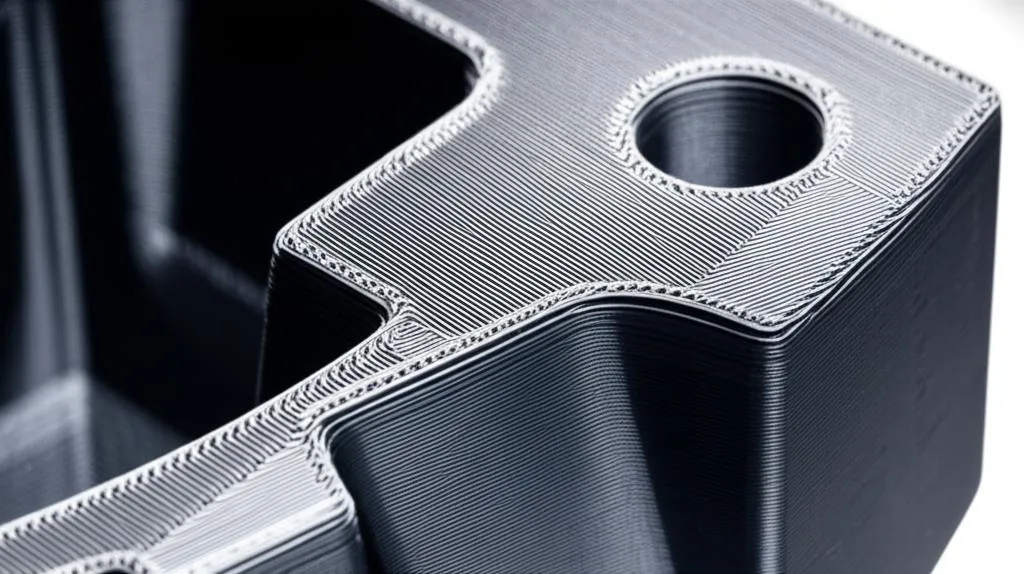
Achieving optimal breakaway performance is a multifaceted endeavor, influenced by a confluence of design choices, material properties, and printer settings. Understanding these elements is paramount for anyone looking to master the technique.
Support interface design
The support interface is arguably the most critical aspect determining how easily supports detach and the quality of the supported surface. It’s the direct point of contact between the support and the model.
- Air gap (Z-gap): This refers to the vertical distance between the top layer of the support and the bottom layer of the printed part. A larger gap generally leads to easier removal but can result in a rougher surface finish due to less material contact. A smaller gap offers better surface quality but increases adhesion, making removal more challenging. Finding the sweet spot is key.
- Contact area and density: The overall area where the support touches the model, and the density of the support structure itself, directly impact adhesion. A lower contact density (e.g., using sparse lines or dots instead of a solid raft) can facilitate easy removal while still providing adequate support.
- Support roof/floor layers: Many slicers allow for additional, denser layers at the very top of the support structure (the ‘support roof’). These layers create a smoother, more uniform interface against the model, improving the surface finish of the supported area and often making the entire support structure peel away more cleanly.
Material considerations
The choice of material for both the primary print and the support structure plays a significant role. Different plastics have varying adhesion properties, affecting how strongly they bond to each other.
- Primary print material: Materials like PETG or ABS tend to have stronger layer adhesion and can bond more aggressively to supports compared to PLA. This necessitates careful tuning of interface settings.
- Support material properties: While the focus here is on non-soluble breakaway supports, some users experiment with dedicated breakaway filaments that are engineered to be more brittle or have specific release agents, offering enhanced easy removal characteristics.
Geometry and orientation
The design of the part itself and its orientation on the print bed fundamentally dictate the need for and nature of supports.
- Part geometry: Complex overhangs, intricate details, and internal cavities will inherently require more support. Designing parts with self-supporting angles (typically 45-60 degrees) can significantly reduce support requirements.
- Print orientation: Thoughtful orientation can minimize the number of supported surfaces, or strategically place them on less visible or critical areas of the model, thereby mitigating the impact on the final surface finish.
Strategies for optimizing breakaway support removal and surface quality
Optimizing breakaway supports involves a blend of software adjustments and design foresight.
Software-based approaches (slicer settings)
Modern slicer software offers a wealth of parameters to fine-tune support structures:
- Support density and infill patterns: Lower density supports use less material and are generally easier to remove, but may be less stable. Patterns like lines or zig-zag are often preferred for easy removal over grids.
- Z-gap and XY-gap settings: Precision in these settings is paramount. The Z-gap (vertical separation) and XY-gap (horizontal separation) determine how much the support adheres to the model and how cleanly it breaks away.
- Support interface layers: As mentioned, adding dense ‘roof’ layers to the support structure can dramatically improve the surface finish of the supported area.
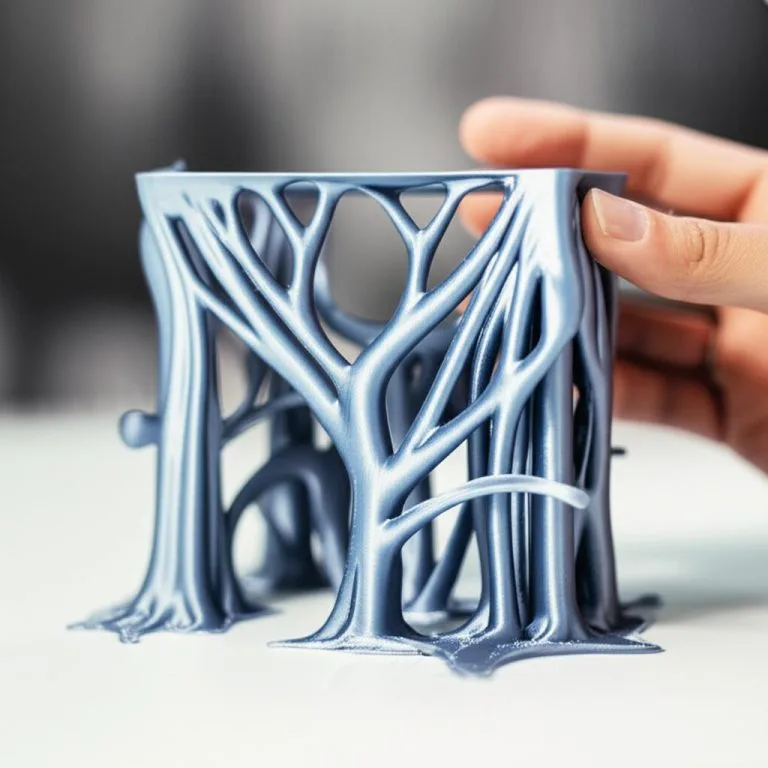
- Support type: Beyond standard grid or line supports, some slicers offer ‘tree supports‘ or ‘organic supports.’ These are designed to minimize contact with the model, often leading to significantly easier removal and better surface finish.
Design for manufacturability (DFM) principles
Integrating support considerations into the initial design phase can be a game-changer:
- Chamfers and fillets: Adding slight chamfers or fillets to the underside of overhangs can make them more self-supporting, reducing the need for dense supports.
- Strategic flat surfaces: Designing small, flat surfaces at critical overhang points can provide a better base for supports, allowing for easier removal later.
Comparing different breakaway support philosophies: cost and feature implications
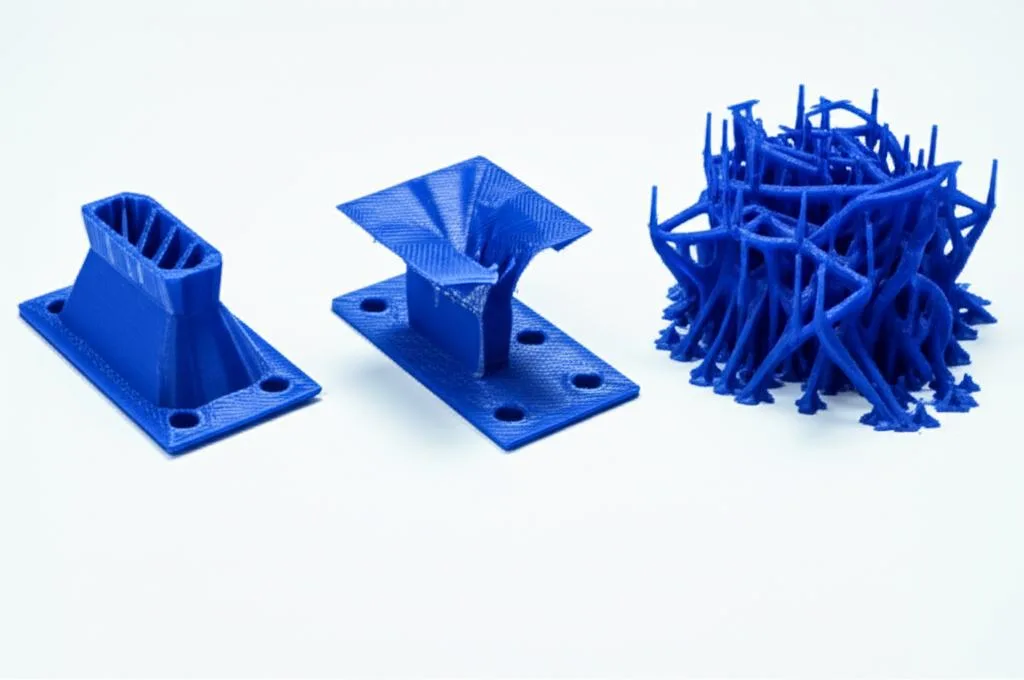
When approaching breakaway supports, various philosophies and techniques present distinct cost structures and feature sets. It’s not about identifying a ‘best’ option, but understanding which approach aligns with specific project requirements, budget constraints, and desired outcomes regarding post-processing reduction and surface finish.
Standard parametric breakaway supports
This approach utilizes the basic support generation features available in virtually all 3D printing slicers, where parameters like density, angle, and Z-gap are manually adjusted.
- Features: These supports are highly customizable through numerical inputs. They are universally accessible, requiring no specialized hardware or software beyond a standard 3D printer and slicer. Their primary feature is their adaptability to a wide range of geometries, relying on the user’s expertise to fine-tune settings for optimal results.
- Cost implications: The direct cost is minimal, as they use the same filament as the primary print, or a generic, inexpensive support material. The ‘cost’ here often manifests as a time investment in experimentation and tuning to achieve the desired balance between print stability, easy removal, and surface finish. Inefficient settings can lead to increased post-processing reduction time, which translates to labor costs, or even failed prints, increasing material waste.
- Surface finish and easy removal: The quality can vary significantly. With meticulous tuning of the support interface (especially Z-gap and support roof layers), a remarkably smooth surface finish and relatively easy removal are achievable. Without this attention to detail, however, these supports can be stubbornly attached, leaving behind noticeable scarring and requiring substantial cleanup.
Advanced algorithmic (e.g., tree) supports
Many modern slicers incorporate more sophisticated algorithms to generate supports, with tree supports being a prominent example. These are designed to be organic, minimizing contact points with the model.
- Features: Tree supports are characterized by their branching, minimal-contact structure. They often require less material than standard supports and are engineered for inherent easy removal due to fewer points of adhesion and a design that encourages the entire structure to peel away. They can navigate complex geometries more effectively, reaching overhangs with precision while avoiding critical cosmetic surfaces.
- Cost implications: There is generally no direct additional material cost, as they typically use the same filament as the print. The software that generates these supports is often open-source (e.g., Cura, PrusaSlicer) or included with commercial slicers, so there’s no upfront software cost. The primary financial benefit comes from significant post-processing reduction. Less time spent cleaning means lower labor costs and faster turnaround times, making them highly efficient for production environments.
- Surface finish and easy removal: Generally superior. The reduced contact area inherently leads to a better surface finish on supported regions. Their design prioritizes easy removal, often allowing them to be snapped off with minimal tools or even by hand, leaving behind very few marks. This contributes to a higher quality final product with less effort.
Specialized breakaway support materials
This category involves using a distinct material specifically formulated to act as a breakaway support, often in dual extrusion setups.
- Features: These materials are designed with properties that facilitate detachment, such as increased brittleness compared to the primary material, or reduced adhesion to common build materials. They offer a more consistent and predictable removal experience, as their properties are engineered for this specific purpose.
- Cost implications: This approach typically involves a higher material cost per print, as a separate, often more expensive, support filament or resin is used. It also requires a printer capable of dual extrusion (for FDM) or specific resin compatibility (for SLA/DLP), which can represent a higher initial hardware investment. However, the increased material cost can be offset by drastically reduced post-processing reduction times, leading to significant labor savings and a more efficient workflow, particularly for complex parts or high-volume production.
- Surface finish and easy removal: Can offer the best of both worlds. The engineered properties of these materials often lead to exceptionally easy removal, with supports practically falling away. This results in an excellent surface finish with minimal scarring, approaching the quality of non-supported surfaces. The consistency of removal is a key advantage, reducing variability in the final product’s quality.
The balancing act: achieving optimal breakaway performance
There is no universal ‘best’ solution for breakaway supports. The optimal approach is a dynamic interplay between the specific geometry of the part, the chosen primary material, the capabilities of the 3D printer, and the desired quality of the final product. Each method presents its own set of trade-offs concerning initial setup, material cost, time investment in tuning, and the ultimate impact on post-processing reduction and surface finish. Experimentation, coupled with a deep understanding of these variables, is the key to unlocking the full potential of easy removal supports.
Ultimately, mastering the art of breakaway supports is about making informed decisions. By carefully considering the design of the support interface, selecting appropriate materials, and leveraging advanced slicer settings, manufacturers and hobbyists alike can significantly enhance the efficiency and quality of their 3D printing endeavors. The goal remains consistent: to transform complex prints from a struggle of detachment and cleanup into a seamless process that delivers a superior surface finish with minimal fuss.
Frequently asked questions
Does increasing the Z-gap always make supports easier to remove at the cost of surface finish?
Generally, yes. A larger Z-gap reduces the amount of material contact between the support and the model, making the support easier to snap off. However, because the first printed layer of the overhang has less material to adhere to, it can droop or sag, resulting in a rougher surface finish on the supported area. Finding the smallest Z-gap that still allows clean removal is the goal.
Can I use tree supports on a single-extruder printer without an expensive support filament?
Yes. Tree supports (also called organic supports) are generated by the slicer software and are typically printed using the same filament as the main model. They are designed to minimize contact points, which makes them inherently easier to break away than standard grid supports, even when using a single material like PLA or PETG. No specialized hardware or dual extrusion is required.
What is the most common mistake when tuning breakaway supports for PETG?
The most common mistake is using the same Z-gap and interface settings that work well for PLA. PETG has stronger layer adhesion and bonds more aggressively to supports, so a smaller Z-gap can make removal extremely difficult and cause surface scarring. You usually need a larger Z-gap for PETG than for PLA to achieve clean breakaway performance.