In the intricate world of modern medicine, precision and foresight are paramount, especially when it comes to complex surgical procedures. The ability to thoroughly understand a patient’s unique anatomy before making the first incision can dramatically alter outcomes. This is where 3D printed anatomical models have emerged as a game-changer, offering an unparalleled level of insight for pre-surgical planning and surgical preparation. These highly accurate, patient-specific models are transforming how surgeons visualize, plan, and rehearse operations, moving beyond traditional 2D imaging to a tangible, three-dimensional reality.
The transformative impact on surgical planning
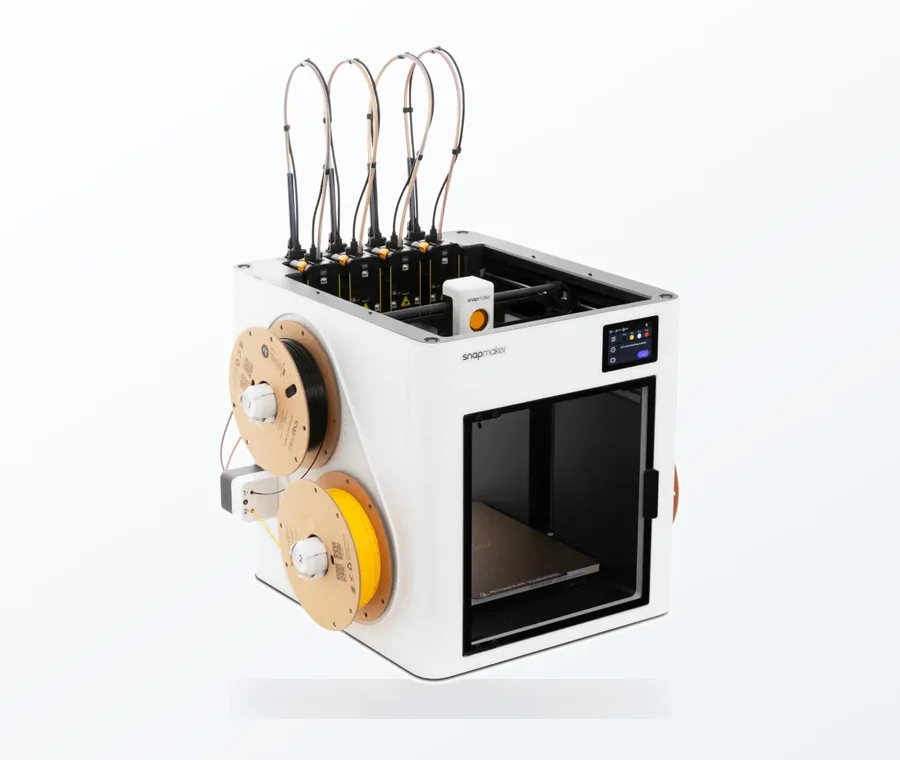
The consumer toolchanger 3D printer: the SnapSwap 4-toolhead system swaps heads in 5 seconds for true multi-color and multi-material printing, with smart calibration and auto filament loading.
- 4 toolheads · 5 s swap
- Up to 500 mm/s · 20,000 mm/s²
- 270 mm cube build volume
- Multi-color & multi-material
The advent of 3D printed anatomical models marks a significant leap from conventional imaging techniques like CT scans and MRIs. While invaluable, these scans provide only two-dimensional representations that require significant mental reconstruction by the surgeon. A physical 3D model, however, offers a haptic and visual understanding that is simply unattainable otherwise.
- Enhanced Visualization: Surgeons can hold, rotate, and examine the exact replica of a patient’s organ, bone structure, or vascular system. This allows for a much deeper comprehension of spatial relationships, pathologies, and critical anatomical landmarks.
- Surgical Rehearsal: For highly complex or rare cases, these models serve as invaluable training tools. Surgeons can practice the procedure multiple times, experiment with different approaches, and even test custom instruments, significantly reducing surprises in the operating room.
- Improved Patient Communication: Explaining complex procedures to patients and their families becomes much easier with a tangible model. This fosters greater understanding, reduces anxiety, and facilitates informed consent.
- Reduced Operating Room Time: Thorough pre-surgical planning enabled by 3D models can lead to more efficient surgeries, potentially shortening OR time, which in turn can reduce anesthesia exposure and the risk of complications.
- Optimized Instrument Selection: The ability to pre-plan incision points and instrument paths can lead to the selection of optimal tools and even the design of patient-specific surgical guides.
Technologies behind patient-specific anatomical models
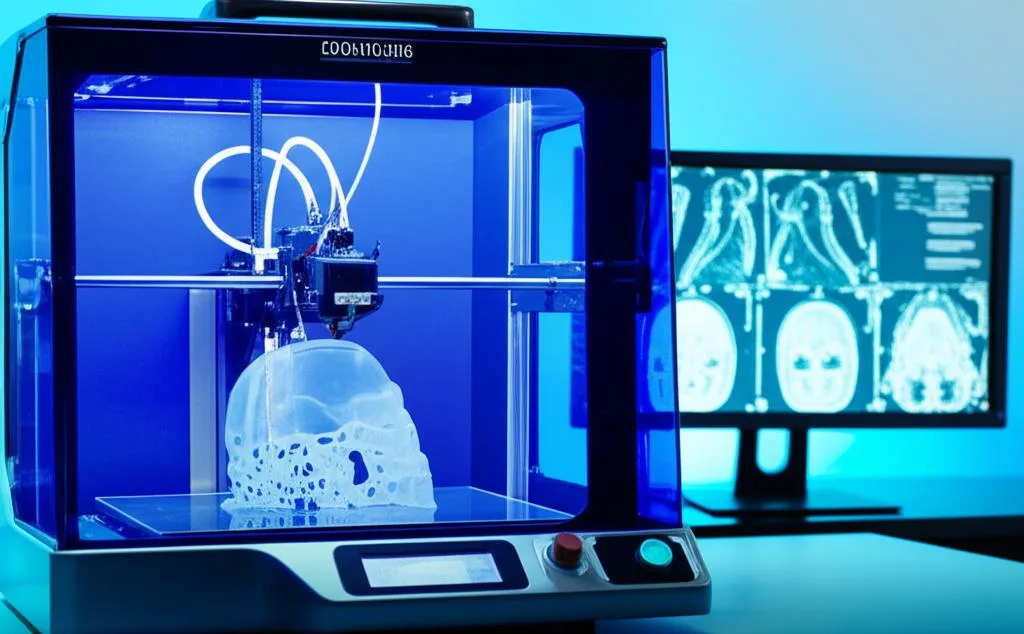
Creating these intricate models involves a sophisticated workflow, beginning with medical imaging data and culminating in a physical print. Various 3D printing technologies are employed, each offering distinct advantages in terms of detail, material properties, and cost.
Key 3D printing technologies for medical models
- Fused Deposition Modeling (FDM): This entry-level technology builds models layer by layer by extruding heated thermoplastic filament. FDM models are generally robust and cost-effective, making them suitable for basic anatomical representations or larger structures where extreme detail isn’t paramount. While less precise than other methods, their accessibility makes them a good starting point for institutions exploring 3D printing.
- Stereolithography (SLA) and Digital Light Processing (DLP): These resin-based technologies cure liquid photopolymer resin with a UV laser (SLA) or a projector (DLP). They are renowned for producing highly detailed, smooth-surfaced models with excellent accuracy. SLA/DLP models are ideal for intricate anatomical structures, such as small bones, vascular networks, or complex tumor geometries, where precision is critical.
- PolyJet/MultiJet Printing (MJP): These advanced technologies jet layers of liquid photopolymer onto a build tray, curing them with UV light. PolyJet printers, in particular, can print multiple materials simultaneously, allowing for models that combine rigid and flexible components, or even different colors to represent various tissue types (e.g., bone, cartilage, soft tissue, blood vessels). This capability is invaluable for creating highly realistic, multi-texture patient-specific models that mimic the feel and appearance of real anatomy, offering the most comprehensive pre-operative simulation experience.
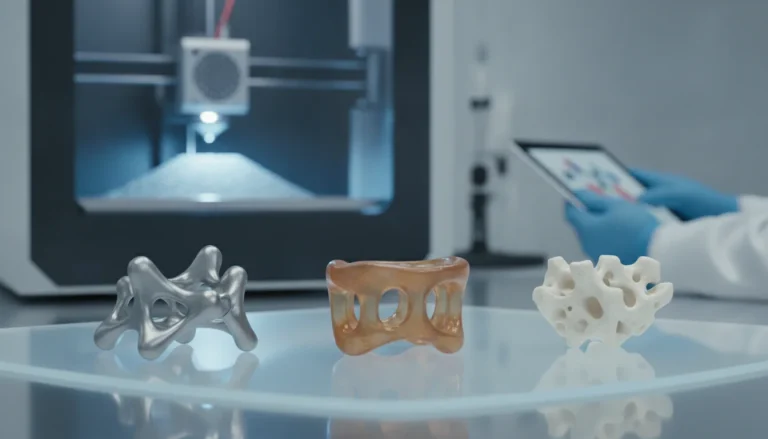
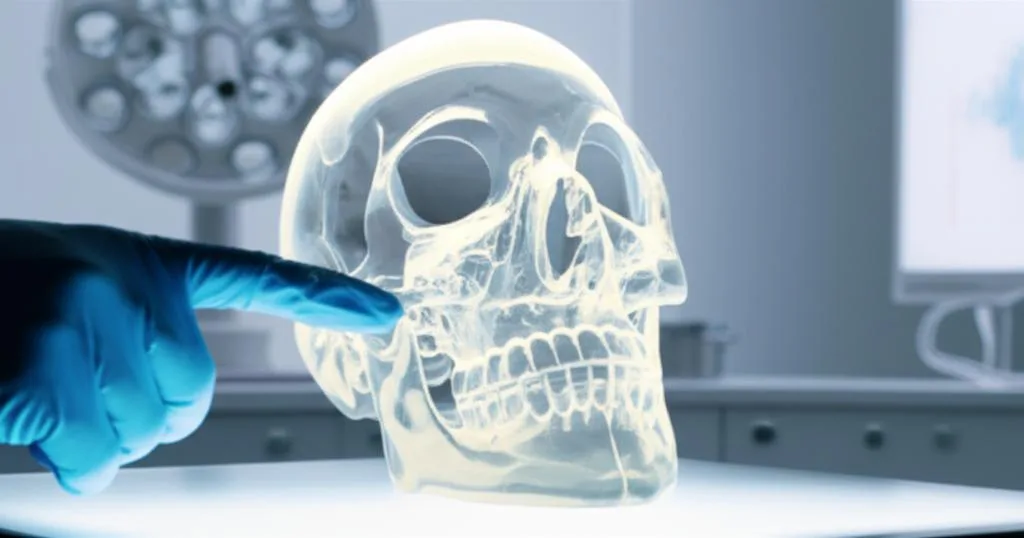
Materials used range from rigid plastics that mimic bone to flexible, rubber-like photopolymers that simulate soft tissue, and even transparent resins for visualizing internal structures. The choice of technology and material significantly impacts the model’s fidelity, haptic feedback, and ultimately, its utility in surgical preparation.
For healthcare institutions considering the adoption of 3D printed anatomical models, a crucial decision involves whether to establish an in-house 3D printing lab or to outsource production to specialized service bureaus. Both approaches present distinct cost structures and operational considerations.
In-house 3D printing facilities
Establishing an in-house facility for creating 3D printed anatomical models involves a significant upfront investment but can offer long-term benefits, particularly for institutions with high volume needs or specific research interests.
- Initial Investment: This includes the purchase of 3D printers (ranging from tens of thousands for FDM to hundreds of thousands for advanced PolyJet systems), specialized medical image segmentation software licenses, post-processing equipment, and potentially dedicated facility space.
- Operational Costs: Ongoing expenses encompass raw materials (resins, filaments), routine printer maintenance, utility consumption, and, crucially, personnel. Operating a medical 3D printing lab requires skilled technicians proficient in medical imaging, 3D modeling, and printer operation and maintenance. Training for these roles is an additional consideration.
- Advantages: Immediate access to models, full control over the entire workflow from data to print, intellectual property retention, and potentially lower per-model costs for high-volume production. It also fosters internal expertise and innovation.
- Considerations: High capital expenditure, a steep learning curve for staff, and the need for dedicated resources for quality control and maintenance. The initial outlay can be a barrier for smaller institutions.
Outsourcing to 3D printing service bureaus
Engaging with specialized service bureaus offers a different financial and operational model, particularly attractive for institutions with lower volume requirements or those seeking access to cutting-edge technologies without the capital outlay.
- Per-Model Cost: Service bureaus charge on a per-model basis, with pricing heavily influenced by the model’s size, complexity, chosen material, desired level of detail, and turnaround time. These costs can vary widely, from a few hundred to several thousand dollars per model for highly intricate, multi-material prints.
- No Upfront Investment: The primary advantage is the elimination of capital expenditure on equipment and software. Institutions pay only for the models they need, when they need them.
- Advantages: Access to a wide range of advanced 3D printing technologies and materials (including those too expensive for in-house acquisition), specialized expertise in medical modeling and regulatory compliance, scalability for fluctuating demand, and no burden of equipment maintenance or staffing.
- Considerations: Higher per-model cost compared to high-volume in-house production, potential lead times for model creation and delivery, and less direct control over the entire production process. Data security and intellectual property agreements with the bureau are also critical considerations.
Features for objective comparison
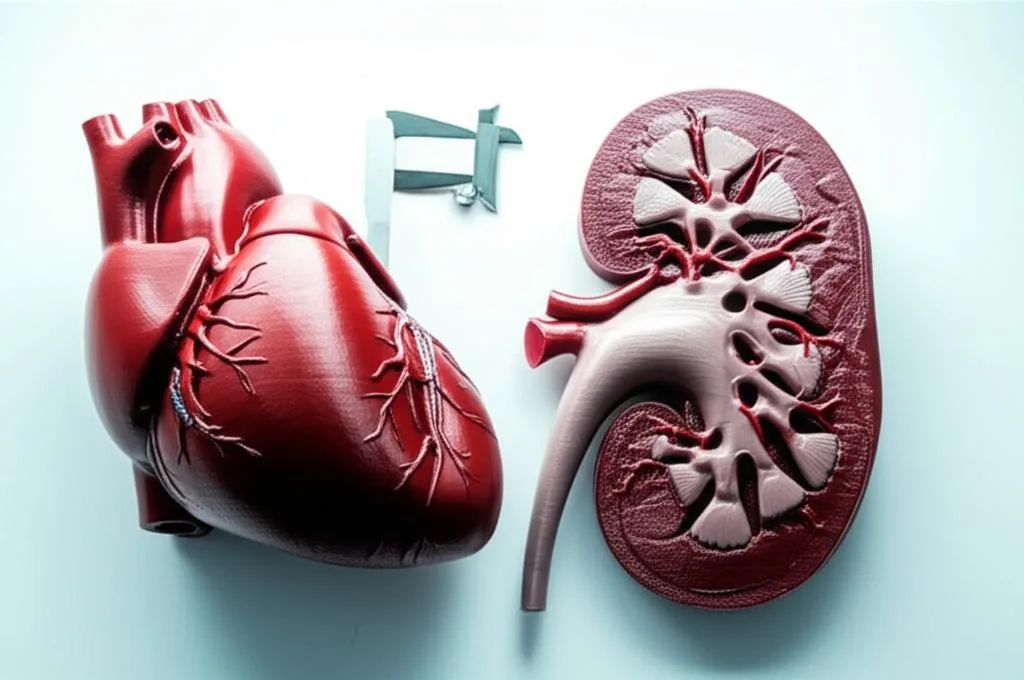
When evaluating different solutions for 3D printed anatomical models, several key features warrant objective comparison to determine the best fit for specific surgical needs and institutional resources:
- Accuracy and Resolution: The fidelity of the model to the patient’s actual anatomy is paramount. High-resolution prints capture finer details, crucial for complex vascular structures or delicate nerve pathways.
- Material Properties: Does the model need to be rigid like bone, flexible like cartilage, or translucent for visualizing internal flow? The ability to select or combine materials that mimic tissue properties enhances realism and surgical utility.
- Multi-material and Multi-color Capabilities: For the most realistic and informative models, the ability to print different tissue types in varying colors and textures (e.g., bone, soft tissue, tumors, vessels) is a significant advantage, often achieved with PolyJet technology.
- Turnaround Time: The speed from imaging data to a physical model is critical for urgent cases. In-house labs might offer quicker turnarounds for routine cases, while service bureaus have established workflows for rapid production.
- Cost-Effectiveness per Use Case: For infrequent, highly complex cases, outsourcing might be more cost-effective. For high-volume, routine anatomical models, an in-house lab might offer better long-term value.
- Integration with Surgical Workflow: How seamlessly can the models be incorporated into existing pre-surgical planning protocols and discussions?
Challenges and the path forward
Despite their immense potential, the widespread adoption of 3D printed anatomical models faces challenges. Data segmentation, the process of converting medical scans into printable 3D files, remains labor-intensive and requires specialized skills. Regulatory pathways, while not as stringent as for implantable devices, still need to be considered for quality assurance. Justifying the initial investment or per-model cost also requires a clear understanding of the return on investment in terms of improved patient outcomes, reduced complications, and optimized resource utilization.
Looking ahead, advancements in artificial intelligence are poised to automate and accelerate the segmentation process, making model creation faster and more accessible. New materials with even more realistic haptic properties are continually being developed. As technology matures and costs potentially decrease with wider adoption, 3D printed anatomical models will undoubtedly become an indispensable tool in routine surgical preparation and advanced medical education, further streamlining complex surgeries and ultimately enhancing patient care.
Frequently asked questions
How long does it typically take to get a 3D printed anatomical model from medical scan to physical part?
Turnaround time varies by workflow and urgency. In-house labs can often produce routine models faster due to direct control, while service bureaus have established rapid production workflows. The most time-consuming step is usually data segmentation—converting CT/MRI scans into a printable 3D file—which remains labor-intensive and requires specialized skills.
Can 3D printed models be sterilized and used inside the operating room during surgery?
The article focuses on pre-operative planning and surgical rehearsal, not intraoperative use. Standard FDM plastics and SLA resins used for anatomical models are generally not autoclavable, though some materials may tolerate low-temperature sterilization methods. Always verify material compatibility with your hospital’s sterilization protocols before bringing any 3D printed part into the sterile field.
What is the typical cost range for a single patient-specific anatomical model from a service bureau?
Service bureaus charge on a per-model basis, with pricing heavily influenced by size, complexity, chosen material, and desired detail level. Costs can range from a few hundred dollars for simpler prints to several thousand dollars for highly intricate, multi-material models. This eliminates the upfront capital expenditure of buying printers and software, making it attractive for lower-volume institutions.