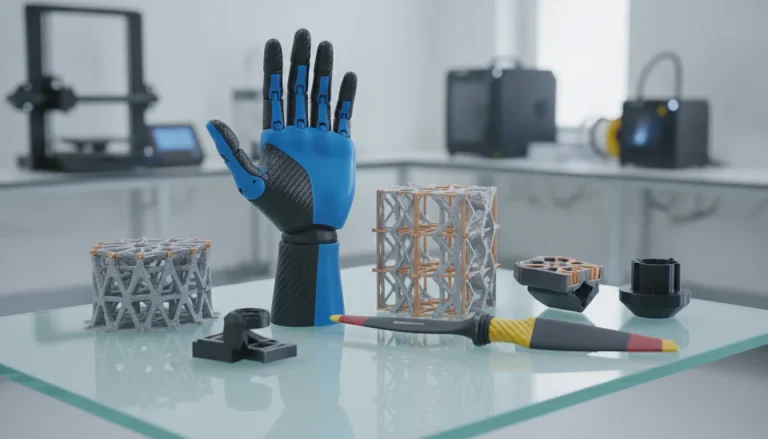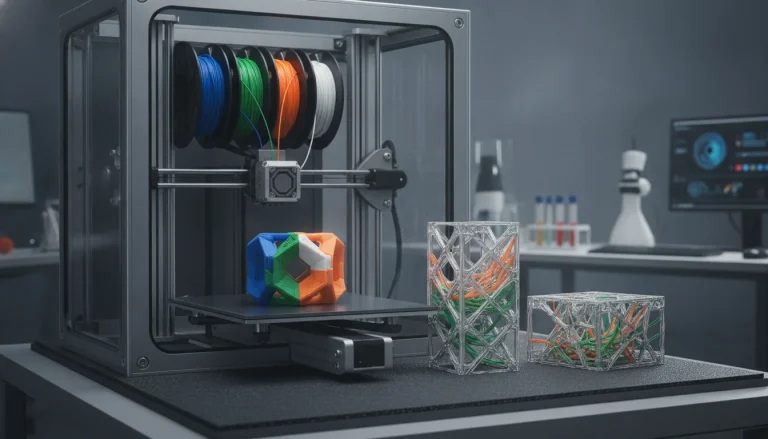
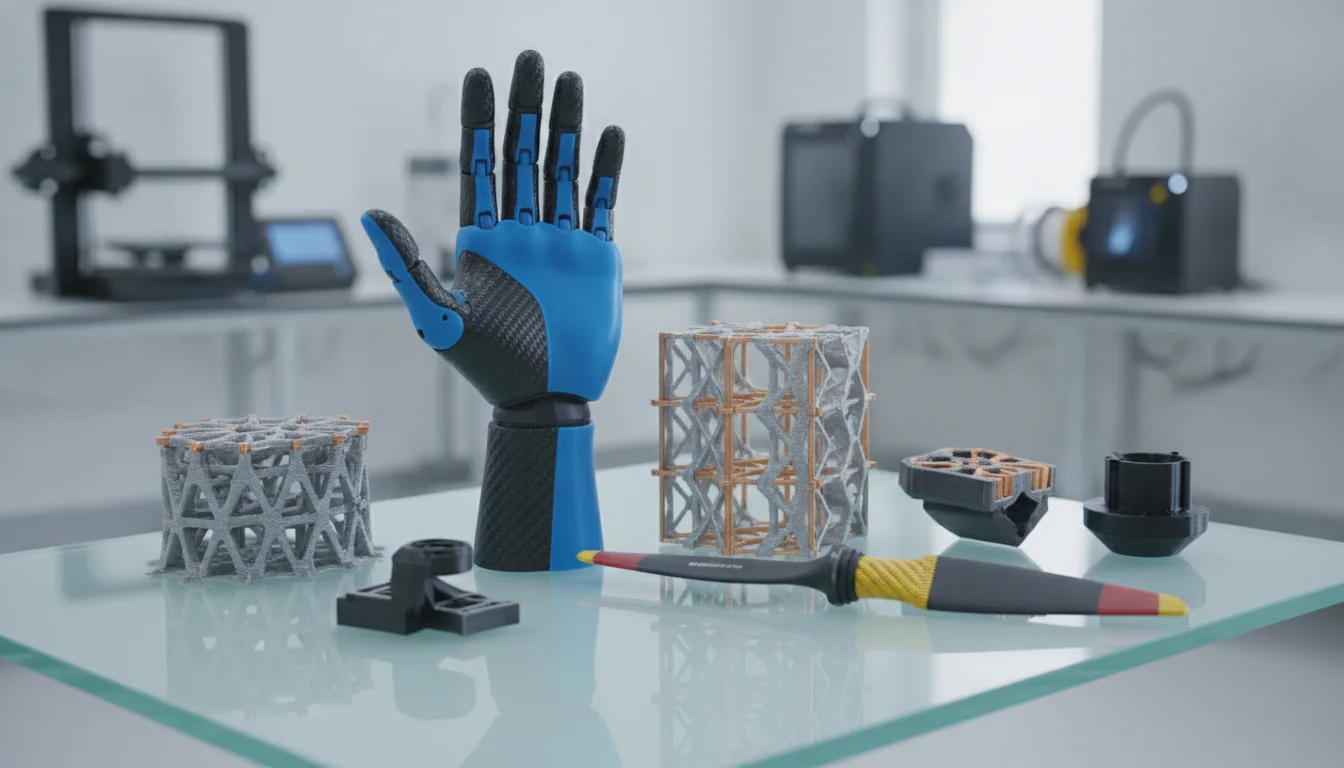
The landscape of additive manufacturing has evolved dramatically, pushing beyond the early days of simple prototyping and aesthetic models. Today, the true power of 3D printing lies in its capacity to create objects with integrated, enhanced functionality. This shift is particularly evident in the realm of functional multi-material 3D print, where combining different materials within a single print allows for the creation of components with diverse and often revolutionary properties. No longer are designers limited to the characteristics of a single polymer; instead, they can engineer intricate parts where each section serves a distinct purpose, from structural integrity to electrical conductivity or thermal insulation. This guide delves into the critical considerations for selecting the right material combinations to unlock the full potential of these advanced manufacturing techniques, moving beyond mere visual appeal to truly engineered prints.
The paradigm shift: From single-material prototypes to functional multi-material 3D prints

The world’s first desktop full-color 3D & UV printer. Back the Kickstarter campaign with a refundable $50 deposit for VIP pricing.
For many years, 3D printing was primarily synonymous with rapid prototyping. The ability to quickly iterate designs in a single material, often a standard thermoplastic like PLA or ABS, was a game-changer for product development cycles. However, as the technology matured and the demands of various industries grew more complex, the limitations of single-material prints became apparent. A part requiring both rigidity and flexibility, or electrical conductivity alongside structural support, necessitated multi-component assemblies – a process often cumbersome, costly, and prone to failure points.
The advent of multi-material 3D printing capabilities marked a significant turning point. It introduced the possibility of embedding different material properties directly into a single, cohesive object during the printing process. This capability has opened doors to creating truly functional components, where material choices are dictated by the specific properties required for different zones of the part. From consumer electronics with integrated circuits to medical devices offering varying degrees of stiffness, the emphasis has squarely shifted towards leveraging material diversity for enhanced performance. The core concept revolves around strategically placing materials with specific properties exactly where they are needed, transforming a passive object into an active, high-performing system. This evolution is central to realizing the full promise of additive manufacturing for complex, integrated solutions.
Understanding material compatibility: The cornerstone of engineered prints
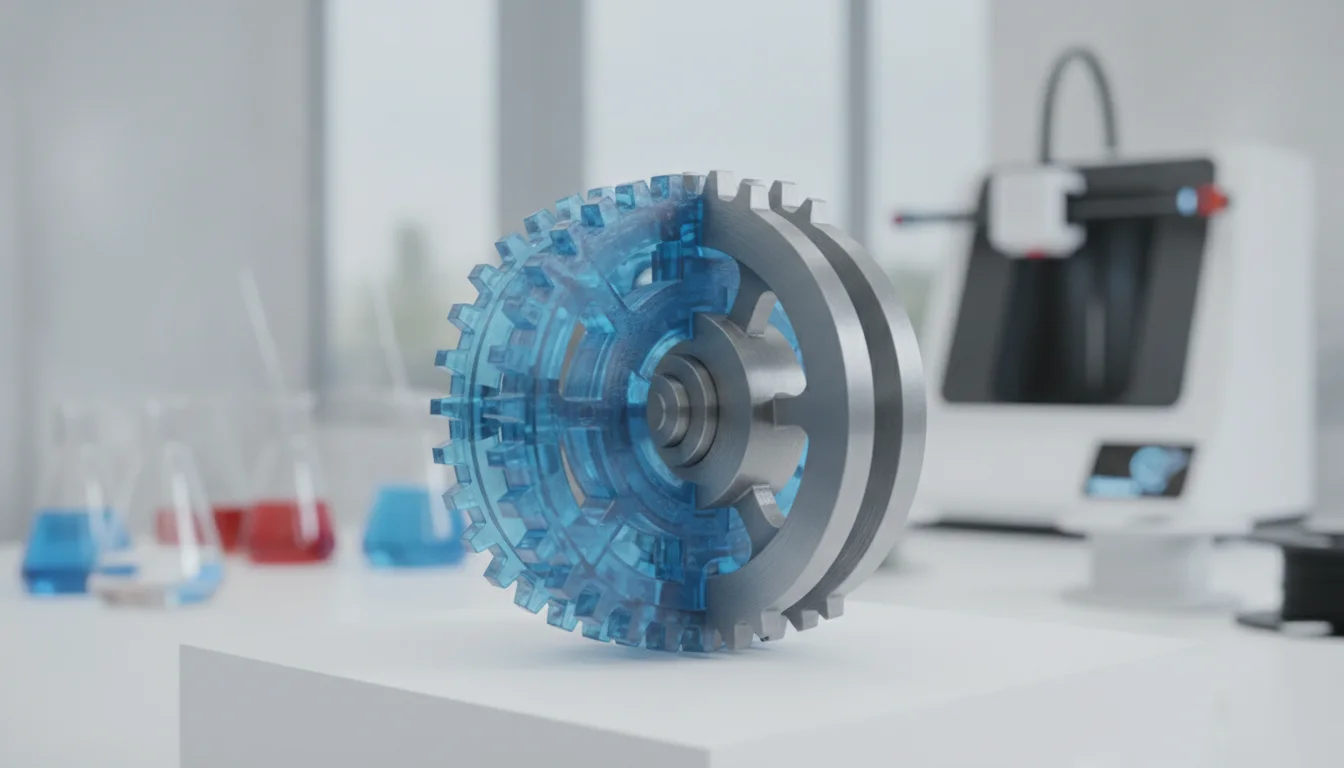
The success of any functional multi-material 3D print hinges critically on the compatibility of the chosen materials. It’s not enough to simply select materials with the desired individual properties; they must also work together seamlessly during the printing process and throughout the lifespan of the final product. Overlooking material compatibility can lead to a host of issues, including poor adhesion between layers, warping, delamination, and ultimately, a compromised or failed print. Achieving robust engineered prints requires a deep understanding of how different materials interact.
Key aspects of material compatibility
- Adhesion properties: This is arguably the most fundamental aspect. Materials must bond effectively at their interface to form a strong, monolithic part. Factors influencing adhesion include surface energy, chemical affinity, and intermolecular forces. Some material pairs naturally adhere well, while others require specific interface designs or processing adjustments.
- Thermal expansion coefficients: Different materials expand and contract at varying rates when subjected to temperature changes. If materials with significantly different thermal expansion coefficients are printed together, internal stresses can build up as the part cools, leading to warping, cracking, or delamination, particularly in larger or more intricate geometries. Managing these differences is crucial for dimensional stability.
- Chemical interaction: While less common in standard thermoplastics, certain materials can react chemically with each other, especially at elevated printing temperatures. Such interactions can degrade material properties, compromise structural integrity, or even produce undesirable byproducts. It’s essential to verify that the materials are chemically inert to one another under processing conditions.
- Processing temperatures: Multi-material printers typically operate within a specific temperature range suitable for the materials being used. If one material requires a significantly higher or lower extrusion temperature than another, it can pose challenges. Printing at a temperature too low for one material can result in poor layer adhesion, while too high can cause degradation or excessive oozing for another. Optimizing nozzle and bed temperatures for all materials simultaneously is often a delicate balancing act.
Strategies for assessing compatibility
Given the complexity, assessing material compatibility often involves a combination of theoretical analysis and practical experimentation. Data sheets provide initial clues regarding thermal properties and chemical resistances, but real-world performance can differ. Small-scale test prints, often referred to as ‘compatibility coupons,’ are invaluable for evaluating interfacial strength, print quality, and the presence of warping or delamination. Advanced simulation tools can also help predict material behavior and stress distribution, reducing the need for extensive physical prototyping. The goal is to identify material pairs that not only meet the functional requirements but also form a stable, integrated structure.
Tailoring functionality: Selecting materials for specific properties

A retro-styled turntable and add-on speaker system with concrete and wood enclosure options. Currently running on Kickstarter.
The true power of functional multi-material 3D print lies in its ability to combine materials, each contributing specific properties to the final component. This allows for unparalleled design freedom and the creation of highly optimized parts. Understanding the diverse range of material properties and how they can be leveraged is key to successful engineered prints.
Mechanical properties
Mechanical properties are often the primary drivers behind material selection for functional parts. Multi-material printing enables the creation of objects with localized stiffness, flexibility, impact resistance, or wear resistance, precisely where needed.
- Combining rigid and flexible materials: This is a common application, allowing for parts with integrated hinges, seals, or ergonomic grips. For instance, a rigid material like ABS or PETG can form the main structural body, while a flexible thermoplastic polyurethane (TPU) or thermoplastic elastomer (TPE) can be used for gaskets, shock absorbers, or compliant mechanisms. This eliminates the need for assembly and improves overall durability.
- Enhancing strength and wear resistance: For components requiring high strength-to-weight ratios or resistance to abrasion, standard polymers can be combined with reinforced composites. For example, a base polymer like Nylon or PC can be reinforced with short carbon fibers or glass fibers in high-stress areas, while other sections might use unreinforced material for easier printing or specific surface finishes. This approach creates parts that are robust where it matters most, without adding unnecessary weight or cost to less critical sections.
- Vibration dampening: By strategically embedding elastomeric materials within a rigid structure, designers can create parts that effectively dampen vibrations, crucial for applications in robotics, automotive components, or sensitive equipment housings.
Electrical properties: Integrating conductive materials
The ability to print conductive materials alongside insulating ones has revolutionized the creation of integrated electronics and smart devices. This opens up possibilities for embedding circuits, sensors, and electromagnetic shielding directly within the structure of a part.
- Conductive polymers: These are typically standard polymers infused with conductive additives such as graphene, carbon nanotubes, or metallic particles (e.g., copper, silver). While their conductivity is generally lower than pure metals, it’s sufficient for many low-power circuits, touch sensors, or EMI shielding applications. Examples include conductive PLA or ABS filaments.
- Insulating materials: Standard non-conductive polymers like PLA, PETG, or ABS serve as excellent insulating matrices, ensuring that electrical paths are isolated and functional. The precise placement of conductive traces within an insulating body allows for intricate circuit designs without external wiring.
- Applications: This combination is pivotal for creating custom sensors (e.g., strain gauges, capacitive touch sensors), integrated wiring harnesses, antistatic components, and even heating elements directly within a printed part. The precision of 3D printing means these conductive elements can be placed with high accuracy, leading to compact and efficient designs.
Thermal properties
Controlling heat flow is another critical application for functional multi-material 3D prints, enabling the creation of components with localized thermal management features.
- Heat sinks/insulators: By combining thermally conductive materials (e.g., polymer composites with metallic fillers, or even direct metal printing in hybrid systems) with thermally insulating polymers, designers can create parts that efficiently dissipate heat from specific areas while insulating others. This is invaluable for electronics enclosures, battery housings, or components exposed to varying thermal environments.
- Thermochromic materials: These materials change color based on temperature, offering visual indicators for thermal status. When combined with standard polymers, they can create smart components that visually communicate temperature changes without external sensors.
Chemical properties
For applications where parts interact with various chemicals, multi-material printing allows for tailored chemical resistance.
- Chemical resistance: Materials like Polypropylene (PP) or high-performance polymers such as PEEK or PEI offer excellent resistance to a wide range of chemicals. By using these materials for contact surfaces and less resistant, more easily printable materials for structural supports, complex geometries can be achieved that withstand harsh chemical environments. This is crucial for laboratory equipment, industrial components, or fluid handling systems.
- Biocompatibility: In the medical field, biocompatible materials (e.g., certain grades of PCL, PLA, or specific resins) can be combined with other functional materials to create custom prosthetics, surgical guides, or drug delivery systems that safely interact with biological systems.
Optical properties
Multi-material printing can also be used to integrate different optical functionalities into a single part.
- Transparent and opaque combinations: Creating parts with integrated windows, light guides, or lenses alongside opaque structural elements is possible. For example, a clear resin or transparent PETG can be used for optical pathways, while an opaque material forms the housing, optimizing light transmission and direction.
- Light guides: Complex light guides or diffusers can be printed directly into a part, eliminating the need for separate components and assembly.
Design considerations for successful functional multi-material 3D print
Beyond material selection and compatibility, several design considerations are paramount to achieving successful functional multi-material 3D prints. These factors influence not only the printability but also the performance and longevity of the final engineered prints.
Geometric complexity and resolution
While multi-material 3D printing offers immense design freedom, the complexity of the geometry can impact print success. Intricate interfaces between materials, very thin walls, or extremely fine features can be challenging to print accurately, particularly with FDM-based multi-material systems. Resolution limitations of the printer and the specific material properties (e.g., viscosity, melt flow index) must be taken into account during the design phase. Optimizing layer height and infill patterns for different material zones can also play a role in achieving desired mechanical properties and surface finish.
Interfacial design and stress management
The interface between different materials is often the weakest point in a multi-material print. Designing these interfaces strategically can significantly improve overall part strength and reliability. Gradual transitions, interlocking geometries (like dovetails or finger joints), or increased contact surface areas can enhance mechanical bonding. Furthermore, understanding and mitigating internal stresses, particularly those arising from differential thermal expansion, is crucial. Designers might need to consider specific annealing processes or optimize part orientation to minimize these stresses and prevent warping or delamination over time.
Post-processing requirements
The choice of material combinations can also influence post-processing needs. Some multi-material prints might require support removal, surface finishing, or specific curing steps. If one material is soluble in a particular solvent and another is not, this can be leveraged for support removal. However, if both materials are sensitive to the same post-processing agent, it complicates the workflow. Designers must consider the entire manufacturing process, from initial design to final part, to ensure that the chosen materials and geometry are compatible with necessary post-processing steps without compromising the functional integrity of the part.
Cost implications and technological landscape
The decision to pursue functional multi-material 3D print involves a careful consideration of various cost factors, which can vary significantly depending on the chosen technology, materials, and application. It’s important to objectively assess these elements to make informed decisions without prematurely labeling one option as universally “better” or “cheaper.”
Material costs
The cost of materials is a primary driver in multi-material printing. Standard thermoplastics like PLA or ABS are relatively inexpensive. However, when venturing into functional multi-material 3D print, the demand for specific properties often necessitates specialized materials:
- Specialized functional materials: Materials such as conductive filaments (infused with graphene or carbon nanotubes), high-performance polymers (PEEK, PEI), flexible elastomers (TPU with specific shore hardness), or composite filaments (carbon fiber, glass fiber reinforced) typically command a significantly higher price per kilogram than general-purpose plastics. The cost can range from a few tens to several hundreds of dollars per kilogram, depending on the additive and polymer base.
- Waste reduction strategies: While specialized materials are costly, multi-material printing can reduce waste associated with complex assemblies. By integrating multiple functions into a single print, it eliminates the need for separate manufacturing processes, assembly steps, and the associated material waste and labor. However, failed prints, especially with expensive materials, can quickly escalate costs. Optimizing print parameters and ensuring material compatibility are crucial for minimizing waste.
Equipment costs
The initial investment in multi-material 3D printing equipment varies widely, reflecting different technological approaches and capabilities:
- Entry-level multi-material systems: For desktop FDM printers, multi-material capabilities are often achieved through upgrades like multi-extruder setups (e.g., dual extruders, tool changers) or material switching systems (e.g., Prusa MMU, Mosaic Palette). These add-ons can range from a few hundred to a couple of thousand dollars on top of the base printer cost, making multi-material printing accessible to hobbyists and small businesses.
- Industrial-grade machines: High-end industrial multi-material printers, which often utilize technologies like PolyJet (for combining resins with varying properties), Selective Laser Sintering (SLS) with specialized powders, or advanced FDM systems with multiple independent print heads, represent a substantial capital investment, ranging from tens of thousands to hundreds of thousands of dollars. These machines offer superior precision, speed, and material handling capabilities, justifying their cost for high-volume production or highly demanding applications.
- Maintenance and operational expenses: Beyond the purchase price, consider ongoing costs such as replacement parts (nozzles, print heads), energy consumption, and software licenses. More complex systems typically have higher maintenance requirements.
Development and iteration costs
The process of developing a functional multi-material 3D print often involves significant upfront costs related to research, design, and testing:
- Prototyping, testing, and validation: Experimentation with different material combinations, interface designs, and print parameters is essential but can be time-consuming and resource-intensive. Each iteration incurs material, labor, and machine time costs. Rigorous testing and validation are critical, especially for applications requiring specific certifications (e.g., medical, aerospace).
- Skillset requirements for design and operation: Designing for functional multi-material prints requires specialized knowledge in materials science, mechanical engineering, and additive manufacturing. The learning curve for operating advanced multi-material printers and optimizing complex prints can be steep, potentially requiring investment in training or specialized personnel.
In summary, while the initial and ongoing costs for functional multi-material 3D print can be higher than single-material printing, the value proposition lies in the ability to create highly integrated, high-performance parts that might otherwise be impossible or prohibitively expensive to manufacture through traditional means. The true cost-effectiveness is evaluated against the specific application’s requirements, the performance gains, and the potential for consolidation of parts and simplification of assembly.
The future of functional multi-material 3D printing
The trajectory of functional multi-material 3D printing points towards an exciting future, characterized by continuous innovation in material science, printer capabilities, and application breadth. The field is still relatively nascent compared to traditional manufacturing, yet its potential for transformative impact is undeniable.
Advancements in material science are at the forefront of this evolution. Researchers are continually developing novel polymers, composites, and smart materials with increasingly sophisticated specific properties. We can anticipate the emergence of new conductive materials with higher conductivity, self-healing polymers that extend product lifespan, and advanced biocompatible materials for even more intricate medical applications. Furthermore, the development of materials that are inherently more compatible with each other, perhaps through molecular-level engineering, will simplify the design and printing process, making functional multi-material 3D print more accessible.
Concurrently, printer capabilities are evolving at a rapid pace. Next-generation multi-material 3D printers are expected to offer greater precision, faster print speeds, and the ability to handle an even wider array of material types simultaneously, including combinations of plastics, metals, ceramics, and biological materials within a single print. Enhanced sensor integration within the print heads will allow for real-time monitoring and adjustment of print parameters, further improving print quality and reliability. The integration of artificial intelligence and machine learning will also play a crucial role, optimizing print settings and predicting material interactions to streamline the design-to-print workflow for complex engineered prints.
The applications for functional multi-material 3D printing are poised to expand dramatically. From fully integrated electronic devices and custom robotics with embedded sensors and actuators to advanced aerospace components with optimized thermal management and structural integrity, the possibilities are vast. In healthcare, patient-specific implants with varying stiffness zones or drug-releasing capabilities will become more commonplace. The ability to produce parts with tailored mechanical, electrical, thermal, and chemical specific properties in a single, streamlined process will undoubtedly drive innovation across virtually every industry.
In conclusion, the journey towards truly functional multi-material 3D print is a testament to the ingenuity driving additive manufacturing. Moving beyond mere aesthetics, the strategic selection and combination of materials for specific properties is the bedrock of creating highly engineered prints. Understanding material compatibility, leveraging diverse functionalities, and meticulously considering design and cost implications are all critical steps. As material science and printing technologies continue to advance, the capacity to craft complex, integrated components with unprecedented functionality will only grow, solidifying multi-material 3D printing as a cornerstone of future innovation.
Frequently asked questions
Can I use a standard dual-extruder printer to print conductive PLA alongside regular PLA, or do I need special hardware?
Yes, a standard dual-extruder FDM printer can typically print conductive PLA alongside regular PLA, as both materials have similar processing temperature ranges. The article notes that conductive filaments are standard polymers infused with additives like graphene or carbon nanotubes, so they flow similarly to standard PLA. However, you should print a small compatibility coupon first to verify layer adhesion and ensure the conductive material does not ooze excessively at the shared nozzle temperature.
What is the most common mistake that causes multi-material prints to fail at the interface between materials?
The most common mistake is ignoring differences in thermal expansion coefficients between the two materials. As the article explains, if materials expand and contract at different rates during cooling, internal stresses build up, causing warping, cracking, or delamination at the interface. Using a gradual transition zone or an interlocking geometry like a dovetail joint at the interface can help manage these stresses and improve bond strength.
If I print a flexible TPU part directly onto a rigid PETG base, will the part be permanently bonded or can it be separated later?
The bond between TPU and PETG is typically permanent and cannot be cleanly separated without damaging the part. The article states that successful multi-material printing requires materials to bond effectively at their interface to form a strong, monolithic part, and that this eliminates the need for assembly. If you need a detachable joint, you should design a mechanical snap-fit or threaded connection into the model rather than relying on the print adhesion.