
The burgeoning world of 3D printing, particularly with UV-curable resins, offers incredible opportunities for innovation and creation. However, as with any advanced manufacturing process, it comes with its own set of responsibilities, not least of which is the proper management and disposal of waste materials. UV resins, in their uncured liquid state, are typically considered hazardous due to their chemical composition, posing potential risks to both human health and the environment. Understanding the various approaches to UV resin disposal is crucial for hobbyists and professionals alike, ensuring compliance with regulations and contributing to a safer, more sustainable practice.
Understanding the nature of UV resin waste
The world’s first desktop full-color 3D & UV printer. Back the Kickstarter campaign with a refundable $50 deposit for VIP pricing.
Before delving into disposal methods, it’s essential to grasp why uncured UV resin requires careful handling. These photopolymer resins contain monomers and oligomers that can be irritants, sensitizers, or even toxic before they are fully polymerized (cured). Exposure to skin, eyes, or inhalation of fumes can lead to adverse health effects. Furthermore, if liquid resin enters waterways or soil, it can cause environmental contamination. Once fully cured, the resin becomes an inert plastic, significantly reducing its hazard profile, but its journey from liquid to solid requires specific attention.
Managing liquid UV resin waste
Dealing with liquid resin waste is perhaps the most critical aspect of UV resin disposal. Several strategies exist, each with varying levels of effort, equipment requirements, and environmental impact. It’s important to remember that pouring uncured resin down a drain is never an acceptable or legal option.
Curing liquid resin with UV light or sunlight
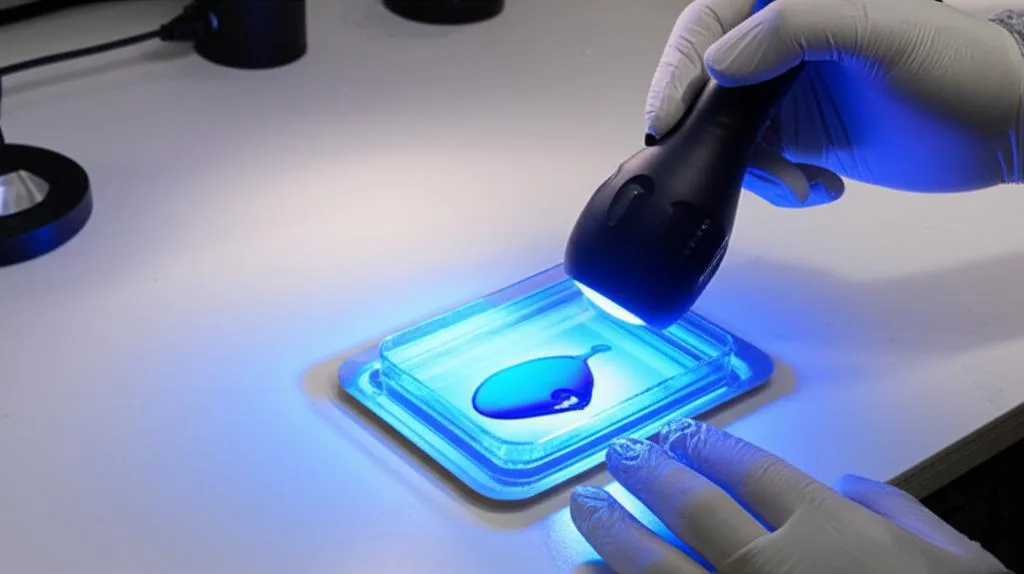
One of the most widely adopted and effective methods for neutralizing liquid resin waste is to cure it into a solid form. This process leverages the very mechanism that makes 3D printing possible.
- Process: Collect all liquid resin waste – including failed prints, excess resin from the vat, and resin-contaminated cleaning solutions (like isopropyl alcohol or specialized resin cleaners). Pour these liquids into a clear, open container, such as a disposable plastic tub or a clear glass jar. Place the container in direct sunlight or under a dedicated UV curing lamp. The UV light will initiate the polymerization process, turning the liquid into a solid block or brittle flakes. This can take anywhere from a few hours to several days, depending on the intensity of the UV source and the volume of the resin. Stirring the mixture occasionally can help expose all parts to UV light.
- Equipment: A clear, disposable container, and a source of UV light (natural sunlight or a purpose-built UV curing station).
- Safety considerations: Perform this process in a well-ventilated area, preferably outdoors, to dissipate any fumes. Wear appropriate personal protective equipment (PPE), including nitrile gloves and eye protection, when handling liquid resin. Ensure the container is secure to prevent spills.
- Cost implications: This method is generally low-cost, especially if utilizing natural sunlight. An initial investment in a UV curing station can offer faster, more consistent results, particularly in areas with limited sunlight.
Filtration and reuse of contaminated resin
For resin that is merely contaminated with small cured bits or debris but is otherwise still viable, filtration can be an option to reduce waste.
- Process: Carefully filter the resin through a fine mesh filter (often supplied with 3D printers or available as paint strainers) to remove any solid particles. This cleaned resin can then potentially be returned to the resin bottle for future use, or used for less critical prints.
- Equipment: Funnel, fine mesh filters (e.g., 190-micron paint strainers).
- Safety considerations: Handle resin with PPE. Ensure the filtration is done in a clean, well-ventilated space to prevent further contamination and fume exposure.
- Cost implications: This approach helps extend the life of resin, potentially reducing material costs. The cost of filters is minimal.
Professional hazardous waste disposal services
In certain scenarios, particularly for larger volumes of highly contaminated or uncurable liquid resin, professional hazardous waste management services may be the most appropriate route.
- Process: Contact a certified hazardous waste disposal company in your region. They will provide specific instructions for packaging and labeling the waste. These companies are equipped to handle and process hazardous materials in accordance with environmental regulations.
- Equipment: Approved hazardous waste containers, proper labeling.
- Safety considerations: Adhere strictly to the disposal company’s guidelines for packaging to ensure safe transport and handling.
- Cost implications: This is typically the most expensive option, as it involves specialized collection, transport, and processing fees. The cost structure can vary significantly based on volume and local regulations.
Managing cured UV resin scraps and supports
Once UV resin is fully cured, its hazard profile changes dramatically. It is no longer considered liquid hazardous waste but rather a solid plastic. However, proper disposal still requires consideration.
Ensuring complete curing for solid waste
Before discarding any solid resin waste, such as support structures, failed prints, or the solid blocks resulting from liquid waste curing, it is paramount to ensure they are fully cured. Any tacky or soft spots indicate uncured resin, which still poses a hazard.
- Process: Place all resin scraps and supports in a UV curing station or direct sunlight until they are hard and no longer sticky. Washing them thoroughly with isopropyl alcohol before curing can also help remove surface tackiness.
- Equipment: UV curing station or sunlight.
- Safety considerations: Wear gloves during handling of uncured or partially cured scraps.
General waste disposal for fully cured resin
Once fully cured and hard, most local regulations classify solid resin waste as inert plastic, suitable for general waste disposal.
- Process: Place fully cured resin scraps and support structures into your regular household or commercial waste bin.
- Regulatory considerations: Always check with your local waste management authority for specific guidelines, as regulations can vary. Some municipalities may have specific requirements even for cured plastics.
- Cost implications: This method incurs no additional cost beyond standard waste collection fees.
Exploring cured resin recycling initiatives
The concept of cured resin recycling is an emerging area. While traditional plastic recycling streams (e.g., municipal curbside programs) typically do not accept cured photopolymer resin due to its unique chemical composition and thermoset nature, specialized initiatives are slowly appearing.
- Current challenges: Cured UV resin is a thermoset plastic, meaning it cannot be melted down and reshaped like thermoplastics (e.g., PET, HDPE). This makes conventional recycling difficult.
- Emerging solutions: Some manufacturers and third-party companies are exploring programs for collecting and processing cured resin waste, often for use in composite materials, fillers, or energy recovery. These programs are not widespread and may have specific requirements or costs.
- Cost implications: Participation in such programs, if available, may involve shipping costs or specific collection fees.
Essential safety protocols for handling UV resin
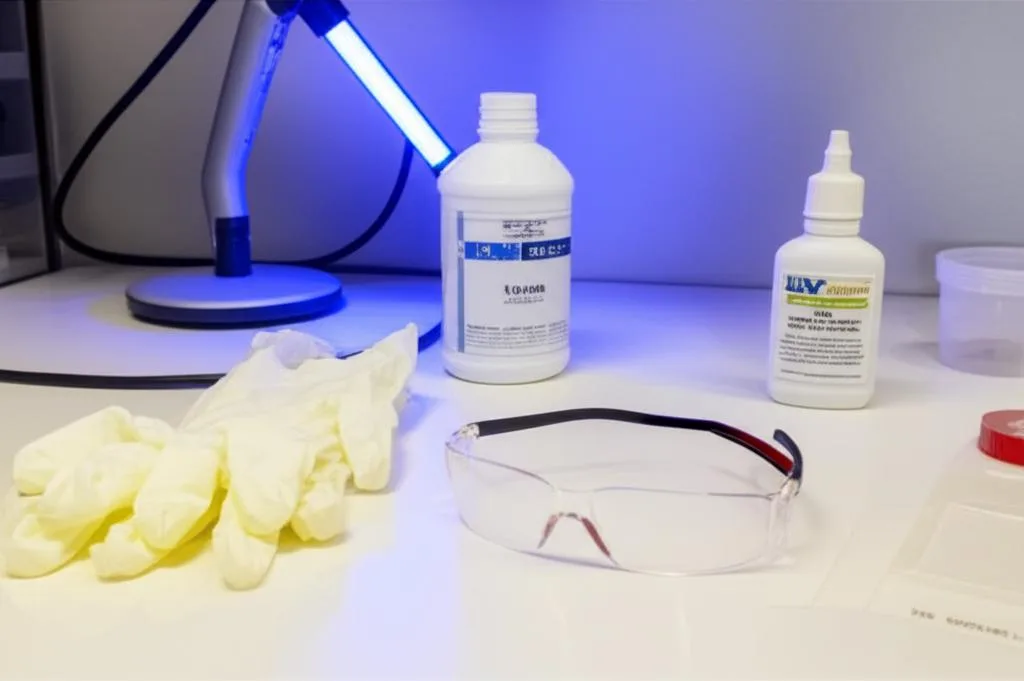
Regardless of the disposal method chosen, adhering to stringent 3D printing safety protocols is non-negotiable when working with UV resins.
- Personal Protective Equipment (PPE): Always wear nitrile gloves (latex gloves are permeable to many resins), safety glasses or goggles, and a lab coat or apron to prevent skin contact and eye exposure.
- Ventilation: Work in a well-ventilated area or use an enclosure with an air filtration system to minimize inhalation of resin fumes.
- Spill management: Keep absorbent materials (e.g., paper towels, cat litter) readily available for immediate cleanup of spills. Curing spilled liquid resin with UV light before disposal is an effective way to contain it.
- Storage: Store liquid resin in its original, opaque container in a cool, dark place, away from direct sunlight or UV sources, and out of reach of children and pets.
Understanding and complying with local, national, and international regulations for hazardous waste is paramount. These regulations can vary significantly, impacting how you can legally dispose of both liquid and cured resin waste. For businesses, compliance is often more stringent, potentially requiring permits or specific waste manifests. Individuals should consult their local municipal waste management services or environmental protection agencies for guidance specific to their area. Ignorance of the law is not an excuse, and improper disposal can lead to fines and environmental damage.
Responsible UV resin disposal is an integral part of sustainable 3D printing. By understanding the chemical nature of these materials and employing appropriate handling and disposal strategies, users can mitigate risks, protect the environment, and ensure their creative endeavors align with best practices for safety and sustainability. The choices made in waste management reflect a commitment not just to the craft, but to the broader community and planet.
Frequently asked questions
Can I pour uncured UV resin down the sink or toilet to get rid of it?
No. Pouring uncured liquid resin down any drain is never acceptable or legal. It is considered hazardous waste due to its chemical composition and can cause environmental contamination if it enters waterways or soil. The only safe methods are curing it with UV light into a solid, filtering it for reuse, or using a professional hazardous waste disposal service.
How long does it take to cure liquid resin waste in sunlight?
It can take anywhere from a few hours to several days, depending on the intensity of the UV source and the volume of resin. Pour the waste into a clear, open container and place it in direct sunlight or under a dedicated UV curing lamp. Stirring the mixture occasionally helps expose all parts to UV light and speeds up the process.
Can I put fully cured resin scraps in my regular household recycling bin?
No, generally not. Cured UV resin is a thermoset plastic, meaning it cannot be melted down and reshaped like common thermoplastics (e.g., PET or HDPE), so municipal curbside recycling programs typically do not accept it. Once fully cured and hard, it is usually classified as inert plastic and can go in your regular household waste bin, but always check with your local waste management authority for specific guidelines.