
The promise of 3D printing for consumer goods is nothing short of revolutionary, offering unprecedented levels of personalization and on-demand production. From bespoke eyewear to custom-fit athletic gear, additive manufacturing holds the key to a future where products are tailored precisely to individual needs and preferences. However, realizing this vision is not without its significant hurdles. Businesses venturing into this space often encounter a unique set of 3D printing challenges, particularly when navigating the intricate maze of mass customization.
The lure of mass customization and its pitfalls
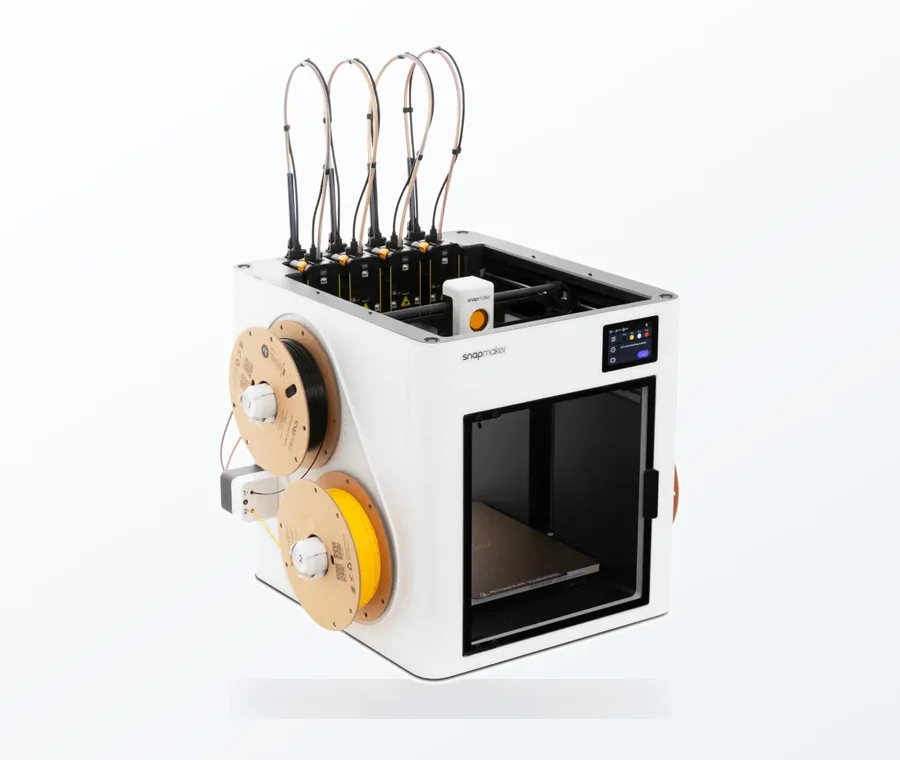
The consumer toolchanger 3D printer: the SnapSwap 4-toolhead system swaps heads in 5 seconds for true multi-color and multi-material printing, with smart calibration and auto filament loading.
- 4 toolheads · 5 s swap
- Up to 500 mm/s · 20,000 mm/s²
- 270 mm cube build volume
- Multi-color & multi-material
Mass customization, enabled by 3D printing, allows for the efficient production of “one-of-a-kind” items at scales approaching mass production. This capability is a game-changer for consumer goods, promising enhanced customer satisfaction and reduced waste. Yet, beneath this alluring surface lie several mass customization pitfalls that demand careful consideration. The complexity of managing unique design files for potentially thousands or millions of individual products can quickly become a logistical nightmare, impacting everything from design iteration to inventory management.
Managing customer expectations
One of the most significant challenges stems from managing customer expectations. While consumers are excited by the prospect of personalized products, they often harbor preconceived notions of quality, delivery times, and cost that may not align with the current realities of 3D printing. Communicating the limitations and unique characteristics of additive manufacturing, such as potential surface finishes or material properties, is crucial to avoid disappointment and ensure a positive brand experience.
Quality control and material considerations
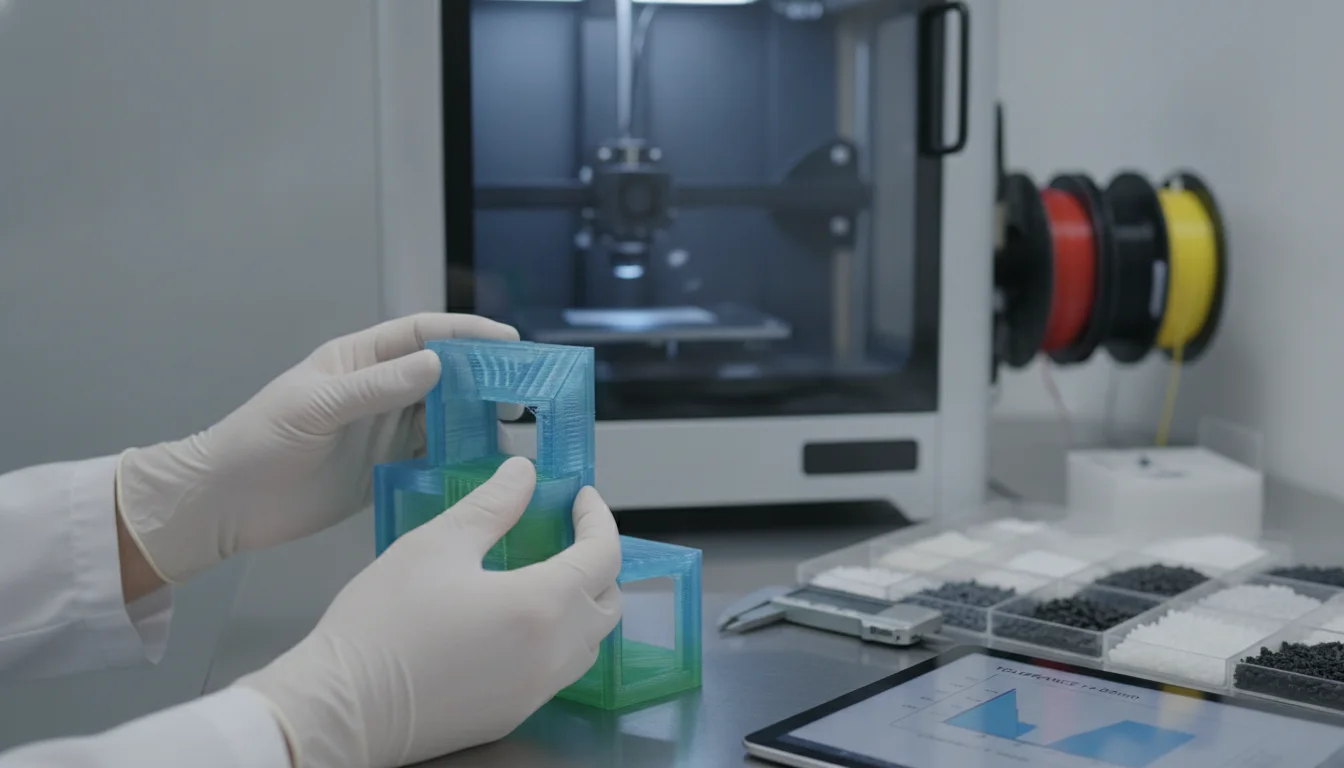
Maintaining consistent quality control across a diverse range of personalized products is another formidable hurdle. Unlike traditional manufacturing, where a single mold or process produces identical items, 3D printing involves layer-by-layer fabrication, making each print potentially unique. Ensuring uniform strength, aesthetic finish, and dimensional accuracy across varied designs and materials requires sophisticated monitoring and post-processing techniques. The choice of materials also plays a pivotal role; balancing factors like durability, feel, biocompatibility, and cost for each customized item adds layers of complexity to the production process.
Production scalability and cost structures
The economic viability of 3D printing for consumer goods often hinges on production scalability and understanding the nuanced cost structures involved. For low-volume, highly specialized items, the per-unit cost of 3D printing might be competitive. However, as production scales towards mass customization, the cost advantages can become less clear. Businesses must objectively compare different approaches:
- In-house additive manufacturing facilities: This option typically entails significant upfront capital expenditure for printers, software, and skilled personnel. While offering greater control over the production process and intellectual property, it demands substantial operational investment and expertise in managing a diverse range of print jobs.
- Outsourcing to 3D printing service bureaus: Service bureaus provide flexibility and access to a wide array of technologies without the heavy capital outlay. Their cost structures often involve per-part pricing based on material volume, print time, and complexity. This approach can be highly cost-effective for fluctuating demands or specialized material needs, but may involve less direct control over lead times and specific quality parameters.
- Hybrid models: A combination of in-house prototyping and outsourced production for peak demand or specialized finishes can offer a balanced approach, leveraging the strengths of both models while mitigating their individual weaknesses.
The optimal solution is rarely universal, depending heavily on factors such as desired production volume, product complexity, material requirements, and time-to-market objectives. Each option presents a distinct financial profile, and a thorough analysis is essential for informed decision-making.
Design complexity and iteration
Designing for additive manufacturing, especially for highly customized items, introduces its own set of challenges. Designers must not only consider aesthetics and functionality but also the specific constraints and opportunities presented by the chosen 3D printing technology. This often requires a deeper understanding of Design for Additive Manufacturing (DfAM) principles. The iterative nature of design, involving multiple prototypes and adjustments to perfect a personalized product, can be time-consuming and costly if not managed efficiently. Tools for parametric design and generative design are becoming increasingly important to streamline this process.
The consumer toolchanger 3D printer: the SnapSwap 4-toolhead system swaps heads in 5 seconds for true multi-color and multi-material printing, with smart calibration and auto filament loading.
While the path to successful 3D printed consumer goods is fraught with 3D printing challenges, strategic approaches can pave the way for success.
Robust design for additive manufacturing (DfAM)
Implementing strong DfAM principles from the outset is critical. This involves designing parts specifically to leverage the advantages of additive manufacturing while mitigating its limitations. Standardizing customizable elements and using modular design approaches can simplify production and reduce errors.
Advanced quality assurance protocols
Developing comprehensive quality assurance protocols tailored for 3D printing is non-negotiable. This includes in-process monitoring, rigorous post-processing checks, and consistent material testing to ensure that every personalized product meets stringent standards.
Strategic partnering and technology selection
Carefully evaluating and selecting the right 3D printing technology and, if outsourcing, the right service bureau, is paramount. Different technologies excel at different applications, materials, and scales. Partnering with experienced providers who understand the nuances of consumer goods production can significantly mitigate risks.
Transparent communication with customers
Establishing clear and transparent communication channels with customers about what to expect from their personalized products is vital. Setting realistic expectations regarding lead times, material characteristics, and potential minor aesthetic variations can significantly enhance customer satisfaction.
In conclusion, while the journey through the customization maze for 3D printed consumer goods presents numerous 3D printing challenges, they are far from insurmountable. By adopting a strategic mindset, focusing on robust design, implementing stringent quality controls, carefully managing production costs, and fostering transparent customer relationships, businesses can unlock the immense potential of additive manufacturing to deliver truly unique and personalized products to the market.
Frequently asked questions
Is 3D printing consumer goods actually cheaper than traditional manufacturing?
It depends on volume and complexity. For low-volume, highly customized items, 3D printing can be cost-competitive because there are no mold or tooling costs. However, as production scales toward mass customization, per-unit costs may not always beat injection molding or other traditional methods, so businesses must carefully compare in-house, outsourced, or hybrid cost models.
What are the most common quality issues with 3D printed custom products?
The main issues are inconsistent surface finish, dimensional inaccuracy, and variable strength between different personalized designs. Because each print is built layer-by-layer and can be unique, maintaining uniform quality requires sophisticated in-process monitoring, rigorous post-processing checks, and consistent material testing to ensure every item meets the same standard.
How can I avoid disappointing customers with their personalized 3D printed items?
Set clear expectations upfront about lead times, material feel, and possible minor aesthetic variations like visible layer lines. Consumers often expect traditional manufacturing quality, so transparent communication about the unique characteristics of additive manufacturing is essential to prevent disappointment and maintain a positive brand experience.