
The integration of additive manufacturing, particularly stereolithography (SLA) and digital light processing (DLP) technologies, has opened new frontiers for artists and sculptors. The ability to translate intricate digital designs into tangible physical forms with remarkable precision is transformative. However, the successful realization of a fine art sculpture through 3D printing hinges significantly on a critical decision: the selection of the appropriate 3D printing art resin. This choice impacts not only the aesthetic fidelity and mechanical properties of the final piece but also the overall cost structure and post-processing workflow.
Understanding the Landscape of 3D Printing Art Resins
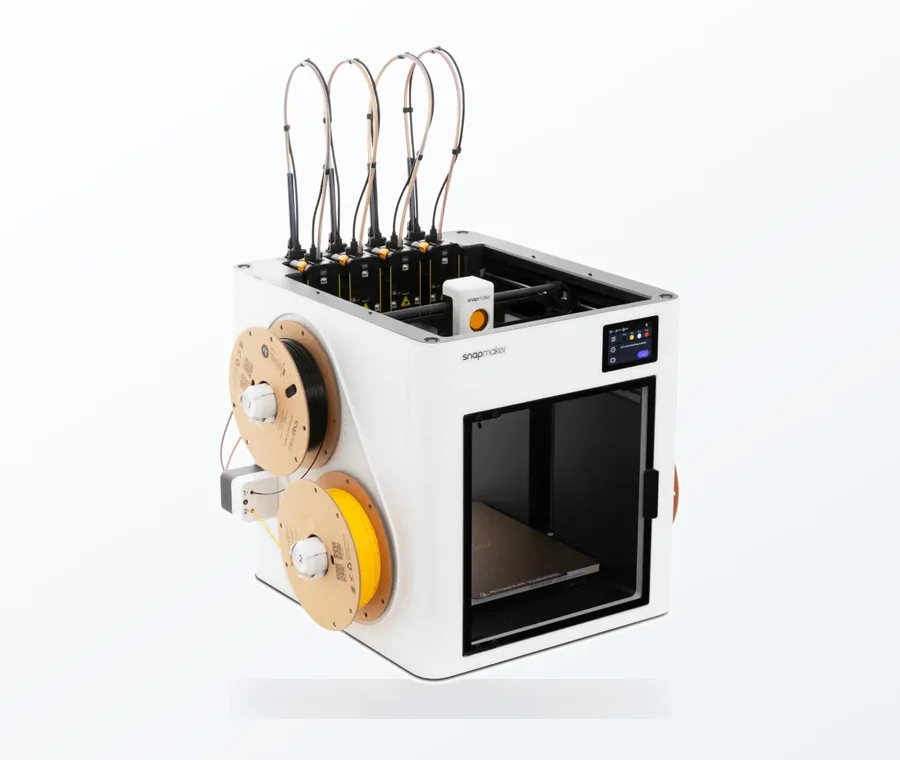
The consumer toolchanger 3D printer: the SnapSwap 4-toolhead system swaps heads in 5 seconds for true multi-color and multi-material printing, with smart calibration and auto filament loading.
- 4 toolheads · 5 s swap
- Up to 500 mm/s · 20,000 mm/s²
- 270 mm cube build volume
- Multi-color & multi-material
Resins for 3D printing are photo-polymers that solidify when exposed to specific wavelengths of light. While a vast array of resins exists, artists typically focus on those that offer high detail, specific finishes, or unique material properties. Understanding the fundamental categories provides a baseline for informed selection.
Standard Resins
- Characteristics: Often the most affordable, offering good general-purpose printing capabilities. They typically balance detail with reasonable print speed.
- Application in Art: Suitable for preliminary models, prototypes, or pieces where extreme durability or specific aesthetic finishes are not paramount. Their brittleness can be a concern for delicate structures.
High-Detail Resins
- Characteristics: Formulated to capture incredibly fine features and intricate geometries. They often have lower viscosity and faster cure times, allowing for thinner layers and sharper edges.
- Application in Art: Ideal for highly detailed miniature sculptures, intricate filigree, or pieces requiring exceptional surface smoothness. However, they can be more brittle than standard resins.
Tough and Engineering Resins
- Characteristics: Designed for functional parts requiring high impact strength, flexibility, or resistance to various stresses. They often have higher elongation at break and tensile strength.
- Application in Art: Less common for purely aesthetic sculpture but valuable for components that need to withstand handling, display stresses, or for articulated sculptures. Their surface finish might not always be as smooth as high-detail resins.
Castable Resins
- Characteristics: Formulated to burn out cleanly during the lost-wax casting process, leaving minimal ash residue. They are typically optimized for precise pattern replication.
- Application in Art: Essential for artists intending to cast their 3D prints in metals like bronze, silver, or gold. The accuracy of the print translates directly to the fidelity of the final cast piece.
Clear Resins
- Characteristics: Designed to cure into transparent or translucent objects. Achieving true optical clarity often requires significant post-processing.
- Application in Art: Used for creating effects like glass, water, or for pieces where internal structures are meant to be visible. The clarity can range from milky translucent to near-optical transparency, depending on the resin and post-processing.
Flexible and Elastic Resins
- Characteristics:g Offer rubber-like properties, allowing prints to bend and compress without breaking.
- Application in Art: Niche applications for sculptural elements that require elasticity, such as wearable art, hinges, or components designed to deform.
Specialty Art Resins
- Characteristics: Some manufacturers offer resins specifically marketed for fine art 3D printing. These might feature unique color palettes, mimic traditional materials (e.g., ceramic, stone), or be optimized for specific artistic finishes.
- Application in Art: Directly caters to artists seeking specific aesthetic outcomes that might be difficult to achieve with general-purpose resins.
Key Considerations for Sculpture Resin Choice

Selecting the optimal resin involves a multifaceted evaluation beyond just the initial purchase price. Artists must weigh aesthetic requirements against mechanical properties, post-processing demands, and long-term considerations.
Aesthetic Properties
- Detail Resolution: How finely can the resin capture intricate textures, sharp edges, and delicate features? This is paramount for fine art 3D printing.
- Surface Finish: Does the cured resin naturally exhibit a matte, glossy, or semi-gloss finish? This influences the visual appeal and how light interacts with the sculpture.
- Color Accuracy and Opacity: For colored resins, how true is the printed color to the digital representation? Is the resin opaque, translucent, or transparent?
- Post-Processing Receptiveness: How well does the resin take to sanding, priming, painting, or polishing? Some resins are more amenable to these processes than others.
Mechanical Properties and Durability
- Brittleness vs. Toughness: Will the finished sculpture be fragile and prone to breaking, or can it withstand some handling? Delicate sculptures often use more brittle, high-detail resins, while pieces meant for public display or frequent handling might benefit from tougher formulations.
- Impact Resistance: How well does the cured resin resist sudden forces?
- Flexibility: Is a degree of pliability desired or detrimental to the artistic vision?
- Long-term Stability: Will the resin yellow, degrade, or become brittle over time, especially when exposed to light or environmental factors? This is crucial for archival quality in 3D printing art resin applications.
Post-Processing Workflow
- Washability: How easily can uncured resin be cleaned from the print? Is IPA (isopropyl alcohol) sufficient, or are specialized cleaning agents required?
- Curing Requirements: Does the resin require specific UV wavelengths or extended post-curing times to achieve its optimal mechanical properties?
- Sanding and Finishing: Some resins are easier to sand smooth than others. This directly impacts the labor involved in achieving a desired surface.
- Paint Adhesion: How well do primers and paints adhere to the cured resin surface?
Safety and Handling
All resins require careful handling. Artists should consult Material Safety Data Sheets (MSDS) for specific recommendations. Adequate ventilation, gloves, and eye protection are universally advised. Some resins may have stronger odors or require more stringent disposal procedures.
Printer Compatibility
Not all resins are compatible with all SLA/DLP/LCD 3D printers. Manufacturers often recommend specific resins or provide settings for third-party options. Using an incompatible resin can lead to print failures, damage to the printer, or suboptimal results.
Analyzing the Cost Structure of 3D Printing Art Resins
While the per-liter price of resin is a primary factor, a holistic cost analysis extends to several other variables that influence the true expense of producing a fine art sculpture.
Initial Resin Cost (Per Unit)
- Price per Liter/Kilogram: This is the most straightforward cost. Standard resins are typically the least expensive, while specialized, high-detail, castable, or art-specific resins command higher prices.
- Bulk Discounts: Purchasing larger quantities can reduce the per-unit cost, but requires upfront investment and consideration of shelf life.
Yield and Efficiency
- Print Success Rate: Some resins are more forgiving to print with, leading to fewer failed prints and less wasted material. Resins requiring very specific environmental conditions or printer settings might result in a lower success rate for less experienced users.
- Support Material Usage: The type of resin can influence the amount and density of support structures required. Resins that cure with minimal shrinkage or warping might require less support, saving material.
- Part Weight vs. Volume: The density of the cured resin affects the weight of the final piece and, consequently, the amount of resin used for a given volume.
Post-Processing Costs
- Consumables: Isopropyl alcohol (IPA) or other cleaning agents, sandpaper, polishing compounds, primers, and paints all contribute to the overall cost. Some resins require more extensive washing or more aggressive sanding.
- Labor Time: The time spent on post-processing (washing, curing, sanding, painting, finishing) is a significant cost factor, especially for intricate art pieces. Resins that are difficult to clean or finish can dramatically increase labor time.
- Specialized Equipment: While not a per-print cost, certain resins might benefit from specialized curing units or advanced ventilation systems, representing an initial investment.
Equipment Wear and Tear
While generally minor, some highly abrasive resins or those requiring specific cleaning methods might contribute marginally more to the wear and tear of printer components (e.g., FEP film, resin tank). This is typically a long-term consideration.
Long-Term Value and Archival Quality
For fine art, the long-term stability of the material is paramount. A cheaper resin that yellowed, cracked, or became brittle over a few years may ultimately be more expensive if the artwork degrades and loses value. Investing in a resin with proven archival properties, even if more expensive upfront, can preserve the integrity and value of the sculpture resin choice over time.
Comparing Resin Characteristics for Artistic Applications
To aid in selecting the ideal 3D printing art resin, consider the following comparative analysis of common resin types relevant to artists:
High-Detail vs. Tough Resins for Fine Art
- High-Detail Resins: Excel in capturing intricate textures and sharp edges, making them superb for highly realistic or delicate sculptural forms. Their typical brittleness means careful handling is required. Cost is generally moderate to high.
- Tough Resins: Offer superior durability and impact resistance, suitable for sculptures that need to withstand handling or for functional artistic components. Detail resolution may be slightly lower than specialized high-detail resins, and they can sometimes be more challenging to sand to a perfectly smooth finish. Cost is often higher than standard resins.
Clear Resins and Their Post-Processing Demands
Achieving true transparency with clear resins is a multi-step process. While the resin itself may be formulated for clarity, print lines, surface imperfections, and residual haziness from uncured resin can obscure transparency. Extensive sanding, polishing, and often a clear coat (e.g., automotive clear coat or specialized resin coating) are necessary. This significantly adds to post-processing time and material costs, making the overall expense for a truly clear piece higher than initially anticipated based on resin price alone.
Castable Resins for Traditional Media Integration
For artists bridging SLA printing art with traditional foundry techniques, castable resins are indispensable. Their cost per liter can be significantly higher than other resins, reflecting their specialized formulation for clean burnout. However, the value lies in eliminating the need for traditional mold-making and wax pattern creation, potentially saving considerable labor and time in the overall casting process. The precision they offer for intricate designs that would be impossible to hand-wax also contributes to their value proposition.
Specialty Art Resins: Balancing Cost and Unique Aesthetics
These resins are often developed in response to specific artistic demands. They might simulate the look and feel of bronze, marble, or ceramic, or offer unique color shifts or opacities. While their per-liter cost is typically at the higher end, their value proposition lies in the immediate aesthetic result, potentially reducing or eliminating the need for extensive painting or finishing to achieve a particular look. For artists seeking a specific visual identity directly from the printer, the higher resin cost might be offset by reduced post-processing time and material. The availability of these resin types for artists is growing, offering more creative freedom.
Making an Informed Decision for Your Artistic Vision
Ultimately, the choice of 3D printing art resin is a highly personal decision, deeply intertwined with the artist’s specific vision, the intended purpose of the sculpture, and the practical constraints of their studio and budget. There is no single “best” resin; rather, there is the most appropriate resin for a given project.
Artists should consider:
- The desired aesthetic outcome: Is extreme detail paramount? Is a specific surface finish required? Is transparency or a unique color crucial?
- The functional requirements: Will the sculpture be handled frequently? Is it part of a larger, articulated piece? Does it need to be cast in metal?
- The post-processing capacity: What level of time, skill, and resources can be dedicated to finishing the piece?
- The overall project budget: Balancing the initial resin cost with potential savings or additional expenses in post-processing and long-term durability.
Experimentation is key. Purchasing small quantities of different resins for testing purposes can provide invaluable insights into their printability, aesthetic qualities, and post-processing characteristics before committing to a larger project. By objectively analyzing the features and cost structures of various 3D printing art resin options, artists can empower themselves to make selections that truly align with their creative ambitions and practical realities.
Frequently asked questions
Can I mix different types of resin together to get a blend of properties, like combining a tough resin with a high-detail one?
While it is physically possible to mix different photopolymer resins, it is not recommended for fine art sculptures without extensive testing. Mixing resins can unpredictably alter cure times, mechanical properties, and long-term stability, potentially leading to print failures or a final piece that is brittle or degrades unevenly. For reliable, archival-quality results, it is safer to use a single formulation designed for your specific need.
How much does post-processing actually add to the total cost of a sculpture compared to just the resin itself?
The cost of post-processing can easily exceed the initial resin cost for fine art pieces, especially when using clear resins or aiming for a flawless surface finish. You must account for consumables like isopropyl alcohol, sandpaper, and paints, but the dominant cost is often the labor time required for washing, sanding, and finishing intricate details. A resin that is difficult to clean or requires aggressive sanding can dramatically increase the total project expense.
Is any type of resin safe to use in a home studio without specialized ventilation?
No. The article states that all resins require careful handling and that adequate ventilation is universally advised. Even resins with lower odor can release volatile organic compounds (VOCs) that are hazardous with prolonged exposure. You should always consult the Material Safety Data Sheet (MSDS) for the specific resin and use gloves, eye protection, and proper ventilation, regardless of the resin type.