
Flexible resins have revolutionized the landscape of 3D printing, enabling the creation of elastomeric parts with properties akin to rubber or silicone. For enthusiasts and professionals leveraging Stereolithography (SLA) or Digital Light Processing (DLP) technologies, mastering the nuances of flexible resin printing is key to unlocking a vast array of applications, from functional prototypes to end-use components. This guide delves into the essential practices, considerations, and comparisons necessary to achieve exceptional results when working with these unique materials.
Understanding flexible resins and their applications

Unlike rigid resins, flexible resins are engineered to exhibit high elongation at break and low Shore hardness, making the printed parts pliable, compressible, and resilient. These elastomeric qualities stem from their unique chemical formulations, which often involve specific monomers and oligomers that form long, entangled polymer chains upon UV curing. This molecular structure allows the material to deform significantly under stress and return to its original shape, a characteristic vital for many industrial and consumer applications.
The versatility of flexible 3D printing extends across numerous sectors. Common applications include the production of gaskets, seals, and O-rings that require airtight or watertight integrity; ergonomic grips and handles for tools and devices; custom footwear components and wearable prototypes; compliant mechanisms that absorb shock or vibration; and even intricate medical models or prosthetics that mimic soft tissue. Their ability to bridge the gap between rigid plastics and traditional rubbers makes them indispensable for innovation.
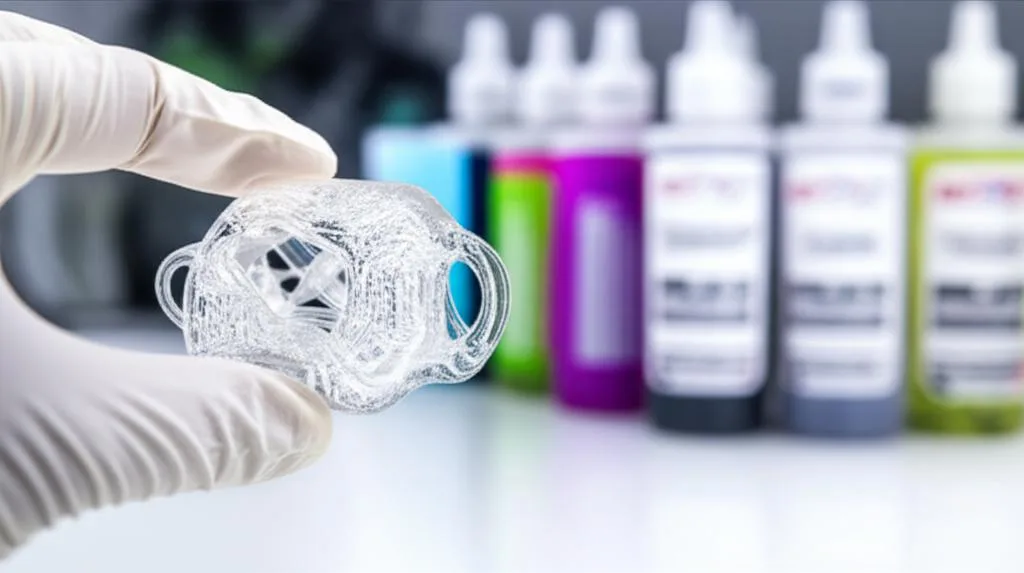
Choosing the right flexible resin is paramount, as their properties can vary significantly between manufacturers and formulations. The market offers a spectrum, from general-purpose flexible resins designed for basic pliability to engineering-grade elastomeric resins that boast exceptional tear strength, chemical resistance, or specific thermal properties. Some specialized resins even meet biocompatibility standards for medical or dental applications.
Key properties to consider
- Shore Hardness: This is a primary indicator of a material’s flexibility. Measured on the Shore A or D scale, lower numbers signify greater softness and flexibility. Flexible resins typically range from Shore A 50 to Shore D 70.
- Elongation at Break: Expressed as a percentage, this property indicates how much a material can stretch before fracturing. Higher percentages (e.g., 50% to 200%+) denote more elastic and ductile materials.
- Tear Strength: Crucial for parts subjected to tearing forces, this measures the material’s resistance to propagation of a tear. It’s particularly important for thin-walled or intricate flexible parts.
- Tensile Strength: While flexible resins are not known for high tensile strength, understanding this value helps in designing parts that can withstand pulling forces without permanent deformation.
- Viscosity: A practical consideration, higher viscosity resins can be more challenging to print, potentially requiring slower lift speeds and careful cleaning.
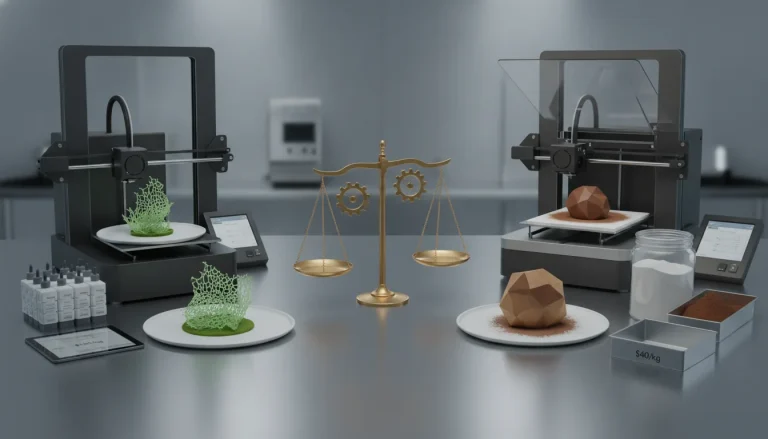
When evaluating material selection, it’s worth noting that the cost structures of flexible resins often correlate with their specialized properties and performance. Resins offering extreme flexibility, high tear strength, or specific certifications (like biocompatibility) typically command a higher price point than more basic flexible options. Manufacturers also differentiate their products through ease of printing, post-processing requirements, and long-term stability, all of which contribute to the overall value proposition. Projects requiring highly specific mechanical properties or regulatory compliance may necessitate investing in premium flexible resins, whereas general prototyping might be well-served by more economical alternatives.
Pre-printing considerations for successful elastomeric parts
Successful flexible prints begin long before the resin ever enters the vat. Careful design and print preparation are crucial.
Design guidelines for flexible prints
- Wall Thickness: While flexible resins can handle thin features, excessively thin walls (below 0.5 mm) can lead to tearing during printing or post-processing. Conversely, overly thick sections might cure unevenly or become too rigid, defeating the purpose of flexibility.
- Infill and Hollowing: For parts where overall flexibility is desired, hollowing the model and using an appropriate infill pattern can optimize material usage and achieve specific mechanical responses. Solid parts will be stiffer.
- Fillets and Radii: Incorporating generous fillets and radii at corners and transitions helps distribute stress evenly, preventing stress concentrations that can lead to tears or delamination in flexible materials. Avoid sharp internal corners.
- Clearances: If printing interlocking or assembled flexible parts, ensure adequate clearances (e.g., 0.2-0.4 mm) to account for material expansion and the inherent tackiness of some flexible resins.
Orientation strategies
Part orientation significantly impacts print success and part quality. For flexible resins, minimizing the surface area presented to the build plate or film during peeling helps reduce peel forces, which can be substantial with tacky materials. Orienting parts at an angle (e.g., 30-45 degrees) can improve print success, reduce layer lines, and optimize support structure placement. Consider how the part’s flexibility will be utilized; orientation can influence the anisotropic properties of the final print.
Optimizing print parameters for SLA/DLP flexible resins
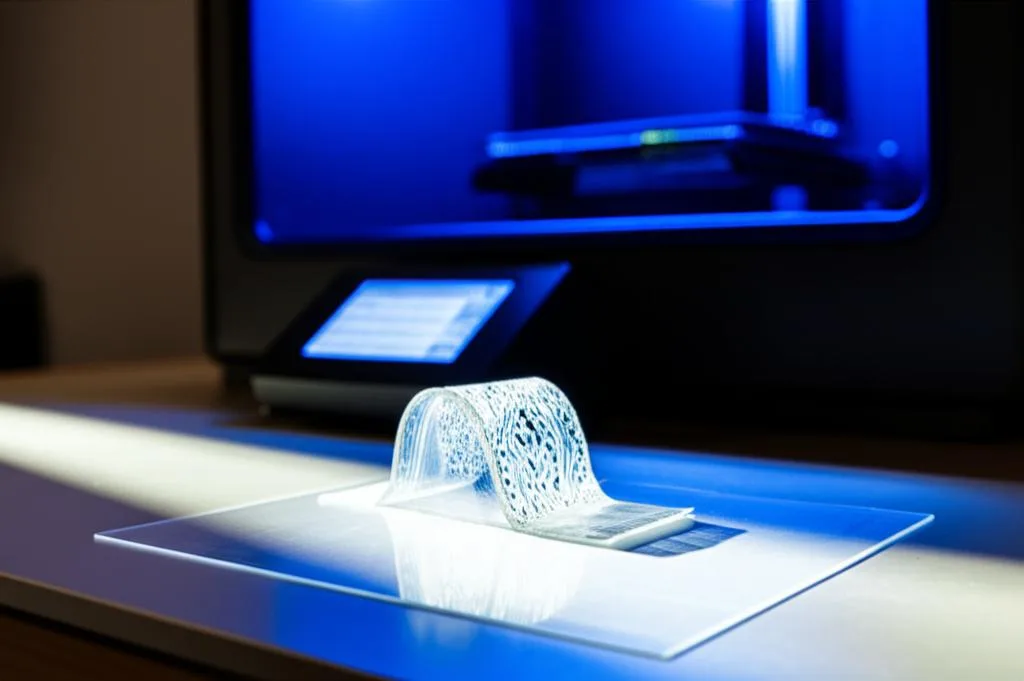
Flexible resins often require different print settings compared to standard rigid resins due to their unique properties.
Exposure settings
Flexible resins typically require longer exposure times per layer than rigid resins to ensure proper curing and adhesion. However, over-exposure can lead to brittleness or loss of flexibility. It’s a delicate balance. Always consult the resin manufacturer’s recommended settings for your specific printer model. Bottom layer exposure times are often significantly longer to ensure strong adhesion to the build plate.
Lift speed and retract speed
The “peel” process, where the build plate lifts the cured layer from the vat film, is critical. Flexible resins tend to be stickier and more prone to suction forces. Therefore, slower lift speeds (e.g., 20-40 mm/min) are often necessary to reduce stress on the print and prevent delamination or tearing. Retract speeds can often be faster, but experimentation is key to finding the optimal balance for your setup.
Temperature control
Resin temperature can significantly affect viscosity and cure kinetics. Maintaining a stable, consistent ambient temperature (typically 20-25°C or as recommended by the manufacturer) can improve print consistency and reduce issues like warping or failed layers.
Support strategies for flexible 3D printing
Supports are indispensable for flexible resin prints, providing crucial structural integrity during the printing process and preventing deformation or collapse of overhanging features. However, their removal from delicate, pliable parts requires careful planning.
Support placement and density
- Generous Support: Flexible parts, especially those with large flat surfaces or significant overhangs, require more robust support structures than rigid prints. Increased support density helps prevent sagging and maintains dimensional accuracy.
- Strategic Placement: Place supports on surfaces that will be less visible or critical to the part’s function. For flexible parts, supports can be challenging to remove cleanly, so minimize their contact with aesthetic or functional surfaces.
- Internal Supports: For hollow flexible parts, internal supports might be necessary to prevent the top layers from collapsing into the void. Ensure these can be accessed and removed, or design them to be non-critical.
Support tip size and shape
Balancing adhesion during printing with ease of removal is crucial. Smaller support tip sizes (e.g., 0.2-0.4 mm) are often preferred for flexible resins to minimize scarring, but they must be numerous enough to hold the part securely. Consider using “light” or “medium” support settings if available in your slicer software, and experiment to find the optimal balance for your specific resin and geometry.
Post-processing elastomeric parts
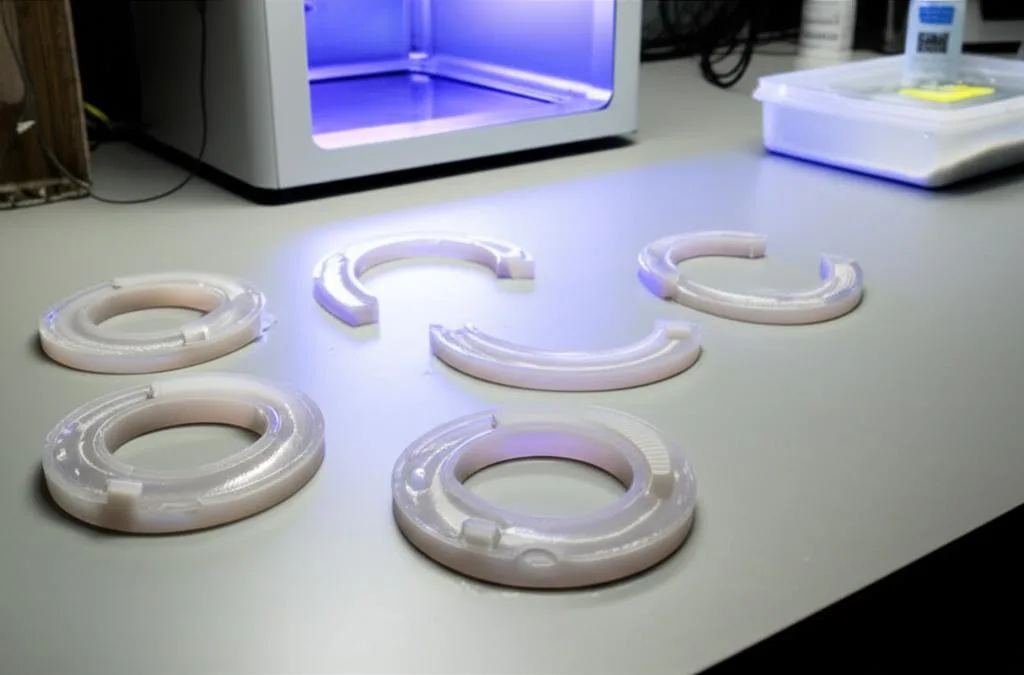
Post-processing flexible prints involves a series of steps that are critical for achieving the desired mechanical properties and surface finish.
Washing
After printing, parts must be thoroughly washed to remove uncured resin. Isopropyl alcohol (IPA) or specific resin cleaners are commonly used. Due to the often tacky nature of flexible resins, multiple wash cycles or extended soak times (e.g., 5-10 minutes per bath) may be necessary. Agitation, either manual or mechanical (e.g., ultrasonic cleaner), aids in removing resin from intricate features. Ensure the wash solvent is clean; dirty solvent can leave a sticky residue.
Curing
Post-curing under UV light is essential to fully polymerize the resin, maximizing its mechanical properties, including hardness, tensile strength, and tear resistance. Flexible resins often require specific post-curing profiles – a combination of UV wavelength (e.g., 405nm), intensity, temperature, and duration. Over-curing can sometimes lead to increased brittleness, while under-curing leaves parts soft and tacky. Always follow the manufacturer’s recommendations for optimal results, often involving a heated curing chamber.
Support removal
Removing supports from flexible parts requires a delicate touch. Unlike rigid parts where supports can often be snapped off, flexible prints may tear if supports are removed too aggressively. Use flush cutters or a sharp hobby knife, carefully working around the part. Warming the part slightly can sometimes make it more pliable and easier to remove supports without damage. Any residual nubs can often be trimmed flush or lightly sanded, though sanding flexible materials can be challenging.
Some flexible resins can also benefit from additional processing, such as surface finishing techniques to reduce tackiness or improve aesthetics, although this is less common than with rigid materials.
Troubleshooting common issues with flexible resin prints
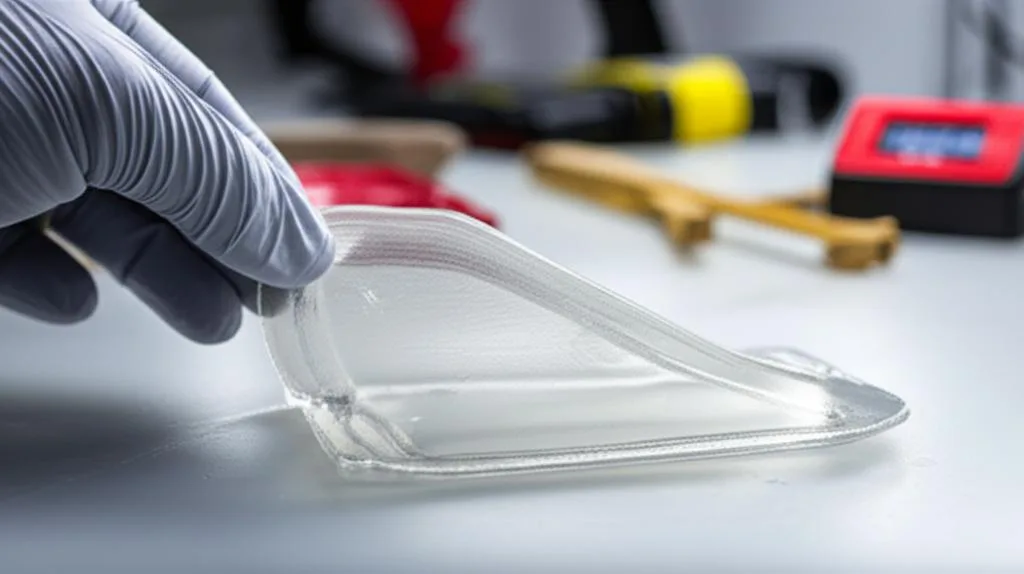
- Print Failures/Delamination: Often due to insufficient exposure, inadequate bottom layer adhesion, or excessive peel forces. Adjust exposure times, use a raft, and slow down lift speeds.
- Warping/Curling: Can occur if the part is not properly supported, if internal stresses build up during printing, or during post-curing if temperatures are uneven. Ensure adequate supports and consistent curing.
- Sticky/Tacky Surface: Usually a sign of insufficient washing or under-curing. Increase wash time, use fresh IPA, and extend post-curing duration or intensity.
- Tearing During Printing or Removal: Indicates insufficient tear strength of the resin, overly aggressive support removal, or design flaws (e.g., sharp corners). Review material properties and support strategies.
- Poor Dimensional Accuracy: Can be caused by incorrect exposure settings, excessive peel forces, or design issues. Calibrate your printer and optimize settings.
Maintenance and storage of flexible resins
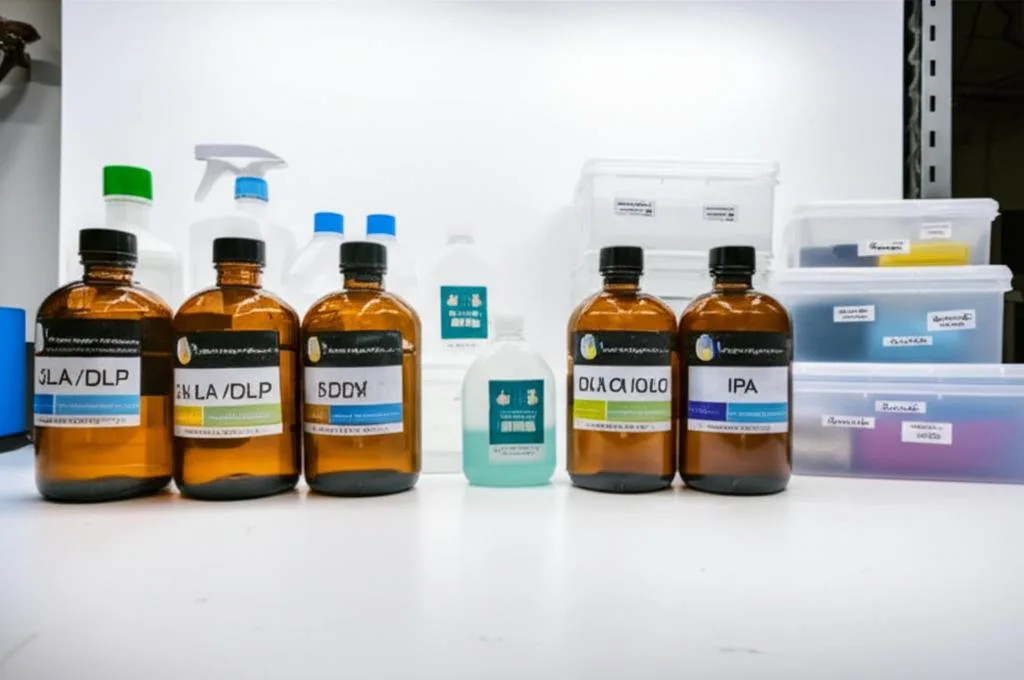
Proper handling and storage are crucial for maintaining the quality and printability of flexible resins. Resins have a shelf life and can degrade if exposed to light, extreme temperatures, or contaminants. Always store resin in its original opaque container, tightly sealed, in a cool, dark place away from direct sunlight or UV sources. Avoid temperature fluctuations, which can affect resin viscosity. Before each print, gently agitate the resin in the vat or bottle to ensure homogeneity, especially if it has been sitting for a while.
Comparing flexible resin solutions: features and cost considerations
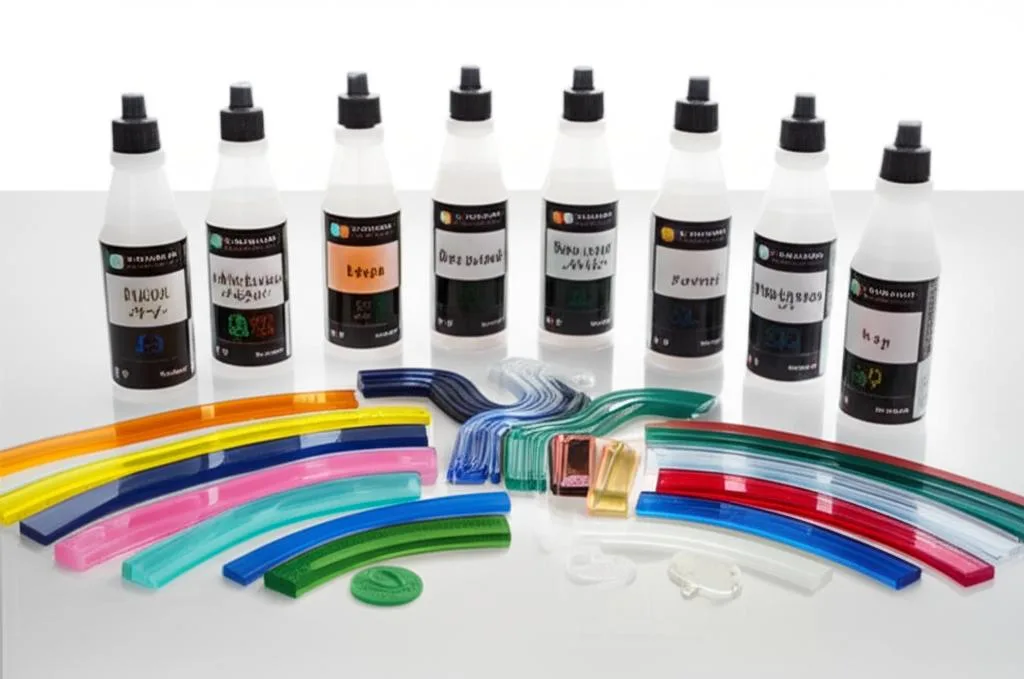
The market for flexible resins is diverse, with numerous manufacturers offering a variety of solutions tailored to different needs and budgets. Understanding the spectrum of features and their associated cost implications is key for informed decision-making.
At one end, general-purpose flexible resins often provide a good entry point for experimentation and prototyping. These typically offer moderate Shore hardness and elongation, making them suitable for basic compliant parts or tactile prototypes. Their cost per liter tends to be lower, reflecting a balance between performance and accessibility. They might require more fine-tuning of print settings or more diligent post-processing to achieve optimal results, and their long-term mechanical stability or environmental resistance might be less robust than specialized alternatives.
Moving up the ladder, engineering-grade flexible resins are formulated for demanding applications where specific mechanical properties are paramount. These might boast superior tear strength, higher elongation at break, better chemical resistance, or a broader operating temperature range. For instance, a resin designed for automotive gaskets might prioritize resistance to oils and fuels, while a wearable component resin might focus on skin-friendliness and durability against repeated flexing. The advanced chemistry and rigorous testing behind these resins generally translate to a higher cost per liter. However, the investment can be justified by enhanced part performance, reduced failure rates, and suitability for end-use applications.
Specialized resins, such as those that are biocompatible for medical devices or dental applications, represent another segment. These resins undergo stringent testing and certification processes to ensure safety and performance in sensitive environments. The regulatory hurdles and research and development required for these materials significantly impact their cost structure, often placing them at the premium end of the spectrum. Their features are highly specific, catering to niche requirements where compliance is non-negotiable.
When evaluating options, consider the total cost of ownership beyond just the resin price. Some resins might be more challenging to print, leading to higher print failure rates and wasted material. Others might require specialized cleaning agents or longer post-curing times, impacting labor and utility costs. The ease of support removal and the resulting surface finish also play a role; a resin that leaves minimal support marks can reduce post-processing labor. Ultimately, the “best” or “most cost-effective” solution is subjective, depending entirely on the specific application’s performance requirements, production volume, and the available budget. By objectively comparing the features of different resins against their respective cost structures, users can align their material choice with their project’s unique demands.
Conclusion
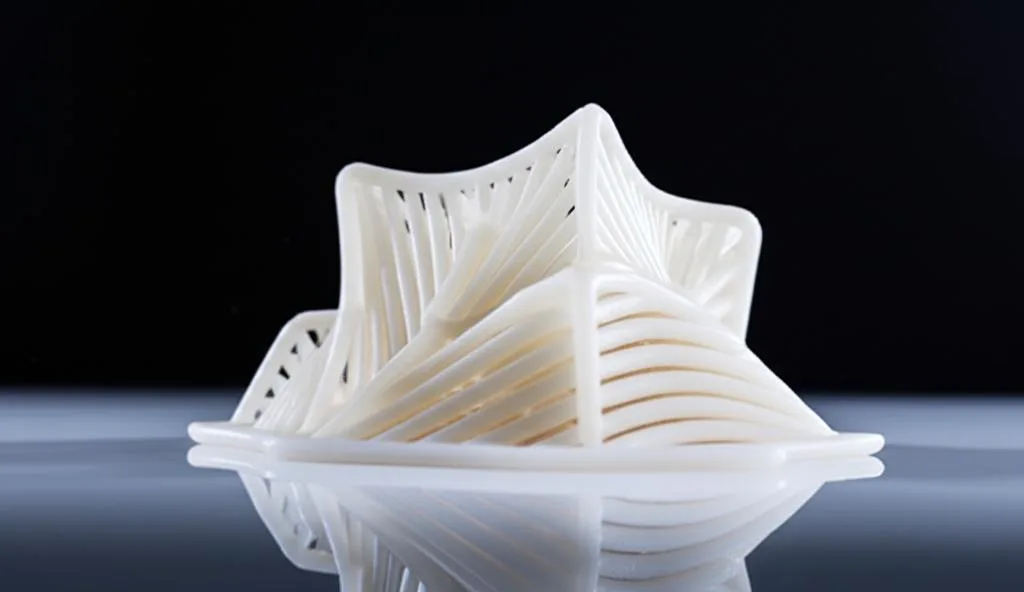
Printing with flexible resins on SLA/DLP machines offers immense potential for creating functional, resilient, and aesthetically pleasing elastomeric parts. By meticulously considering material selection, optimizing design and print parameters, implementing strategic support structures, and executing precise post-processing, users can consistently achieve high-quality results. While the cost and feature landscape of flexible resins can vary widely, a thorough understanding of these differences empowers users to make informed decisions, ensuring their projects benefit from the unique advantages that flexible 3D printing brings to the table.
Frequently asked questions
Do flexible resin prints remain flexible over time, or do they eventually harden and crack?
If stored properly away from direct sunlight and extreme temperatures, properly washed and fully cured flexible resin parts maintain their elastomeric properties for extended periods. However, over-curing under UV light during post-processing can gradually increase brittleness, so always follow the manufacturer’s recommended curing profile. Long-term exposure to UV light (e.g., sunlight) or certain chemicals can also degrade the material, reducing flexibility and leading to cracking.
Can I mix different brands or colors of flexible resin together in the vat?
Mixing different flexible resins is not recommended unless the manufacturer explicitly states compatibility, as differences in chemical formulations, photoinitiators, and cure kinetics can cause unpredictable results such as incomplete curing, delamination, or altered mechanical properties. If you must mix resins for a specific reason, test a small batch first and be prepared for print failures. Always clean your vat thoroughly before switching between different resin types.
What is the best way to clean flexible resin prints that feel tacky after washing and curing?
A tacky surface usually indicates residual uncured resin from insufficient washing or under-curing. First, wash the part again in fresh isopropyl alcohol (IPA) for 5-10 minutes with agitation, then allow it to dry completely. If still tacky, return it to the curing chamber for additional UV exposure, but monitor closely to avoid over-curing which can cause brittleness. Some users also find that lightly wiping the cured part with a clean IPA-soaked cloth removes surface stickiness.