3D printing gluing prints is an essential skill for anyone involved in additive manufacturing, especially when creating larger models or multi-part assemblies. While 3D printers offer incredible design freedom, some objects simply exceed the build volume or require different print orientations for optimal strength. In such cases, knowing how to seamlessly and securely bond your prints becomes paramount. This guide will walk you through the process, from preparation to achieving aesthetic, durable joints.
The Importance of Proper Preparation
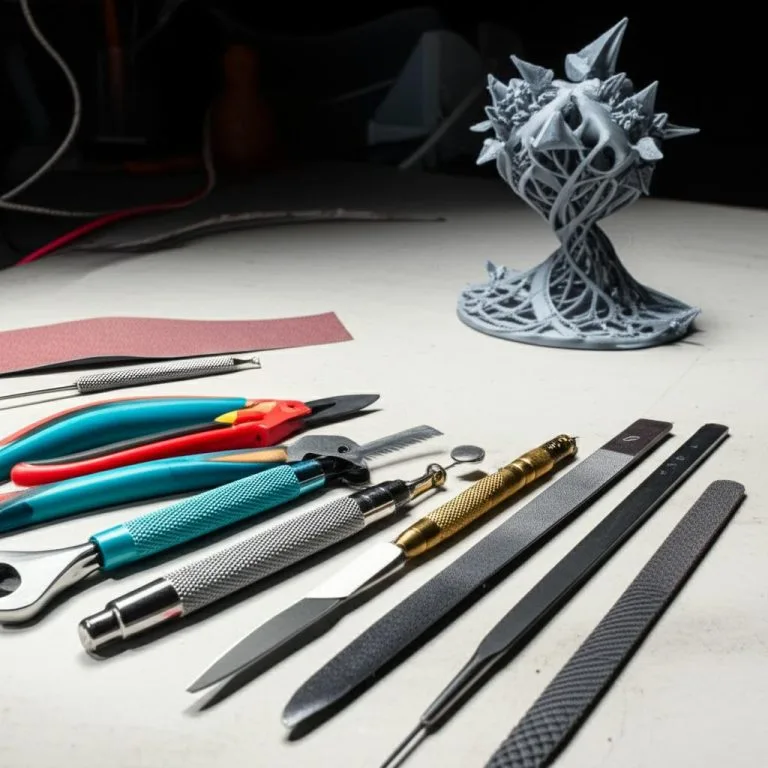
Before you even think about applying adhesive, proper preparation is key to a strong and aesthetically pleasing bond. First, ensure that the surfaces to be joined are clean and free of any dust, grease, or residual support material. Isopropyl alcohol works wonders for this. Next, consider sanding the mating surfaces. A light sanding (e.g., with 220-grit sandpaper) can provide a rougher texture, allowing the adhesive to grip better. Finally, perform a dry fit. This allows you to check for any gaps or misalignments that need to be addressed before applying glue, ensuring your 3D printing gluing prints efforts are not in vain.
Choosing the Right Adhesive for Your Filament
The best glue for your 3D print largely depends on the filament type you are using. Different plastics react differently to various adhesives:
- Cyanoacrylate (Super Glue): A popular choice for its fast-curing properties, super glue works well with PLA, PETG, and even some ABS. It creates a strong bond quickly, but can be brittle and prone to frosting.
- Epoxy Resin: For a very strong, gap-filling, and durable bond, two-part epoxy is an excellent option. It offers a longer working time, making it ideal for larger parts where alignment is critical. It adheres well to most common filaments.
- Solvent Cements (e.g., Acetone): Specifically for ABS and ASA, solvent cements like acetone don’t actually glue the plastic, but rather melt the surfaces together, creating a weld. This results in an incredibly strong, seamless bond, as the parts become one homogenous piece. Use in a well-ventilated area.
- Specialized Adhesives: Some brands offer glues specifically formulated for 3D printed plastics, which can be a good all-around choice.
Application Techniques and Post-processing for a Seamless Finish
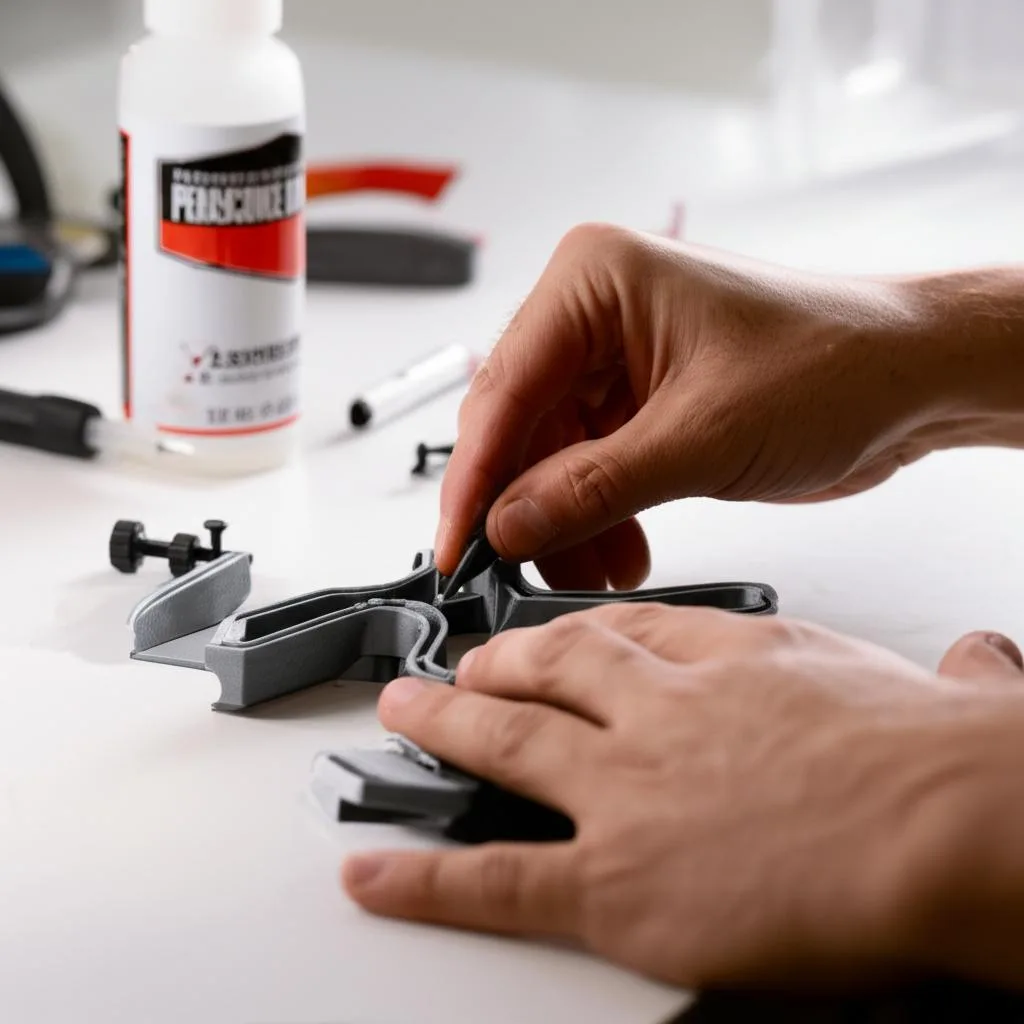
Once you’ve selected your adhesive, apply it sparingly and evenly to one of the mating surfaces. Too much glue can lead to unsightly squeeze-out and a weaker bond. Press the parts firmly together and, if possible, clamp them or hold them steadily until the adhesive cures. For optimal strength, follow the adhesive’s recommended cure time.
Achieving an aesthetic finish is where the Post-processing comes in. After the glue has fully cured, you might notice small seams or gaps. These can be filled with a suitable filler (e.g., body filler, Bondo, or even a paste made from filament scraps and solvent). Once the filler is dry, sand the area smooth, starting with lower grits and moving to higher ones. This meticulous sanding ensures that the seam virtually disappears. Finally, if desired, you can prime and paint the entire model to achieve a uniform, professional look, making your 3D printing gluing prints indistinguishable from a single, continuous piece.
Frequently asked questions
Can I use super glue on PLA, and will it frost?
Yes, cyanoacrylate (super glue) works well with PLA and creates a strong, fast-curing bond. However, it is prone to frosting—a white residue that forms around the joint—so apply it sparingly and avoid excess squeeze-out to minimize the effect.
Is acetone safe to use on PLA or PETG to weld parts together?
No, acetone is only effective as a solvent cement for ABS and ASA filaments, where it melts the surfaces together to create a weld. It will not work on PLA or PETG and can damage or cloud those materials without forming a strong bond.
How do I hide the seam line after gluing parts together?
After the glue has fully cured, fill any remaining gaps with a body filler or a paste made from filament scraps and solvent. Once dry, sand the area smooth, starting with lower grit sandpaper and working up to higher grits, then prime and paint the entire model for a uniform finish.