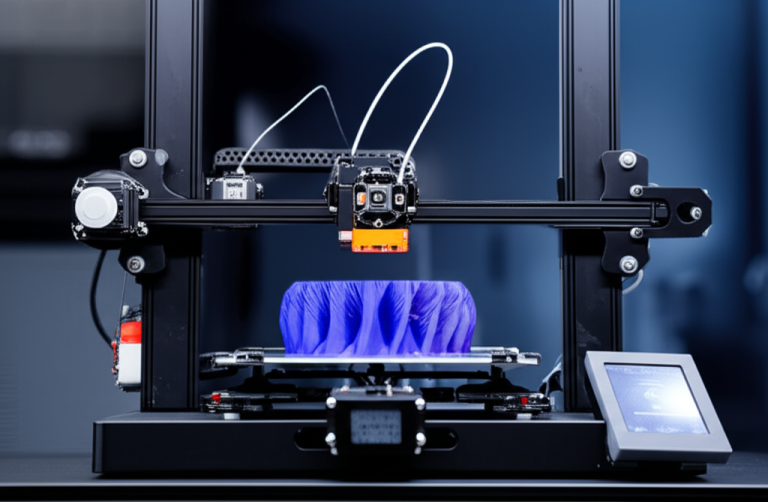
The burgeoning world of 3D printing has revolutionized manufacturing, prototyping, and even hobbyist creation. From intricate models to functional components, the possibilities seem endless. However, as with any industrial or semi-industrial process, safety should never be an afterthought. Operating a 3D printer, particularly when working with various filaments, exposes users to potential hazards that necessitate the proper use of personal protective equipment (PPE).
Why personal protective equipment is crucial in 3D printing
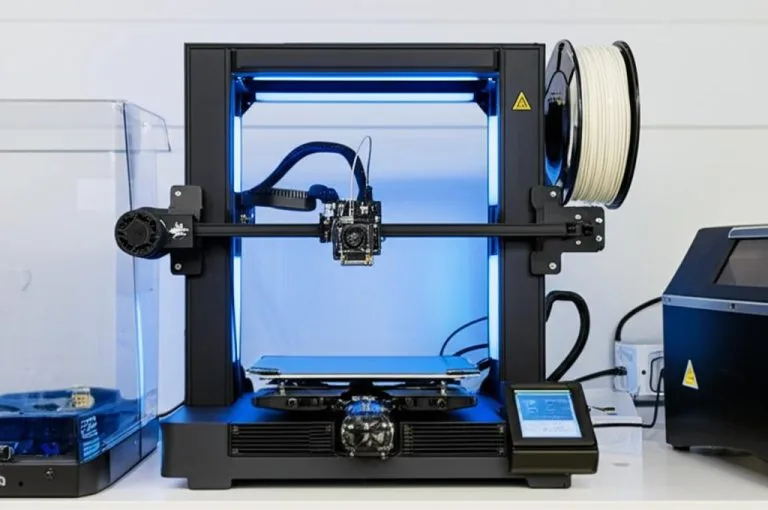
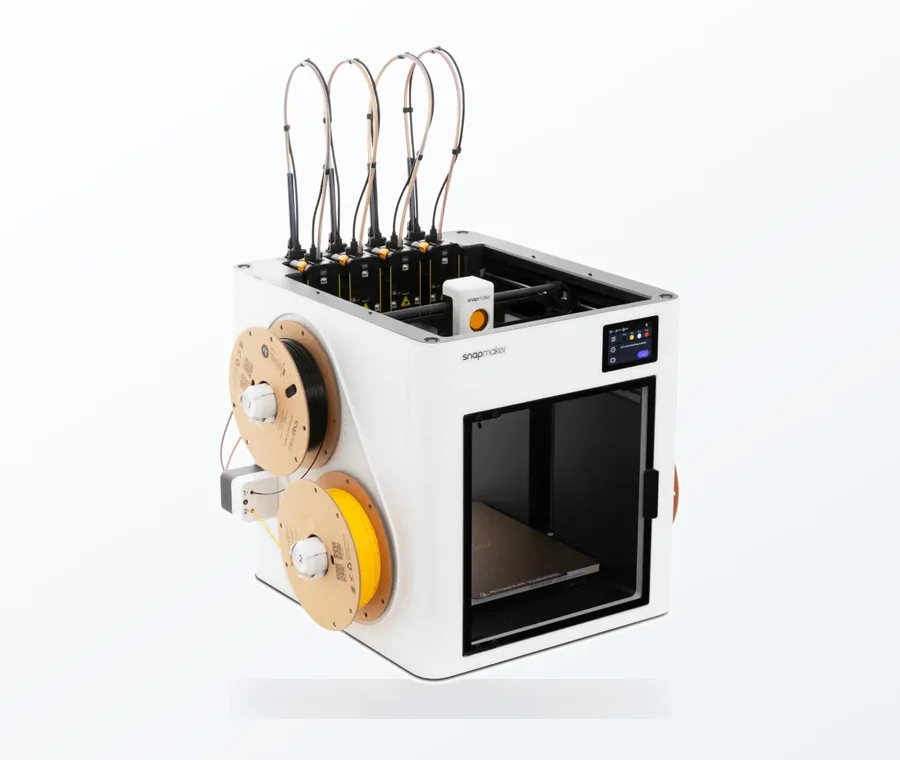
The consumer toolchanger 3D printer: the SnapSwap 4-toolhead system swaps heads in 5 seconds for true multi-color and multi-material printing, with smart calibration and auto filament loading.
- 4 toolheads · 5 s swap
- Up to 500 mm/s · 20,000 mm/s²
- 270 mm cube build volume
- Multi-color & multi-material
While often perceived as a clean and relatively safe activity, 3D printing, especially Fused Deposition Modeling (FDM) and Stereolithography (SLA) processes, can generate a range of byproducts that pose health risks. These include:
- Ultrafine particles (UFPs): These microscopic particles are released during the heating and extrusion of thermoplastic filaments. They can penetrate deep into the lungs and potentially enter the bloodstream, posing respiratory and cardiovascular concerns.
- Volatile organic compounds (VOCs): Many filaments, particularly ABS, emit VOCs when heated. These chemicals can cause irritation to the eyes, nose, and throat, as well as headaches, nausea, and in some cases, more serious long-term health effects.
- Noxious fumes: Specific filaments can release distinct hazardous fumes, such as caprolactam from nylon or styrene from ABS.
- Heat hazards: Printer nozzles, print beds, and extruded plastic can reach high temperatures, posing a burn risk.
- Mechanical hazards: Moving parts within the printer, sharp tools used for post-processing, and handling uncured resins in SLA can lead to cuts, pinches, or chemical exposure.
- UV light exposure: SLA printers use UV light to cure resins. Direct exposure to this light can be harmful to the eyes and skin.
Understanding these potential dangers is the first step towards implementing an effective safety protocol, with personal protective equipment forming a critical line of defense.
Understanding filament-specific hazards and their implications for PPE
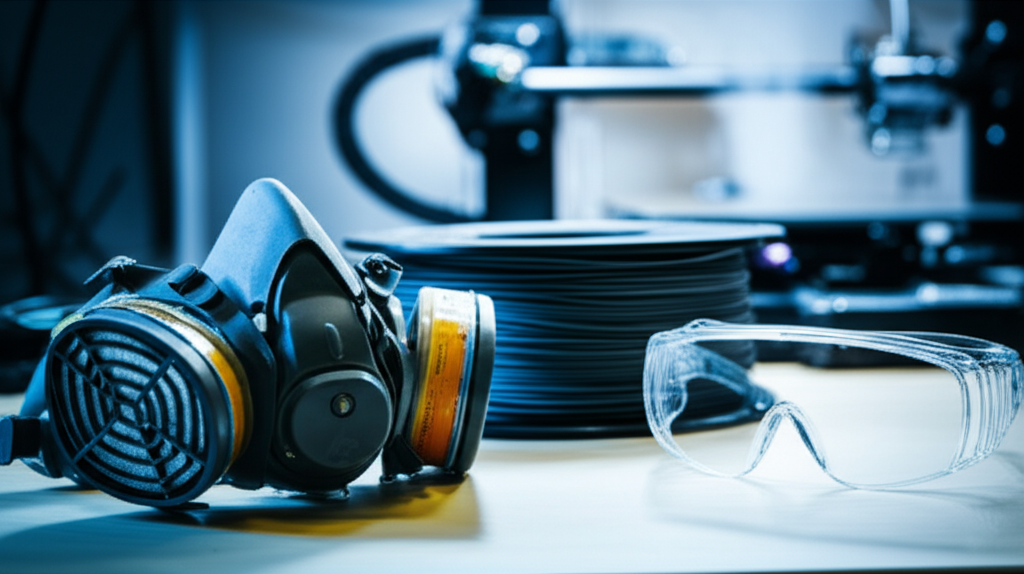
Different 3D printing filaments come with distinct chemical compositions and thermal decomposition characteristics, leading to varying levels of hazard. Matching your 3D printing PPE to the specific material you’re working with is paramount.
Polylactic acid (PLA)
Often considered the most user-friendly and environmentally benign filament, PLA is derived from renewable resources. While generally safer than other plastics, studies indicate that PLA still emits UFPs and a range of VOCs, albeit typically at lower concentrations than ABS. Common VOCs include lactide and methyl methacrylate. For occasional, well-ventilated printing, the risks are lower, but consistent exposure still warrants consideration.
Acrylonitrile butadiene styrene (ABS)
ABS is renowned for its strength and durability but is also one of the most concerning filaments from a safety perspective. It releases a significant amount of UFPs and a broad spectrum of VOCs, most notably styrene, butadiene, and ethylbenzene. Styrene, in particular, is a known irritant and potential carcinogen. The distinctive, pungent odor associated with ABS printing is a clear indicator of these emissions, making robust respiratory protection and ventilation non-negotiable.
Polyethylene terephthalate glycol (PETG)
PETG offers a good balance of strength, flexibility, and ease of printing, often seen as a middle ground between PLA and ABS. It typically produces fewer UFPs and VOCs than ABS, but more than PLA. Glycol and acetaldehyde are among the VOCs released. While less irritating than ABS fumes, proper ventilation and some level of respiratory protection are still advisable, especially during prolonged printing sessions.
Nylon (polyamide)
Nylon filaments are valued for their high strength, flexibility, and abrasion resistance. However, when heated, nylon can release caprolactam, a chemical known to cause irritation to the eyes, skin, and respiratory tract. The emissions profile can also include other VOCs. Due to its hygroscopic nature, nylon often requires drying before printing, which doesn’t directly relate to PPE but is an operational safety note.
Specialty and composite filaments
- Carbon fiber, glass fiber, or metal-infused filaments: These materials enhance strength and rigidity but introduce new hazards. The reinforcing particles themselves can become airborne during printing or post-processing (sanding, filing), posing inhalation risks. Carbon fiber dust, for instance, is conductive and can be irritating.
- Flexible filaments (TPU, TPE): While generally not as volatile as ABS, some flexible filaments can still emit VOCs. Their specific chemical compositions should be reviewed.
- Resins for SLA/DLP printing: Uncured photopolymer resins are typically irritants and sensitizers. Direct skin contact can cause allergic reactions, and the fumes can be irritating to the respiratory system. Cured resin is generally inert, but proper handling of the liquid material is critical.
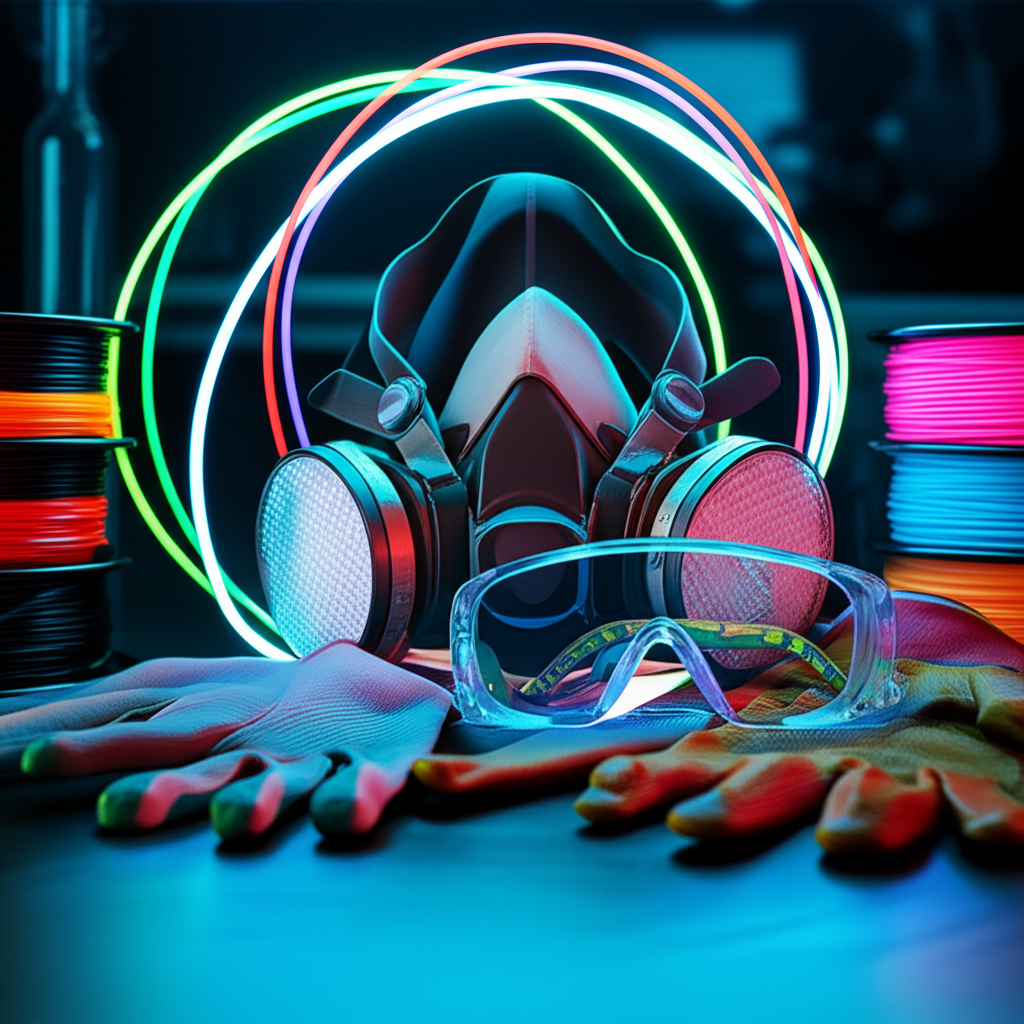
Essential personal protective equipment for 3D printing
Given the diverse range of hazards, a multi-faceted approach to PPE is necessary. The specific combination of equipment will depend on the filament, the printing environment, and the duration of exposure.
Respiratory protection: safeguarding your lungs
Inhalation of UFPs and VOCs is arguably the most significant long-term health risk in 3D printing. Respiratory protection is paramount.
- N95/FFP2 masks: These disposable particulate respirators are designed to filter at least 95% of airborne particles. While they offer some protection against UFPs, they are not effective against gases or vapors (VOCs). Their effectiveness against UFPs from 3D printing is debated, with some studies suggesting they may not fully capture the smallest particles. They represent a basic, low-cost option but offer limited protection for many filament types.
- P100/FFP3 respirators: These are more robust particulate respirators, filtering at least 99.97% of airborne particles. They provide superior protection against UFPs compared to N95s. They are available as disposable masks or reusable half-face respirators with replaceable cartridges.
- Respirators with activated carbon filters: For protection against VOCs, a respirator equipped with activated carbon cartridges (often designated as “organic vapor” or “multi-gas/vapor” cartridges) is essential. These filters chemically absorb gas molecules. Combining a P100 particulate filter with an organic vapor cartridge offers comprehensive protection against both UFPs and VOCs. Reusable respirators with replaceable cartridges generally represent a higher initial investment but lower long-term cost compared to continually replacing disposable masks, especially for frequent users.
When selecting a respirator, proper fit testing is critical to ensure a tight seal and maximum effectiveness. Be mindful of cartridge lifespan, as filters become saturated and lose effectiveness over time.
Eye protection: shielding your sight
Your eyes are vulnerable to several hazards during 3D printing.
- Safety glasses: Standard safety glasses protect against flying debris (e.g., support material removal), accidental splashes of molten plastic, and potential minor chemical splashes. Look for glasses that meet ANSI Z87.1 standards. They are a low-cost, essential piece of PPE for almost any printing scenario.
- Safety goggles: Goggles offer a more comprehensive seal around the eyes, providing superior protection against splashes, dust, and fumes, particularly when working with uncured resins or filaments known for higher fume emissions. Some goggles also offer UV protection, which is crucial for SLA printing. While slightly less comfortable for prolonged wear than glasses, their enhanced protection can be invaluable.
Hand protection: preventing burns and chemical exposure
Direct contact with hot components or hazardous materials requires appropriate hand protection.
- Heat-resistant gloves: For handling hot print beds, nozzles, or freshly printed parts, heat-resistant gloves (e.g., made from aramid fibers or silicone) are vital to prevent burns. Their cost varies depending on temperature rating and material.
- Chemical-resistant gloves (nitrile): When working with uncured SLA resins, solvents for post-processing, or even handling certain raw filaments, chemical-resistant gloves are indispensable. Nitrile gloves are generally preferred over latex as they offer better chemical resistance and reduce allergy risks. They are a relatively low-cost consumable item.
Additional safety considerations
While not strictly PPE, these elements significantly contribute to operational safety and reduce the reliance on individual PPE.
- Ventilation systems: A dedicated enclosure with an exhaust fan leading outdoors, or a filtered air recirculation system (with HEPA and activated carbon filters), drastically reduces exposure to UFPs and VOCs. This is an upfront investment that can significantly enhance overall safety and potentially reduce the level of respiratory PPE required for routine operations.
- Fire extinguishers: Having a suitable fire extinguisher (e.g., CO2 or ABC dry chemical) readily accessible is crucial, given the electrical and heating elements involved in 3D printing.
- Good housekeeping: Keeping the printing area clean and free of clutter reduces trip hazards and fire risks.
Matching PPE to filament type: an overview
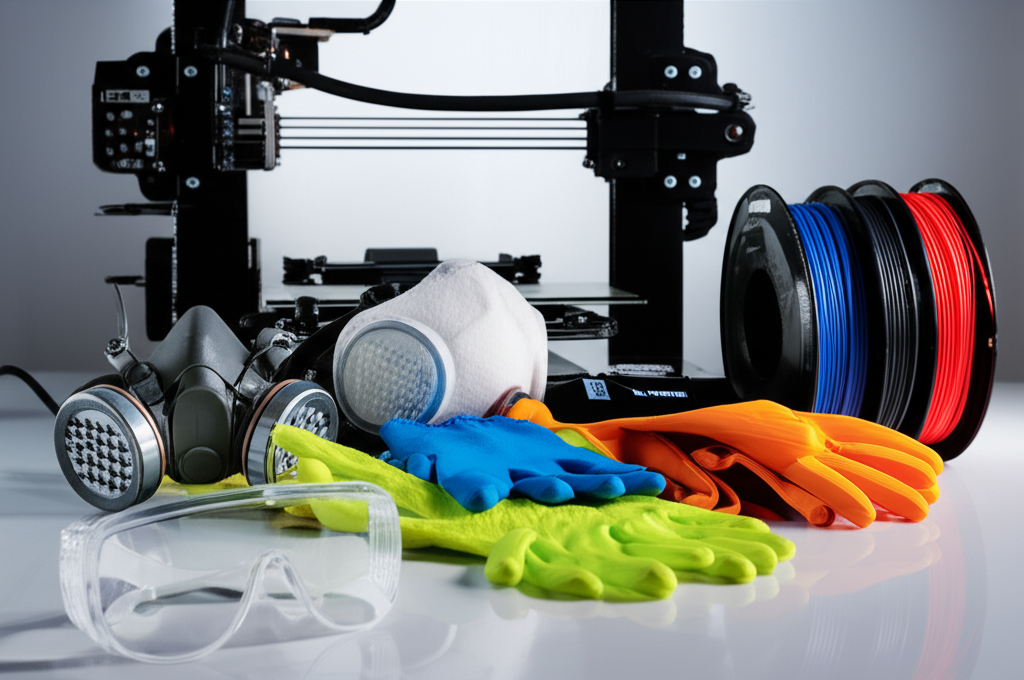
The following table provides a general guide. Always consult the Safety Data Sheet (SDS) for your specific filament for the most accurate hazard information.
| Filament Type | Respiratory Protection | Eye Protection | Hand Protection | Ventilation |
|---|---|---|---|---|
| PLA | N95/FFP2 (optional, for prolonged use or poor ventilation) | Safety glasses | General purpose gloves (for handling) | Good room ventilation (minimum) |
| ABS | P100/FFP3 with activated carbon filter | Safety goggles | Heat-resistant gloves (for hot parts), general purpose for handling | Dedicated enclosure with exhaust to outdoors or robust filtered system (highly recommended) |
| PETG | P100/FFP3 (recommended for prolonged use) | Safety glasses | Heat-resistant gloves (for hot parts), general purpose for handling | Good room ventilation, ideally a filtered enclosure |
| Nylon | P100/FFP3 with activated carbon filter | Safety goggles | Heat-resistant gloves (for hot parts), general purpose for handling | Dedicated enclosure with exhaust to outdoors or robust filtered system (highly recommended) |
| Specialty (e.g., Carbon Fiber) | P100/FFP3 (for particulates, especially during post-processing) | Safety goggles | Heat-resistant gloves, cut-resistant gloves (if applicable) | Good room ventilation, localized exhaust for post-processing |
| SLA Resins (liquid) | P100/FFP3 with organic vapor cartridge (for fumes) | UV-protective safety goggles | Nitrile chemical-resistant gloves (essential) | Dedicated enclosure with exhaust to outdoors or robust filtered system (highly recommended) |
Cost versus protection: making an informed decision about your 3D printing PPE
The consumer toolchanger 3D printer: the SnapSwap 4-toolhead system swaps heads in 5 seconds for true multi-color and multi-material printing, with smart calibration and auto filament loading.
The range of personal protective equipment available for 3D printing varies significantly in terms of features, protection levels, and, consequently, cost. Making an informed decision involves weighing these factors against your specific printing habits, the materials you use, and your budget.
On the lower end of the cost spectrum, basic safety glasses and disposable N95 masks represent minimal investment. These might suffice for very occasional printing of low-emission materials like PLA in a well-ventilated space. However, their protection against the more hazardous UFPs and VOCs from materials like ABS or nylon is limited.
Moving up, reusable half-face respirators with replaceable P100 particulate filters offer significantly better protection against UFPs. Adding organic vapor cartridges to these respirators further enhances protection against VOCs. The initial outlay for a reusable respirator is higher than for disposable masks, but the long-term cost can be more favorable if cartridges are replaced appropriately, rather than constantly buying new disposable units. This option provides a robust balance for regular users of a variety of filaments.
For those frequently printing with high-emission materials or operating in less-than-ideal ventilation conditions, investing in a dedicated ventilation system or printer enclosure with filtration becomes a strong consideration. While this represents a more substantial upfront cost, it can dramatically reduce ambient exposure, potentially mitigating the need for continuous, high-level individual respiratory protection. It transforms the safety solution from reactive (PPE on the user) to proactive (hazard control at the source).
Similarly, the choice between basic safety glasses and full safety goggles, or between general-purpose gloves and specialized heat/chemical-resistant gloves, involves a cost-benefit analysis. Basic options are inexpensive but offer less comprehensive protection. Higher-grade options, while more costly, provide superior safety for specific, higher-risk tasks like handling hot components or corrosive chemicals. The long-term implications of inadequate protection, such as potential health issues or injuries, often far outweigh the upfront savings on cheaper PPE.
Ultimately, the “best” or “cheapest” option is subjective and depends on a thorough risk assessment. Consider the volume and frequency of your printing, the types of filaments you primarily use, the existing ventilation in your workspace, and your personal tolerance for risk. Prioritizing protection for the most significant hazards (respiratory and eye) and then scaling up or down other PPE based on specific tasks and materials will allow you to build a comprehensive safety strategy that aligns with both your needs and your budget.
Conclusion: prioritizing safety in your 3D printing journey
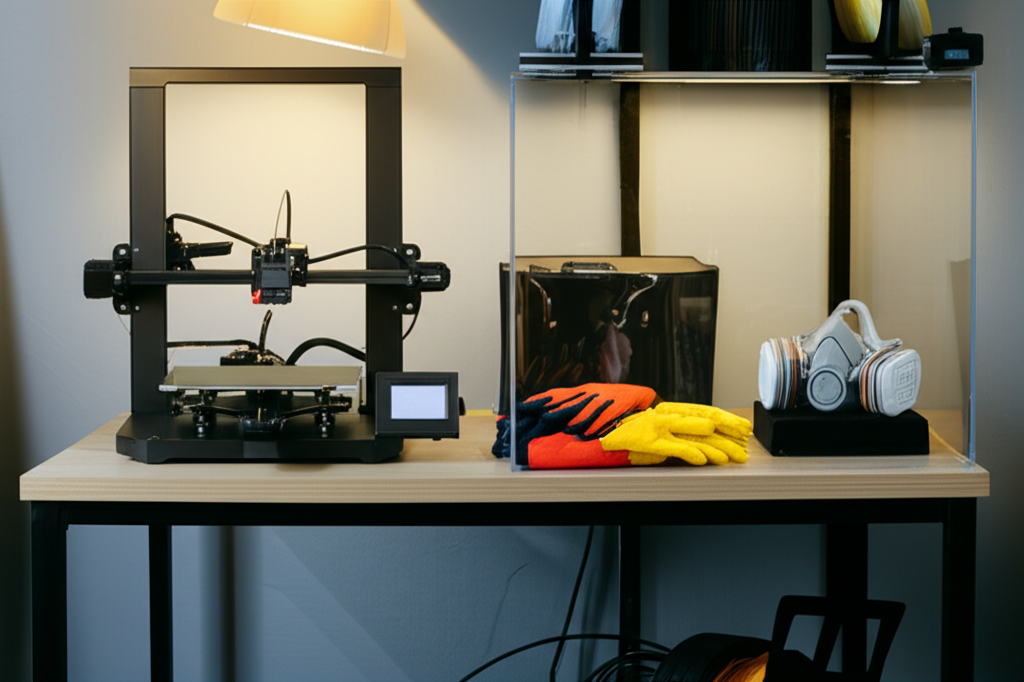
The exciting capabilities of 3D printing come hand-in-hand with a responsibility to ensure operational safety. Proactive engagement with personal protective equipment is not merely a recommendation but a fundamental aspect of responsible 3D printing. By carefully assessing the hazards posed by different filaments and matching them with appropriate PPE, from robust respiratory solutions to specialized hand and eye protection, users can significantly mitigate risks.
Remember, PPE is just one layer of defense. It should be complemented by good ventilation, proper handling procedures, and a general awareness of your workspace environment. Always refer to the Safety Data Sheets (SDS) provided by filament manufacturers for detailed information on specific material hazards and recommended safety measures. By integrating these practices, you can continue to innovate and create with 3D printing, all while safeguarding your well-being.
Frequently asked questions
Can I reuse disposable N95 masks for multiple 3D printing sessions?
Disposable N95 masks are intended for single-use and should not be reused for multiple printing sessions. Their filtration efficiency degrades with each use, and they can become contaminated with ultrafine particles and VOCs on the outer surface. For regular or prolonged printing, especially with filaments like ABS or nylon, a reusable half-face respirator with replaceable P100 and organic vapor cartridges is a more cost-effective and safer long-term option.
Do I still need respiratory protection if my printer is in a garage or outdoors?
Yes, but the level of protection required may be lower. While outdoor or very well-ventilated spaces dilute fumes and particles significantly, the immediate area around the printer can still have elevated concentrations of UFPs and VOCs, particularly during long prints or when using high-emission filaments like ABS. A P100/FFP3 respirator with an activated carbon filter is still recommended for ABS and nylon printing, even outdoors, to protect against the concentrated plume near the nozzle.
Are nitrile gloves safe to use when handling hot print beds or nozzles?
No. Nitrile gloves are chemical-resistant but offer very little protection against heat. They will melt or degrade quickly when contacting hot surfaces like a 200°C nozzle or a 60–110°C print bed, potentially causing severe burns. For handling hot components, use dedicated heat-resistant gloves made from aramid fibers or silicone, and reserve nitrile gloves for tasks involving uncured SLA resins or solvents.