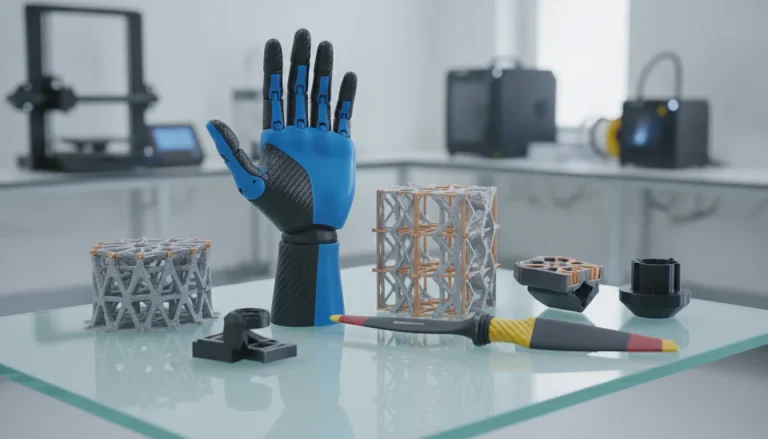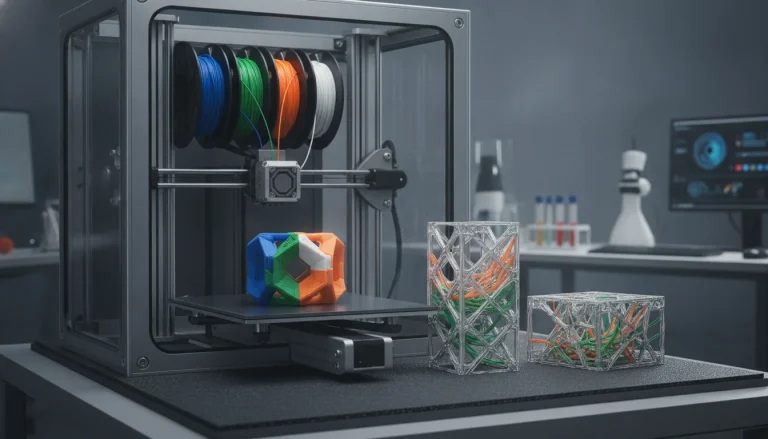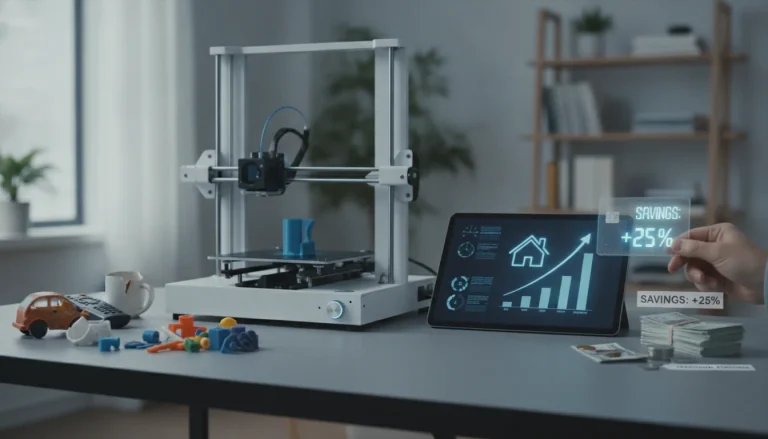

The landscape of Fused Deposition Modeling (FDM) 3D printing is continuously evolving, driven by an increasing demand for materials that can deliver enhanced mechanical properties beyond those of standard thermoplastics. For engineers, product designers, and advanced hobbyists seeking to push the boundaries of functional prototyping and end-use parts, high-performance composites have become indispensable. Among these, carbon fiber filament and glass fiber filament stand out as prominent choices, each offering significant improvements in print strength and part stiffness, alongside other unique characteristics. Understanding the intricate differences between these two composite materials—from their inherent physical properties and processing requirements to their cost structures and optimal FDM applications—is absolutely crucial for making an informed material selection that aligns perfectly with project goals.
Delving into carbon fiber filament: unparalleled stiffness and strength
Carbon fiber filament typically consists of a thermoplastic base polymer—commonly PLA, PETG, ABS, Nylon, or even high-performance options like PEEK or PEI—reinforced with chopped carbon fibers. This strategic infusion fundamentally transforms the material’s properties, resulting in a composite that is remarkably stronger, stiffer, and lighter than the unreinforced base polymer. The primary allure of carbon fiber composites in FDM is their exceptional strength-to-weight ratio and a high modulus of elasticity, which directly translates to superior part stiffness and minimal deflection under load. Parts printed with carbon fiber composites exhibit excellent dimensional stability, reduced thermal expansion, and often improved heat deflection temperatures, making them prime candidates for precision engineering applications.
The reinforcing carbon fibers themselves are anisotropic, meaning their properties vary with direction. When integrated into a filament, the chopped fibers tend to align somewhat along the print paths, contributing to increased strength in specific orientations. This characteristic, combined with their inherent rigidity, makes carbon fiber composites ideal for applications where structural integrity and resistance to deformation are paramount. For example, they are extensively used in functional prototypes for aerospace and automotive industries, lightweight drone frames, rigid robotic components, high-performance jigs and fixtures, and tooling where precision and minimal flex are critical. The high strength allows these parts to withstand considerable operational stresses without succumbing to plastic deformation.
However, printing with carbon fiber filament comes with its own set of considerations. The abrasive nature of carbon fibers can lead to rapid wear on standard brass nozzles, necessitating the use of hardened steel, ruby-tipped, or other wear-resistant nozzles to maintain consistent print quality and extend equipment lifespan. Furthermore, some carbon fiber-reinforced filaments can be more prone to warping due to differential cooling rates between the polymer matrix and the fibers, often requiring heated build plates and enclosed print chambers for optimal results. Proper drying of the filament before printing is also essential, particularly for hygroscopic base polymers like Nylon, to prevent issues such as bubbling, poor layer adhesion, and reduced mechanical properties.
From a cost perspective, carbon fiber filaments generally occupy the higher end of the FDM material spectrum. The manufacturing process for carbon fibers is complex, energy-intensive, and requires specialized precursors. Their subsequent integration into polymer filaments, along with quality control measures, further contributes to higher production costs. This premium price point is a direct reflection of their advanced mechanical properties, superior performance in demanding applications, and the sophisticated manufacturing required to produce them.
Exploring glass fiber filament: toughness, impact resistance, and versatility
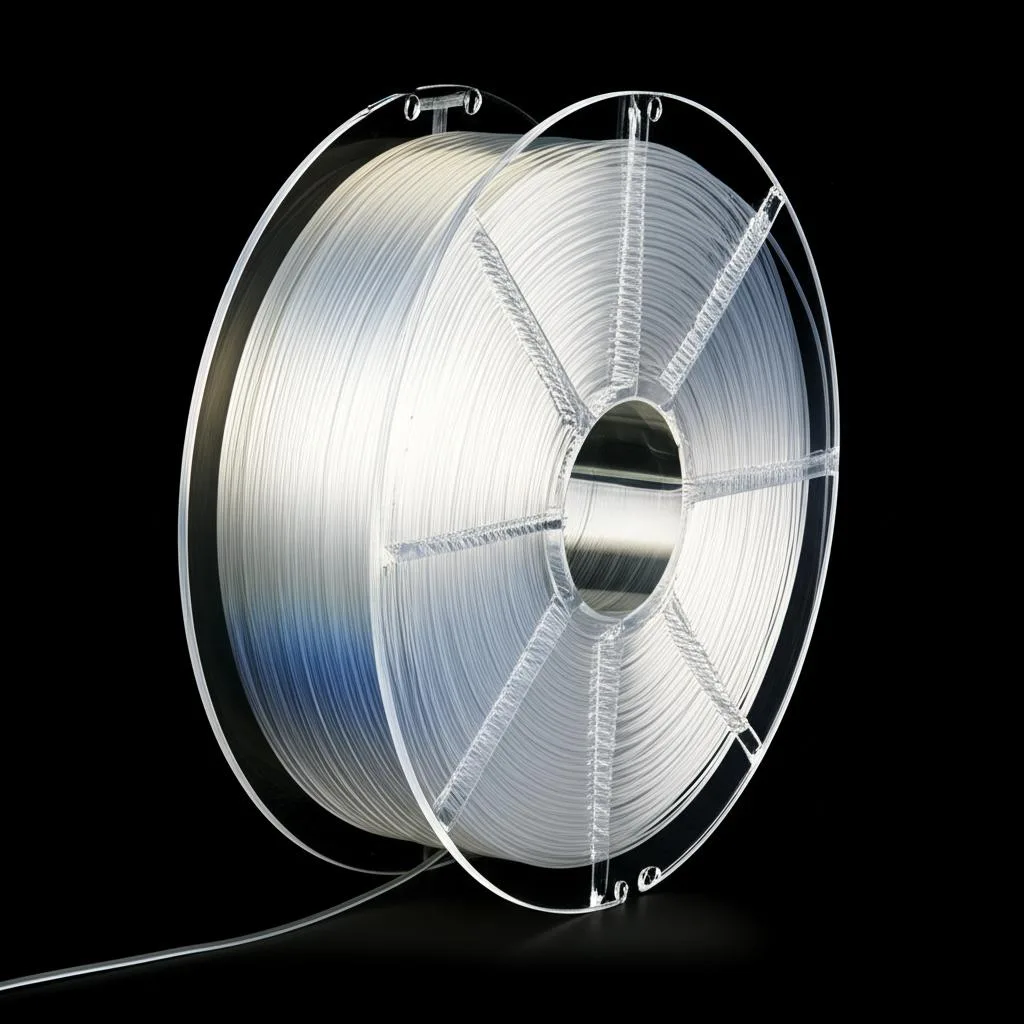
Glass fiber filament also comprises a thermoplastic matrix reinforced with chopped glass fibers, offering a compelling alternative to carbon fiber, particularly when toughness and impact resistance are prioritized. While glass fiber composites may not achieve the same ultimate tensile strength or stiffness as their carbon fiber counterparts, they present a distinct array of advantages. Glass fibers are renowned for their ability to absorb significant energy before fracturing, making parts printed with these filaments remarkably more durable, resilient, and less prone to brittle failure under sudden impacts, vibrations, or dynamic loads. This characteristic makes them excellent for parts that will experience rough handling or repetitive stress cycles.
Beyond mechanical robustness, glass fiber filaments often exhibit good electrical insulation properties, a critical factor for electronic enclosures, brackets, or components where electrical conductivity could be detrimental. They typically offer improved heat resistance compared to unreinforced thermoplastics and are less abrasive than carbon fiber, though a hardened nozzle is still often recommended for extended printing, especially with larger volumes or higher infills. The inherent flexibility and resilience imparted by glass fibers make these composites highly suitable for applications requiring parts that can flex without permanent deformation, such as protective covers, functional prototypes for consumer goods, flexible jigs, and components that might experience incidental knocks or drops.
The range of base polymers for glass fiber reinforcement is similar to carbon fiber, including common options like PETG, Nylon, and ABS, each bringing its own set of base properties to the composite. This versatility allows for tailoring the material to specific requirements, balancing factors like chemical resistance, temperature performance, and ease of printing. Similar to carbon fiber filaments, proper filament storage and drying are crucial for glass fiber composites, especially those based on hygroscopic polymers, to ensure optimal print quality and part performance.
In terms of cost, glass fiber filaments typically present a more economical and accessible alternative to carbon fiber while still offering a substantial upgrade in mechanical performance over standard, unreinforced polymers. The raw materials for glass fibers are more abundant, and their manufacturing processes are generally less expensive and energy-intensive than those for carbon fibers. This makes glass fiber composites a highly attractive and practical high-performance option for a broader spectrum of FDM applications, particularly where budget constraints are a significant consideration without compromising on vital mechanical properties like toughness.
Key distinctions and strategic material selection
The choice between carbon fiber filament and glass fiber filament is fundamentally driven by the specific performance demands of the final printed part and its intended operational environment. While both composite types significantly enhance print strength and part stiffness compared to unreinforced polymers, they achieve these improvements through distinct mechanisms and with different characteristic trade-offs:
- Stiffness and Tensile Strength: Carbon fiber generally provides superior stiffness and ultimate tensile strength. It is the preferred material for applications demanding maximum rigidity, minimal deflection, and resistance to significant bending or stretching forces. Glass fiber, while strong, is typically more flexible and exhibits a lower modulus of elasticity, making it less stiff.
- Toughness and Impact Resistance: Glass fiber composites excel in toughness and impact resistance. Their ability to absorb energy makes them more resilient to sudden shocks, vibrations, and blunt force, making them less prone to brittle fracture. Carbon fiber, despite its high strength, can be more brittle under impact loads.
- Weight: Carbon fiber composites are notably lighter than glass fiber composites for a given volume, offering a significant advantage for weight-sensitive applications such as aerospace components, drones, and high-speed robotic end-effectors where mass reduction is critical.
- Abrasiveness and Nozzle Wear: Carbon fiber is considerably more abrasive than glass fiber, posing a greater risk of accelerated wear on standard brass nozzles. While both composites benefit from hardened nozzles, the necessity is more pronounced and immediate with carbon fiber filaments to prevent print failures and maintain dimensional accuracy.
- Electrical Properties: This is a crucial differentiator. Glass fiber is an excellent electrical insulator, making it suitable for electrical housings, non-conductive tools, and components that require isolation. Carbon fiber, due to the inherent conductivity of carbon, is electrically conductive. This property can be an advantage in some applications (e.g., static dissipation) but a significant drawback in others (e.g., electronic enclosures).
- Chemical Resistance: The chemical resistance largely depends on the base polymer, but the fibers themselves can influence the overall composite’s stability. Both generally offer improved chemical resistance compared to unreinforced plastics, but specific applications may favor one over the other based on the polymer matrix.
- Cost: Glass fiber filaments are consistently more cost-effective than carbon fiber filaments. This makes glass fiber a highly attractive option for projects requiring enhanced mechanical properties on a more constrained budget, providing a strong performance-to-price ratio.
The decision-making process for material selection should therefore be a meticulous evaluation of these specific performance attributes against the project’s requirements. For instance, if a component in a racing drone needs to be extremely rigid, lightweight, and capable of withstanding high aerodynamic forces, and cost is a secondary concern, carbon fiber would likely be the optimal choice. Conversely, if a protective housing for a handheld device needs to withstand repeated drops and impacts, and budget is a primary consideration, a glass fiber composite could offer a more suitable, practical, and economical solution. Both materials represent significant advancements for various FDM applications, but their unique profiles cater to distinct engineering demands.
Cost-benefit analysis: balancing performance with budget
The cost disparity between carbon fiber filament and glass fiber filament is undeniably a significant factor in material selection, influencing not only the initial material procurement but also the overall project economics. This difference is not arbitrary; it is rooted deeply in the intrinsic properties of the reinforcing fibers and their respective manufacturing complexities. Carbon fiber production is a high-technology, capital-intensive process involving high temperatures, specific chemical precursors, and intricate processing steps, all contributing to its premium pricing. Glass fiber, while still requiring specialized manufacturing, benefits from more abundant and less expensive raw materials (primarily silica sand) and generally less energy-intensive production processes, leading to a significantly lower per-unit cost.
It is imperative to conduct a comprehensive cost-benefit analysis, viewing the material cost not merely as an upfront expenditure but in the broader context of the part’s required performance, the total cost of ownership, and the overall project budget. A higher-priced carbon fiber filament might be entirely justified if its superior stiffness, exceptional strength, and lighter weight directly contribute to critical performance metrics, safety, or operational efficiency in a high-stakes application. For example, in competitive motorsports, aerospace components, or advanced robotics, where every gram saved and every micron of deflection prevented can translate into tangible performance advantages or competitive edge, the investment in carbon fiber can yield significant returns that far outweigh the initial material cost.
Conversely, for applications where robust strength and excellent toughness are paramount, but extreme stiffness, minimal weight, or electrical conductivity are not critical design drivers, a glass fiber filament can provide an outstanding balance of performance and cost-effectiveness. It enables the production of highly durable, reliable parts without substantially escalating the budget, thereby making high-performance 3D printing more accessible to a wider range of projects and industries. The “value” proposition of each filament is thus inherently subjective and entirely dependent on the specific engineering challenges being addressed, the critical performance requirements, and the economic constraints of the project. Considering factors like print success rates, nozzle replacement frequency, and the longevity of the final part can further refine this cost-benefit assessment, providing a holistic view of the total investment.
Conclusion: strategic choices for advanced FDM applications
Both carbon fiber filament and glass fiber filament stand as formidable tools in the FDM additive manufacturing arsenal, empowering users to create parts that far exceed the mechanical capabilities of unreinforced thermoplastics. Their ability to significantly enhance print strength and part stiffness unlocks a vast array of new possibilities, from functional prototypes to critical end-use components across diverse industries. The ultimate choice between these two advanced composites is not about identifying a universally “better” material; rather, it is about strategically aligning the unique profile of each material with the precise demands of the application at hand.
By meticulously evaluating a comprehensive set of factors—including critical mechanical properties such as stiffness, tensile strength, toughness, and impact resistance; weight constraints; specific electrical conductivity requirements; environmental exposure (e.g., UV, chemical); and, crucially, the project’s budget—designers and engineers can make a truly informed decision. Understanding the individual strengths, limitations, and cost structures of these high-performance composites is the cornerstone of effective material selection, ultimately leading to the successful development and optimization of cutting-edge FDM applications. The power of these materials lies in their ability to transform design concepts into tangible, high-performance realities, provided the selection process is thoughtful and data-driven.
Frequently asked questions
Do I need a hardened steel nozzle for glass fiber filament, or is brass acceptable?
While glass fiber is less abrasive than carbon fiber, a hardened steel nozzle is still strongly recommended, especially for large prints or high infill volumes. Standard brass nozzles will wear down over time with glass fiber filament, causing dimensional inaccuracies and poor print quality. For occasional small prints, a brass nozzle may survive, but hardened steel ensures consistent results without frequent nozzle replacements.
Can carbon fiber filament be used for electronic enclosures or parts that need electrical insulation?
No, carbon fiber filament is electrically conductive due to the carbon fibers themselves, making it unsuitable for electronic enclosures or any application requiring electrical insulation. For such uses, glass fiber filament is the correct choice because it is an excellent electrical insulator, as noted in the article. Using carbon fiber in an enclosure risks short circuits or interference with sensitive electronics.
Is glass fiber filament significantly cheaper than carbon fiber filament in practice?
Yes, glass fiber filaments are consistently more cost-effective than carbon fiber filaments, often costing substantially less per kilogram. This price difference comes from glass fiber having more abundant raw materials (silica sand) and less energy-intensive production compared to carbon fiber. For projects where extreme stiffness and light weight are not critical, glass fiber provides a strong performance-to-price ratio, making high-performance parts more accessible on a constrained budget.