
For many 3D printing enthusiasts, the journey begins with a stock machine, capable of producing decent results at moderate speeds. However, as experience grows and ambitions expand, the limitations of standard hardware often become apparent. One of the most common bottlenecks to achieving significantly faster print times and handling a wider range of materials is the hotend. An effective hotend upgrade can dramatically improve your printer’s capabilities, particularly concerning volumetric flow and overall print speed. This guide will objectively compare various hotend solutions, dissecting their cost structures and key features to empower you in making an informed decision tailored to your specific needs, without advocating for any single ‘best’ or ‘cheapest’ option.
Understanding volumetric flow and its impact on print speed
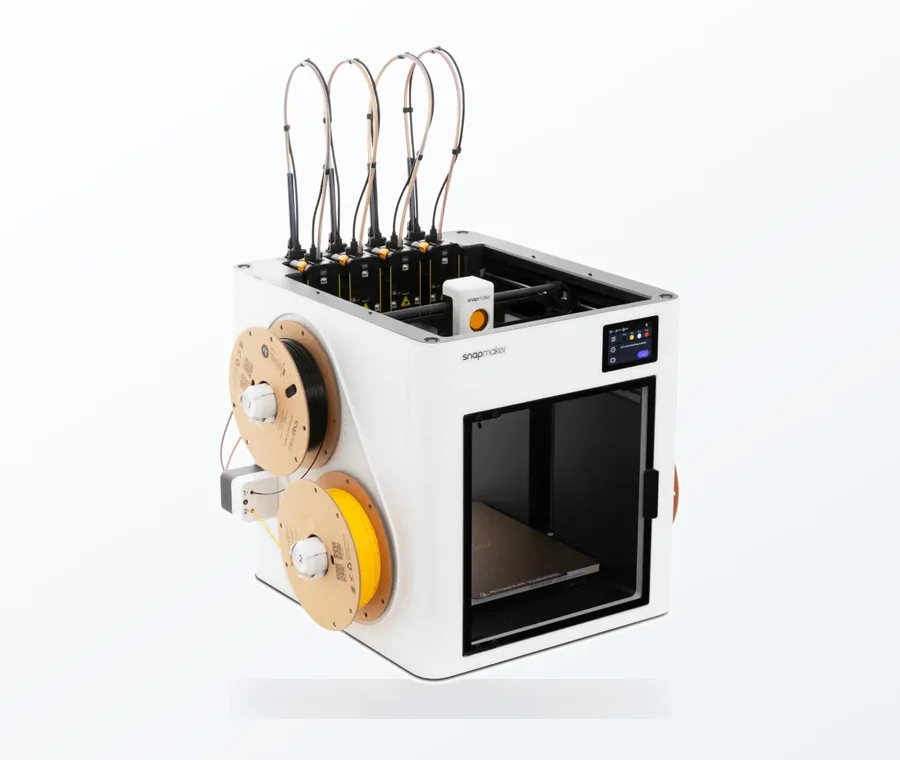
The consumer toolchanger 3D printer: the SnapSwap 4-toolhead system swaps heads in 5 seconds for true multi-color and multi-material printing, with smart calibration and auto filament loading.
- 4 toolheads · 5 s swap
- Up to 500 mm/s · 20,000 mm/s²
- 270 mm cube build volume
- Multi-color & multi-material
Before diving into specific upgrades, it’s crucial to grasp the concept of volumetric flow. Measured in cubic millimeters per second (mm³/s), this metric represents the maximum volume of molten plastic your hotend can consistently extrude. It’s the ultimate determinant of how fast you can print, assuming all other printer components (like the extruder and motion system) can keep up. Your desired print speed is directly limited by this flow rate. For instance, a larger nozzle size or a thicker layer height demands a higher volumetric flow rate to maintain the same linear print speed.
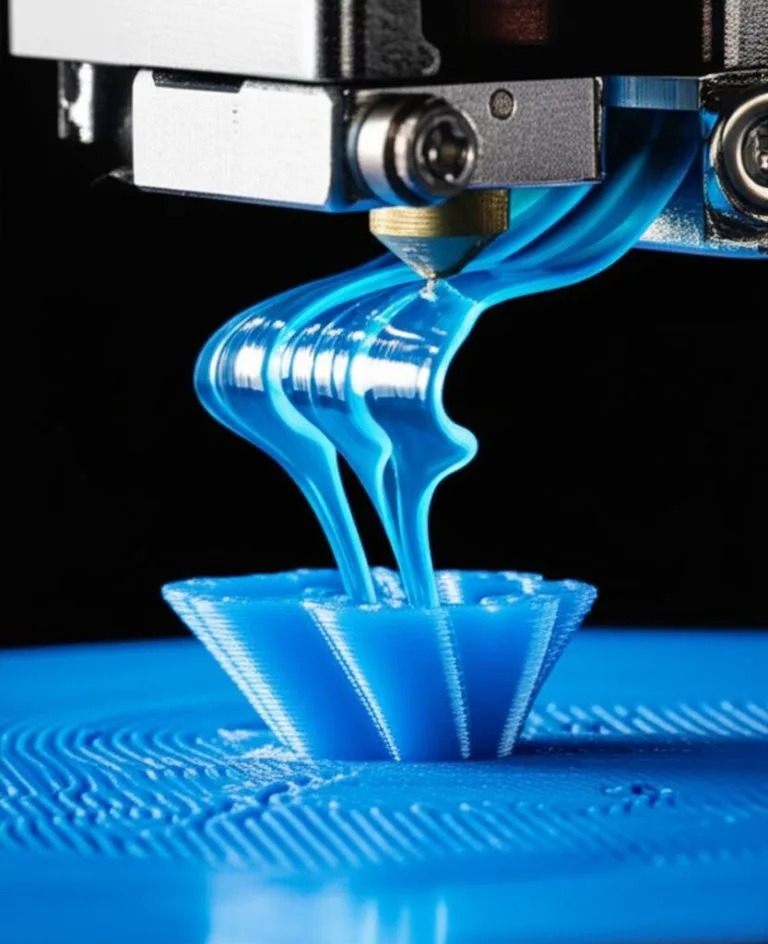
- The ‘Melting Zone’ Limitation: The core challenge for stock hotends is the relatively small and inefficient melting zone within their heater block. Filament needs sufficient time and heat to transition from solid to a uniformly molten state before being pushed through the nozzle. If the filament is pushed too quickly, it may not fully melt, leading to inconsistent extrusion, layer adhesion issues, and potentially clogs.
- Calculating Required Flow: To understand your current or desired flow, you can multiply your print speed (mm/s), layer height (mm), and extrusion width (mm). For example, printing at 60 mm/s with a 0.2 mm layer height and 0.4 mm extrusion width requires 4.8 mm³/s (60 * 0.2 * 0.4). High-speed printing often pushes this well into the 15-30+ mm³/s range, which many stock hotends struggle to achieve reliably.
Key hotend components influencing performance
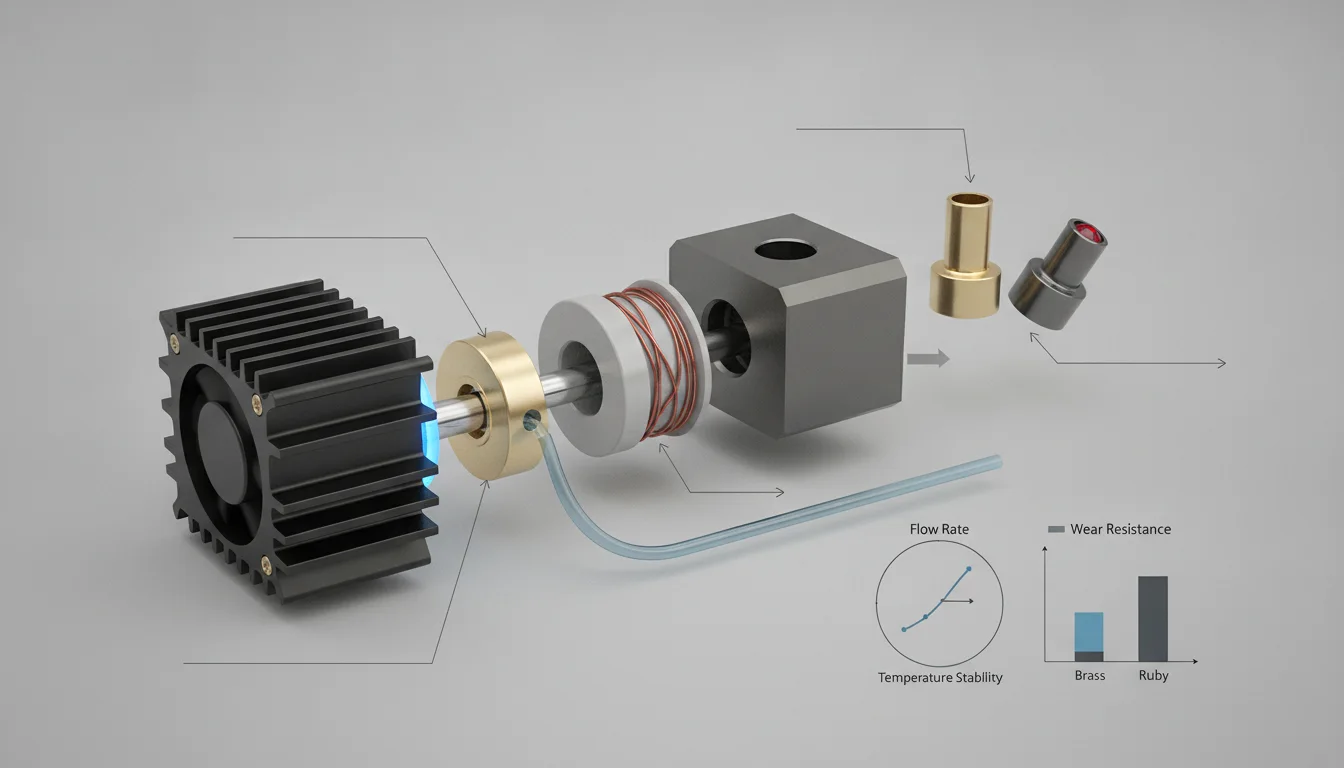
Each part of the hotend plays a role in its overall performance, especially regarding heat transfer and melt efficiency. Understanding these components is vital when considering a hotend upgrade.
Heater block and heat break configurations
- Heater Block: The material and design of the heater block significantly impact how quickly and efficiently heat is transferred to the filament. Larger, more thermally massive blocks (often copper or nickel-plated copper) can store more heat, providing a more stable temperature and a longer melt zone, which is crucial for high flow rates. Aluminum blocks, common in stock hotends, are lighter and heat up faster but have less thermal mass.
- Heat Break: This critical component separates the hot end from the cold end, preventing heat creep. Its design and material are paramount for reliable high-speed printing.
- All-metal heat breaks: Typically made of stainless steel, titanium, or bi-metal (e.g., copper and titanium/steel). These allow for printing at higher temperatures without PTFE degradation, essential for engineering filaments. Titanium offers low thermal conductivity, effectively isolating heat. Bi-metal heat breaks combine the best of both worlds, often with a thin-walled steel/titanium section for minimal heat transfer and a copper section for better heat dissipation towards the cold end.
- PTFE-lined heat breaks: Common in budget hotends, a PTFE tube extends down into the heater block. While excellent for low-temperature filaments like PLA due to PTFE’s low friction, it degrades at higher temperatures (above 240-250°C), releasing toxic fumes and causing clogs.
Nozzle materials and geometries
The nozzle size and material directly influence both print speed and filament compatibility. While a larger nozzle allows for higher volumetric flow at the same linear speed, the nozzle’s internal geometry and material also play a significant role.
- Brass nozzles: Standard and inexpensive, good for non-abrasive filaments like PLA, PETG, and ABS. Their thermal conductivity is good, but they wear down quickly with abrasive materials.
- Hardened steel nozzles: Much more durable than brass, suitable for abrasive filaments like carbon fiber or glass fiber composites. However, their thermal conductivity is lower, potentially requiring higher printing temperatures or reduced speeds.
- Tool steel/Nickel-plated copper nozzles: Offer a good balance of hardness and thermal conductivity, often nickel-plated for reduced friction and better release of molten plastic.
- Ruby-tipped nozzles: The most expensive option, featuring a ruby insert in a brass or hardened steel body. They offer extreme wear resistance combined with excellent thermal conductivity (from the base material), making them ideal for continuous printing with highly abrasive materials.
- High-flow nozzles (e.g., CHT-style): These nozzles feature internal geometries designed to increase the surface area for heat transfer to the filament, effectively creating a larger melt zone within the nozzle itself. This allows for significantly higher volumetric flow rates without needing a larger heater block.
Categories of hotend upgrades and their cost structures
Hotend upgrades range from simple nozzle swaps to complete system overhauls. Each category presents different cost implications and installation complexities.
1. Nozzle upgrades
The simplest and often most cost-effective way to boost flow and material compatibility is upgrading the nozzle. This involves replacing your existing nozzle with one made from a different material or featuring a high-flow design.
- Features: Improved abrasion resistance, potentially higher thermal conductivity, or enhanced internal geometry for increased melt surface area.
- Cost Structure: Varies significantly by material and design. Basic hardened steel nozzles might cost $5-15 each. High-performance, high-flow (e.g., CHT-style) or specialized material nozzles (e.g., nickel-plated copper, ruby-tipped) can range from $20-100+.
- Considerations: Must be compatible with your existing hotend (thread type, length). While effective, a nozzle upgrade alone might still be limited by the melt zone capacity of your stock heater block.
2. Direct replacement hotends and drop-in solutions
These upgrades involve replacing your entire hotend assembly with a pre-built, often higher-performance unit designed to fit your printer with minimal modifications. They typically offer improved heat breaks and heater blocks.
- Features: Enhanced thermal performance, all-metal designs for higher temperature printing, better heat creep resistance, and often a larger or more efficient melt zone. Examples include popular aftermarket options like the E3D V6 (a common upgrade from very basic hotends), Phaetus Dragon, or Slice Engineering Mosquito.
- Cost Structure: Generally in the mid-range. A quality direct replacement hotend assembly can cost anywhere from $50 to $150. This price usually includes the heat break, heater block, and a basic nozzle.
- Considerations: Installation is usually straightforward but may require firmware adjustments for thermistor tables or PID tuning. Ensure mounting compatibility with your printer’s carriage and cooling shroud.
3. High-flow specific hotends and modular systems
This category represents the pinnacle of hotend technology, engineered from the ground up for maximum volumetric flow and extreme print speed. Many also feature modular designs for ease of maintenance and quick nozzle changes.
- Features: Significantly extended or highly optimized melt zones, advanced heat break designs (e.g., bi-metal, ultra-thin walls), high-power heater cartridges, and robust construction for consistent high-temperature operation. Modular systems like E3D Revo allow for tool-free, quick-change nozzles and heater blocks. Examples include the E3D Revo High Flow, Phaetus Rapido UHF, and specific high-flow versions of other premium brands.
- Cost Structure: These are premium solutions with a higher initial investment. Prices typically range from $100 to $300+ for a complete assembly, depending on the brand and specific features. Modular systems might have a higher initial cost for the core unit, with additional costs for different size/material nozzles.
- Considerations: While offering unparalleled performance, these systems require a robust extruder (e.g., direct drive, geared extruder) and an efficient cooling solution to fully utilize their potential. Firmware modifications for thermistor tables are almost always necessary. Compatibility with existing printer mounts and cooling ducts should be verified, as custom mounts might be required.
Factors to consider when evaluating a hotend upgrade

Choosing the right hotend isn’t just about raw volumetric flow numbers. A holistic view of compatibility, maintenance, and your specific printing goals is essential.
Compatibility and installation
- Physical Mounting: Does the new hotend fit your printer’s existing carriage? Many popular printers have aftermarket adapters available, but some may require custom printed parts.
- Electrical Compatibility: Check thermistor type (NTC 100K, PT100, PT1000) and heater cartridge voltage (12V or 24V) and wattage. Firmware changes are often needed to correctly interpret temperature readings.
- Cooling Solution: A more powerful hotend generating more heat might necessitate an upgraded part cooling fan system to prevent heat creep and maintain print quality at higher speeds.
- Extruder Compatibility: A high-flow hotend needs an extruder capable of consistently pushing filament at the required rates without slipping or grinding. Geared extruders or high-torque direct drive systems are often preferred.
Filament compatibility and temperature range
If you plan to print with engineering filaments (e.g., Nylon, PC, PEEK) or abrasive composites, an all-metal hotend capable of reaching and maintaining higher temperatures (280°C+) is essential. Ensure the hotend’s maximum rated temperature aligns with your filament requirements. The material of your nozzle is also critical for abrasive filaments.
Maintenance and reliability
- Ease of Nozzle Swapping: Traditional threaded nozzles can be fiddly, especially when hot. Systems like E3D Revo offer tool-free, rapid nozzle changes, which is a significant convenience for users who frequently switch between nozzle sizes or materials.
- Clog Resistance: Well-designed heat breaks with polished internal surfaces and minimal heat creep significantly reduce the likelihood of clogs.
- Long-term Durability: Consider the quality of materials and construction. Premium hotends often feature robust designs and higher-grade components, contributing to a longer lifespan and consistent performance.
The cost implications beyond purchase price
When analyzing cost, look beyond the initial price tag. Consider the total cost of ownership and potential ancillary upgrades.
- Spare Parts: Availability and cost of replacement heat breaks, heater blocks, and nozzles. Modular systems might have proprietary nozzles that are more expensive but offer convenience.
- Required Ancillary Upgrades: A high-flow hotend might necessitate a stronger extruder, better part cooling, or even a more powerful mainboard to handle the increased demands. These additional components add to the overall investment.
- Time Investment: Factor in the time required for installation, firmware modification, and tuning. While not a monetary cost, it’s a valuable resource.
Comparing features: what sets solutions apart?
The consumer toolchanger 3D printer: the SnapSwap 4-toolhead system swaps heads in 5 seconds for true multi-color and multi-material printing, with smart calibration and auto filament loading.
When evaluating options, a detailed feature comparison will help clarify which solution aligns best with your printing objectives.
Maximum volumetric flow rate
Manufacturers often provide theoretical maximum flow rates. However, real-world performance can vary based on filament type, temperature, and specific printer setup. Look for designs that actively increase the melt zone or improve heat transfer efficiency, such as extended heater blocks or CHT-style nozzles.
Temperature range and stability
A wider and more stable temperature range is beneficial for versatility. Hotends with higher wattage heater cartridges and robust thermistors (like PT1000 or RTD sensors) offer better temperature control and stability, especially at higher temperatures and faster extrusion rates.
Ease of maintenance and user experience
Features like tool-free nozzle changes (E3D Revo), anti-clog designs, and easy access for cleaning can significantly improve the user experience and reduce downtime. Look for designs that simplify common maintenance tasks.
Heat creep resistance and reliability
Effective heat dissipation from the cold side of the heat break is crucial. Hotends with well-designed cooling fins and efficient fan mounts will minimize heat creep, which is a common cause of clogs, especially during long prints or retractions.
Material compatibility and longevity
Consider the hotend’s ability to handle various filaments, from standard PLA to high-temperature PEEK or abrasive composites. The durability of components, particularly the nozzle and heat break, against wear and tear is a key indicator of longevity.
Making your informed decision
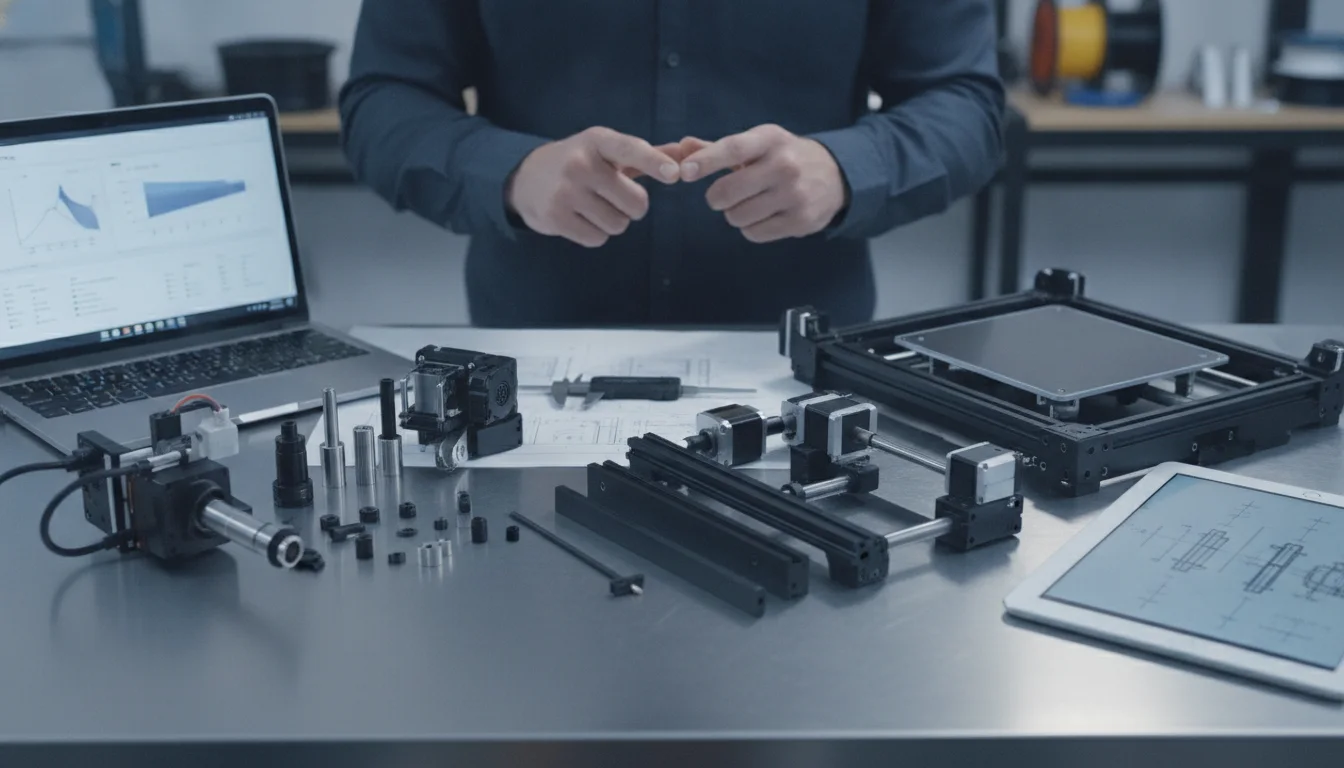
The journey to an optimized 3D printer is highly personal. There is no universally “best” hotend upgrade; the ideal choice depends on your specific printing habits, desired outcomes, and budget. To make the most informed decision, consider the following:
- Assess your current needs: Are you primarily printing PLA at moderate speeds, or do you frequently tackle engineering plastics and seek to drastically cut print times?
- Define your budget: Determine a realistic budget that includes not only the hotend itself but also any potentially required ancillary upgrades (extruder, cooling, mounting hardware).
- Research compatibility thoroughly: Verify that any potential upgrade is physically and electrically compatible with your existing printer. Look for community discussions or manufacturer documentation specific to your printer model.
- Weigh features against cost: A premium hotend with quick-change nozzles might offer unparalleled convenience, but its higher cost might not be justified if you rarely change nozzles or filament types. Conversely, a budget option might save money upfront but could lead to frustrations with clogs or limited performance.
- Consider long-term value: A slightly more expensive, well-engineered hotend might offer greater reliability, durability, and better performance in the long run, potentially saving you time and frustration compared to a cheaper, less robust option.
Upgrading your hotend is a significant step towards unlocking the full potential of your 3D printer. By carefully comparing the cost structures, features, and compatibility of various solutions, you can select an upgrade that aligns perfectly with your ambitions for maximum volumetric flow and increased print speed, transforming your printing experience.
Frequently asked questions
Will a high-flow hotend upgrade require me to also upgrade my extruder?
Yes, likely. The article notes that a high-flow hotend needs an extruder capable of consistently pushing filament at the required rates without slipping or grinding. Geared extruders or high-torque direct drive systems are often preferred, so if your current extruder is a basic Bowden setup, you may need to budget for an extruder upgrade alongside the hotend.
Can I use a CHT-style high-flow nozzle on my stock hotend without changing anything else?
Yes, but with a performance ceiling. The article explains that CHT-style nozzles increase heat transfer surface area inside the nozzle itself, allowing higher flow rates. However, a nozzle upgrade alone may still be limited by the melt zone capacity of your stock heater block, so you won’t get the full benefit of a complete high-flow hotend system.
Is it safe to print PLA above 250°C with a PTFE-lined hotend?
No. The article states that PTFE degrades above 240-250°C, releasing toxic fumes and causing clogs. If you need to print PLA at higher temperatures (for faster flow rates), you must switch to an all-metal heat break design, such as those made from stainless steel, titanium, or bi-metal materials.