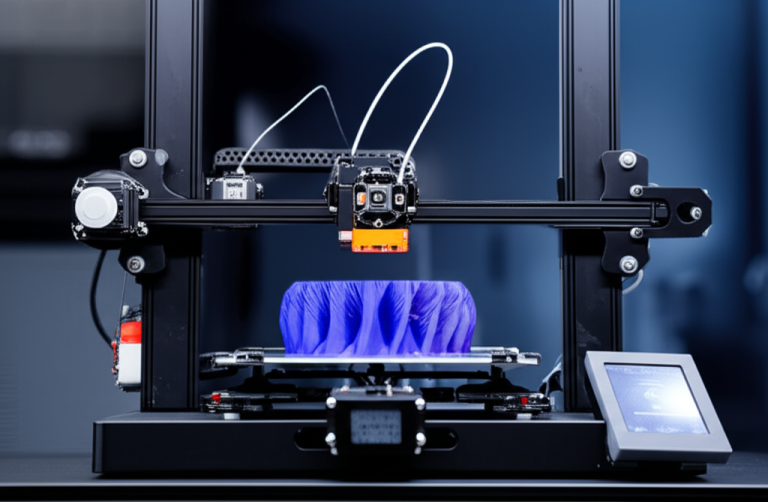
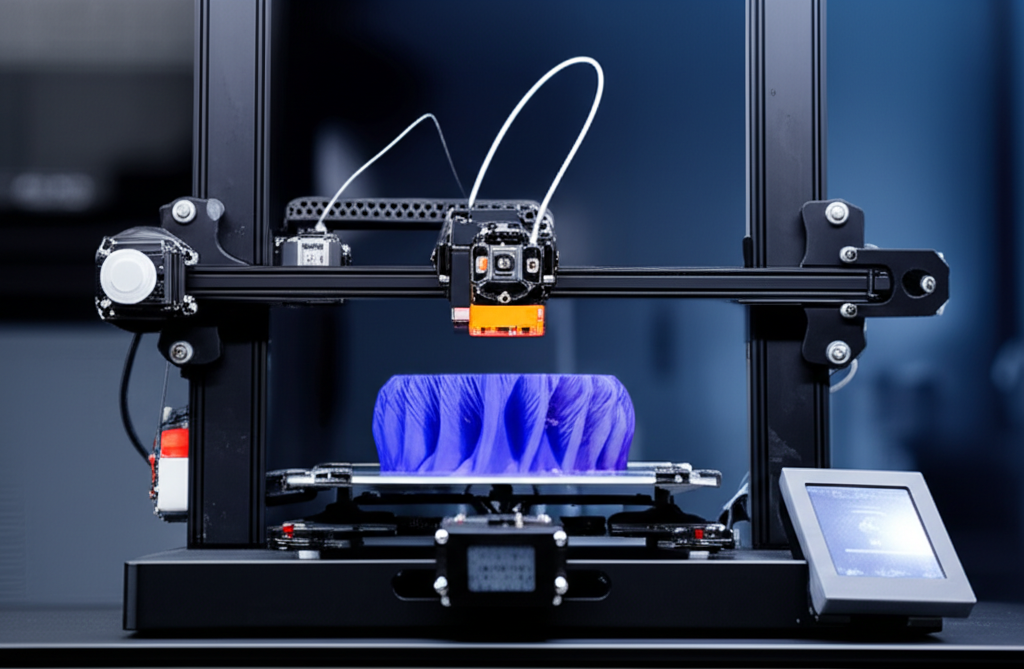
The allure of 3D printing is undeniable, transforming digital designs into tangible objects with remarkable ease. From intricate models to functional prototypes, the possibilities seem limitless. However, beneath the hum of stepper motors and the glow of hotends lies an often-overlooked, yet critical, aspect of this technology: fire safety. While rare, a 3D printer fire can be devastating, posing significant risks to property and, more importantly, life. Relying solely on a general smoke detector in the room is a good start, but it’s akin to bringing a knife to a gunfight when it comes to comprehensive protection. This guide delves into a multi-layered approach to 3D printer fire safety, moving beyond basic detection to a proactive fire prevention checklist, exploring various solutions, their cost implications, and features, to empower you to make informed decisions.
Understanding the inherent risks: why 3D printers catch fire
To effectively prevent fires, it’s crucial to understand their root causes. 3D printers combine several elements that, if not properly managed, can contribute to ignition:
Thermal runaway: the silent threat
Thermal runaway is arguably the most notorious culprit behind 3D printer fires. It occurs when the printer’s hotend or heated bed continues to heat uncontrollably, far beyond its set temperature, typically due to a faulty thermistor (temperature sensor) or a wiring issue. If the printer’s firmware lacks proper thermal runaway protection (a common feature in modern firmware like Marlin or Klipper), the heater will not shut off, leading to dangerously high temperatures that can ignite surrounding plastic components or even the filament itself.
The electrical system of a 3D printer is complex, with numerous connections, wires, and power-hungry components. Common electrical faults include:
- Loose connections: Especially at the power supply, heated bed, or hotend, these can create resistance, leading to localized overheating.
- Frayed or damaged wiring: Wires constantly moving with print heads can wear down, exposing conductive strands and causing short circuits.
- Inadequate power supply: An undersized or poor-quality power supply can overheat or fail catastrophically.
- Cheap components: Non-standard or low-quality electronic boards, connectors, and power supplies are often manufactured with lower safety tolerances.
Flammable materials: fuel for the fire
The very materials we print with are often flammable. Filaments like ABS, PETG, Nylon, and even PLA can ignite and sustain a fire once a sufficient ignition source is present. The plastics used in the printer’s frame, such as PLA or ABS, can also contribute to the fuel load.
Mechanical failures and human error
Extruder jams or hotend clogs can cause the hotend to remain at high temperatures for extended periods without filament flow, potentially leading to material degradation and ignition. Furthermore, human error, such as leaving a printer unattended for long prints, improper maintenance, or using incompatible parts, significantly increases risk.
The proactive prevention checklist: foundations of safety
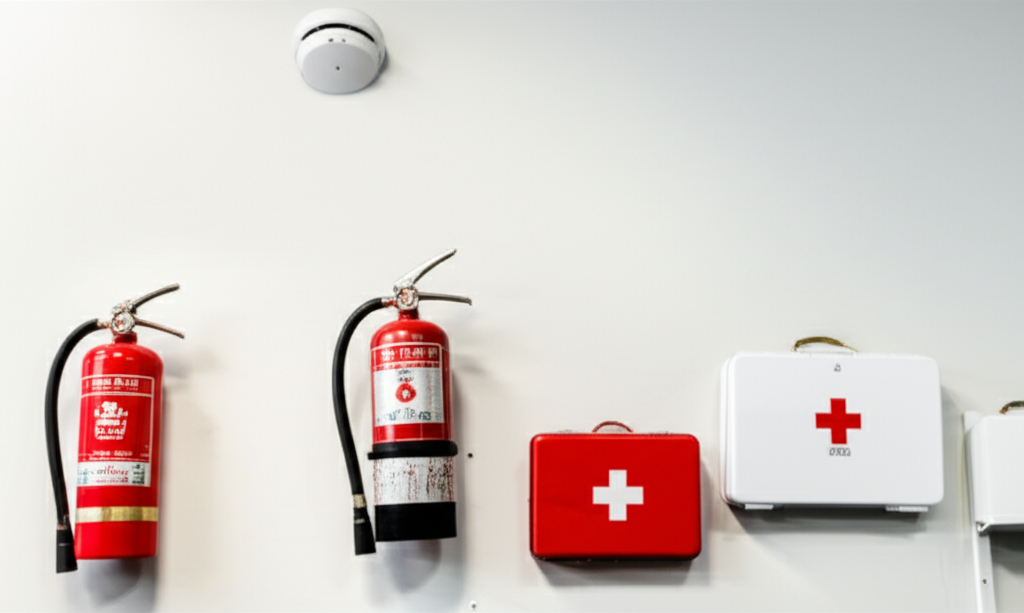
Prevention is always better than cure. Implementing a robust fire prevention checklist is your first and most critical line of defense.
Component quality and regular maintenance
- Invest in quality components: When upgrading or replacing parts, opt for reputable brands, especially for critical components like power supplies, hotends, and wiring. Cheap knock-offs often cut corners on safety.
- Regular inspections: Periodically check all wiring for signs of wear, fraying, or loose connections. Ensure all connectors are securely seated. Inspect fans for proper operation and thermistors for physical damage.
- Firmware protection: Verify that your printer’s firmware has thermal runaway protection enabled. If you’re using custom firmware, ensure this feature is active and correctly configured.
- PID tuning: Perform PID (Proportional-Integral-Derivative) tuning for your hotend and heated bed. This calibration helps the printer maintain a stable temperature, reducing fluctuations that can stress components.
- Cleanliness: Regularly clean your printer to remove dust, filament debris, and any spilled material that could act as fuel or interfere with electrical components.
Environmental control
- Strategic placement: Position your 3D printer away from any flammable materials like curtains, paper, or solvents. Ensure there’s adequate clear space around the printer.
- Ventilation: While not directly a fire prevention measure, good ventilation helps dissipate heat and fumes, creating a safer overall environment.
- Power considerations: Connect your printer to a dedicated electrical circuit if possible, or at least ensure it’s not overloading an existing one. Use a high-quality surge protector. For critical applications, some users consider an Uninterruptible Power Supply (UPS) to protect against power fluctuations, though this adds significant cost (from hundreds to thousands of dollars depending on capacity) and is primarily for print reliability rather than fire safety.
- Ambient temperature: Operate the printer in a stable, moderate ambient temperature environment. Extreme heat can stress components.
Operational best practices
- Never leave unattended for long prints: This is perhaps the most crucial rule. While short prints might be acceptable to monitor remotely, long prints should ideally be supervised or performed with robust monitoring and automatic shutdown systems in place.
- Proper filament storage: Store filament in a cool, dry place, away from direct sunlight and heat sources, to prevent degradation and reduce flammability risks.
- Understand material properties: Be aware of the specific properties of the filaments you use, including their melting and ignition temperatures.
Enhancing safety: printer enclosures and their role
Printer enclosures serve multiple purposes, from improving print quality for certain materials to containing noise and fumes. Crucially, they can also play a vital role in fire safety by containing a fire, limiting its oxygen supply, and providing a mounting point for detection and suppression systems.
Benefits of enclosures for fire safety
- Fire containment: A well-designed enclosure can contain a small fire, preventing it from spreading to surrounding areas.
- Oxygen starvation: By limiting airflow, an enclosure can help starve a fire of oxygen, potentially extinguishing it or slowing its spread.
- Fume management: Enclosures, especially those with filtration, can contain and filter hazardous fumes produced by burning plastics.
- Integration platform: They offer an ideal space to integrate dedicated fire detection and suppression systems directly within the printer’s immediate environment.
Types of enclosures and their cost/feature comparison
The cost and features of enclosures vary widely, reflecting different levels of safety and convenience:
DIY solutions (e.g., IKEA Lack, custom wood/acrylic builds)
- Cost structure: Generally the lowest cost, ranging from $50-$200, depending on materials. Utilizes readily available, inexpensive components.
- Features: Basic physical containment. Offers some degree of fire containment and fume management if sealed. Often requires manual additions for safety features.
- Analysis: A good starting point for budget-conscious users. However, fire resistance of materials (e.g., MDF, acrylic) can be a concern, and they rarely offer active safety features without significant modification. Their effectiveness in containing a serious fire is limited without further hardening.
Off-the-shelf basic enclosures
- Cost structure: Moderate, typically $200-$500. These are pre-designed and often come as kits.
- Features: Better construction and material choices (e.g., aluminum frames, fire-retardant panels). Improved sealing. May include basic ventilation ports. Rarely include active fire suppression.
- Analysis: Offers a step up in safety and convenience compared to DIY. Materials are generally more robust. Still requires separate integration of fire detection and suppression systems for comprehensive protection.
Advanced enclosures with integrated fire suppression
- Cost structure: High, ranging from $500 to well over $1500, especially for industrial-grade or specialized units.
- Features: Designed with fire-resistant materials, often metal or high-temperature plastics. Crucially, they integrate active fire detection (smoke/heat sensors) and suppression systems (e.g., aerosol or clean agent). May include remote monitoring, automatic power cut-off, and filtered ventilation.
- Analysis: Represents the highest level of integrated safety. While the upfront cost is significant, these systems offer peace of mind and automated protection, making them ideal for unattended operation or professional environments. The value proposition lies in comprehensive, automated risk mitigation.
Active fire detection and suppression systems
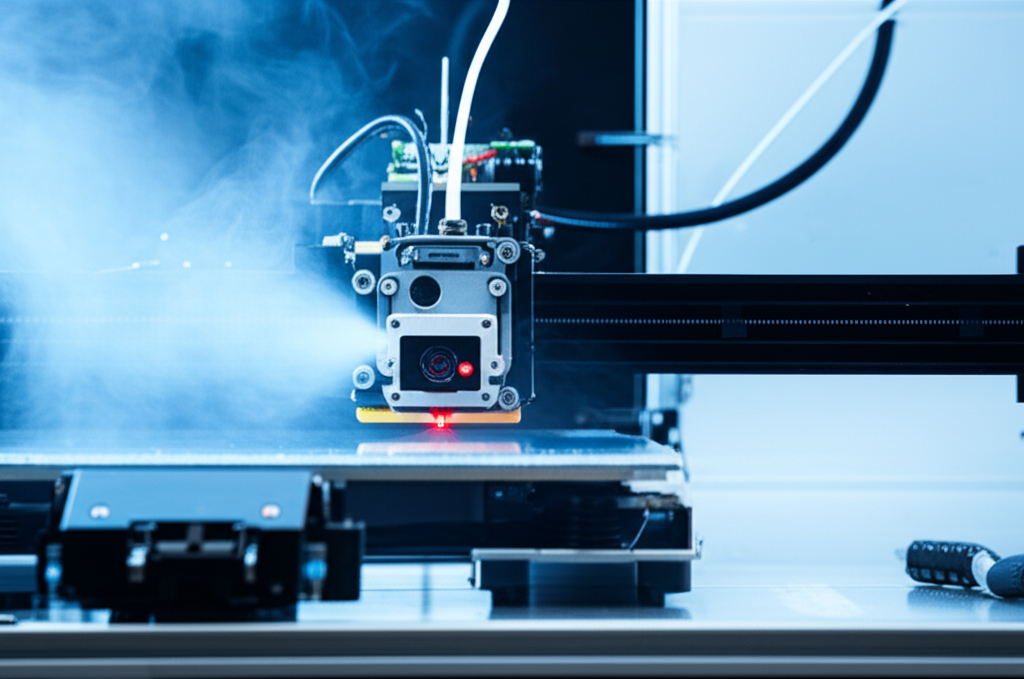
Even with the best prevention, accidents can happen. This is where active detection and suppression systems come into play, offering a critical layer of defense.
Types of detection systems
- Standard smoke detectors:
- Cost: Low ($15-$50).
- Features: Widely available, easy to install. Ionization detectors are good for fast-flaming fires, photoelectric for smoldering fires.
- Analysis: Essential for the room, but may not detect a small, contained printer fire quickly enough, especially within an enclosure, or could be prone to false alarms from printing fumes if placed too close.
- Heat detectors:
- Cost: Low-moderate ($30-$100).
- Features: Respond to a specific temperature (fixed-temperature) or a rapid rise in temperature (rate-of-rise). Less prone to false alarms from print fumes than smoke detectors.
- Analysis: More suitable for direct placement within an enclosure. They detect the thermal signature of a fire, which is a primary risk from 3D printers. May be slower to react than flame detectors.
- Flame detectors (IR, UV):
- Cost: Moderate-high ($100-$500+).
- Features: Detect the infrared (IR) or ultraviolet (UV) radiation emitted by flames, offering very fast detection.
- Analysis: Excellent for rapid response, but can be more complex to install and calibrate to avoid false alarms from ambient light or reflections, especially within a confined enclosure. Their cost makes them a more specialized choice.
Types of automatic fire suppression systems
These systems are designed to extinguish a fire without human intervention, often triggered by a detection system. Their effectiveness, cost, and impact on the printer vary significantly.
Manual fire extinguishers
- Cost: Low ($20-$60 for a small unit).
- Features: Requires human presence and intervention. CO2 extinguishers are good for electronics (no residue), while ABC dry chemical extinguishers are versatile but leave a corrosive residue. Water mist extinguishers are also suitable for electronics.
- Analysis: An absolute must-have for any workshop, but not an automatic solution for an unattended printer. The residue from dry chemical extinguishers can severely damage electronics.
Aerosol-based suppression systems
- Cost structure: Moderate for standalone units ($100-$300), higher for integrated, larger systems.
- Features: Compact, non-toxic, environmentally friendly, and leave minimal residue. They work by releasing a fine particulate aerosol that chemically interferes with the fire chain reaction. Effective in enclosed spaces.
- Mechanism: Upon activation (often by heat or electrical signal), they generate an aerosol that rapidly fills the enclosed volume, extinguishing the fire.
- Analysis: A strong contender for printer enclosures. Brands like Stat-X or FirePro offer robust solutions, and smaller, consumer-grade aerosol cans (e.g., self-activating fire extinguisher balls or sticks) are also available. They are generally safe for electronics, though some minor cleanup might be required.
Gas-based clean agent suppression systems (e.g., Novec 1230, FM-200, CO2)
- Cost structure: High ($500-$2000+), often requiring professional installation and a well-sealed enclosure.
- Features: Considered ‘clean agents’ because they leave no residue, making them ideal for protecting sensitive electronics. They work by removing heat or oxygen from the fire triangle. Rapid suppression.
- Mechanism: Stored under pressure, they are rapidly discharged into the enclosure upon detection, displacing oxygen or absorbing heat.
- Analysis: Offers superior protection with no collateral damage to the printer, but the high cost and requirement for a tightly sealed enclosure make them more suitable for professional labs, server rooms, or high-value industrial 3D printing setups rather than typical home users. CO2 systems are effective but pose an asphyxiation risk in occupied spaces.
Fire extinguisher tubes (e.g., BlazeCut, Firetrace)
- Cost structure: Low-moderate ($50-$150).
- Features: Self-activating, flexible tube filled with an extinguishing agent (often CO2 or a clean agent). Designed for targeted protection within small, enclosed spaces like electrical cabinets or printer enclosures.
- Mechanism: The tube ruptures when exposed to a specific temperature, releasing the extinguishing agent directly onto the source of the fire.
- Analysis: A cost-effective and relatively simple automatic solution. They offer targeted suppression and are easy to install. While effective for localized fires, they might not fully saturate a larger enclosure.
Integrating solutions for comprehensive protection
The world’s first desktop full-color 3D & UV printer. Back the Kickstarter campaign with a refundable $50 deposit for VIP pricing.
No single solution provides absolute protection. The most effective strategy involves a layered approach, combining prevention, detection, and suppression tailored to your specific setup, risk tolerance, and budget.
- Smart home integration: Consider smart smoke detectors that send alerts to your phone. Smart plugs can be linked to these detectors or remote monitoring systems to automatically cut power to the printer upon detection of a fire or anomaly.
- Remote monitoring: IP cameras allow you to visually monitor your printer from anywhere. Some advanced systems offer thermal cameras to detect hot spots before they escalate.
- Automatic power cut-off: Integrate a thermal runaway detection system or an enclosure-based fire detection system with a power relay or smart plug to automatically cut power to the printer if a fire or critical overheating event is detected. This is a crucial step to prevent escalation.
Legal and insurance considerations

While often overlooked, understanding the implications of 3D printer fire safety on your home insurance policy is important. Some policies might have clauses regarding unattended operation of machinery or modifications to electrical systems. It’s advisable to consult with your insurance provider to ensure you are adequately covered. For commercial or makerspace environments, local fire codes and regulations will likely dictate specific safety measures.
Conclusion

The journey into 3D printing is an exciting one, but it comes with responsibilities. A proactive approach to 3D printer fire safety is not just about protecting your investment; it’s about safeguarding your home, workshop, and loved ones. By understanding the risks, implementing robust prevention measures, and objectively evaluating the features and cost structures of various detection and suppression systems, you can build a comprehensive safety strategy.
There is no one-size-fits-all solution; the ideal setup depends on your individual risk assessment, the value of your equipment, your budget, and whether your printer operates attended or unattended. Whether you opt for a simple fire extinguisher tube within a DIY enclosure or a sophisticated, integrated clean agent system, remember that every step taken towards enhancing safety is an investment in peace of mind. Stay vigilant, stay informed, and print safely.
Frequently asked questions
Will a standard smoke detector placed in the same room as my 3D printer be enough to protect against a fire?
No, a standard room smoke detector is a good start but insufficient on its own. It may not detect a fire quickly if it’s small and contained inside a printer enclosure, and it can also be prone to false alarms from normal printing fumes if placed too close. For comprehensive protection, you need a layered approach that includes prevention, active detection (such as a heat detector inside the enclosure), and an automatic suppression system.
What is the cheapest automatic fire suppression option for a 3D printer enclosure?
The most cost-effective automatic suppression option is a fire extinguisher tube, such as BlazeCut or Firetrace, which costs between $50 and $150. These self-activating tubes are filled with an extinguishing agent and rupture when exposed to a specific temperature, releasing the agent directly onto the fire source. They are easy to install and provide targeted protection within an enclosure without requiring human intervention.
Can I leave my 3D printer running unattended overnight if I have an enclosure with a fire suppression system?
While an advanced enclosure with integrated fire detection and suppression significantly reduces risk, no system provides absolute protection. The article emphasizes that never leaving a printer unattended for long prints is the most crucial rule, and even with robust automated protection, unattended operation carries inherent risk. For maximum safety, you should also integrate remote monitoring (e.g., an IP camera) and an automatic power cut-off that kills power to the printer when a fire is detected.