3D printing, while incredibly rewarding, often presents its own set of challenges. Among the most common and frustrating is poor bed adhesion, leading to warped prints, failed attempts, and wasted filament. While a simple glue stick might suffice for some basic prints, achieving consistent, high-quality results, especially with more demanding materials or complex geometries, often requires a deeper dive into advanced bed surface preparation techniques. This guide explores various bed adhesion solutions, offering an objective comparison of their features, maintenance requirements, and cost structures, empowering you to make an informed decision for your specific printing needs.
Understanding the basics of bed adhesion
Effective bed adhesion is crucial for successful 3D prints. It ensures the first layer sticks firmly to the build plate, providing a stable foundation for subsequent layers. Factors influencing adhesion include the build plate material, its cleanliness, temperature settings, and the type of filament used. Different materials react differently to various surfaces and temperatures, making a “one-size-fits-all” solution elusive for many enthusiasts and professionals alike.
Common build plate materials and their characteristics
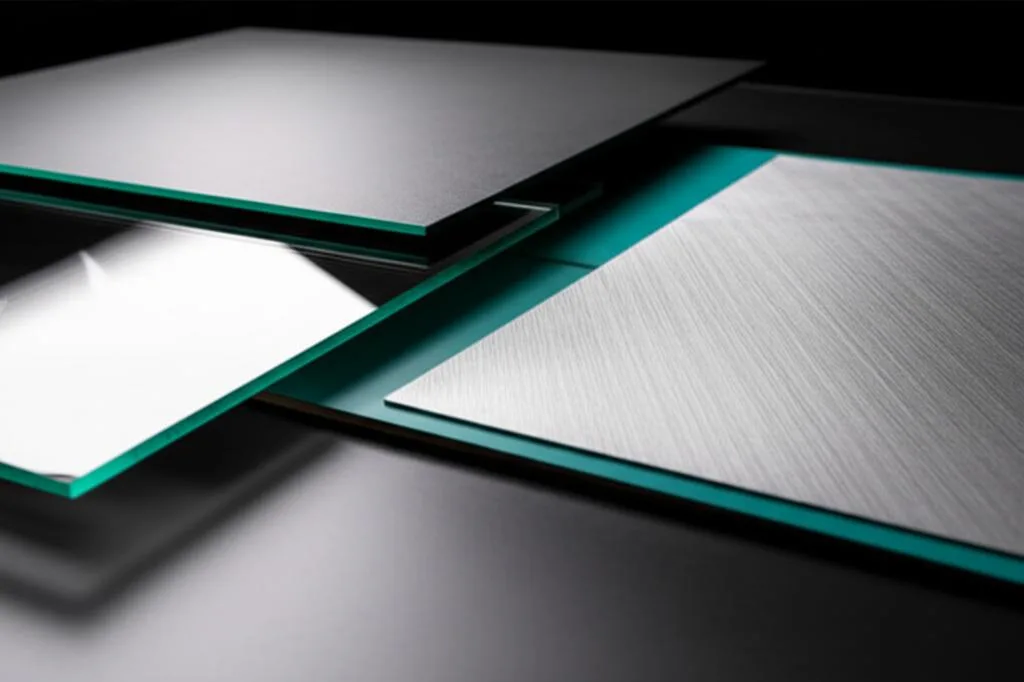
The foundation of any good bed adhesion strategy begins with the build plate itself. Modern 3D printers utilize a variety of materials, each with distinct properties affecting print adhesion and release. Understanding these differences is key to optimizing your print surface preparation.
Smooth PEI (Polyetherimide) sheets
Smooth PEI sheets are a popular choice, known for excellent adhesion with a wide range of filaments, particularly PLA, PETG, and ABS. They offer a pristine, glossy finish to the bottom of prints. The initial investment for a quality PEI sheet can vary, but their durability often justifies the cost over time. Proper PEI sheet care involves wiping with isopropyl alcohol (IPA) between prints to remove oils and residues. For stubborn adhesion issues, light sanding with fine-grit sandpaper can rejuvenate the surface, though this is not a frequent requirement. While generally self-releasing once the bed cools, some users might occasionally resort to mild build plate adhesives for very challenging materials.
Textured PEI or powder-coated plates
Textured plates, often powder-coated PEI on a spring steel sheet, have gained significant traction. They provide a unique matte finish to prints and are excellent for adhesion, especially for materials prone to warping. The textured surface creates micro-pockets for the filament to grip, enhancing adhesion without requiring additional adhesives for many materials. Cost-wise, they are often comparable to or slightly more expensive than smooth PEI sheets. Maintenance is similar to smooth PEI, primarily involving IPA cleaning. The textured surface is quite resilient, making them a durable option. However, some filaments, like PETG, can sometimes stick too well, potentially damaging the surface upon removal if not careful, highlighting the importance of proper temperature management and print release techniques.
Glass build plates
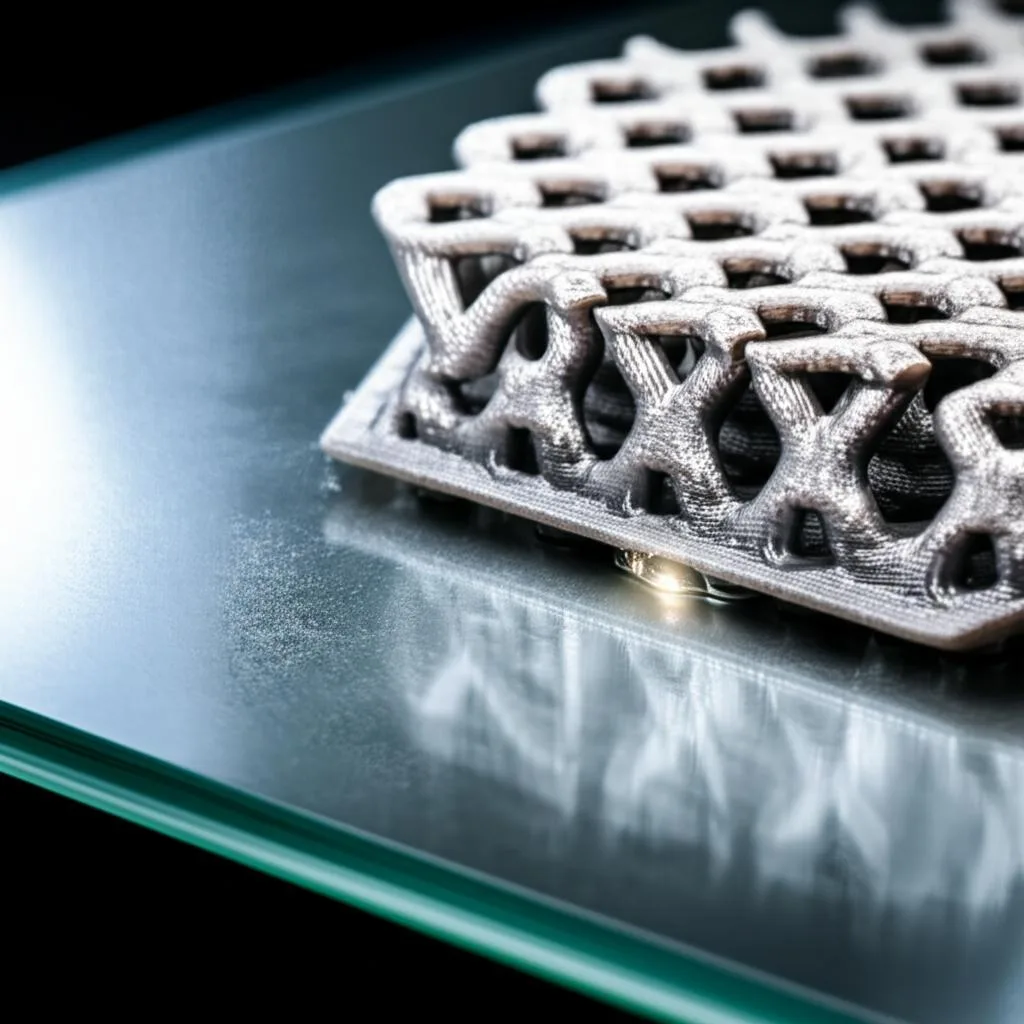
Glass plates, including borosilicate glass or specialized coated glass (e.g., ultrabase), offer a perfectly flat and rigid surface, which is crucial for achieving a smooth first layer. Their cost is generally lower than PEI sheets, making them an attractive entry-level option. Adhesion on plain glass often requires the use of build plate adhesives such as glue stick, hairspray, or specialized liquid adhesion solutions. While these adhesives add a recurring cost and an extra step to print surface preparation, they offer flexibility in tuning adhesion levels for different filaments. Cleaning typically involves washing with soap and water, followed by IPA. The primary drawback can be print removal, as some materials adhere very strongly to glass, especially when hot, potentially causing damage to the print or the bed itself.
Flexible steel sheets (various coatings)
Beyond PEI, flexible steel sheets can come with various other coatings like PC (Polycarbonate) or specialized engineering plastics. These offer the convenience of print removal by simply flexing the plate, reducing the risk of damaging prints or the bed. The cost can vary significantly depending on the coating and brand. Each coating has specific adhesion characteristics and maintenance needs. For instance, PC sheets might offer excellent adhesion for certain technical filaments but require more delicate handling and cleaning to prevent scratches. The primary benefit is the ease of print removal, often eliminating the need for scrapers and reducing post-processing time. However, the surface might be less durable than PEI in some cases, potentially leading to a shorter lifespan if not properly maintained.
Advanced print surface preparation techniques
Beyond choosing the right build plate, optimizing your print surface preparation involves a combination of cleaning, temperature management, and, if necessary, the judicious use of bed adhesion solutions.
Cleaning and maintenance for optimal adhesion
- Isopropyl alcohol (IPA): A staple for cleaning most print surfaces. Regular wiping with 70-99% IPA removes oils, fingerprints, and residues that can compromise adhesion. It’s generally inexpensive and evaporates quickly.
- Soap and water: For more stubborn grime on glass or heavily soiled PEI, a thorough wash with dish soap and warm water can be effective. Ensure the surface is completely dry before printing.
- Acetone: Use with extreme caution and only on surfaces known to be compatible (e.g., bare glass). Acetone can damage PEI and other coatings. It’s highly effective for removing ABS or ASA residues but should be a last resort.
- Sanding/scuffing: For smooth PEI, a very light scuffing with fine-grit sandpaper (e.g., 600-1000 grit) can restore adhesion by creating micro-abrasions. This is not a routine procedure and should be done sparingly.
Exploring various build plate adhesives
While many surfaces offer good inherent adhesion, certain filaments or complex prints may benefit from additional help. The choice of adhesive impacts both performance and recurring costs.
- Glue sticks: Widely available and inexpensive, glue sticks (PVA-based) are effective for PLA and some PETG. They create a sacrificial layer, aiding adhesion and often print release. The recurring cost is minimal, but application can be messy and requires reapplication for each print.
- Hairspray: An economical option, hairspray (often unscented, extra-hold) can be sprayed onto glass beds. It forms a thin, even layer. Like glue sticks, it adds a recurring cost and requires reapplication. Caution is needed to avoid spraying printer components.
- Specialized liquid adhesion solutions: Brands like Magigoo or 3DLac offer purpose-built liquid adhesives for various filament types. These are typically more expensive per bottle but often last longer and provide superior, more consistent adhesion compared to generic alternatives. They are designed for specific material compatibility, offering targeted bed adhesion solutions for challenging plastics.
- Kapton tape/Blue painter’s tape: These tapes can be applied directly to a build plate, offering a new surface. Kapton tape is excellent for high-temperature filaments like ABS, while blue painter’s tape works well for PLA. The cost involves the tape rolls and the time for application and replacement.
Cost implications and decision-making
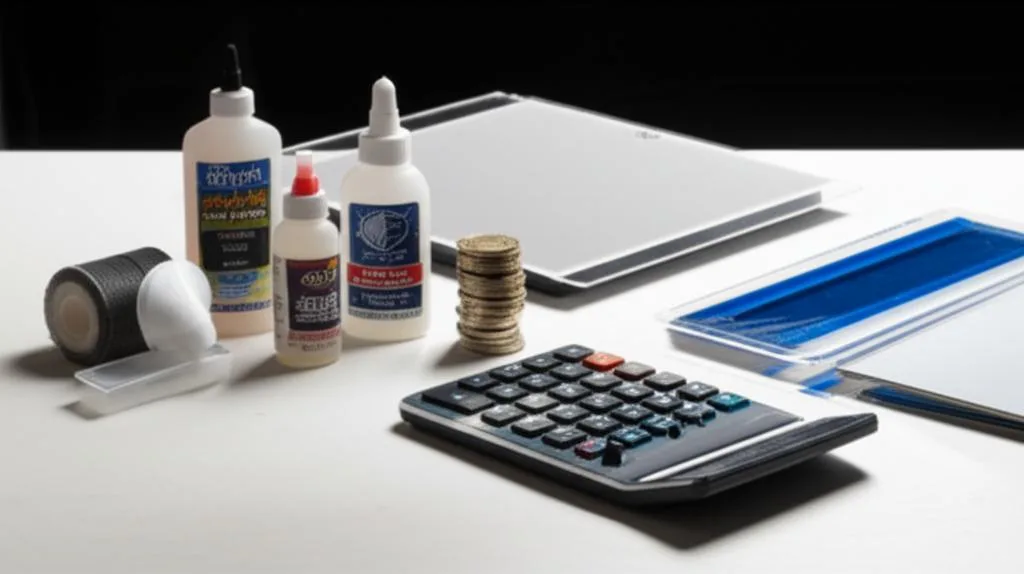
When evaluating different bed adhesion solutions, it’s essential to consider both the initial investment and ongoing operational costs. A cheaper upfront option might accrue higher long-term expenses through recurring adhesive purchases or frequent replacement of less durable surfaces.
- Initial investment: Glass plates generally have the lowest initial cost, followed by smooth PEI sheets, and then often textured PEI or specialized flexible sheets. The quality and brand significantly influence these prices.
- Maintenance and recurring costs: Surfaces requiring external adhesives (like glass with glue stick/hairspray) will have continuous costs. PEI sheets, while having a higher initial cost, typically have lower recurring costs due to minimal adhesive requirements and longer lifespan with proper PEI sheet care.
- Durability and replacement: The lifespan of a build plate varies. Glass can chip or break. PEI surfaces can degrade over time or be damaged by improper scraping or certain filaments. Flexible steel sheets offer durability but their coatings can still wear. Factor in potential replacement costs over the printer’s lifetime.
- Filament compatibility: Some solutions excel with specific filaments. If you primarily print PLA, a basic setup might suffice. For a diverse range of materials, a more versatile or specialized surface, potentially combined with targeted build plate adhesives, might be more cost-effective in the long run by reducing print failures.
Choosing the right solution for your needs
Navigating the myriad of bed adhesion solutions requires a thoughtful approach, balancing performance, maintenance, and cost. There isn’t a single “best” option, but rather a spectrum of choices that cater to different printing habits, material preferences, and budgets. By objectively comparing the features of smooth PEI, textured plates, glass, and flexible sheets, alongside the operational costs and benefits of various build plate adhesives and diligent print surface preparation, you can equip yourself with the knowledge to make an informed decision. Consider your most frequently used filaments, your willingness to perform regular maintenance, and your budget to select the bed adhesion strategy that will consistently deliver successful prints and enhance your 3D printing experience.
Frequently asked questions
Will using acetone on a textured PEI plate damage it?
Yes. The article explicitly warns that acetone can damage PEI and other coatings, and should be used only on surfaces known to be compatible, such as bare glass. For textured PEI or powder-coated plates, stick to isopropyl alcohol (IPA) cleaning between prints to avoid ruining the surface.
Can I use glue stick on a smooth PEI sheet, or does that defeat the purpose?
You can, but it is rarely necessary. Smooth PEI sheets are designed for excellent adhesion with PLA, PETG, and ABS without additional adhesives. The article notes that some users might occasionally resort to mild adhesives for very challenging materials, but for most prints, a simple IPA wipe is sufficient and keeps recurring costs near zero.
What is the cheapest long-term bed adhesion setup for someone who only prints PLA?
For PLA-only printing, a smooth PEI sheet offers the best long-term value. While its initial cost is higher than a glass plate, PEI requires no recurring adhesive purchases and has a long lifespan with proper care (IPA wiping). Glass plates, though cheaper upfront, require buying glue sticks or hairspray for every print, adding ongoing costs that can exceed the price of a PEI sheet over time.