
The automotive industry, a realm defined by relentless innovation and demanding production timelines, has historically relied on a meticulous yet often protracted prototyping process. Traditional methods, involving extensive tooling, machining, and manual labor, could stretch design cycles for months, if not years, leading to significant financial outlays and a slower response to market demands. However, the advent of additive manufacturing, commonly known as 3D printing, has ushered in a transformative era for automotive rapid prototyping, fundamentally reshaping how vehicles are conceived, developed, and refined. This paradigm shift not only dramatically compresses timelines but also introduces unparalleled flexibility and efficiency, ultimately driving faster car development and substantial prototyping cost reduction.
The paradigm shift to additive manufacturing in automotive
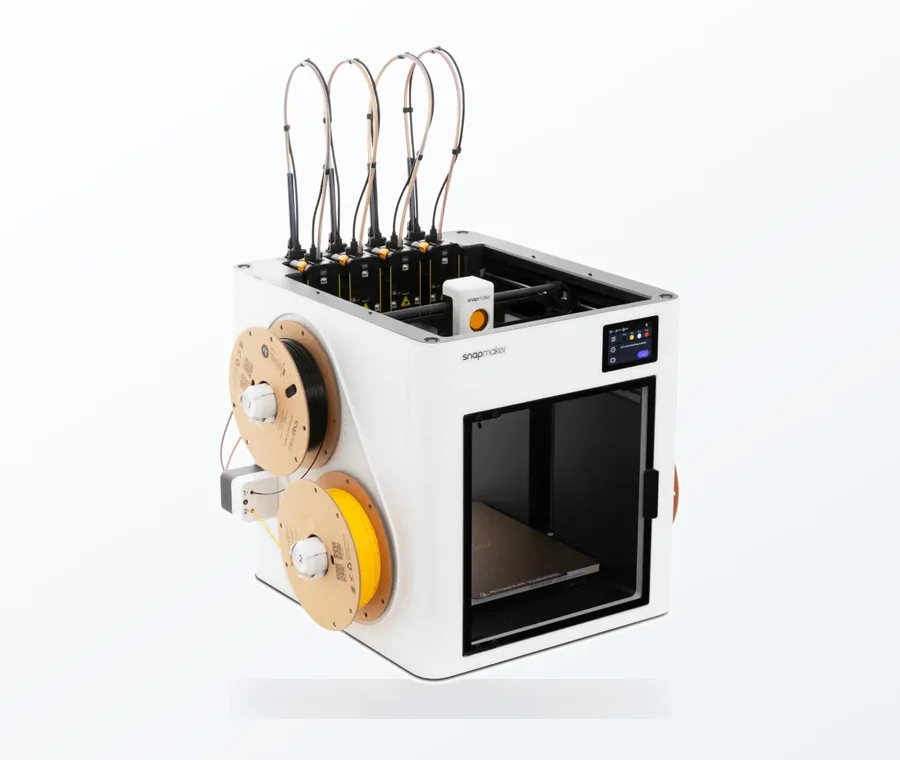
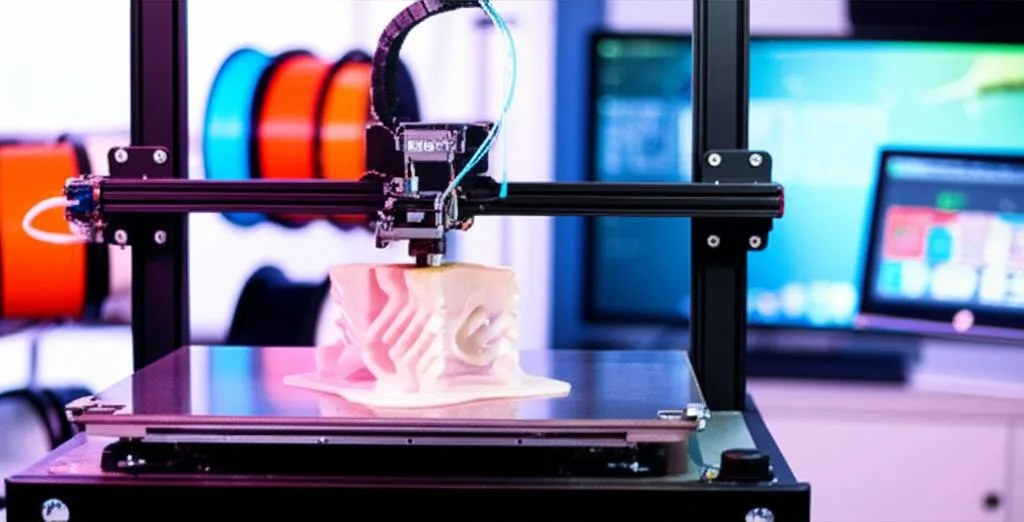
The consumer toolchanger 3D printer: the SnapSwap 4-toolhead system swaps heads in 5 seconds for true multi-color and multi-material printing, with smart calibration and auto filament loading.
- 4 toolheads · 5 s swap
- Up to 500 mm/s · 20,000 mm/s²
- 270 mm cube build volume
- Multi-color & multi-material
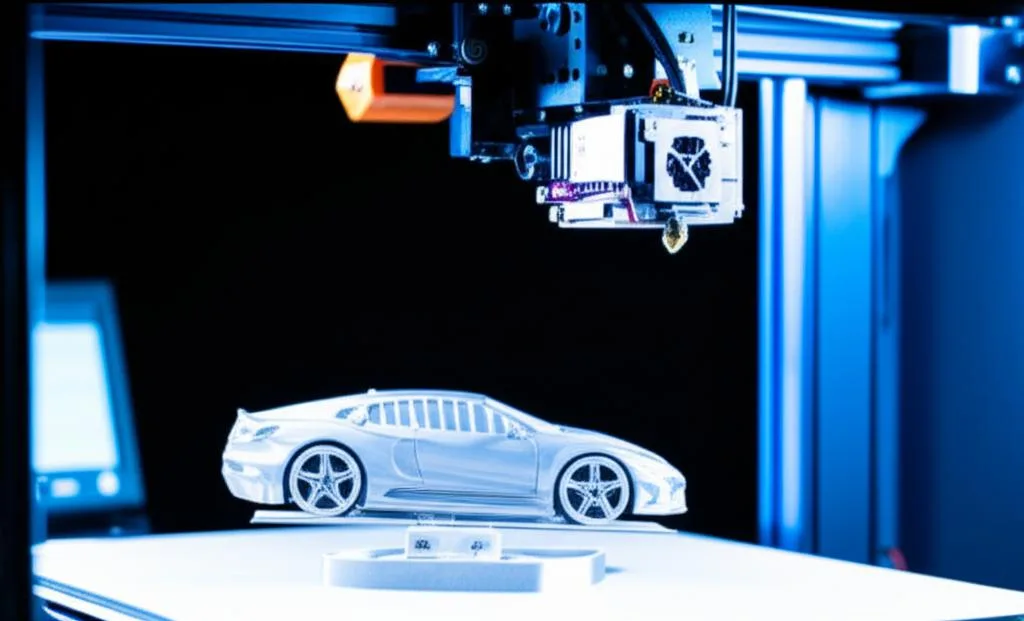
For decades, creating physical prototypes of automotive components was a highly specialized and often bottlenecked stage in the design process. Machining complex parts from solid blocks of material or fabricating molds for injection molding were time-consuming and expensive endeavors. Each design iteration necessitated a new set of tools or a repeat of the labor-intensive process, making experimentation costly and slow. 3D printing, by contrast, builds parts layer by layer directly from a digital design file. This ‘additive’ approach eliminates the need for expensive tooling, significantly reduces material waste, and allows for immediate translation of CAD models into physical objects. The agility offered by this technology has become indispensable for manufacturers striving to remain competitive in a rapidly evolving market, where quick iterations and validated designs are paramount.
Key advantages of 3D printing in automotive prototyping
The benefits of integrating 3D printing into the automotive design workflow are multifaceted, extending beyond mere speed to encompass cost, design freedom, and material versatility.
Unprecedented speed and agility
- Rapid iteration cycles: One of the most compelling advantages is the ability to produce prototypes within hours or days, rather than weeks or months. This dramatically accelerates 3D printing design cycles, allowing engineers to test, evaluate, and refine designs with unprecedented speed. A faulty design can be identified, modified in CAD, and a new prototype printed overnight, turning what was once a lengthy setback into a minor blip.
- Concurrent engineering: Faster prototyping facilitates concurrent engineering, where different teams can work on various components simultaneously, knowing that physical validation is just a print away. This parallel development significantly shortens the overall time to market for new vehicles or features.
- Reduced lead times: From initial concept to final production, every stage benefits from the expedited delivery of physical models, ensuring that design decisions are based on tangible, testable parts rather than purely virtual simulations.
Significant cost efficiencies
- Elimination of tooling costs: Traditional prototyping often requires expensive molds or specialized jigs and fixtures. 3D printing bypasses these upfront tooling costs entirely, making it economically viable to produce even single-part prototypes. This is a massive driver for prototyping cost reduction, especially for early-stage development and low-volume components.
- Reduced material waste: Additive manufacturing builds parts by adding material only where it’s needed, resulting in minimal waste compared to subtractive methods like machining, which generate significant scrap.
- Lower labor costs for iterations: The automated nature of 3D printing reduces the manual labor associated with traditional prototyping, particularly for iterative changes. Once a design is uploaded, the printer does the work, freeing up engineers for higher-value tasks.
- Earlier problem detection: By enabling quicker physical validation, 3D printing helps identify design flaws or fitment issues much earlier in the development process. Catching these problems before expensive tooling is committed to production can save millions in rework and recall costs down the line.
Unleashing design complexity
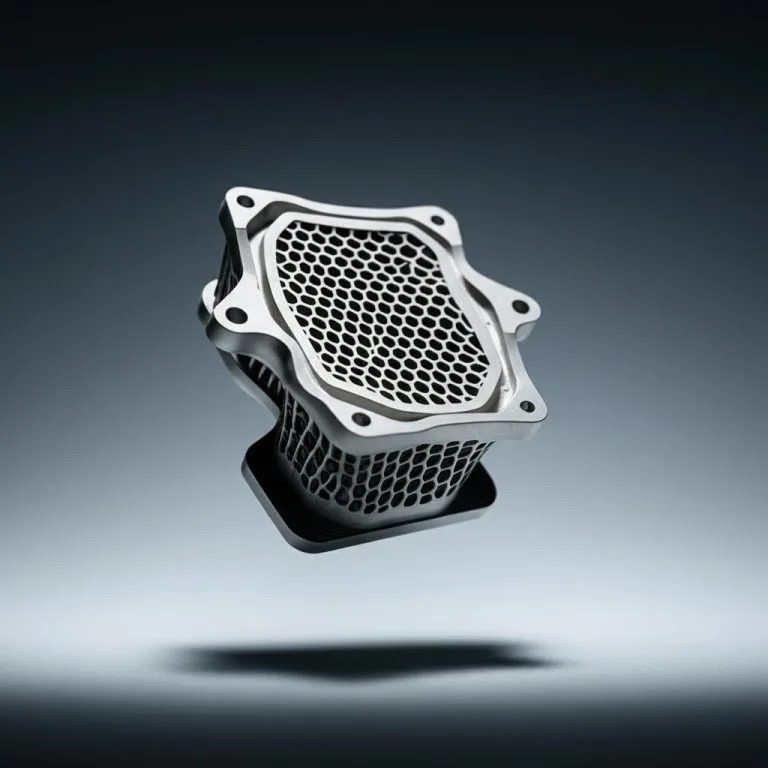
- Geometric freedom: 3D printing can produce highly complex geometries, intricate internal structures, and organic shapes that would be impossible or prohibitively expensive to create with conventional manufacturing methods. This allows designers to optimize parts for weight reduction, improved airflow, or enhanced structural integrity without being constrained by manufacturing limitations.
- Consolidation of parts: Complex assemblies can often be consolidated into a single 3D-printed component, reducing part count, simplifying assembly, and improving overall reliability.
- Functional integration: Features like channels for fluid flow, integrated mounts, or custom textures can be incorporated directly into the part during the printing process, enhancing functionality.
Material versatility for diverse applications
Modern 3D printing technologies support a wide array of materials, from various plastics and composites to high-performance metals. This versatility means that prototypes can be created with properties closely matching those of the final production part, allowing for more accurate functional testing. Whether it’s a flexible dashboard component, a rigid engine bracket, or a heat-resistant exhaust manifold, there’s likely a 3D printable material that can simulate its properties.
Applications across the automotive prototyping lifecycle
3D printing’s utility spans the entire automotive design and development pipeline, from initial sketches to pre-production validation.
Concept verification and ergonomics
At the earliest stages, 3D printing is invaluable for creating conceptual models and mock-ups. Designers can quickly print full-scale or scaled models of interior components, dashboard layouts, or exterior styling elements to assess aesthetics, ergonomics, and spatial relationships. This tactile feedback is crucial for making informed decisions before committing to detailed engineering. For instance, a steering wheel design can be printed and held, providing a real-world feel that a screen rendering cannot replicate.
Functional testing and performance validation
Perhaps the most critical application is the creation of functional prototypes. These are not merely visual aids but working parts used for rigorous testing. Examples include:
- Engine components: Intake manifolds, air ducts, fluid reservoirs, or even complex turbocharger impellers can be printed for fitment checks, airflow analysis, and some forms of performance testing.
- Interior parts: Prototypes of HVAC ducts, switchgear, console components, or trim pieces can be tested for snap-fit accuracy, durability, and user interaction.
- Aerodynamic components: Scale models or even full-size sections of body panels, spoilers, or diffusers can be printed for wind tunnel testing, allowing engineers to optimize vehicle aerodynamics efficiently.
- Chassis and suspension parts: While not always suitable for load-bearing critical components in their final material, prototypes can be used for spatial validation and assembly checks.
Jigs, fixtures, and manufacturing aids
Beyond direct part prototyping, 3D printing plays a significant role in creating custom jigs, fixtures, and tools for the assembly line. These aids are crucial for ensuring precision and repeatability in manufacturing processes. 3D-printed tools are lighter, often more ergonomic, and can be produced much faster and at a lower cost than traditionally machined alternatives. This application indirectly contributes to prototyping cost reduction by optimizing manufacturing setup and reducing errors.
Bridging to low-volume production
For specialized vehicles, limited editions, or aftermarket parts, 3D printing can even serve as a bridge to low-volume production. When traditional tooling costs are prohibitive for small runs, additive manufacturing offers a viable alternative, providing bespoke parts without the massive upfront investment. This flexibility is a game-changer for niche markets and custom vehicle builders.
While 3D printing offers inherent cost advantages over traditional methods, it’s important to understand that the world of additive manufacturing itself encompasses diverse technologies, each with its own cost structure, material capabilities, and suitability for different prototyping needs. The choice of technology significantly impacts the final cost per part, lead time, and the properties of the prototype.
Stereolithography (SLA) and Digital Light Processing (DLP)
- Process: These technologies use a laser (SLA) or a projector (DLP) to cure liquid photopolymer resin layer by layer.
- Features: Known for high resolution, smooth surface finishes, and intricate details. Ideal for aesthetic models, concept verification, and highly detailed functional prototypes where precision is paramount.
- Cost implications: Resins can be relatively expensive. Post-processing (washing, UV curing, support removal) adds labor. Machine costs vary, but service bureau costs for SLA/DLP parts are generally moderate to high, depending on part size and complexity. They excel at showcasing visual design and fitment.
Fused Deposition Modeling (FDM)
- Process: Extrudes thermoplastic filament layer by layer.
- Features: Most common and accessible technology. Good for robust, functional prototypes and concept models where surface finish is less critical. Wide range of engineering thermoplastics available.
- Cost implications: Generally the lowest cost per part, especially for larger, less complex geometries. Filament materials are inexpensive. Machine costs are also lower, making it a popular in-house solution for early-stage automotive rapid prototyping and quick iterations. Post-processing is minimal (support removal).
Selective Laser Sintering (SLS) and Multi Jet Fusion (MJF)
- Process: SLS uses a laser to fuse powdered polymer particles. MJF uses an inkjet array to apply fusing and detailing agents, then a heating element.
- Features: Produce strong, functional parts with excellent mechanical properties and no need for support structures (parts are supported by unfused powder). Ideal for complex geometries, interlocking parts, and durable functional prototypes that might undergo stress testing.
- Cost implications: Material costs are moderate. Machine costs are higher than FDM/SLA. Part costs from service bureaus are typically moderate to high, but efficient packing of the build chamber can reduce per-part costs. Minimal post-processing (powder removal, sometimes dyeing). Excellent for producing batches of functional prototypes or end-use parts.
Direct Metal Laser Sintering (DMLS) and Electron Beam Melting (EBM)
- Process: Use a laser (DMLS) or electron beam (EBM) to melt and fuse metal powder layer by layer.
- Features: Create fully dense, high-strength metal parts with complex geometries. Suitable for highly demanding functional prototypes, tooling inserts, or even end-use components in specialized applications.
- Cost implications: Highest cost per part due to expensive metal powders, high machine costs, and energy-intensive processes. Post-processing often involves heat treatment, machining, and surface finishing. While expensive, they offer unparalleled performance for critical metal prototypes, potentially saving costs by identifying issues before costly traditional manufacturing of metal parts.
The overall cost equation: beyond raw part price
When evaluating the cost of automotive rapid prototyping, it’s crucial to look beyond the immediate price tag of a single 3D-printed part. The true prototyping cost reduction comes from the cumulative benefits:
- Reduced design cycles: Shorter development times translate directly into lower labor costs for engineers and designers over the project’s lifespan.
- Fewer physical iterations: The ability to quickly test and validate designs virtually, combined with rapid physical prototyping, means fewer costly cycles of remaking tools or parts.
- Earlier market entry: Getting a vehicle or component to market faster can result in significant revenue advantages and a stronger competitive position.
- Improved product quality: More thorough testing enabled by rapid prototyping leads to a more refined and reliable final product, reducing warranty claims and recalls.
- Optimized production: Insights gained from prototypes can inform and optimize final manufacturing processes, leading to efficiencies in large-scale production.
Therefore, while a single metal 3D-printed prototype might seem expensive on its own, its value lies in the accelerated learning, risk reduction, and overall efficiency it brings to the entire faster car development process.
Challenges and considerations
Despite its profound advantages, 3D printing in automotive prototyping is not without its considerations. Initial investment in advanced 3D printing equipment can be substantial, though service bureaus offer an excellent alternative for companies not ready to commit to in-house capabilities. Material properties, while rapidly advancing, may not always perfectly replicate the performance of final production materials, necessitating careful selection and understanding of limitations. Furthermore, post-processing requirements can add time and cost, depending on the desired surface finish and application.
The road ahead: future of automotive 3D printing

The trajectory for 3D printing in the automotive sector is steep. As materials become more sophisticated, printers become faster and more precise, and software tools become more integrated, its role will only expand. We can anticipate even greater adoption for end-use parts, particularly in electric vehicles where lightweighting and thermal management are critical. The synergy between advanced simulation tools and rapid physical prototyping will continue to drive innovation, solidifying 3D printing’s position as a cornerstone of modern automotive rapid prototyping.
In conclusion, 3D printing has moved from a niche technology to an indispensable tool for the automotive industry. By facilitating dramatically shorter 3D printing design cycles, enabling unparalleled design freedom, and delivering significant prototyping cost reduction, it empowers manufacturers to achieve faster car development. It’s not merely about creating parts more quickly; it’s about fostering an agile, iterative design culture that is essential for navigating the complexities and demands of the modern automotive landscape. The future of automotive design is undeniably being built, layer by layer, through the power of additive manufacturing.
Frequently asked questions
Is 3D printing always cheaper than traditional machining for automotive prototypes?
Not always for a single part, but it eliminates expensive tooling costs entirely, making it far more cost-effective for low-volume prototypes and iterative design changes. The true cost savings come from shorter design cycles, fewer physical iterations, and earlier detection of design flaws, which can save millions in rework and recall costs.
Can 3D-printed prototypes be used for actual functional testing, like on an engine?
Yes, for many applications. Functional prototypes of intake manifolds, air ducts, fluid reservoirs, and even complex turbocharger impellers can be printed for fitment checks, airflow analysis, and some performance testing. However, material properties may not always perfectly replicate final production materials, so careful selection is needed for load-bearing or high-heat components.
What is the cheapest 3D printing technology to start with for in-house automotive prototyping?
Fused Deposition Modeling (FDM) offers the lowest cost per part and lowest machine investment, making it the most accessible for early-stage prototyping and quick iterations. It uses inexpensive thermoplastic filament and requires minimal post-processing, though surface finish is rougher compared to resin-based technologies like SLA or DLP.