The quest for the perfect 3D print often involves more than just filament and nozzle size; it extends deep into the hardware, including the often-overlooked stepper motor drivers. These small but mighty components are crucial for translating digital signals into the precise physical movements that bring your designs to life. For many years, the A4988 driver was a ubiquitous choice, known for its affordability and straightforward functionality. However, with advancements in technology, newer contenders like the TMC2209 have emerged, promising a quieter, more refined printing experience. Understanding the fundamental differences between these two popular drivers is key to making an informed decision for your 3D printer.
Understanding the A4988 stepper driver
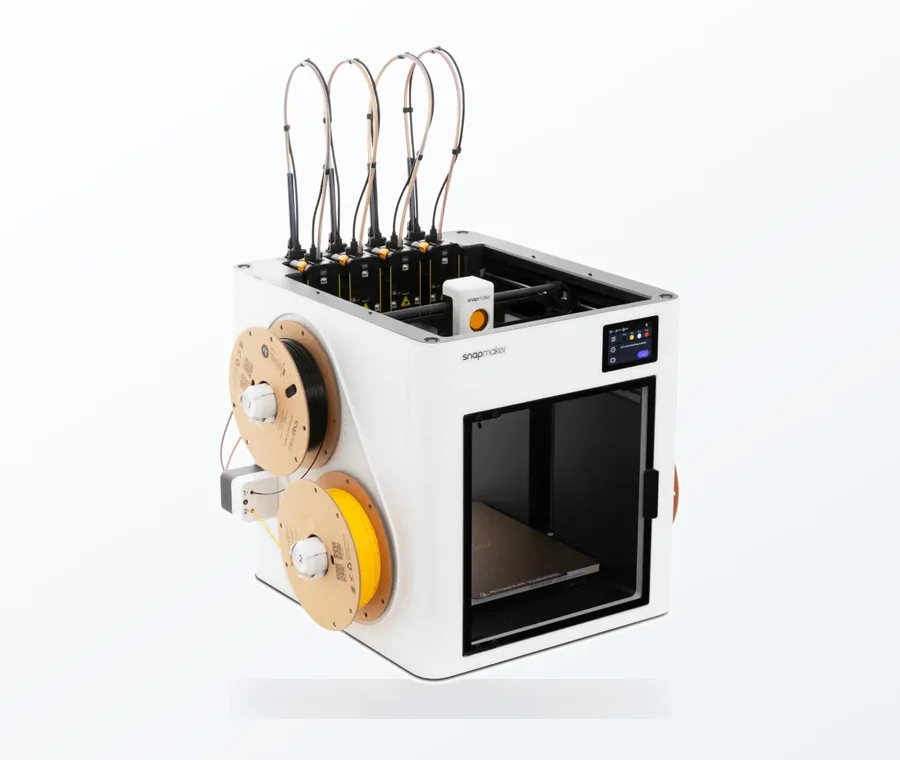
The consumer toolchanger 3D printer: the SnapSwap 4-toolhead system swaps heads in 5 seconds for true multi-color and multi-material printing, with smart calibration and auto filament loading.
- 4 toolheads · 5 s swap
- Up to 500 mm/s · 20,000 mm/s²
- 270 mm cube build volume
- Multi-color & multi-material
The A4988 stepper motor driver, developed by Allegro MicroSystems, has long been a workhorse in the 3D printing community. It’s widely recognized for its robust performance, ease of use, and particularly its cost-effectiveness. Designed to control bipolar stepper motors, the A4988 offers up to 1/16th microstepping, which allows for smoother motor movement compared to full or half steps, thereby improving print resolution. Its popularity stems from its simplicity: it’s relatively easy to integrate into most 3D printer mainboards, often requiring minimal configuration beyond setting the Vref (voltage reference) for current limiting.
Key characteristics of the A4988
- Cost-effective: One of its biggest draws is its low price point, making it accessible for hobbyists and budget-conscious builders.
- Widespread compatibility: Due to its long-standing presence, it’s compatible with a vast array of 3D printer mainboards.
- Maximum 1/16th microstepping: Provides a decent level of precision for many printing tasks.
- Audible operation: The primary drawback is its characteristic noise. The A4988 uses a basic chopping algorithm for current control, which often results in a distinct, high-pitched whine from the stepper motors during operation.
- Heat generation: Like many stepper drivers, the A4988 can generate significant heat, especially at higher currents, necessitating proper cooling solutions like heatsinks and active airflow.
Exploring the TMC2209 stepper driver
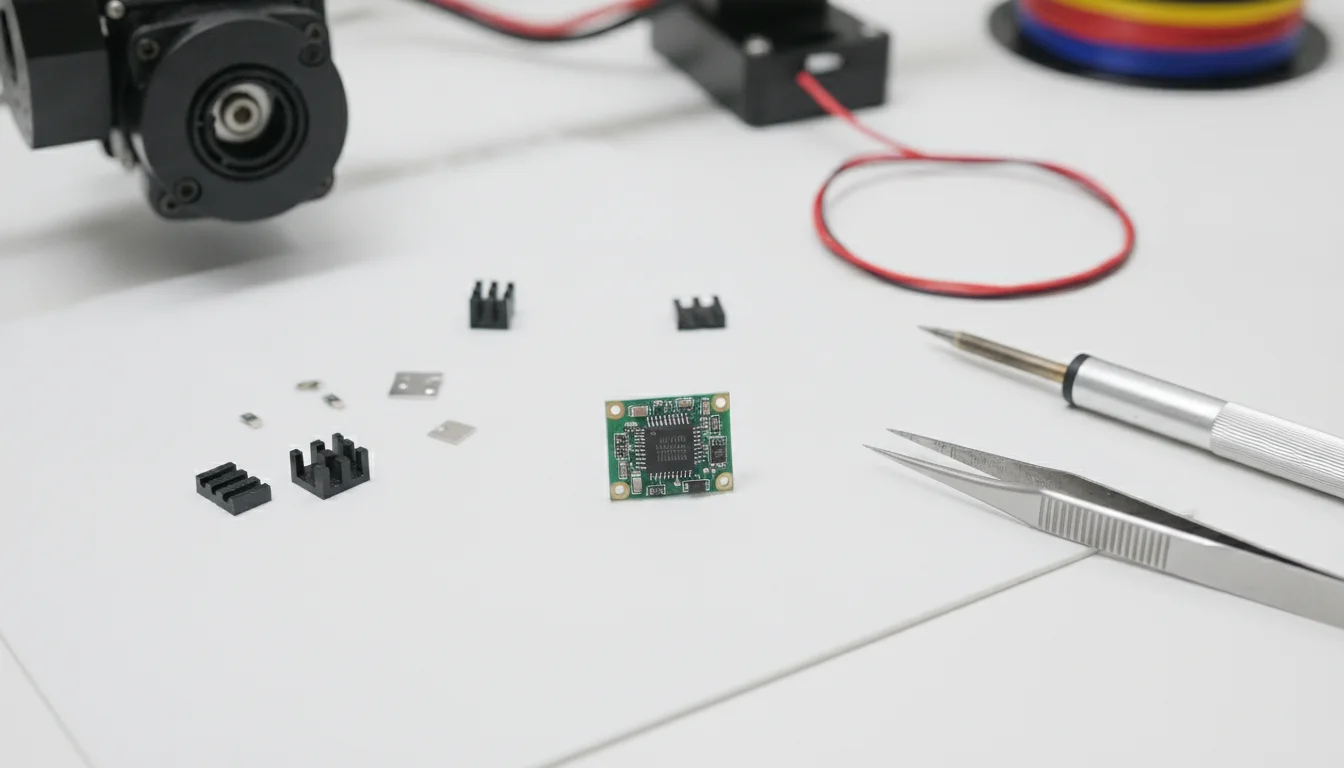
The TMC2209, part of the Trinamic family of stepper motor drivers, represents a significant leap forward in stepper motor control technology. It has quickly become a favorite among those looking to drastically reduce the operational noise of their 3D printers. The TMC2209 is engineered with advanced features that not only ensure silent operation but also enhance overall print quality and offer intelligent diagnostics.
Key characteristics of the TMC2209
- Silent operation: This is arguably its most celebrated feature. Utilizing Trinamic’s proprietary StealthChop2™ technology, the TMC2209 virtually eliminates motor noise, making 3D printers remarkably quiet. It also incorporates SpreadCycle™, an advanced current chopper for highly dynamic motion.
- High microstepping capabilities: The TMC2209 supports up to 1/256th microstepping (interpolated from 1/16th or 1/32nd), leading to exceptionally smooth motor movements and potentially finer print detail.
- Sensorless homing (StallGuard4™): A standout feature, StallGuard4 allows the driver to detect motor stall without physical endstop switches, simplifying printer setup and reducing component count.
- UART/SPI communication: Unlike the A4988, the TMC2209 can communicate with the mainboard via UART or SPI. This enables dynamic control over various parameters, such as current adjustment, diagnostic feedback, and even on-the-fly microstepping changes, all configurable through firmware.
- CoolStep™: This feature dynamically adjusts the motor current based on the load, reducing power consumption and heat generation, especially beneficial during periods of low load.
- Higher cost: Compared to the A4988, the TMC2209 comes at a higher price point, reflecting its advanced technology and features.
A direct comparison: A4988 vs TMC2209
When evaluating the A4988 versus the TMC2209, several critical factors come into play, each influencing the user experience and the final print outcome.
Noise reduction and motor performance
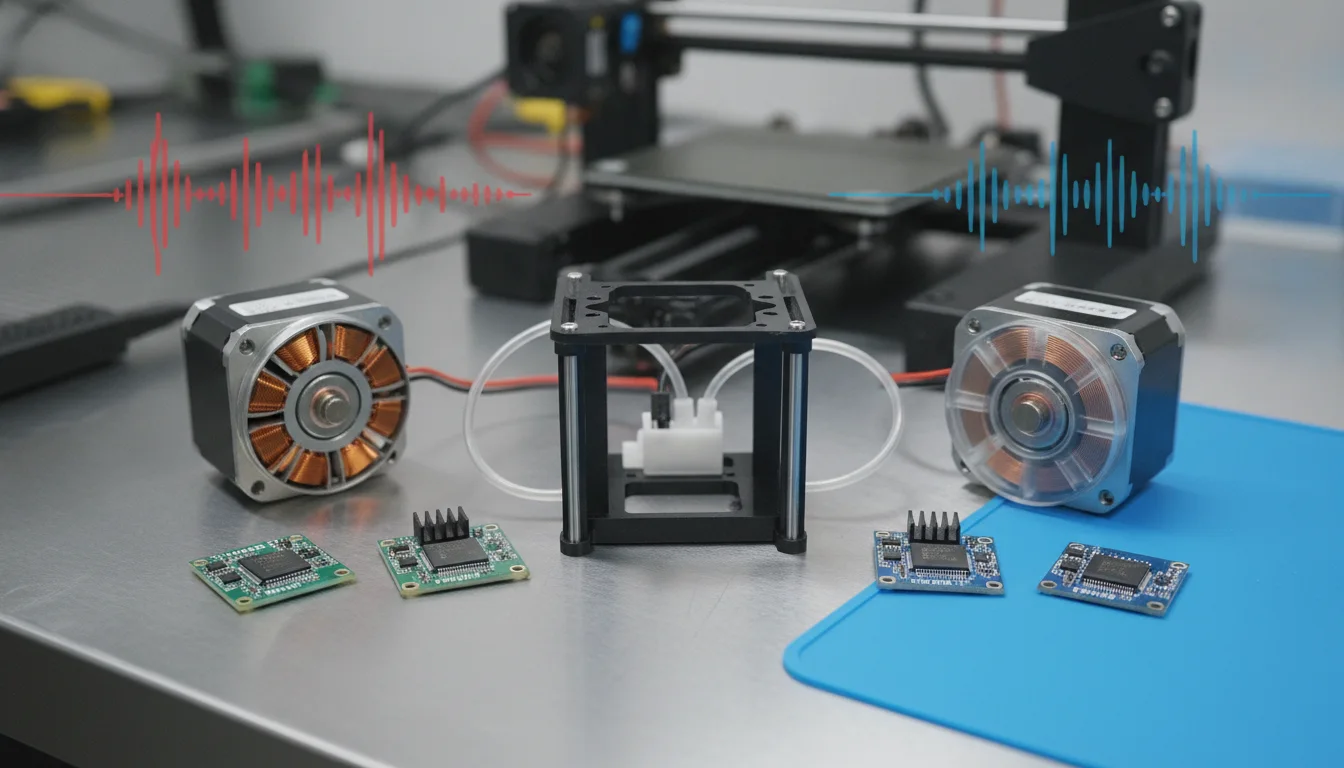
The most striking difference lies in noise. The A4988’s basic current chopping generates significant acoustic noise, which can be quite noticeable, especially in quiet environments. The TMC2209, with its StealthChop2 and SpreadCycle technologies, offers a night-and-day difference, reducing motor noise to barely perceptible levels. This doesn’t just impact comfort; smoother current delivery also contributes to less vibration, which can subtly improve print quality.
Microstepping capabilities and print resolution
While both drivers offer microstepping, the TMC2209’s ability to achieve 1/256th microsteps (via interpolation) provides a theoretical advantage in smoothness and resolution over the A4988’s 1/16th. In practical terms, this means the stepper motor can take many more, smaller steps to complete a rotation, resulting in less noticeable layering and potentially finer details in prints, particularly on curved surfaces.
Advanced features and control
Here, the TMC2209 truly pulls ahead. Features like sensorless homing (StallGuard4) simplify printer mechanics and calibration. UART/SPI communication unlocks a new level of control, allowing users to fine-tune driver behavior through firmware without physical adjustments. This means dynamic current control, overheat warnings, and error reporting are all possible, offering greater flexibility and diagnostic capabilities that the A4988 simply does not possess.
Thermal management and efficiency
Both drivers require proper cooling, but the TMC2209’s CoolStep technology can dynamically reduce current when the motor is under less load, leading to lower overall power consumption and reduced heat generation compared to the A4988 running at a constant current. This can translate to longer driver lifespan and more stable operation over extended print jobs.
Cost considerations and value proposition
The A4988 remains the undisputed champion for budget-conscious users. Its low cost makes it an attractive entry point. However, the TMC2209, despite its higher upfront cost, offers a significant upgrade in terms of user experience (silence) and advanced functionality. For those prioritizing a quiet printing environment, enhanced print quality potential, and smart features, the additional investment in TMC2209 drivers can represent substantial value.
Installation and complexity
Installing an A4988 is generally straightforward: plug it in, set Vref, and you’re often good to go. The TMC2209 can be slightly more complex. While it can operate in standalone mode (similar to A4988), unlocking its advanced features like UART/SPI or sensorless homing requires specific mainboard support, correct jumper settings, and often firmware modifications. This might be a steeper learning curve for beginners but offers greater customization for experienced users.
Making an informed choice
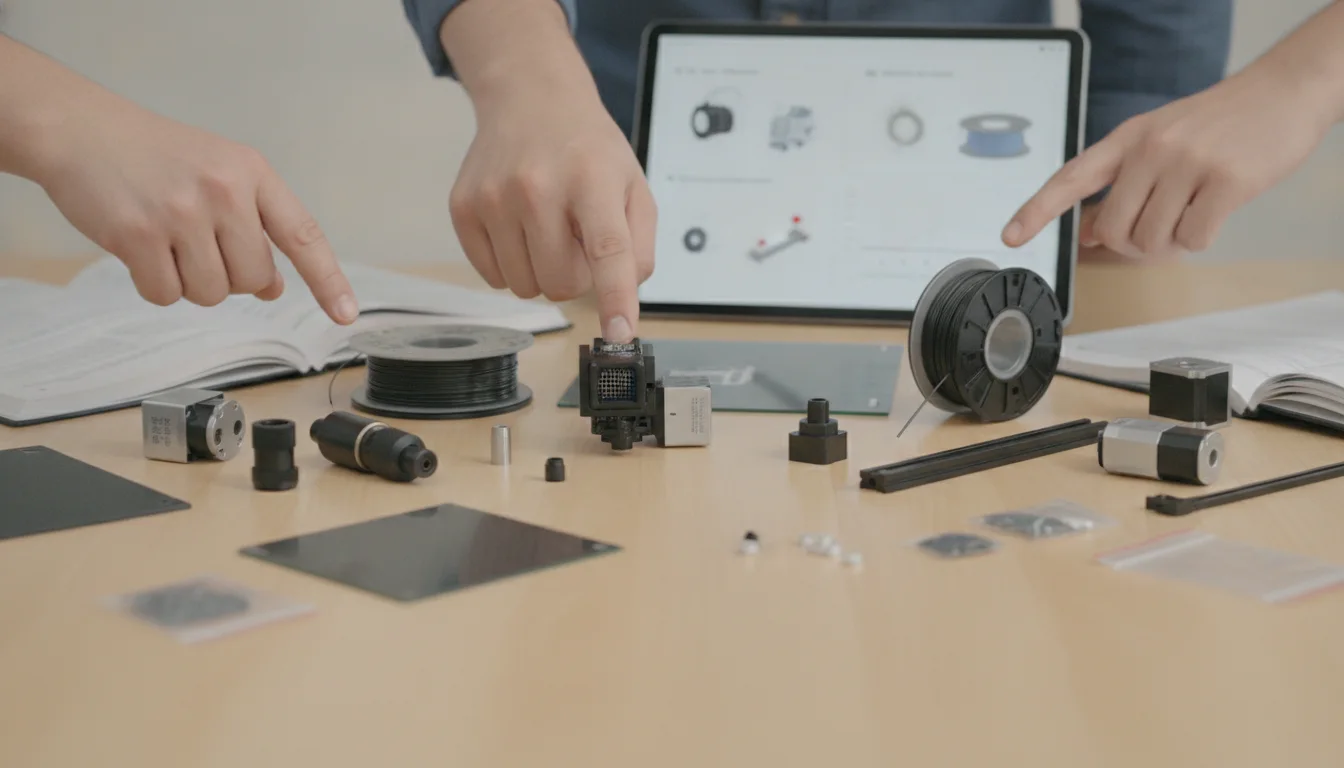
The decision between A4988 and TMC2209 ultimately hinges on individual priorities and budget constraints. If you are building a 3D printer on a shoestring budget, are not particularly bothered by operational noise, or simply need a reliable, no-frills driver, the A4988 remains a perfectly viable option. It has powered countless successful prints and continues to be a staple in many setups.
Conversely, if a quiet printing environment is paramount, if you desire the highest possible print quality, or if you wish to leverage advanced features like sensorless homing and dynamic control, the TMC2209 presents a compelling upgrade. Its superior noise reduction, higher microstepping capabilities, and intelligent features offer a more refined and feature-rich 3D printing experience. While it requires a larger initial investment and potentially more complex setup, the benefits for many users are well worth the effort.
Both drivers have their place in the diverse world of 3D printing. By weighing their respective cost structures, feature sets, and operational characteristics against your specific needs, you can confidently select the stepper motor driver that best aligns with your 3D printing goals.
Frequently asked questions
Can I run a TMC2209 in standalone mode without UART or SPI to keep the setup simple, like an A4988?
Yes, the TMC2209 can operate in standalone mode, where it functions similarly to an A4988 with basic current control set via Vref. However, doing so disables all its advanced features like StealthChop2, sensorless homing, and dynamic current adjustment, so you lose the main benefits that justify its higher cost over the A4988.
Do I need to upgrade my printer’s mainboard to use TMC2209 drivers?
Not necessarily. Many modern mainboards have dedicated TMC2209 sockets with UART support, but you can also use TMC2209 drivers in standalone mode on any board that accepts A4988-style stepstick drivers. Check your mainboard’s documentation for jumper settings and firmware compatibility if you want to enable UART/SPI features.
Will switching from A4988 to TMC2209 fix all motor noise issues on my printer?
Switching to TMC2209 drivers will dramatically reduce the high-pitched whine from your stepper motors, thanks to StealthChop2 technology. However, other mechanical noise sources like fans, cooling pumps, and frame vibrations will remain, so your printer won’t become completely silent unless you address those components as well.