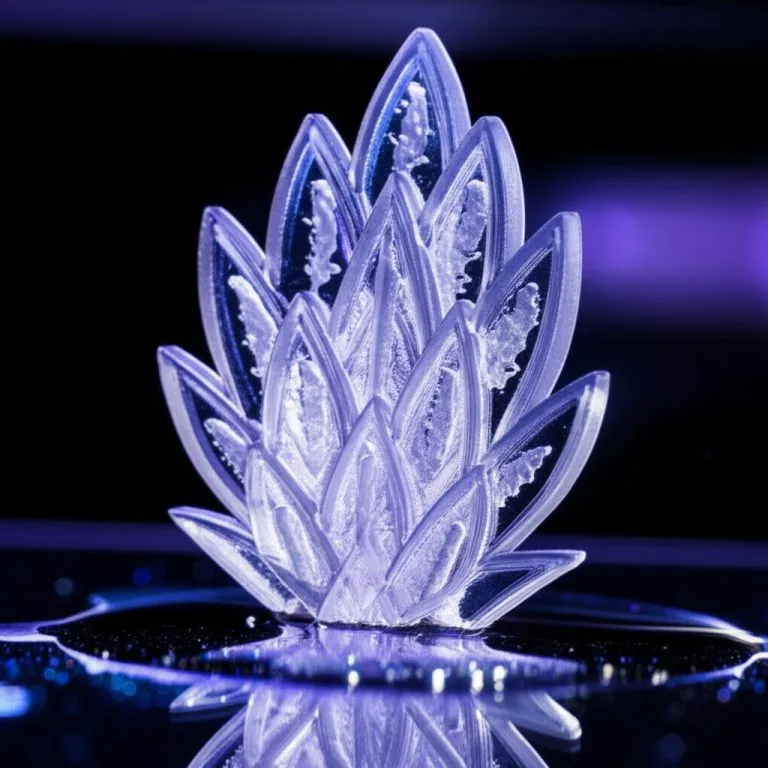
Welcome to the intricate world of resin 3D printing, a fascinating technology that allows for incredibly detailed and smooth models, far beyond what typical FDM printers can achieve. If you’re looking to dive into high-fidelity prints, this guide is specifically tailored for 3D printing resin printing for beginners. We’ll cover the essentials to help you get started successfully and avoid common pitfalls.
Understanding Resin Printing Technologies (SLA/DLP)
Before you begin, it’s crucial to understand the core technology. Resin 3D printing typically falls into categories like Stereolithography (SLA) or Digital Light Processing (DLP). Both methods use a light source (laser for SLA, projector for DLP) to cure liquid photopolymer resin layer by layer, solidifying it into a desired shape. This precise curing process is what allows for the exceptional detail.
Essential Tips for Successful Resin Printing
For those new to Resin Printing (SLA/DLP), preparation and process are key:
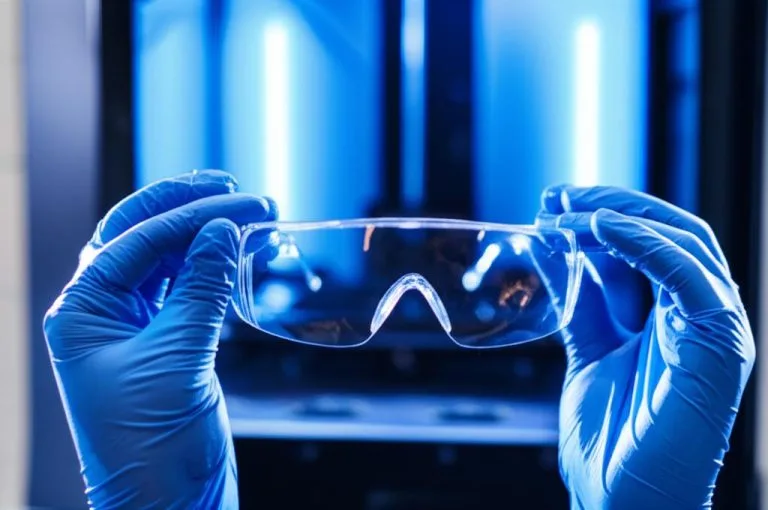
- Safety First: Resin is a chemical. Always wear nitrile gloves, safety glasses, and a respirator (or ensure excellent ventilation) when handling liquid resin or uncured prints. Work in a well-ventilated area to disperse fumes.
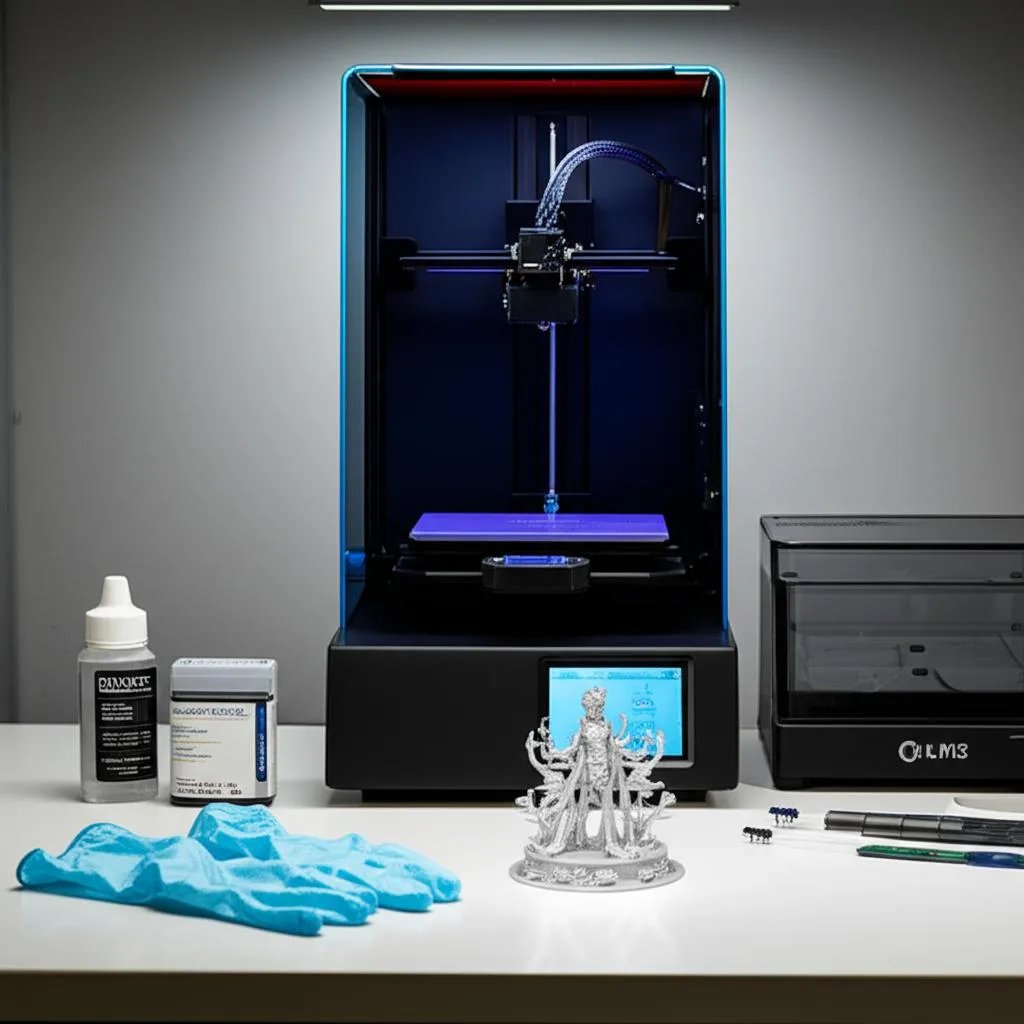
- Workspace Setup: Dedicate a clean, dark space for your printer. UV light, even from windows, can prematurely cure resin. Have isopropyl alcohol (IPA) or a resin cleaner, paper towels, and a curing station ready.
- Resin Handling & Storage: Always shake resin bottles thoroughly before pouring. Store resin in its original opaque bottle, away from direct light and extreme temperatures.
- Leveling Your Build Plate: A properly leveled build plate is fundamental for initial layer adhesion. Follow your printer’s instructions meticulously.
- Exposure Settings: This is perhaps the most critical setting. Too little exposure and prints fail; too much, and details are lost. Consult your resin manufacturer’s guidelines and do calibration tests.
- Supports are Your Friends: Unlike FDM, resin prints often require extensive supports to prevent sagging or failed layers. Learn about proper support placement and density in your slicer software. Overhangs and islands *must* be supported.
Common Mistakes to Avoid for Beginners
Even for experienced users, resin printing can present challenges. Here are a few to watch out for:
- Skipping Post-Processing: After printing, models are covered in uncured resin. They must be thoroughly washed (usually in IPA) and then post-cured under UV light to fully harden. Neglecting this leads to sticky, fragile prints.
- Ignoring Temperature: Resin performs best within a specific temperature range, typically 20-25°C. Cold resin can be too viscous, leading to print failures.
- Over-Reliance on Default Settings: While defaults are a starting point, each resin brand and color can behave differently. Be prepared to fine-tune.
- Improper Disposal: Do not pour liquid resin or contaminated IPA down the drain. Cure liquid resin waste under UV light until solid, then dispose of it as plastic waste. Contaminated IPA can often be filtered and reused.
- Lack of Ventilation: The fumes can be irritating and potentially harmful over time. Ensure proper airflow.
Embarking on 3D printing resin printing for beginners is an exciting journey. With attention to safety, proper technique, and a willingness to learn from initial mistakes, you’ll soon be producing stunning, highly detailed models that were once only possible through professional services. Happy printing!
Frequently asked questions
Can I use regular household gloves instead of nitrile gloves when handling resin?
No. Liquid resin is a chemical that can degrade latex or vinyl gloves, potentially exposing your skin. You must use nitrile gloves, as recommended in the article, to ensure proper protection during handling and cleanup.
How do I dispose of failed resin prints or contaminated isopropyl alcohol (IPA)?
Do not pour liquid resin or contaminated IPA down the drain. Cure the liquid resin waste under UV light until it is solid, then dispose of it as plastic waste. Contaminated IPA can often be filtered and reused instead of thrown away.
Why do my resin prints keep failing even though the build plate is level?
If your build plate is level but prints still fail, check two common issues mentioned in the article: ambient temperature (resin works best at 20–25°C; cold resin becomes too viscous) and exposure settings (too little exposure causes poor adhesion; too much ruins detail). Always run calibration tests for your specific resin brand and color.