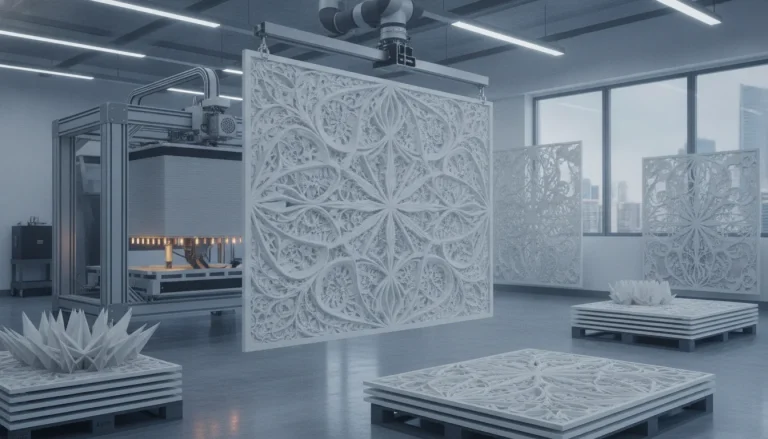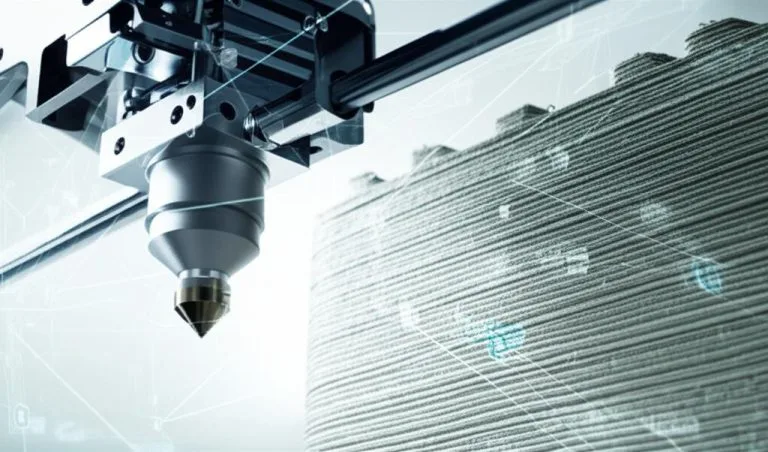
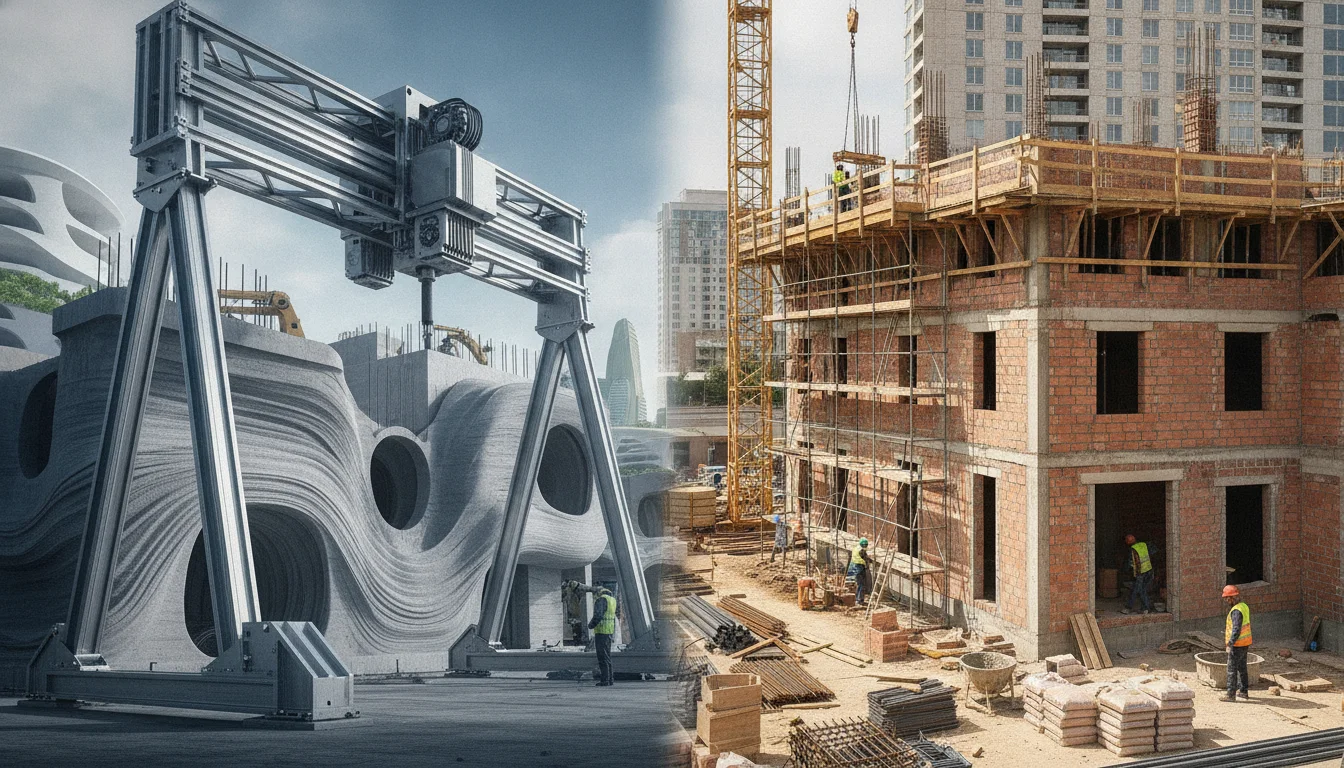
The landscape of construction is undergoing a significant transformation, with the advent of additive manufacturing, commonly known as 3D printing, challenging long-established traditional building practices. For centuries, construction has relied on conventional methods involving a diverse workforce, extensive material handling, and time-honored techniques. Today, 3D printing offers an alternative paradigm, promising efficiency and innovation. This article delves into an objective comparison of 3D printing versus traditional building, examining their respective cost structures, features, and the circumstances under which each approach might be more suitable for a given project.
Understanding the construction paradigms
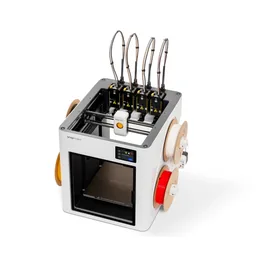
The consumer toolchanger 3D printer: the SnapSwap 4-toolhead system swaps heads in 5 seconds for true multi-color and multi-material printing, with smart calibration and auto filament loading.
- 4 toolheads · 5 s swap
- Up to 500 mm/s · 20,000 mm/s²
- 270 mm cube build volume
- Multi-color & multi-material

Before diving into a detailed comparison, it’s essential to grasp the fundamental differences between these two methodologies.
Traditional construction: The established benchmark
Traditional construction encompasses a broad spectrum of methods, from stick-built residential homes to large-scale commercial structures utilizing steel, concrete, and masonry. It typically involves a sequential process of site preparation, foundation laying, framing, roofing, and finishing, executed by skilled laborers using a variety of tools and machinery. This method is characterized by its reliance on human craftsmanship, established supply chains, and a robust, albeit sometimes lengthy, regulatory framework.
3D printing construction: The additive approach
3D printing in construction, or construction additive manufacturing, involves using large-scale robotic printers to deposit layers of material, typically concrete or specialized composites, to create structural components or entire buildings. The process is guided by digital models, allowing for intricate designs and automated execution. This method aims to streamline the building process, reduce waste, and potentially lower labor requirements.
Comparing key aspects: 3D printing vs traditional building
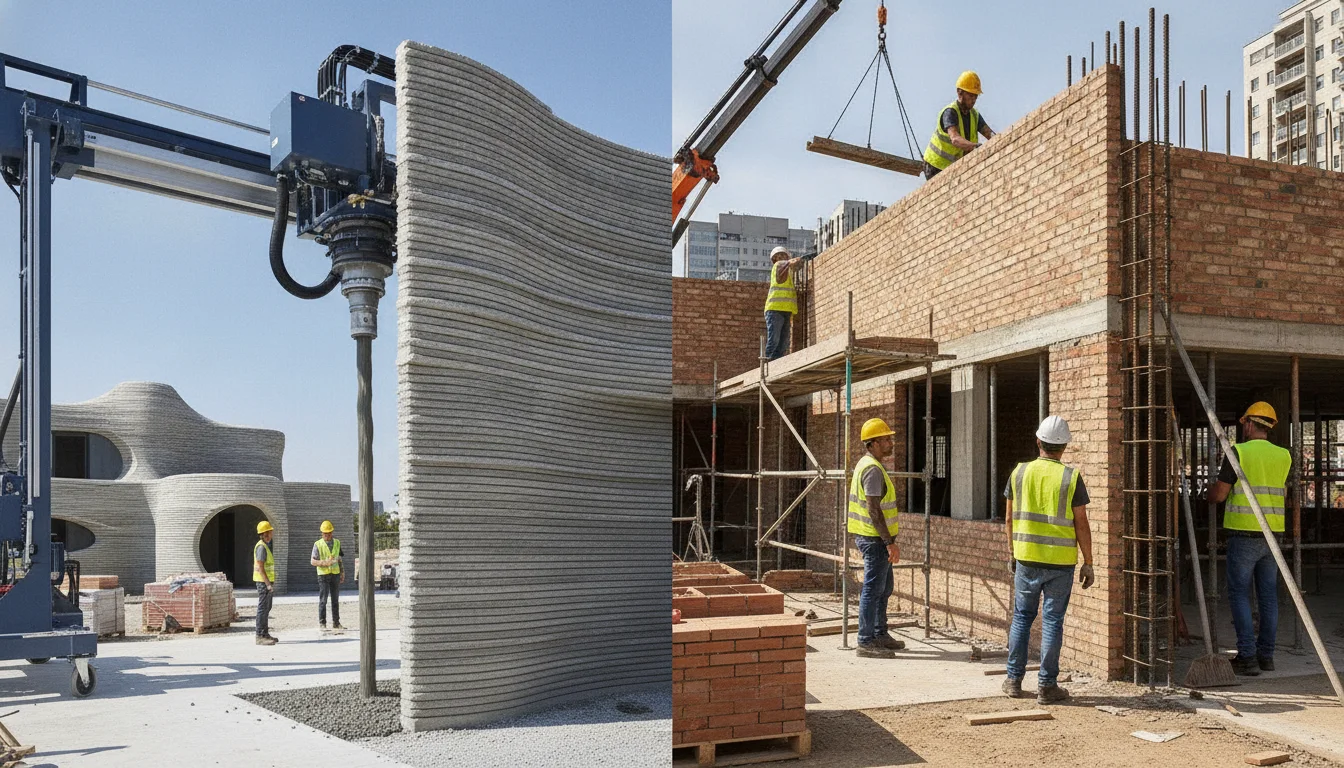
A comprehensive analysis requires looking at various factors that influence project viability and outcome.
Speed and project timelines
- 3D Printing: One of the most frequently cited advantages of 3D construction is its potential for rapid execution. Once the design is finalized and the printer is set up, walls and structural elements can be erected significantly faster than with traditional methods, often in a matter of days or weeks for smaller structures. This speed can translate into earlier project completion and quicker return on investment.
- Traditional Construction: While capable of impressive speed on large, well-resourced projects, traditional construction is inherently more time-consuming due to sequential task dependencies, the need for extensive manual labor, and potential delays from weather or labor availability. Planning and execution phases are typically longer.
Cost structures and economic considerations
The financial implications are complex and vary significantly based on project specifics.
- 3D Printing:
- Labor: Often requires a smaller crew for operation and supervision, potentially reducing labor costs.
- Materials: While specialized concrete mixes can be more expensive per volume than standard concrete, reduced waste and optimized material usage can offset this.
- Equipment: The initial investment in a large-scale 3D printer can be substantial, making it more cost-effective for multiple projects or large-scale developments.
- Waste: Generates significantly less material waste due to the additive nature of the process, leading to lower disposal costs.
- Traditional Construction:
- Labor: Highly labor-intensive, with costs varying based on skill sets, regional wages, and project complexity.
- Materials: Benefits from mature supply chains and economies of scale for common materials, often leading to lower per-unit material costs. However, waste generation can be considerable.
- Equipment: Involves a wide range of standard construction equipment, which may be owned, leased, or rented, spreading costs across projects.
- Waste: Material offcuts and demolition debris contribute to higher waste generation and associated disposal expenses.
Design flexibility and architectural complexity
- 3D Printing: Offers unparalleled design freedom. Complex geometries, curved walls, and integrated features that would be challenging or prohibitively expensive with traditional methods can be printed with relative ease. This allows for innovative architectural forms and optimized structural designs.
- Traditional Construction: While capable of constructing highly complex buildings, intricate designs typically demand more specialized labor, custom formwork, and additional time, which can significantly drive up costs and extend timelines.
Material usage and sustainability
Sustainability is a growing concern in the construction industry, and both methods present different profiles.
- 3D Printing: The additive nature inherently minimizes material waste. Furthermore, research is ongoing into using recycled materials, local aggregates, and sustainable binders in 3D printable mixes, enhancing the environmental additive manufacturing benefits.
- Traditional Construction: Can be resource-intensive, with significant material waste generated on-site. However, advancements in green building practices, material recycling, and energy-efficient designs are continually improving its sustainability footprint.
Labor requirements and skill sets
- 3D Printing: Shifts the demand from a large, diverse manual labor force to a smaller team of highly skilled technicians, engineers, and operators proficient in digital design and machine operation.
- Traditional Construction: Requires a broad array of skilled tradespeople, including carpenters, masons, electricians, plumbers, and heavy equipment operators. The availability and cost of these skilled laborers can significantly impact project feasibility.
Quality, durability, and structural integrity
- 3D Printing: While still a newer technology, printed structures have demonstrated impressive strength and durability, often exceeding conventional concrete in certain metrics due to optimized material placement. Quality control is largely automated, reducing human error.
- Traditional Construction: Benefits from centuries of proven techniques and established standards, ensuring robust and durable structures. Quality is heavily reliant on the skill and oversight of the human workforce.
Scalability and project size
- 3D Printing: Currently, 3D printing is highly efficient for small to medium-sized structures, such as single-family homes, small commercial buildings, or specific architectural components. Scaling to multi-story or very large complex structures is advancing but still presents logistical and technological hurdles.
- Traditional Construction: Excels in scalability, capable of building anything from a garden shed to towering skyscrapers and vast infrastructure projects, supported by well-established supply chains and project management methodologies.
Project selection criteria: When to choose which method
The decision between 3D printing and traditional construction is not a matter of one being universally superior, but rather aligning the method with the project’s specific needs and constraints. Here are some project selection criteria to consider:
- For projects prioritizing speed and unique design: If rapid deployment, complex geometries, or highly customized architectural features are paramount, and the project size is within the current sweet spot for 3D printing (e.g., single-story homes, disaster relief shelters, bespoke architectural elements), then additive manufacturing might present a compelling case.
- For projects with labor shortages or high labor costs: In regions where skilled construction labor is scarce or expensive, the reduced manual labor requirement of 3D printing could offer significant operational efficiencies and cost savings.
- For large-scale, established infrastructure: For massive commercial complexes, high-rise buildings, or projects requiring extensive use of diverse materials and intricate systems (HVAC, complex electrical grids), traditional construction often remains the more practical and proven choice due to its scalability, established regulatory compliance, and robust supply chains.
- For projects requiring long-term, proven reliability: While 3D printed structures are being rigorously tested, traditional methods have a track record spanning centuries. For projects where absolute, long-term, and universally recognized structural reliability is non-negotiable (e.g., critical public infrastructure in highly seismic zones), the established traditional methods might be preferred.
- For projects with budget constraints and conventional designs: If the design is straightforward and budget optimization through conventional material procurement and labor practices is key, traditional methods may offer a more predictable cost structure, especially for projects that don’t benefit from the specialized efficiencies of 3D printing.
- For sustainable building with material optimization: If minimizing material waste and exploring novel sustainable material compositions are high priorities, 3D printing offers inherent advantages due to its precise, additive nature.
Concluding thoughts
The comparison between 3D printing vs traditional building reveals two distinct approaches, each with its unique strengths and challenges. Traditional construction, with its deep roots and extensive track record, offers proven reliability, scalability for diverse projects, and well-established regulatory frameworks. Conversely, 3D printing presents exciting additive manufacturing benefits, including unparalleled design flexibility, rapid construction times, reduced labor dependency, and significant potential for material optimization and waste reduction.
Ultimately, the choice hinges on a careful evaluation of specific project requirements, budget, timeline, desired aesthetic, and local regulatory environment. As 3D printing technology continues to mature and become more accessible, its role in the construction industry is set to expand, offering innovative solutions alongside, rather than entirely replacing, the enduring practices of traditional building.
Frequently asked questions
How does the cost of a 3D-printed house compare to a traditionally built house of the same size?
Cost comparison is project-specific, but 3D printing can reduce labor costs due to a smaller crew and lower material waste from the additive process. However, the specialized concrete mixes can be more expensive per volume than standard concrete, and the initial investment in the large-scale printer is substantial, making it more cost-effective for multiple projects or large developments rather than a single, small build.
Can 3D-printed houses be built to the same building codes and safety standards as traditional houses?
Yes, 3D-printed structures have demonstrated impressive strength and durability, often exceeding conventional concrete in certain metrics due to optimized material placement. However, the article notes that for projects where absolute, long-term structural reliability is non-negotiable, such as critical infrastructure in seismic zones, the centuries of proven techniques in traditional construction may still be preferred by some clients and regulators.
What happens if the 3D printer breaks down during a construction project?
The article does not cover printer failure scenarios, but as a well-established 3D printing fundamental, a breakdown would pause the automated deposition process, potentially causing cold joints or delamination between layers if the material sets. A backup plan, such as having spare parts on hand or the ability to switch to traditional manual methods for the affected section, is a practical consideration for any project relying on additive manufacturing.