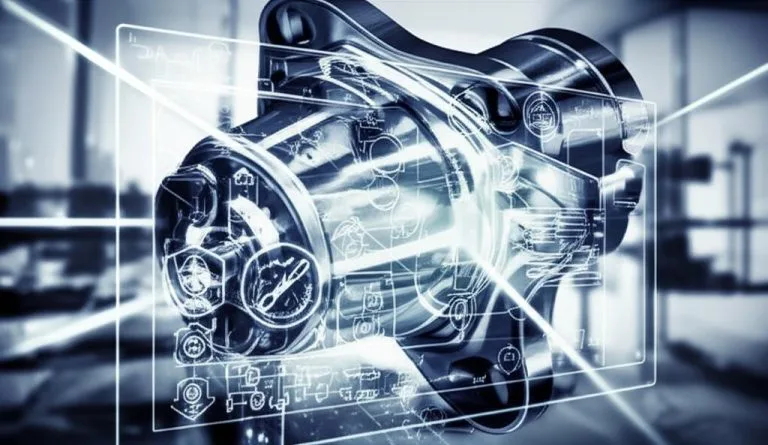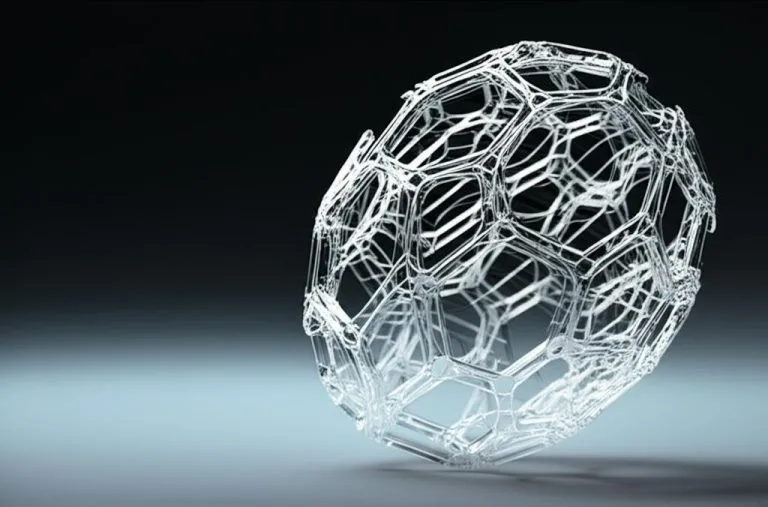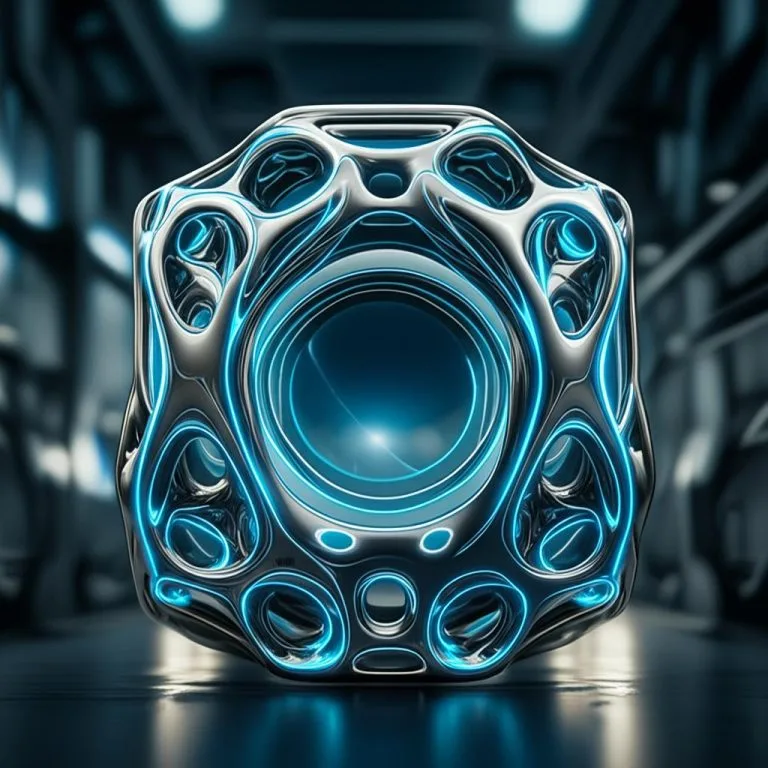
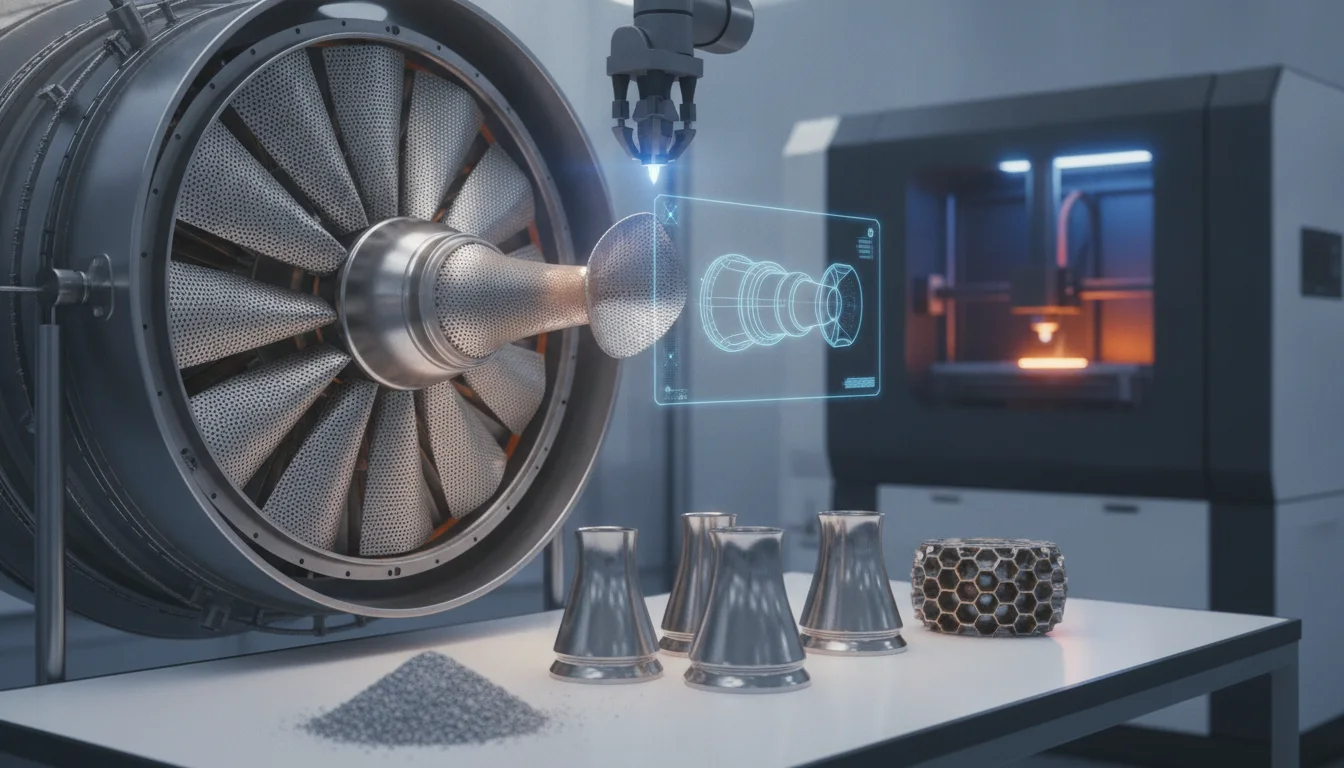
The aerospace industry stands at the vanguard of technological innovation, constantly pushing the boundaries of performance, efficiency, and safety. Central to this relentless pursuit is the evolution of jet engines, which demand increasingly sophisticated components capable of withstanding extreme conditions while delivering unparalleled power-to-weight ratios. In this demanding landscape, metal 3D printing, also known as metal additive manufacturing, has emerged as a transformative force, fundamentally reshaping how next-generation jet engine components are conceived, designed, and produced.
The imperative for innovation in jet engines
The consumer toolchanger 3D printer: the SnapSwap 4-toolhead system swaps heads in 5 seconds for true multi-color and multi-material printing, with smart calibration and auto filament loading.
- 4 toolheads · 5 s swap
- Up to 500 mm/s · 20,000 mm/s²
- 270 mm cube build volume
- Multi-color & multi-material
Modern jet engines operate under incredibly harsh conditions, with internal temperatures often exceeding the melting point of the materials they are made from, necessitating advanced cooling systems and high-temperature alloys. The drive for greater fuel efficiency, reduced emissions, and enhanced thrust-to-weight ratios places immense pressure on engineers to innovate. Traditional manufacturing methods, while robust, often face limitations in creating the complex geometries and integrated functionalities required for optimal performance. This is where metal 3D printing jet engines truly shine, offering a pathway to overcome these long-standing challenges.
How metal 3D printing transforms jet engine design and manufacturing
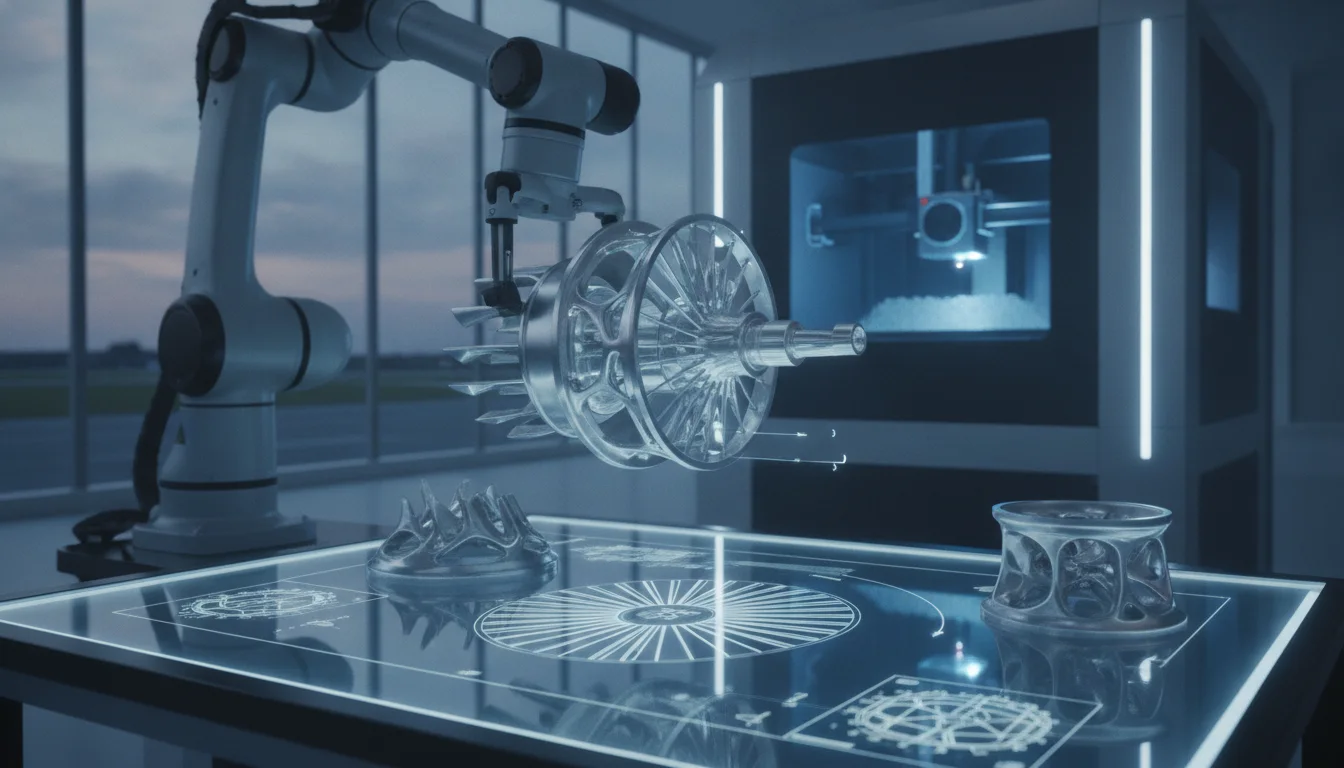
Metal additive manufacturing provides unparalleled design freedom, enabling engineers to create intricate structures previously impossible to achieve. This capability is pivotal for engine component optimization.
Design freedom and complexity
- Topology Optimization: Algorithms can design parts that use the minimum amount of material while maintaining structural integrity, resulting in lighter components with superior mechanical properties.
- Internal Geometries: Complex internal channels for cooling or fuel delivery can be integrated directly into parts, improving thermal management and combustion efficiency without the need for assembly.
Consolidation of parts
One of the most significant advantages is the ability to consolidate multiple individual components into a single, complex part. This reduces assembly time, lowers the risk of failure points associated with joints, and streamlines the supply chain. For example, a fuel nozzle assembly that once comprised dozens of brazed or welded pieces can now be printed as a single unit, leading to enhanced durability and performance.
Reduced weight and improved fuel efficiency
Lighter engines translate directly into reduced fuel consumption and increased payload capacity, critical factors for both commercial and military aviation. By optimizing part geometry and consolidating assemblies, metal 3D printing allows for significant weight savings, directly contributing to the economic and environmental sustainability of air travel.
Enhanced performance and thermal management
The ability to create intricate internal cooling channels and optimize surface areas for heat dissipation is a game-changer. This leads to components that can operate more efficiently at higher temperatures, pushing the performance envelope of jet engines further.
Key metal additive manufacturing technologies
Several metal 3D printing technologies are currently employed or being explored for aerospace applications, each with distinct advantages.
- Powder Bed Fusion (PBF): This category includes Selective Laser Melting (SLM) and Electron Beam Melting (EBM). PBF processes use a laser or electron beam to selectively melt and fuse metallic powder layer by layer. They are known for producing high-resolution, complex parts with excellent mechanical properties, making them ideal for intricate components like turbine blades and fuel nozzles.
- Directed Energy Deposition (DED): DED processes, such as Laser Engineered Net Shaping (LENS), involve feeding metal powder or wire into a melt pool created by a laser or electron beam. DED is often used for repairing existing components, adding features to large parts, or creating structures that require less intricate detail but larger build volumes.
- Binder Jetting: This process uses a liquid binding agent to join metallic powder particles layer by layer, followed by a post-processing step (sintering or infiltration) to achieve full density. Binder jetting offers high throughput and lower initial part cost for some applications, though it requires significant post-processing and might not achieve the same mechanical properties as PBF for critical structural parts without further treatment.
Aerospace additive manufacturing materials
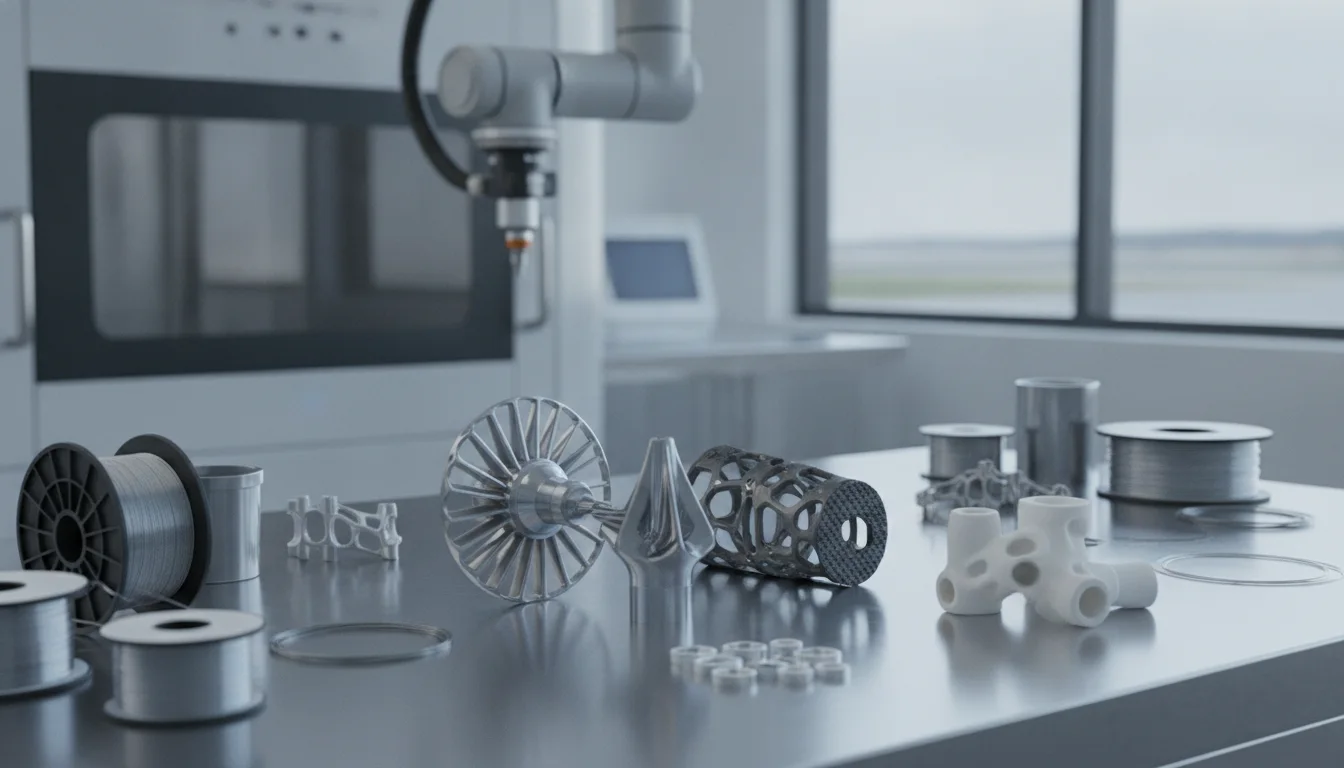
The selection of materials is paramount for jet engine components, which must endure extreme temperatures, pressures, and corrosive environments. High-temperature alloys 3D printing is therefore a critical area of focus.
- Nickel-based Superalloys: Materials like Inconel 718 and Haynes 282 are workhorses in jet engines due to their exceptional strength retention at high temperatures, creep resistance, and oxidation resistance. They are widely used for turbine blades, combustor liners, and exhaust components.
- Titanium Alloys: Ti-6Al-4V is a common choice for its excellent strength-to-weight ratio and corrosion resistance, suitable for fan blades, casings, and structural components in cooler sections of the engine.
- Aluminum Alloys: Lighter aluminum alloys are being explored for components in less thermally stressed areas to further reduce weight.
The ability to process these advanced aerospace additive manufacturing materials with precision is what makes metal 3D printing so valuable to the industry.
Applications in jet engine components
The consumer toolchanger 3D printer: the SnapSwap 4-toolhead system swaps heads in 5 seconds for true multi-color and multi-material printing, with smart calibration and auto filament loading.
Metal 3D printing is already making its mark across various critical jet engine components.
- Turbine Blades and Vanes: These are arguably the most challenging components, exposed to the hottest gases. Turbine blade additive manufacturing allows for intricate internal cooling channels that significantly improve thermal efficiency and extend component life.
- Combustor Components: Fuel nozzles, swirlers, and liners can be printed with complex geometries that optimize fuel-air mixing and combustion efficiency, leading to lower emissions and higher thrust.
- Structural Components and Casings: Lightweight brackets, mounts, and even sections of engine casings can benefit from topology optimization, reducing overall engine weight without compromising structural integrity.
Challenges and considerations
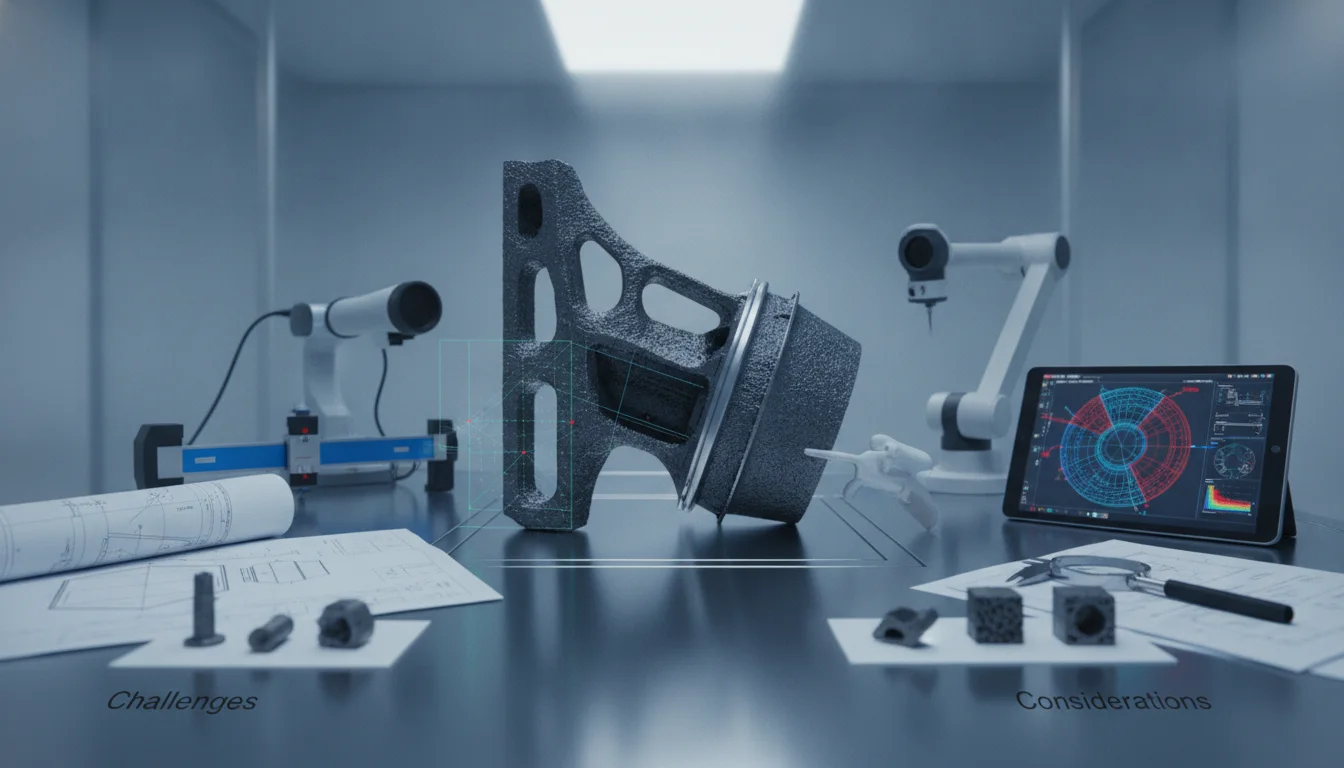
Despite its immense potential, the widespread adoption of metal 3D printing in aerospace, particularly for critical jet engine components, faces several hurdles.
- Material Qualification and Certification: Rigorous testing and validation are required to ensure that 3D-printed parts meet the stringent safety and performance standards of the aerospace industry. This is a time-consuming and costly process.
- Process Control and Repeatability: Achieving consistent mechanical properties and surface finishes across batches and machines is crucial for aerospace applications.
- Post-processing Requirements: Many metal 3D printed parts require extensive post-processing, including heat treatment, machining, and surface finishing, to meet final specifications.
- Scalability: While ideal for low-volume, high-value parts, scaling up production for mass-produced components remains a challenge for some technologies.
The economic landscape: Cost structures and value propositions
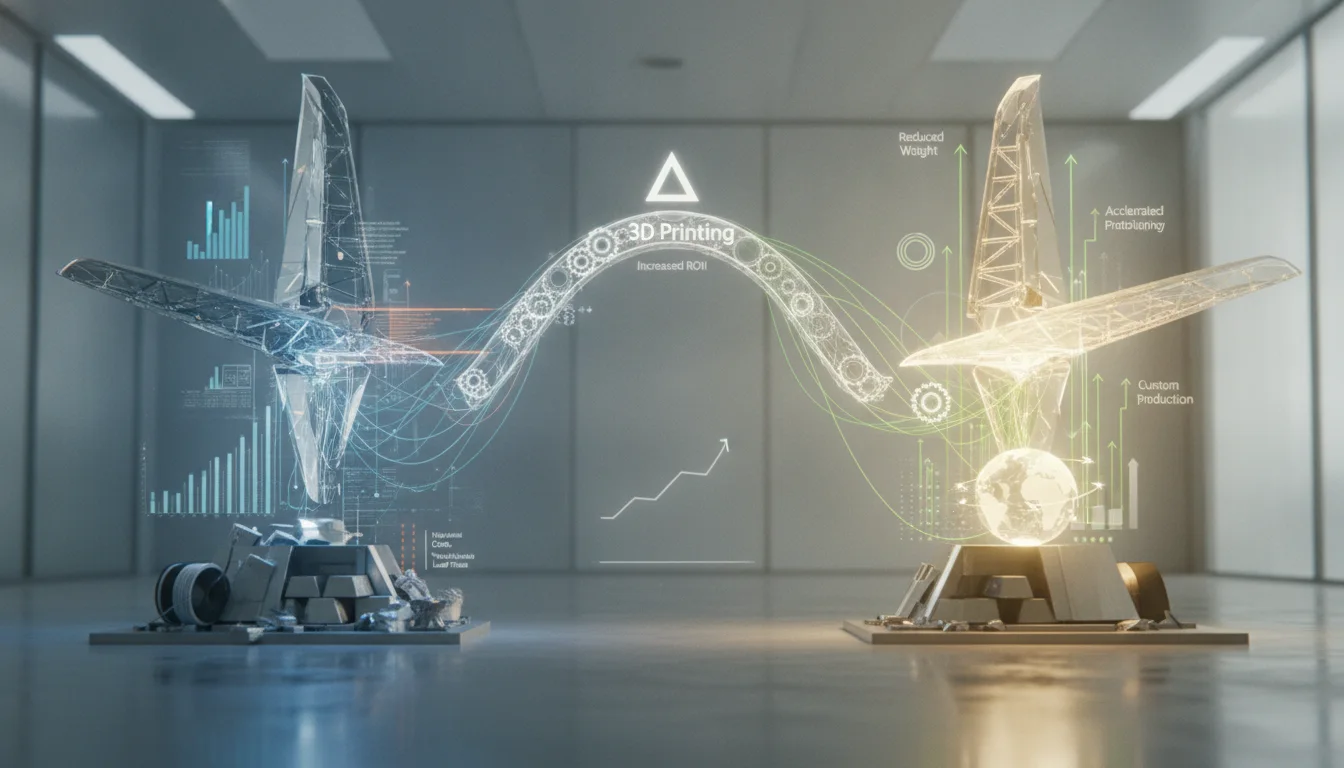
When evaluating the adoption of metal 3D printing for jet engine components, a nuanced understanding of its cost implications versus traditional manufacturing is essential. It’s not simply a matter of comparing per-part cost, but rather a holistic assessment of the entire product lifecycle and value chain.
Initial investment and setup costs
The upfront costs for metal 3D printing systems can be substantial. High-end PBF machines, for instance, represent a significant capital expenditure, often ranging from hundreds of thousands to several million dollars, depending on build volume, laser power, and features. EBM systems can be similarly priced. DED systems might have a slightly lower entry point if integrated with existing robotic arms, but still require specialized equipment. Binder jetting systems, while potentially offering lower machine costs per unit of build volume, still require significant investment in the printer itself, along with sintering furnaces and post-processing equipment. Beyond the hardware, there are costs associated with specialized software for design optimization, process simulation, and quality control, as well as facility requirements and skilled personnel training.
Material costs
Aerospace-grade metal powders are inherently expensive, often significantly more costly per kilogram than their wrought or cast counterparts. Nickel-based superalloys and titanium alloys, in particular, command premium prices. While additive manufacturing can reduce material waste compared to subtractive methods, the cost of the raw powder remains a major factor. Different AM technologies also have varying material utilization rates; PBF, for example, allows for recycling of unused powder, but quality control and material degradation over cycles are considerations.
Operational and labor costs
The operational costs include energy consumption, inert gas usage (for PBF), and machine maintenance. While 3D printing can reduce direct labor in some stages compared to complex assembly lines, it requires highly skilled technicians for machine operation, maintenance, and post-processing. The labor associated with quality inspection and certification for critical aerospace parts is also considerable, regardless of manufacturing method.
Design, development, and prototyping benefits
Here, metal 3D printing offers a compelling value proposition. The ability to rapidly iterate on designs, produce prototypes quickly, and test multiple variations in a fraction of the time compared to traditional methods can drastically reduce development cycles and associated costs. This accelerated innovation pathway allows for faster time-to-market for new engine designs or upgrades, potentially generating revenue sooner. The cost of design optimization software and engineering hours, while present, is often offset by the speed and flexibility of additive manufacturing.
Supply chain and inventory advantages
Metal 3D printing enables a more agile supply chain. Parts can be produced on-demand, reducing the need for large inventories of spare parts, which ties up capital and incurs storage costs. For older engine models or specialized components, additive manufacturing can extend the lifespan of fleets by producing obsolete parts without the need for expensive tooling or minimum order quantities. This shift from physical inventory to digital inventory (CAD files) represents a significant long-term cost saving and operational efficiency gain.
Performance benefits versus cost
Perhaps the most significant value proposition lies in the performance enhancements. A lighter engine with improved fuel efficiency, extended component lifespan due to better thermal management, or increased thrust can lead to substantial operational savings over the lifetime of an aircraft. For instance, even a small percentage increase in fuel efficiency across an airline’s fleet can translate into millions of dollars in savings annually. While the initial cost of a 3D-printed component might be higher than its traditionally manufactured counterpart, the total cost of ownership, considering fuel savings, maintenance reductions, and increased operational availability, often presents a compelling case for additive manufacturing. The optimization of engine components directly contributes to these long-term gains, making the initial investment a strategic one rather than a mere expenditure.
Comparing additive manufacturing technologies’ economic implications
- Powder Bed Fusion (SLM/EBM): Often chosen for high-value, complex, and critical components requiring superior mechanical properties and surface finish. While machine and material costs are high, the ability to create highly optimized, lightweight, and consolidated parts often justifies the investment through significant performance gains and lifecycle cost reductions (e.g., fuel savings). Best for intricate turbine blade additive manufacturing.
- Directed Energy Deposition (DED): More cost-effective for repairing expensive, large components or adding features to existing structures. Its ability to work with a broader range of material forms (wire/powder) and larger build envelopes makes it suitable for applications where high geometric complexity isn’t the primary driver, but material deposition and repair are crucial. Initial part cost can be lower for larger, less intricate parts compared to PBF.
- Binder Jetting: Offers the potential for significantly lower per-part costs in higher volumes due to faster build speeds and less expensive raw powder (before sintering). However, the extensive post-processing required (debinding, sintering, infiltration) adds complexity and cost, and the final mechanical properties might not always match PBF for highly stressed parts without further treatment. It holds promise for components where intricate internal features are less critical than overall shape and material density, and where high throughput is desired, potentially for less critical structural elements or prototypes.
Ultimately, the “best” or “cheapest” option is highly dependent on the specific component, its function, volume requirements, and the desired performance characteristics. Manufacturers must weigh the initial capital outlay and per-part production costs against the long-term operational benefits, supply chain efficiencies, and the strategic advantage of advanced component optimization.
The future outlook
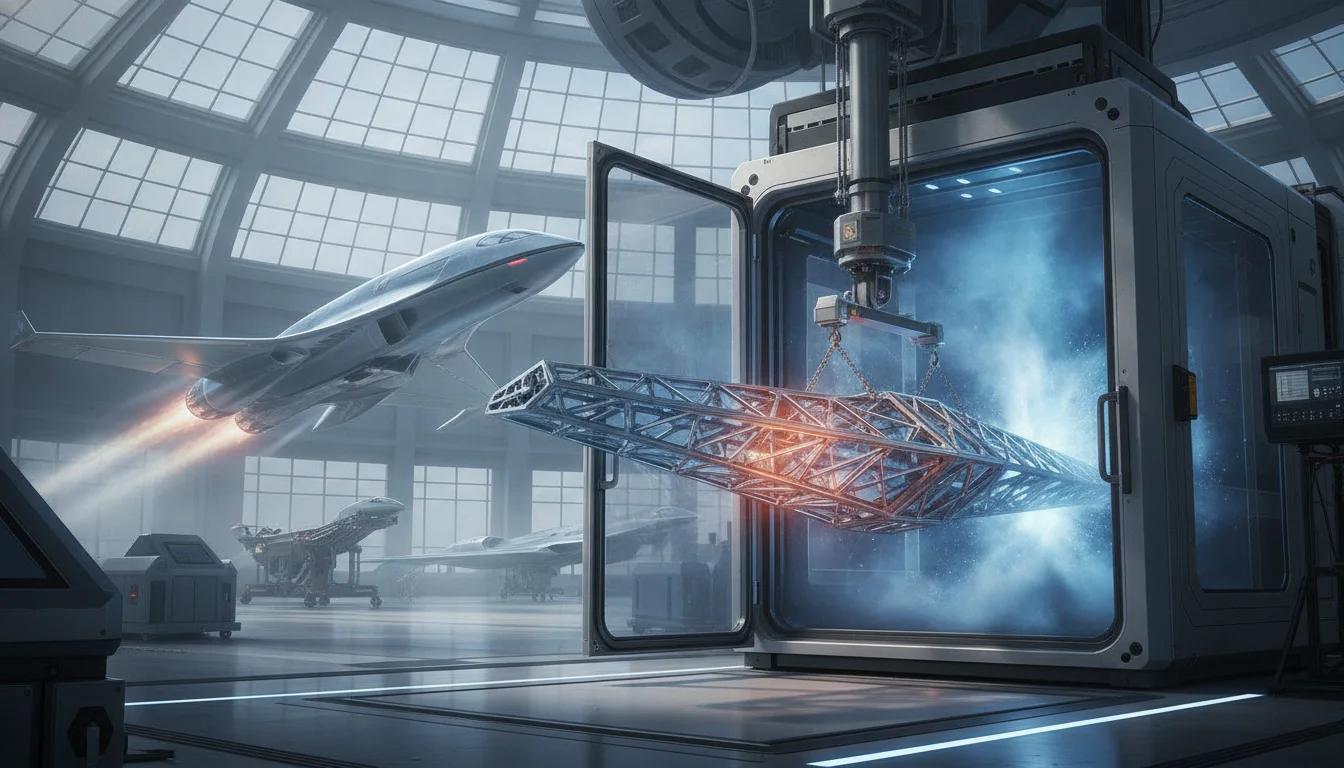
The trajectory for metal 3D printing in jet engines is one of continuous growth and innovation. As materials science advances, new high-temperature alloys 3D printing capabilities will emerge. Improved process monitoring and control will further enhance part quality and reliability, speeding up certification. We can expect to see even more complex, multi-material components, and a broader adoption across the entire engine architecture, from the fan section to the exhaust nozzle. The ongoing research into hybrid manufacturing, combining additive and subtractive techniques, also promises to unlock new efficiencies.
Conclusion

Metal 3D printing is not merely an incremental improvement; it is a paradigm shift in the manufacturing of jet engine components. By enabling unprecedented design freedom, part consolidation, and the use of advanced aerospace additive manufacturing materials, it is directly contributing to lighter, more fuel-efficient, and higher-performing engines. While challenges remain in qualification and scaling, the strategic advantages in design flexibility, rapid prototyping, and long-term operational cost savings make it an indispensable technology for the aerospace industry’s future. The journey towards fully optimized, additively manufactured jet engines is well underway, promising to redefine the limits of aerial propulsion.
Frequently asked questions
How much more expensive is a 3D-printed jet engine component compared to a traditionally machined one?
The initial per-part cost of a 3D-printed component is often higher due to expensive aerospace-grade metal powders and high machine capital costs. However, the total cost of ownership can be significantly lower when factoring in fuel savings from lighter parts, reduced assembly from part consolidation, and on-demand digital inventory that eliminates expensive spare-parts warehousing.
Can 3D-printed jet engine parts be repaired if they get damaged, or do they have to be replaced entirely?
Yes, many can be repaired using Directed Energy Deposition (DED) technology, which feeds metal powder or wire into a melt pool to add material to existing components. This makes DED a cost-effective option for refurbishing expensive, large parts like casings or blade tips rather than requiring a full replacement.
What is the biggest safety risk when using metal 3D printing for critical engine parts?
The primary risk is inconsistent mechanical properties or hidden internal defects (porosity, lack of fusion) that can lead to part failure under extreme engine temperatures and pressures. This is why rigorous material qualification, certification, and process control are required to ensure every printed part meets the same strict safety standards as a traditionally manufactured one.