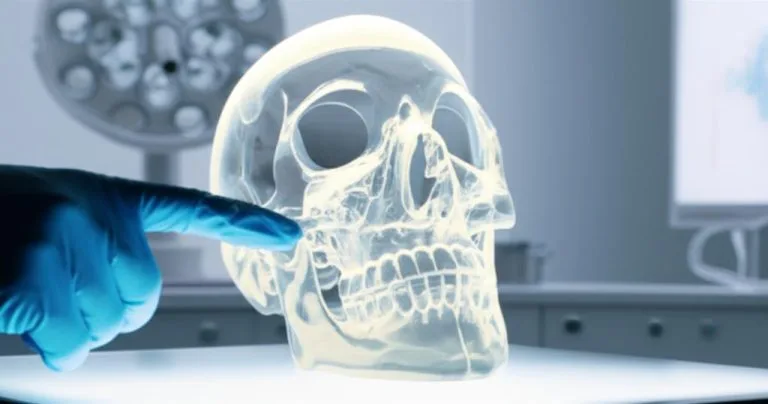
The landscape of dental care is continually evolving, with technological advancements playing a pivotal role in enhancing patient outcomes and optimizing operational efficiencies. Among these innovations, 3D printing has emerged as a transformative force, particularly in the realm of dental restorations. While the primary focus often gravitates towards the precision and customization capabilities of this technology, its potential for significant 3D printing cost reduction within the dental industry warrants a closer look. This analysis delves into the economic advantages that 3D printed dental restorations can offer, comparing their cost structures with traditional manufacturing methods to provide a comprehensive overview for stakeholders.
Understanding traditional dental restoration manufacturing costs
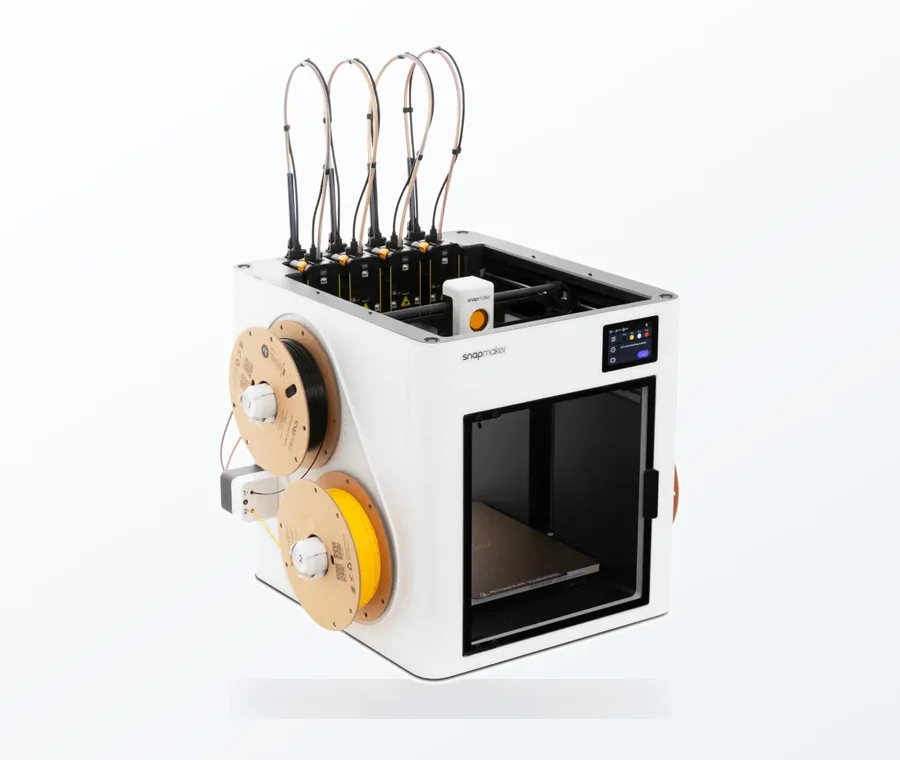
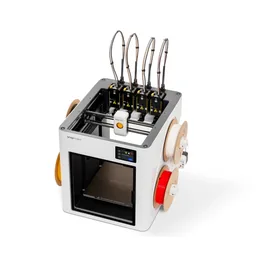
The consumer toolchanger 3D printer: the SnapSwap 4-toolhead system swaps heads in 5 seconds for true multi-color and multi-material printing, with smart calibration and auto filament loading.
- 4 toolheads · 5 s swap
- Up to 500 mm/s · 20,000 mm/s²
- 270 mm cube build volume
- Multi-color & multi-material
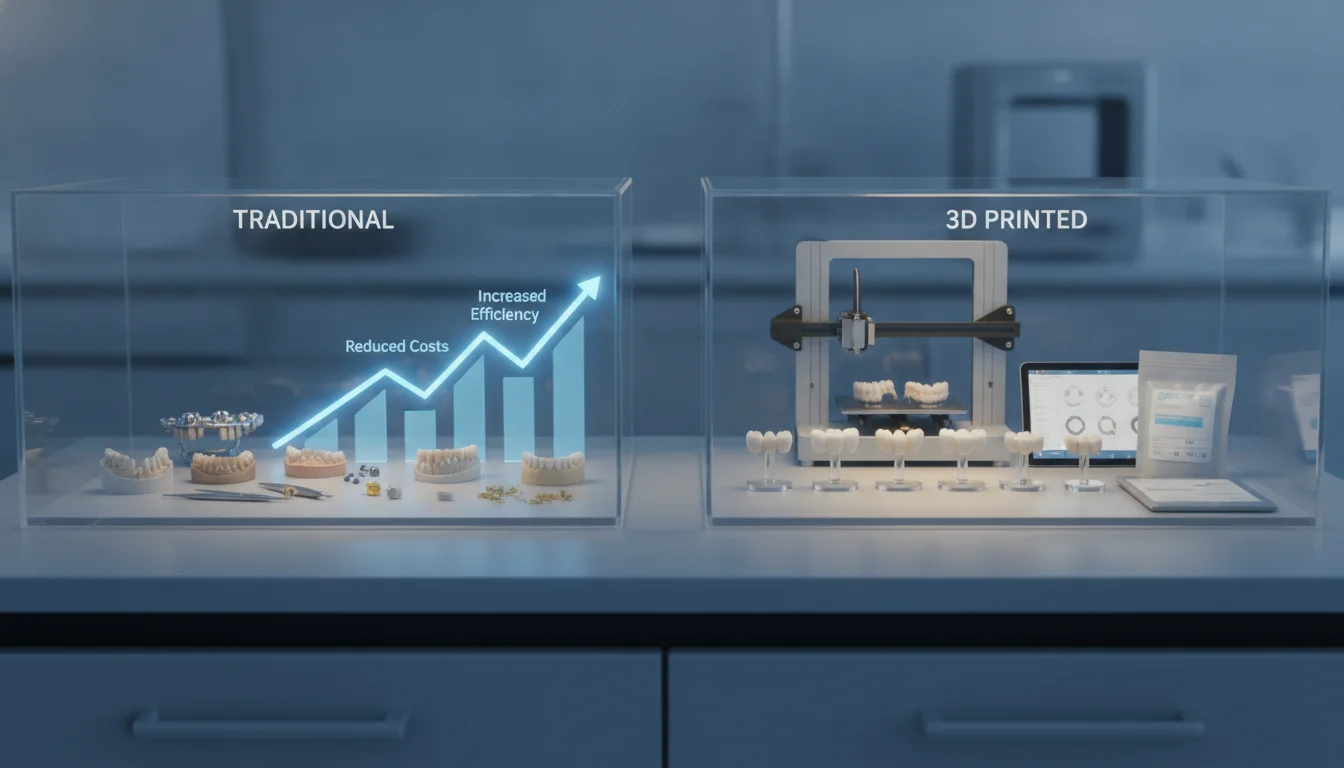
Before appreciating the economic shifts brought about by 3D printing, it’s essential to understand the inherent cost structures of conventional dental restoration production. Traditional methods, such as lost-wax casting for metal-ceramic crowns or subtractive milling for zirconia, involve several resource-intensive steps:
-
Material Costs: High-quality alloys, ceramics, and impression materials are often expensive. Furthermore, traditional techniques can lead to significant material waste during the fabrication process.
-
Labor Intensity: Crafting a dental crown or bridge traditionally requires highly skilled technicians for intricate tasks like waxing, investing, casting, layering porcelain, and meticulous finishing. This manual expertise commands a premium, contributing substantially to overall costs.
-
Equipment and Overhead: Dental labs invest heavily in specialized equipment such as furnaces, casting machines, and milling units, alongside the ongoing costs of maintenance, utilities, and facility space.
-
Waste and Rework: The multi-step nature of traditional processes introduces opportunities for error, leading to increased material waste and the need for costly reworks, which consume both time and resources.
The advent of dental 3D printing
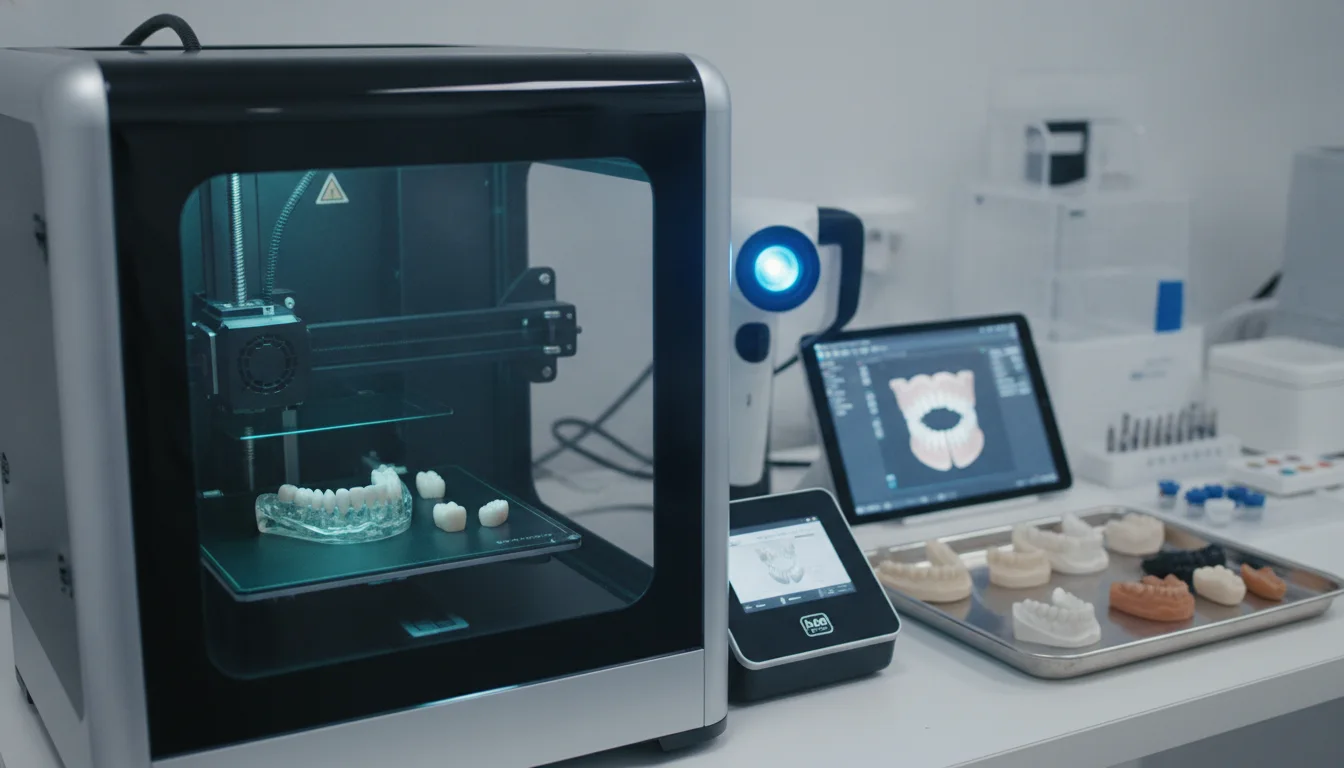
Dental 3D printing, or additive manufacturing, fundamentally alters this paradigm. By building objects layer by layer from digital designs, it offers unparalleled precision and customization. This technology is now widely used for producing a range of dental appliances, including surgical guides, aligner models, and, increasingly, direct fabrication of custom dental crowns, bridges, and dentures. The shift to a digital workflow, from intraoral scanning to CAD/CAM design and 3D printing, streamlines many processes that were historically manual and prone to variability.
Economic advantages and 3D printing cost reduction
The integration of 3D printing into dental restoration fabrication presents several compelling economic benefits that can lead to more affordable medical devices and economic healthcare solutions:
Optimized material utilization and waste reduction
One of the most immediate benefits of 3D printing is its inherent material efficiency. Unlike subtractive manufacturing, where material is removed from a larger block, additive processes only use the material necessary to build the final product. This significantly reduces waste, especially with costly resins and ceramics. For instance, printing a custom dental crown generates minimal material offcuts compared to milling, directly contributing to 3D printing cost reduction by lowering raw material expenditure.
Reduced labor intensity and automation
While skilled labor remains crucial for design and post-processing, 3D printing automates many of the time-consuming and labor-intensive steps of traditional manufacturing. Once a design is finalized in CAD software, the printer can operate autonomously, freeing up technicians to focus on higher-value tasks or manage multiple machines. This shift can lead to reduced labor costs per restoration and increased overall productivity within dental labs and clinics.
Scalability and on-demand manufacturing
3D printing facilitates on-demand production, meaning restorations can be fabricated precisely when needed, rather than requiring large inventories of pre-manufactured components. This reduces storage costs and minimizes the risk of obsolescence. Furthermore, the digital nature of the workflow allows for easy scaling of production—a lab can add more printers to meet increased demand without a proportional increase in skilled manual labor, making it a flexible solution for various practice sizes.
Enhanced customization and fit, minimizing rework
The ability to produce highly accurate, custom dental crowns and other restorations directly from patient-specific digital scans dramatically improves fit and reduces the need for chairside adjustments or complete re-fabrications. While not a direct cost reduction in materials or labor, preventing rework saves significant time for both the dentist and the patient, indirectly leading to cost savings and improved patient satisfaction.
Faster turnaround times
Digital workflows and 3D printing can significantly shorten the time from impression to final restoration. This efficiency benefits clinics by allowing for more patient appointments and improves patient experience by reducing waiting periods. Faster turnaround times can also lead to more efficient resource allocation within the dental practice.
Potential for in-house production
For some dental practices, the increasing affordability and user-friendliness of desktop 3D printers make in-house production of certain restorations a viable option. This can reduce reliance on external labs, cutting down on outsourcing costs and shipping fees, and giving practitioners greater control over the production process and timeline. This decentralization of manufacturing contributes to the broader goal of more economic healthcare solutions.
Factors influencing cost structures in 3D printing
Despite the numerous advantages, several factors influence the overall cost structure of implementing 3D printing in dentistry:
-
Initial Investment: The upfront cost of acquiring 3D printers, post-processing units, and CAD/CAM software can be substantial, requiring careful financial planning.
-
Material Costs: While efficient, the specialized resins and materials required for dental 3D printing can still be expensive, and their cost varies significantly by type and manufacturer.
-
Maintenance and Calibration: Like any precision equipment, 3D printers require regular maintenance and calibration to ensure consistent accuracy and longevity.
-
Training: Staff training in digital design, printer operation, and post-processing techniques is essential, representing an initial investment in human capital.
-
Regulatory Compliance: Ensuring that 3D printed medical devices meet all necessary regulatory standards adds a layer of complexity and cost, particularly for patient-contact applications.
Implications for patients and healthcare systems
The consumer toolchanger 3D printer: the SnapSwap 4-toolhead system swaps heads in 5 seconds for true multi-color and multi-material printing, with smart calibration and auto filament loading.
Ultimately, the economic efficiencies gained through 3D printing cost reduction in dental restoration manufacturing have the potential to translate into benefits for patients and the broader healthcare system. By streamlining production, reducing waste, and optimizing labor, dental 3D printing can contribute to making custom dental crowns and other essential restorations more accessible and potentially more affordable. This supports the larger aim of developing economic healthcare solutions that do not compromise on quality or patient care.
While the initial investment in 3D printing technology requires careful consideration, the long-term operational savings and enhanced capabilities offer a compelling case for its adoption. As the technology matures and material costs potentially decrease, the economic advantages of 3D printed dental restorations are poised to become even more pronounced, shaping a future where high-quality, custom dental care is more within reach for a wider population.
Frequently asked questions
Does in-house 3D printing eliminate the need for a dental lab entirely?
No. While in-house production of certain restorations is increasingly viable for some practices, it primarily reduces reliance on external labs for specific items. Skilled lab technicians remain essential for complex cases, advanced materials, and tasks like porcelain layering that the article notes still require manual expertise.
The article identifies staff training in digital design, printer operation, and post-processing as a substantial initial investment in human capital. Unlike traditional methods where technicians already possess the required skills, adopting 3D printing requires dedicated time and resources to upskill the team before any cost savings materialize.
Are 3D printed dental crowns actually cheaper than traditional milled zirconia crowns?
The article indicates 3D printing reduces raw material expenditure by generating minimal offcuts compared to milling, and it lowers labor costs by automating production steps. However, it also notes that specialized dental resins remain expensive and that the upfront cost of printers and software is substantial, so the final per-crown cost depends on volume and material choice.