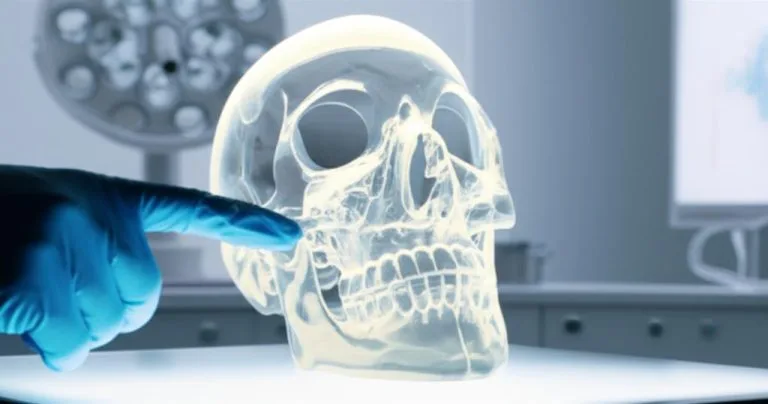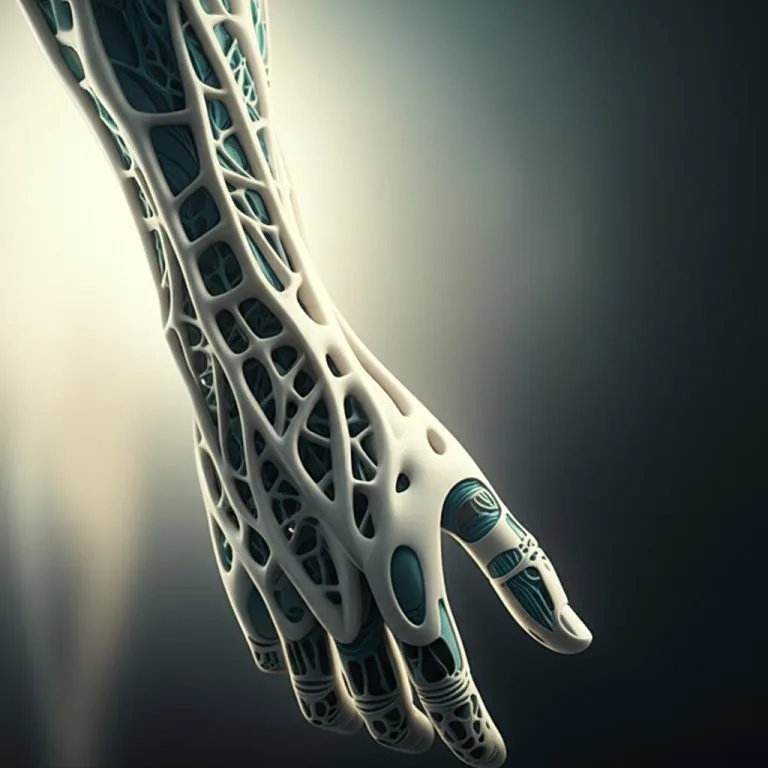
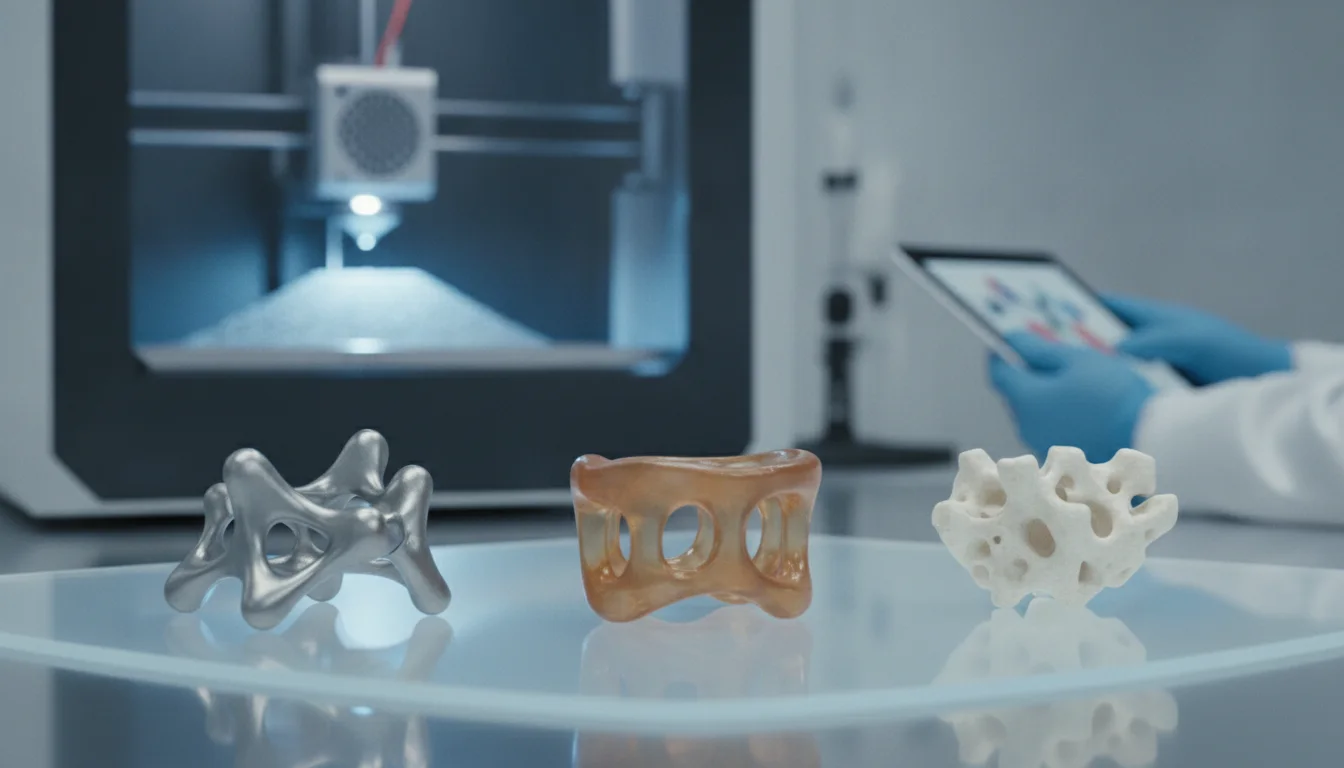
The landscape of medical device manufacturing has been profoundly reshaped by the advent of additive manufacturing, commonly known as 3D printing. This transformative technology has moved beyond mere prototyping, now enabling the creation of highly complex, patient-specific implants that were once deemed impossible. While early explorations in 3D printing for medical applications often focused on biocompatible plastics, the frontier has rapidly expanded to embrace a sophisticated array of advanced materials. These include robust metals like titanium, versatile polymers such as PEEK, and innovative bioceramics, each offering distinct advantages in terms of mechanical properties, biological interaction, and application suitability. Understanding the nuances of these 3D printed implants materials is crucial for clinicians, engineers, and healthcare providers aiming to leverage the full potential of this revolutionary field.
The transformative power of 3D printing in implantology
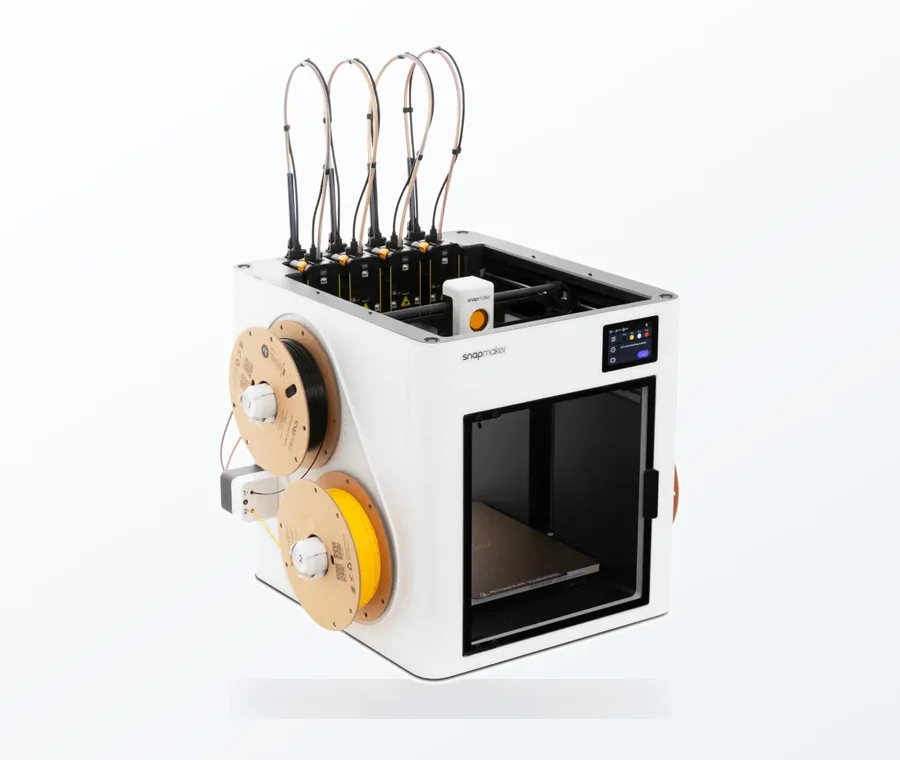
The consumer toolchanger 3D printer: the SnapSwap 4-toolhead system swaps heads in 5 seconds for true multi-color and multi-material printing, with smart calibration and auto filament loading.
- 4 toolheads · 5 s swap
- Up to 500 mm/s · 20,000 mm/s²
- 270 mm cube build volume
- Multi-color & multi-material
Traditional implant manufacturing often involves subtractive methods, which can be wasteful and limit design complexity. 3D printing, however, builds implants layer by layer, allowing for unparalleled customization and intricate geometries. This capability is particularly vital in implantology, where every patient presents unique anatomical requirements. From custom cranial plates to personalized orthopedic components, 3D printing facilitates a level of precision and fit that significantly enhances patient outcomes and recovery times. Moreover, the ability to create porous structures directly within the implant design encourages bone ingrowth, fostering stronger integration and long-term stability.
Core considerations for selecting implant materials
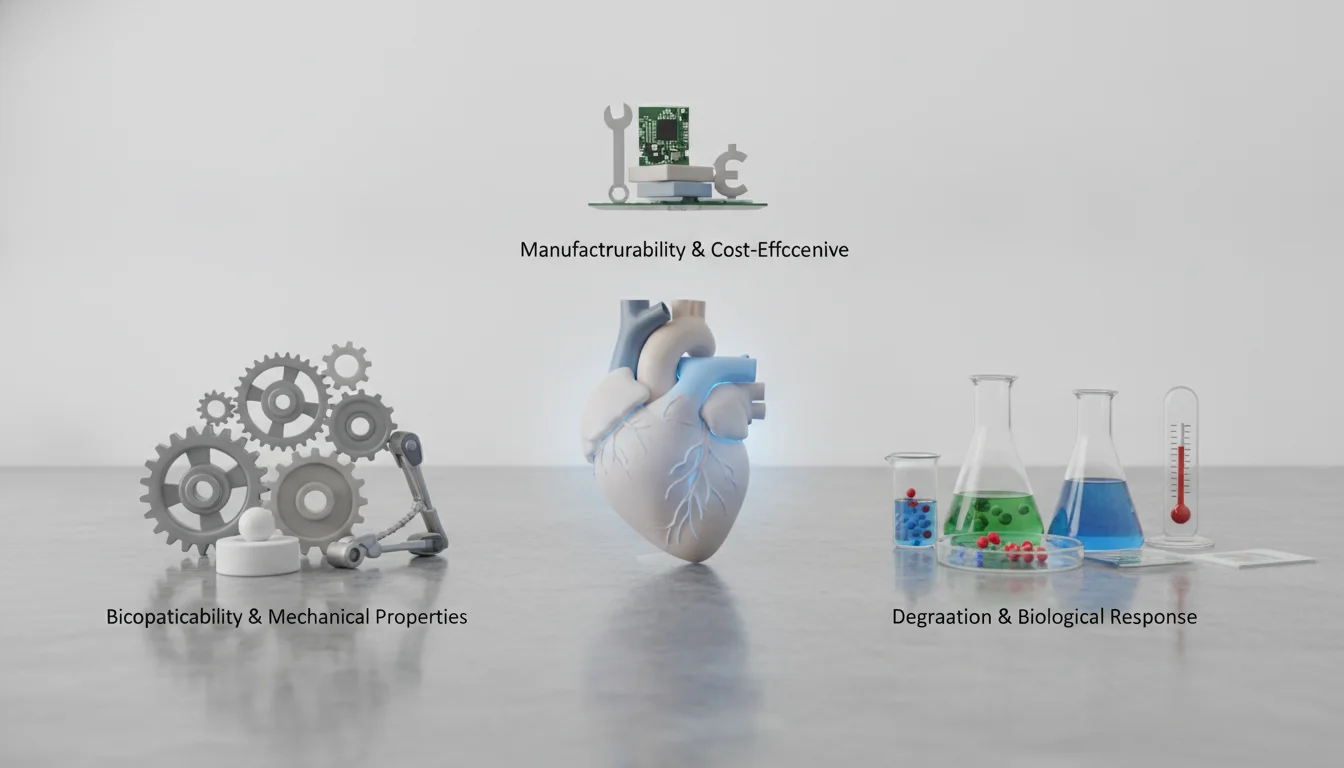
The selection of an appropriate material for 3D printed implants is a multi-faceted decision, influenced by a confluence of biological, mechanical, and clinical factors. At its heart lies the imperative of biocompatibility – the material’s ability to exist within the body without eliciting an adverse reaction. Beyond this fundamental requirement, other critical properties come into play:
- Mechanical properties: Strength, stiffness, fatigue resistance, and elasticity must align with the physiological loads the implant will endure.
- Biocompatibility and bioactivity: How the material interacts with surrounding tissues, including its potential to promote healing or integrate with bone (osseointegration).
- Sterilizability: The material’s capacity to withstand sterilization processes without degradation.
- Long-term stability and degradation: The material’s durability within the body and, for some applications, its controlled degradation rate.
- Radiographic properties: How the material appears on imaging scans, which can be crucial for post-operative monitoring.
Titanium: The enduring benchmark for 3D printed implants
Titanium and its alloys have long been considered the gold standard in implant materials, renowned for their exceptional strength-to-weight ratio, corrosion resistance, and superior biocompatibility. With the advent of 3D printing, particularly through techniques like Selective Laser Melting (SLM) and Electron Beam Melting (EBM), the capabilities of titanium implants have been further amplified.
Properties and advantages of 3D printed titanium
- Unmatched strength and durability: Titanium offers robust mechanical properties, making it ideal for load-bearing applications in orthopedics and dentistry.
- Excellent biocompatibility: The material is well-tolerated by the human body, minimizing the risk of adverse reactions.
- Osseointegration: Titanium naturally encourages bone cells to grow onto and into its surface, leading to stable, long-lasting integration with surrounding bone tissue. 3D printing allows for the creation of intricate porous structures that significantly enhance this process.
- Customization potential: Complex geometries, custom fits, and internal lattice structures can be precisely manufactured, optimizing implant performance and patient comfort.
Applications of titanium implants
3D printed titanium implants are widely utilized across various medical specialties, including:
- Orthopedics: Custom joint replacements (hips, knees), spinal fusion cages, and complex bone reconstruction.
- Dentistry: Dental implants, custom abutments, and maxillofacial prostheses.
- Craniofacial surgery: Patient-specific plates and meshes for skull and facial reconstruction.
Cost structures and production complexities for titanium
The cost profile for 3D printed titanium implants is influenced by several factors. High-purity titanium powder, a key raw material, can be expensive. The 3D printing processes themselves, such as SLM and EBM, are energy-intensive and require specialized, high-precision machinery. Post-processing steps, including stress relief, surface finishing, and stringent quality control, also contribute to the overall cost. While the initial investment in equipment and materials can be substantial, the ability to create highly customized, complex parts with minimal waste can offer long-term economic advantages by reducing surgical time and improving patient outcomes.
PEEK: The polymer powerhouse in medical 3D printing
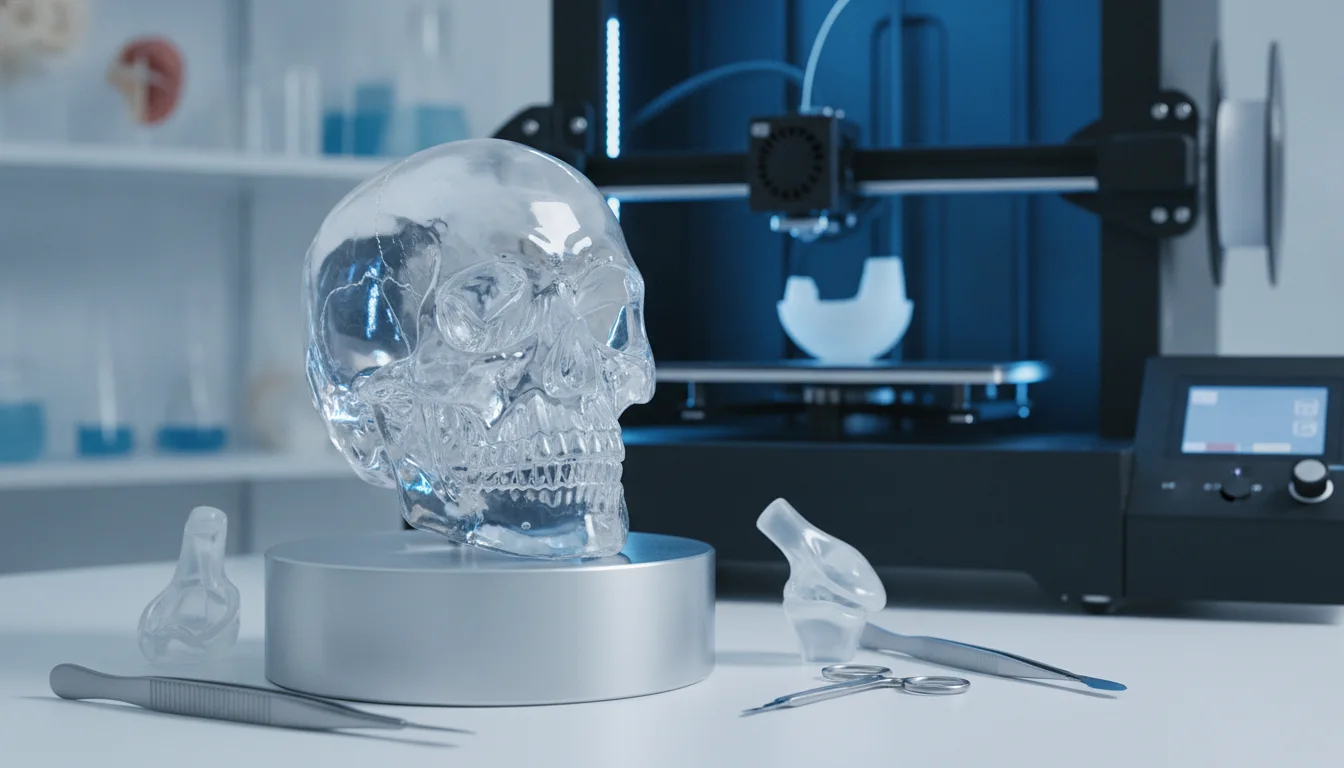
Polyetheretherketone (PEEK) is a high-performance thermoplastic polymer that has gained significant traction as a material for 3D printed implants, particularly where metallic implants might present certain drawbacks. Its unique combination of properties makes it an attractive alternative in specific clinical scenarios.
Properties and advantages of 3D printed PEEK
- Radiotranslucency: Unlike metals, PEEK is radiolucent, meaning it does not interfere with X-ray, CT, or MRI imaging. This allows for clearer post-operative monitoring and diagnosis without artifact obstruction.
- Bone-like elasticity: PEEK has an elastic modulus closer to that of cortical bone compared to titanium. This property can help reduce stress shielding, a phenomenon where a stiffer implant bears too much load, leading to bone resorption around the implant.
- Lightweight: PEEK implants are significantly lighter than their metallic counterparts, potentially enhancing patient comfort.
- Chemical resistance and biocompatibility: PEEK exhibits excellent resistance to chemical degradation and is highly biocompatible.
Applications of PEEK implants
PEEK implants are increasingly being used in areas where flexibility, radiotranslucency, and reduced stress shielding are paramount:
- Spinal fusion: Interbody fusion cages and vertebral body replacement devices.
- Craniofacial reconstruction: Custom cranial implants and facial prostheses.
- Orthopedics: Certain custom joint components and soft tissue fixation devices.
Cost structures and production complexities for PEEK
The cost structure for PEEK implants typically involves the material cost of high-grade PEEK polymer, which can be substantial but often less than specialized titanium powders. 3D printing technologies for PEEK, such as Fused Deposition Modeling (FDM) or Selective Laser Sintering (SLS), require precise temperature control due to PEEK’s high melting point. Post-processing can involve annealing to optimize mechanical properties and surface treatments to enhance cellular adhesion. While the printing process may be less energy-intensive than metal printing, the specialized equipment and material handling still contribute to the overall production cost. The ability to create complex, customized PEEK implants can offer benefits in specific patient cases, potentially reducing long-term healthcare costs associated with complications or revisions.
Bioceramics: The frontier of regenerative 3D printed implants
The consumer toolchanger 3D printer: the SnapSwap 4-toolhead system swaps heads in 5 seconds for true multi-color and multi-material printing, with smart calibration and auto filament loading.
Bioceramics represent a fascinating class of materials for 3D printed implants, particularly in applications focused on bone regeneration and tissue engineering. These materials are designed to interact actively with biological systems, often promoting healing and new tissue formation.
Properties and advantages of 3D printed bioceramics
- Bioactivity: Many bioceramics are bioactive, meaning they can form a direct chemical bond with bone tissue. This promotes excellent integration and can accelerate healing.
- Osteoconductivity and osteoinductivity: Some bioceramics are osteoconductive (provide a scaffold for bone growth) or even osteoinductive (actively stimulate bone formation).
- High compressive strength: While often brittle, bioceramics can offer high compressive strength, suitable for certain load-bearing applications.
- Porous scaffold creation: 3D printing excels at creating highly porous ceramic scaffolds with interconnected pores, ideal for cell infiltration, nutrient transport, and vascularization.
- Controlled degradation: Some bioceramics are designed to resorb over time, being replaced by natural bone tissue.
Types and applications of bioceramics in 3D printing
Common bioceramics used in 3D printing include:
- Hydroxyapatite (HA): A primary mineral component of bone, known for its osteoconductivity and biocompatibility. Used in bone void fillers and coatings.
- Tricalcium Phosphate (TCP): Another calcium phosphate ceramic, often used in combination with HA. It is resorbable, meaning it gradually dissolves and is replaced by new bone.
- Bioactive Glasses: These materials form a strong bond with bone and soft tissues, promoting rapid healing.
Applications include bone grafts, dental scaffolds, and tissue engineering constructs designed to regenerate specific tissues.
Cost structures and production complexities for bioceramics
The cost of 3D printed bioceramic implants can vary significantly depending on the specific ceramic material and the complexity of the printing process. Raw ceramic powders can range in price, and the printing techniques, such as binder jetting, stereolithography (SLA) with ceramic slurries, or direct ink writing, often require specialized equipment and expertise. Post-processing, particularly high-temperature sintering, is critical to achieve the desired mechanical properties and density, adding to production costs. The development of custom, bioactive scaffolds for complex regenerative procedures can be highly specialized, reflecting in the overall cost. However, the potential for superior biological integration and true tissue regeneration offers unique value that extends beyond simple material cost.
Comparing the contenders: A multifaceted view of 3D printed implant materials
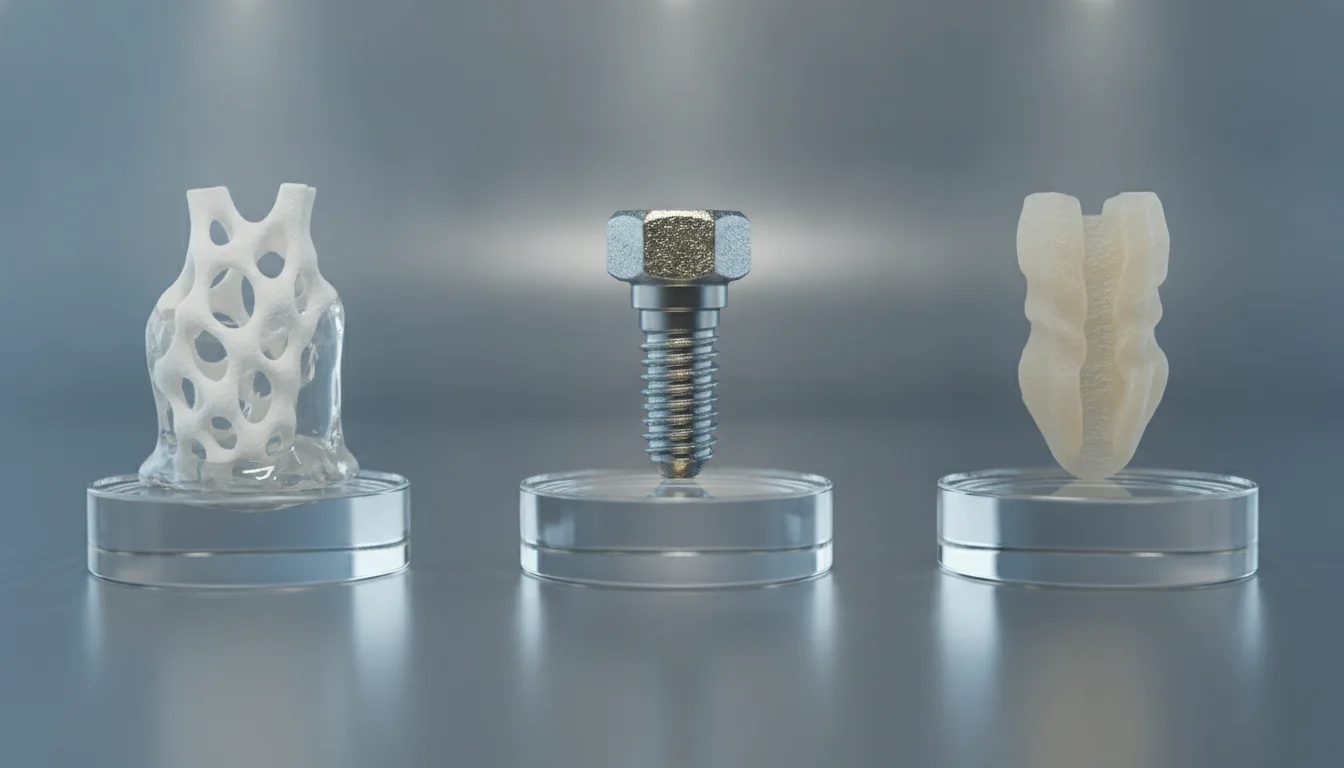
When evaluating titanium, PEEK, and bioceramics for 3D printed implants, a holistic perspective is essential. Each material offers a distinct set of trade-offs, making the optimal choice highly dependent on the specific clinical application, patient needs, and long-term goals.
Mechanical properties and biological interaction
- Titanium: Excels in strength, fatigue resistance, and robust osseointegration. It’s the go-to for high-load applications where rigidity is beneficial. Its metallic nature means it’s radiopaque.
- PEEK: Offers a more bone-like elastic modulus, reducing stress shielding and potentially improving long-term bone health. Its radiotranslucency is a significant advantage for post-operative imaging. While biocompatible, it is generally bioinert unless surface-modified.
- Bioceramics: Highly bioactive, promoting direct bone bonding and, in some cases, stimulating new bone growth. They are typically strong in compression but can be brittle. Degradable bioceramics offer the unique advantage of being replaced by natural tissue over time. They are also radiopaque.
Cost structures and production complexities
It’s challenging to declare one material universally “cheaper” than another, as cost is influenced by the entire lifecycle from raw material to implantation.
- Material Acquisition: High-purity titanium powders are often among the most expensive raw materials. PEEK polymers are also premium materials but can be less costly than specialized metal powders. Bioceramic powders vary widely in price based on composition and purity.
- Printing Technology: Metal 3D printing (SLM, EBM) typically involves higher capital expenditure for machinery and higher operational costs (e.g., inert gas, energy) compared to polymer printing (FDM, SLS for PEEK). Bioceramic printing can also involve sophisticated equipment and precise process control, particularly for sintering.
- Post-Processing: All materials require some degree of post-processing, from surface finishing and sterilization to heat treatments (e.g., annealing for PEEK, sintering for ceramics) to achieve final properties. These steps add significant cost and complexity.
- Certification and Regulatory Compliance: The rigorous testing and regulatory approval processes for medical implants, regardless of material, contribute substantially to overall development and production costs.
Ultimately, the “cost-effectiveness” of an implant material is often measured not just by its initial price, but by its long-term performance, reduction in complications, and improvement in patient quality of life.
Application suitability
- Titanium: Best suited for robust, load-bearing implants where long-term structural integrity and strong osseointegration are paramount, such as major orthopedic joints, dental implants, and critical craniofacial reconstructions.
- PEEK: Ideal for applications where radiotranslucency is critical for monitoring, where a bone-like modulus is desired to minimize stress shielding (e.g., spinal fusion cages), or where a lighter implant is advantageous.
- Bioceramics: Primarily used in bone repair and regeneration, tissue engineering scaffolds, and dental grafts where bioactivity and the potential for new bone formation are the primary goals.
The road ahead: Innovations and challenges in 3D printed implants
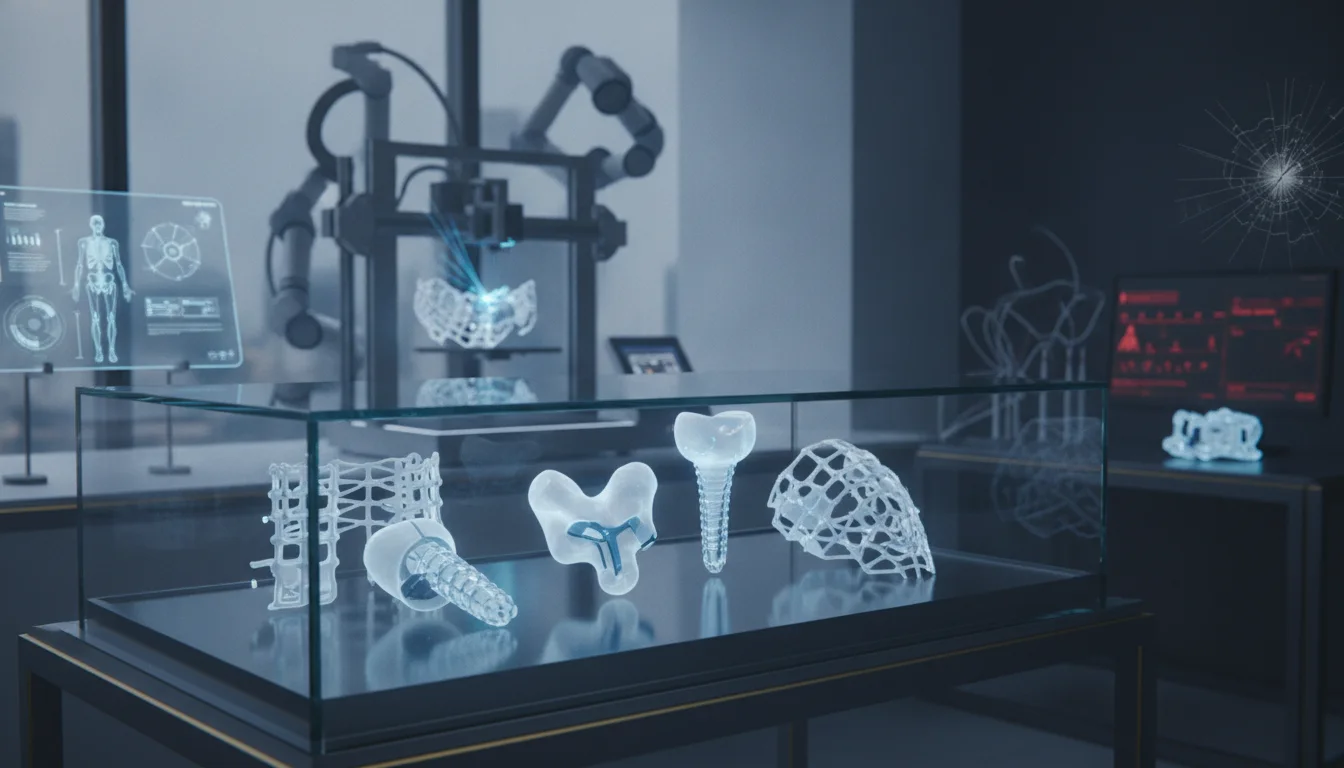
The field of 3D printed implants is far from static. Ongoing research is exploring novel materials, including biodegradable metals, advanced composites, and hybrid materials that combine the best properties of different classes. The development of ‘smart’ implants with integrated sensors or drug delivery capabilities further promises to revolutionize personalized medicine. However, challenges remain, particularly in scaling production, ensuring long-term material stability in vivo, and navigating complex regulatory pathways for new materials and designs. As technology advances and clinical experience grows, the repertoire of materials available for 3D printed implants will undoubtedly continue to expand, offering even greater possibilities for patient care.
The journey beyond conventional implant materials, ushered in by 3D printing, marks a pivotal moment in medical innovation. Titanium, PEEK, and bioceramics each offer a compelling set of characteristics, enabling the creation of custom, high-performance implants tailored to individual patient needs. The choice among these advanced 3D printed implants materials is not a matter of superiority but rather of optimal fit for specific clinical indications, mechanical demands, and biological interactions. By carefully weighing the unique properties, application suitability, and comprehensive cost structures of each, healthcare professionals can make informed decisions that continue to push the boundaries of what’s possible in reconstructive and regenerative medicine, ultimately enhancing patient outcomes and transforming lives.
Frequently asked questions
Can 3D printed PEEK implants be safely used if a patient has a known metal allergy?
Yes, PEEK is a high-performance polymer that is inherently metal-free and highly biocompatible, making it an excellent alternative for patients with sensitivities to metals like nickel or cobalt often found in alloys. The article notes that PEEK implants are also significantly lighter than metallic ones and are radiolucent, which avoids imaging artifacts. However, suitability depends on the specific clinical application, as PEEK is generally bioinert and may require surface modification for enhanced bone bonding.
What is the main safety concern when using bioceramic implants compared to titanium or PEEK?
The primary safety concern with bioceramics is their brittleness under tensile or shear loads, as they typically offer high compressive strength but can fracture if subjected to bending or twisting forces. The article explains that bioceramics like hydroxyapatite and tricalcium phosphate are bioactive and promote bone regeneration, but they are best suited for applications like bone grafts and tissue scaffolds rather than primary load-bearing joints where titanium’s fatigue resistance is preferred. Proper patient selection and implant design are critical to avoid mechanical failure.
Why might a surgeon choose a titanium implant over a PEEK implant for spinal fusion surgery?
A surgeon might choose titanium over PEEK for spinal fusion when maximum structural strength and robust osseointegration are the top priorities, such as in cases requiring immediate load-bearing stability. The article highlights that titanium has unmatched strength and naturally encourages bone cell growth, and 3D printing can create porous structures that enhance this integration. PEEK is often preferred for spinal cages when radiotranslucency is needed for post-operative imaging or when a bone-like stiffness is desired to reduce stress shielding.