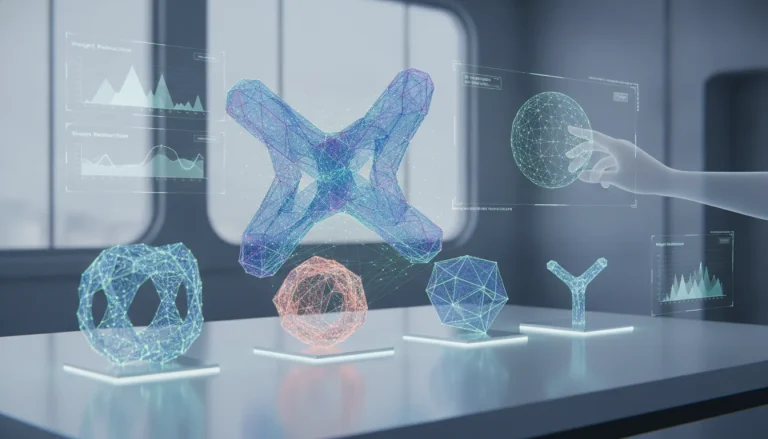
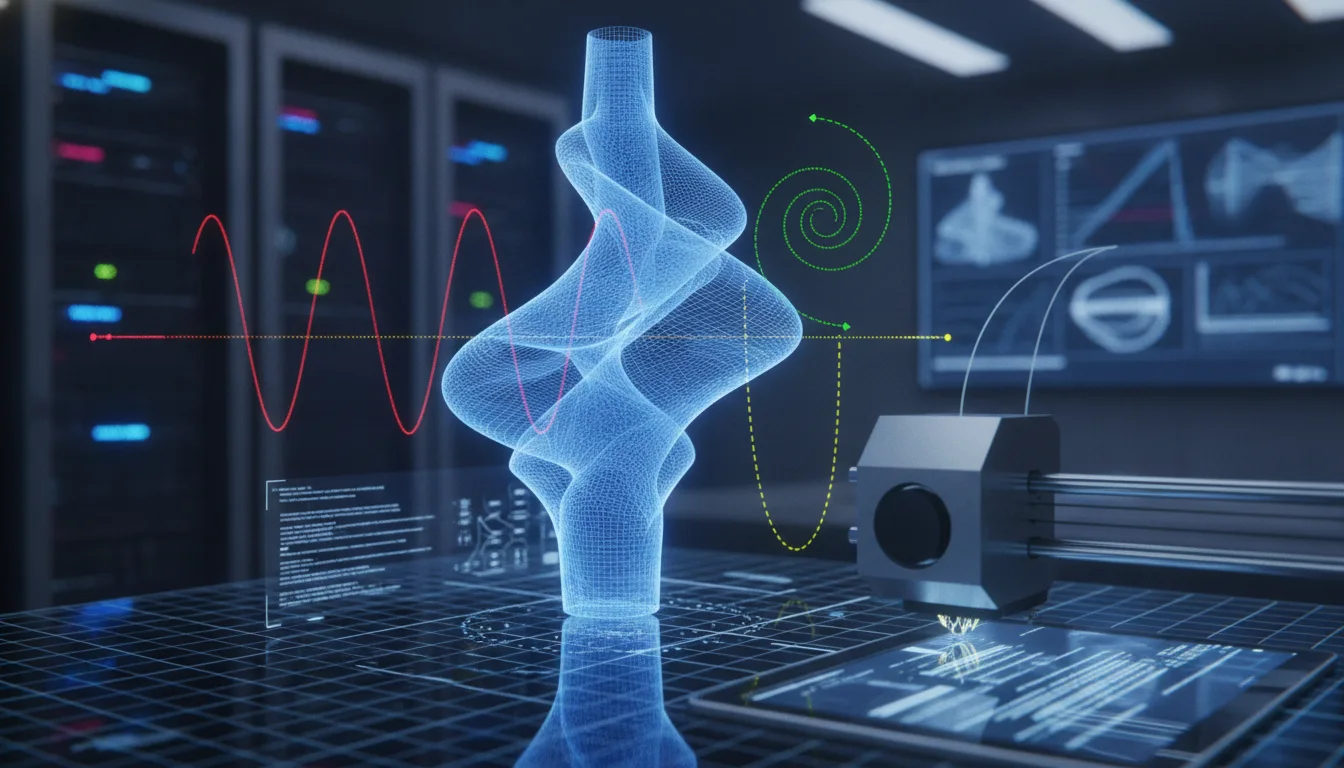
In the realm of 3D modeling, precision and adaptability are paramount. While traditional methods often rely on static dimensions, a more powerful paradigm exists: parametric equations. These mathematical constructs offer a transformative approach, enabling designers and engineers to create dynamic models that respond intelligently to changes, fostering unparalleled control and flexibility in complex designs. Moving beyond simple fixed values, parametric equations become the backbone of truly responsive and adaptable 3D assets.
Traditional vs. parametric modeling: a fundamental shift
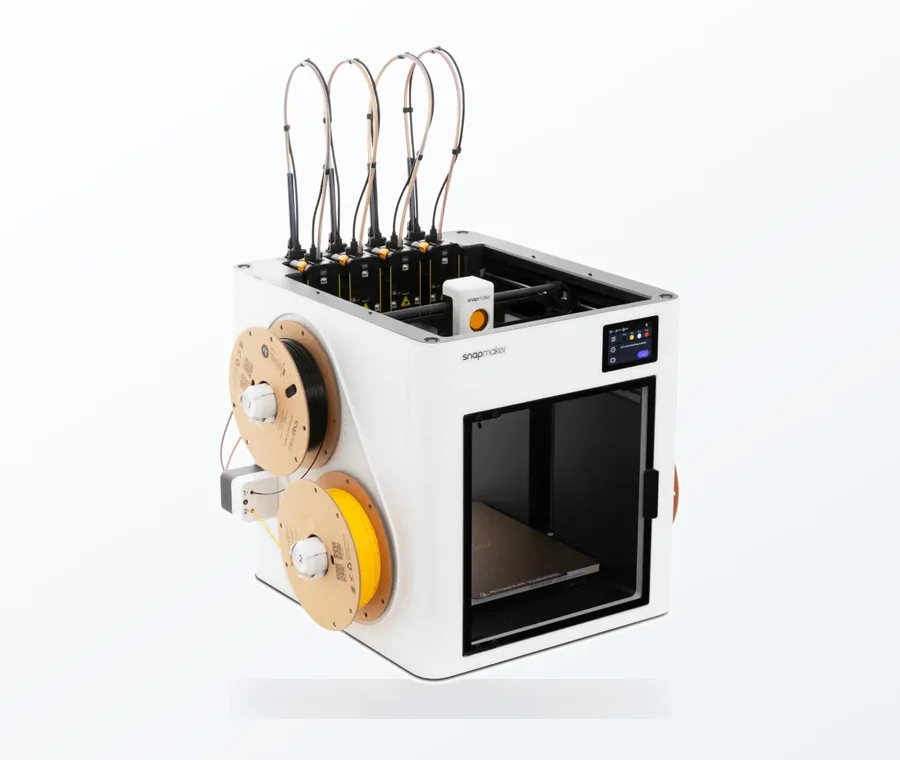
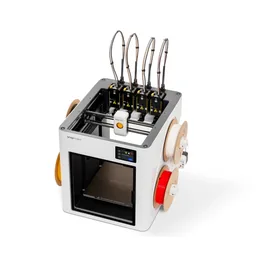
The consumer toolchanger 3D printer: the SnapSwap 4-toolhead system swaps heads in 5 seconds for true multi-color and multi-material printing, with smart calibration and auto filament loading.
- 4 toolheads · 5 s swap
- Up to 500 mm/s · 20,000 mm/s²
- 270 mm cube build volume
- Multi-color & multi-material
To truly appreciate the power of parametric equations, it’s essential to understand the distinction from conventional modeling. In a traditional, non-parametric approach, dimensions are often hard-coded or explicitly defined. If a designer needs to modify a feature, they typically have to manually adjust multiple related dimensions, a process that can be tedious, error-prone, and time-consuming, especially in intricate assemblies. This method often results in a rigid model, where design intent can be easily compromised with subsequent alterations.
Parametric modeling, by contrast, leverages mathematical relationships and variables. Instead of defining a length as ‘100mm’, one might define it as ‘width * 2’. This fundamental shift means that dimensions are no longer isolated values but interconnected components of a larger system. The design intent is embedded within these relationships, ensuring that changes to one parameter intelligently propagate throughout the entire model. This inherent flexibility is what makes parametric equations indispensable for modern 3D design.
The core mechanics of parametric equations
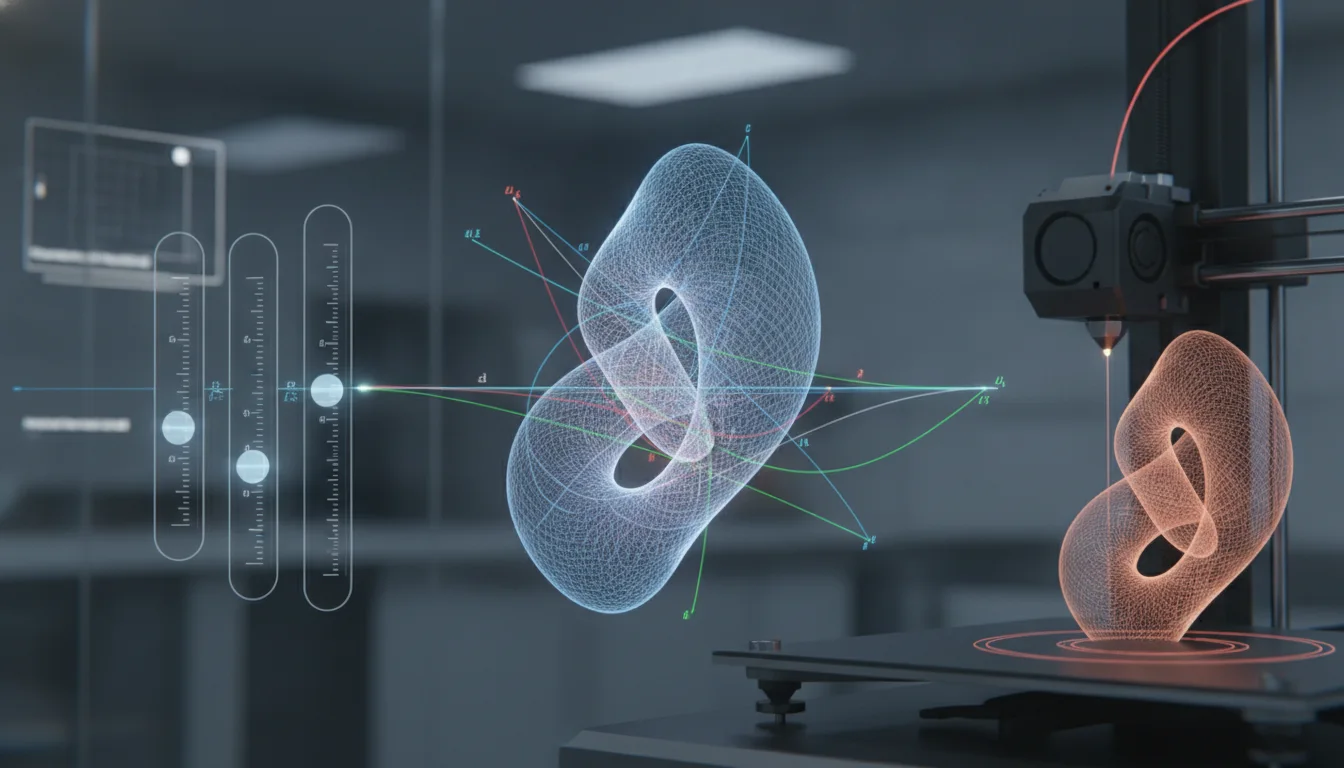
At its heart, a parametric equation describes a set of geometric properties (like coordinates, lengths, or angles) as functions of one or more independent variables, known as parameters. For instance, a circle might be defined not by its center and radius directly, but by equations for its X and Y coordinates as functions of an angle parameter (e.g., X = R * cos(t), Y = R * sin(t), where R is the radius and t is the angle). Changing R or the range of t instantly redefines the circle.
In 3D modeling software, these parameters are often exposed as user-editable fields, allowing designers to manipulate the underlying equations without needing to write code. This abstraction makes the power of mathematical definitions accessible, transforming complex geometry into easily controllable variables. The real magic happens when these parameters are linked, creating a web of dependencies that define the model’s behavior.
Enabling dynamic models and linked parameters
The true strength of employing parametric equations lies in their ability to create dynamic models. These are not static representations but living entities that can adapt and evolve based on input parameters. This dynamism is largely facilitated by the concept of linked parameters.
Real-time adaptability: how changes propagate
When parameters are linked, a change to one value automatically updates all dependent features. Imagine designing a gear train: if the number of teeth on the driving gear changes, the diameter, pitch, and even the positions of the driven gears can be automatically recalculated and adjusted, ensuring the entire mechanism remains functional and geometrically sound. This real-time adaptability drastically reduces the time spent on iterations and minimizes the risk of introducing errors.
Robust design intent: maintaining relationships
Linked parameters ensure that the original design intent is preserved throughout the modification process. If a part is designed to always be twice as long as it is wide, this relationship, defined by a parametric equation (e.g., Length = 2 * Width), will hold true regardless of how the Width parameter is changed. This robustness is crucial for complex projects where maintaining intricate relationships between components is non-negotiable.
Unlocking advanced parametric design
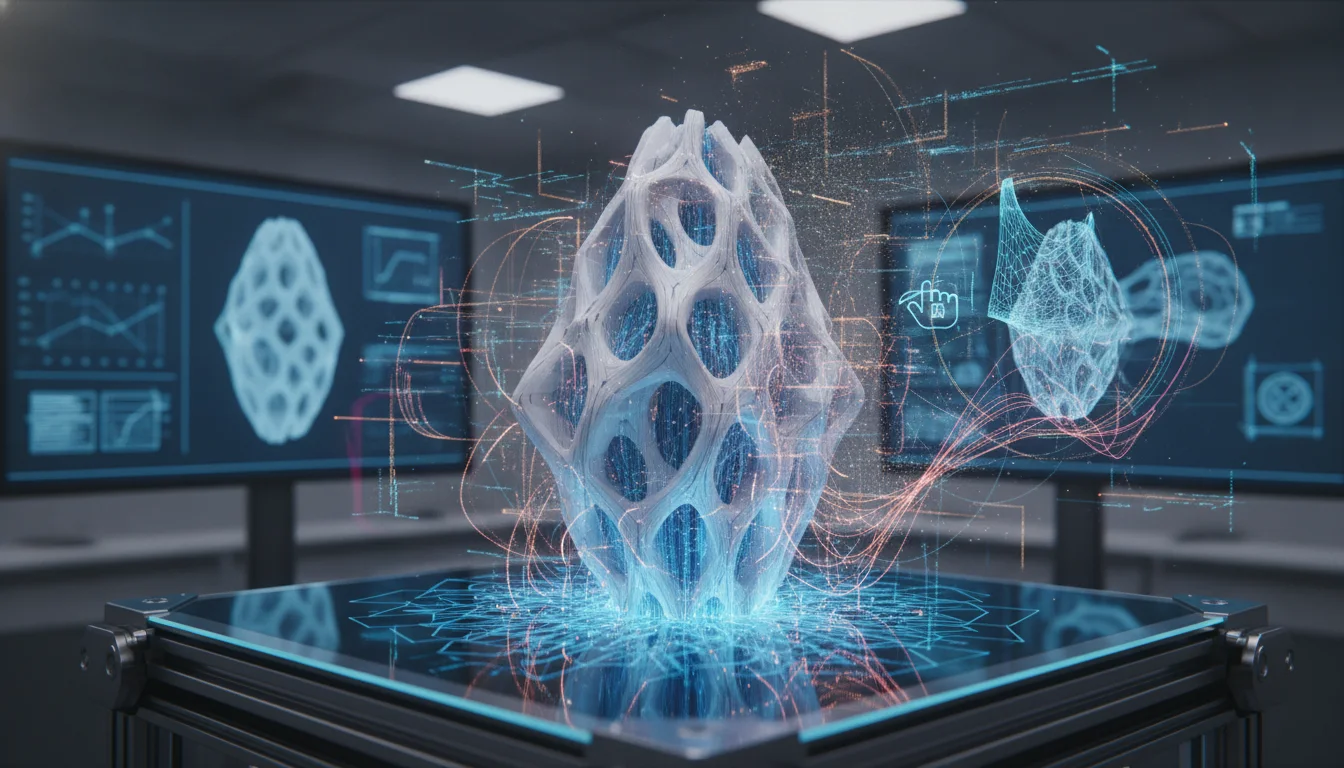
Beyond simple geometric relationships, parametric equations open doors to truly advanced parametric design, enabling the creation of forms and functionalities that would be arduous or impossible with traditional methods.
Mastering complex dimensions: beyond simple linear constraints
Parametric equations excel at defining complex dimensions. This isn’t just about linking lengths or angles; it’s about defining intricate curves, surfaces, and volumetric properties through mathematical functions. Imagine a car body where the curvature of a fender is determined by a spline whose control points are themselves defined by equations related to aerodynamic performance. Or a architectural façade where the opening size of panels varies based on solar incidence angles. These non-linear, context-aware relationships are the bread and butter of parametric equations, allowing for highly sophisticated and optimized designs.
Generative design and algorithmic modeling: automating complexity
The ultimate extension of parametric equations is their role in generative design and algorithmic modeling. By encoding design rules and objectives into equations and algorithms, designers can explore vast design spaces automatically. Software can generate numerous design variations based on performance criteria (e.g., structural integrity, material usage, thermal efficiency), with parametric equations driving the geometric adjustments. This shifts the focus from manually drawing shapes to defining the underlying logic that creates them, leading to innovative and optimized solutions that might never be conceived through manual iteration.
The learning curve and implementation considerations
The consumer toolchanger 3D printer: the SnapSwap 4-toolhead system swaps heads in 5 seconds for true multi-color and multi-material printing, with smart calibration and auto filament loading.
While the benefits of parametric equations are compelling, adopting them effectively does come with certain considerations. The initial learning curve can be steeper than for traditional modeling. It requires a shift in mindset, moving from direct manipulation to defining relationships and understanding the logical flow of parameters. Designers need to develop a strong grasp of mathematical principles and logical thinking to construct robust and efficient parametric models.
Furthermore, the computational demands for highly complex parametric models, especially those involving extensive interdependencies or generative algorithms, can be significant. Software solutions vary in their ability to handle such complexity efficiently. Users must weigh the benefits of increased design flexibility against the potential investment in skill development and, implicitly, the capabilities of the chosen software platform to handle the desired level of complex dimensions and dynamic models.
Strategic adoption: when and why
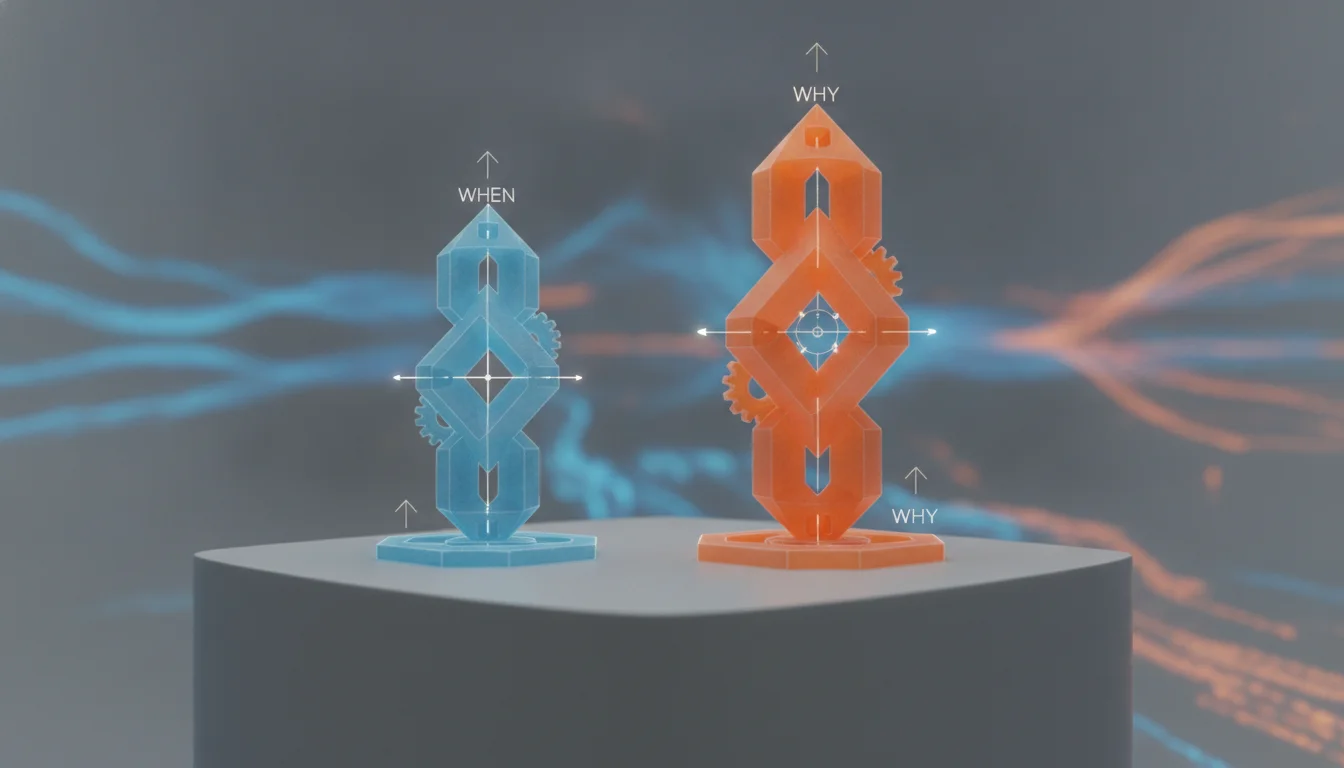
Deciding when and how to leverage parametric equations involves an objective assessment of project requirements. For simple, one-off parts with minimal expected changes, the overhead of creating fully parametric models might not be justified. However, for projects that demand iterative design, high customization, design optimization, or the management of linked parameters across large assemblies, parametric equations become an invaluable asset.
Industries like automotive, aerospace, architecture, and product design heavily rely on these techniques to manage design complexity, accelerate development cycles, and ensure product integrity. The ability to quickly modify a design, explore variations, and ensure consistency across components offers a competitive edge that far outweighs the initial investment in mastering these powerful tools.
Conclusion

Parametric equations are more than just a feature in 3D modeling software; they represent a fundamental paradigm for design. By embedding mathematical relationships into our models, we transcend the limitations of static dimensions, unlocking the potential for dynamic models, intelligently linked parameters, and truly advanced parametric design. They empower designers to tackle complex dimensions with elegance, automate iterative processes, and explore a universe of design possibilities that would otherwise remain out of reach. Mastering this approach is key to staying at the forefront of innovation in the ever-evolving landscape of 3D design and engineering.
Frequently asked questions
Will parametric equations slow down my 3D modeling software?
Yes, highly complex parametric models with extensive interdependencies or generative algorithms can place significant computational demands on your software, potentially causing slowdowns. The article notes that the computational demands for these models can be significant and that software solutions vary in their ability to handle such complexity efficiently.
Do I need to be a math expert to use parametric equations in 3D modeling?
No, but some foundational math and logical thinking is required. The article states the learning curve is steeper than traditional modeling and that designers need to develop a strong grasp of mathematical principles, though most software exposes parameters as user-editable fields so you don’t need to write raw code.
When should I avoid using parametric equations for a 3D model?
For simple, one-off parts with minimal expected changes, the overhead of creating fully parametric models is likely not justified. The article recommends reserving parametric techniques for projects demanding iterative design, high customization, optimization, or linked parameters across large assemblies.